
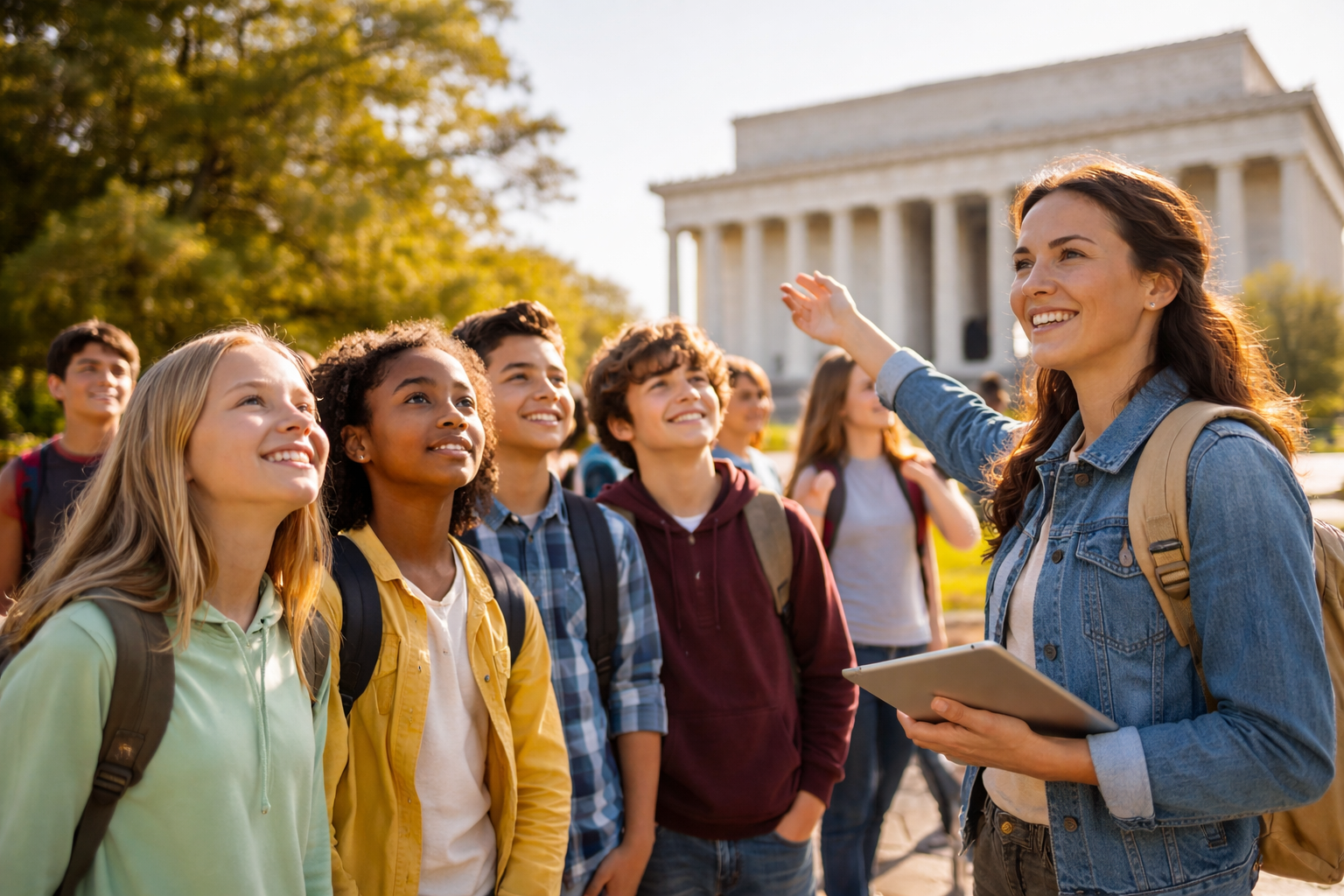
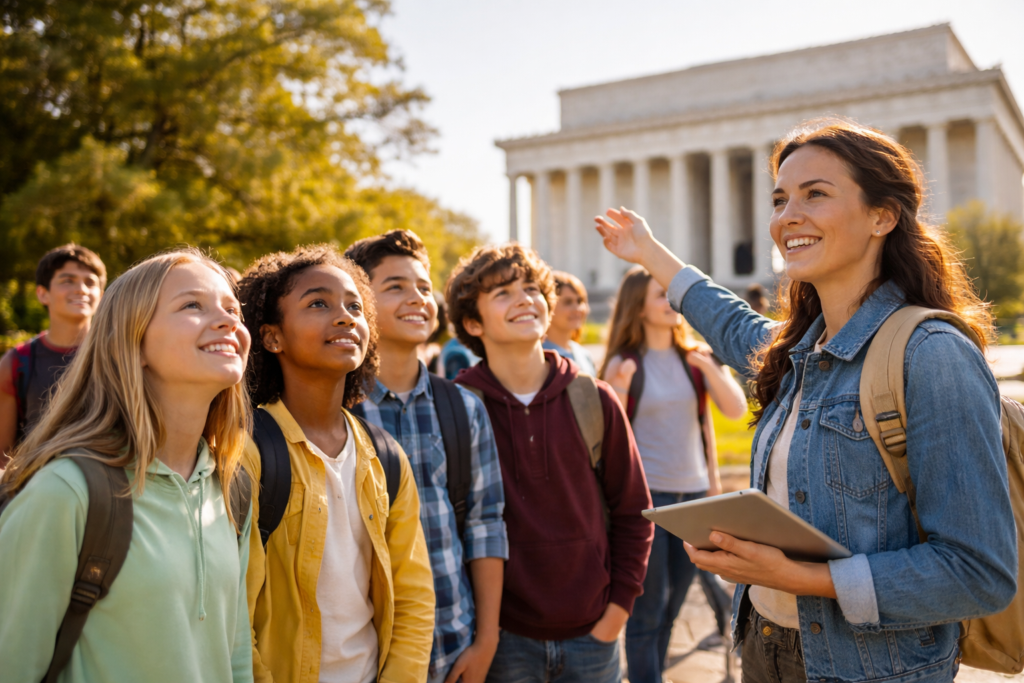
Middle school is a singular time in a student’s life. It is a period when curiosity is heightened, independence is beginning to take shape, and students are developing an understanding of the world beyond their immediate environment. It is also a stage where learning experiences can feel either deeply engaging or frustratingly disconnected. Experiential learning helps bridge that gap.
Experiential learning takes a different approach to education by placing students at the center of the learning process. Instead of being told why something matters, students are encouraged to discover meaning for themselves through direct experience, observation, and reflection.
Learning During a Formative Stage
During the late elementary and middle school years, students begin moving from concrete to more abstract thinking. They start asking deeper questions: Why do systems function the way they do? How do past decisions shape present outcomes? How are communities and cultures formed?
Experiential education supports this cognitive shift by providing a real-world context. History, government, and culture feel less abstract when students can see them in action. Concepts that might otherwise feel distant become tangible, allowing students to form stronger connections to what they are learning.
Strengthening Engagement and Curiosity
One of the greatest challenges educators face during this stage is maintaining student engagement. Experiential learning naturally addresses this by removing passivity from the learning process. Students are not simply listening or reading; they are observing, exploring, and asking questions.
This active involvement often sparks curiosity. Students who may be quieter or less engaged in a traditional classroom setting often become more confident in experiential environments where exploration is encouraged, and learning is not limited to a single “right” answer. In these moments, curiosity becomes the motivator rather than grades or assignments.
Developing Social Awareness and Empathy
Experiential learning also plays an important role in social and emotional development. Visits to museums, memorials, and historical sites expose students to perspectives beyond their own lived experiences. These encounters prompt reflection on leadership, conflict, sacrifice, and cooperation.
For middle school students, developing empathy is especially important. Studying multiple perspectives helps students understand that history and society are shaped by many voices and experiences. These lessons encourage respectful dialogue and foster a broader understanding of the world.
Encouraging Responsibility and Independence
Learning beyond the classroom requires students to take on new responsibilities. Managing time, following schedules, respecting shared spaces, and working collaboratively all contribute to personal growth. These experiences challenge students to act responsibly and maturely in unfamiliar settings.
Educators and chaperones often observe noticeable growth as students adapt to new environments. Increased confidence, independence, and accountability are common outcomes, and these lessons often endure long after the trip ends.
Creating Lasting Educational Impact
What sets experiential learning apart is its lasting impact. Worksheets and quizzes may fade from memory, but experiences tend to stay with students for years. The insights gained through observation and reflection often resurface in future classes, discussions, and personal perspectives.
Experiential learning reinforces the idea that education extends beyond textbooks. It reminds students that learning happens everywhere, through places, interactions, and shared experiences. For middle school students, these moments can be truly transformative. For an educational experience for your middle schoolers, contact studentadventures.org for more information.