
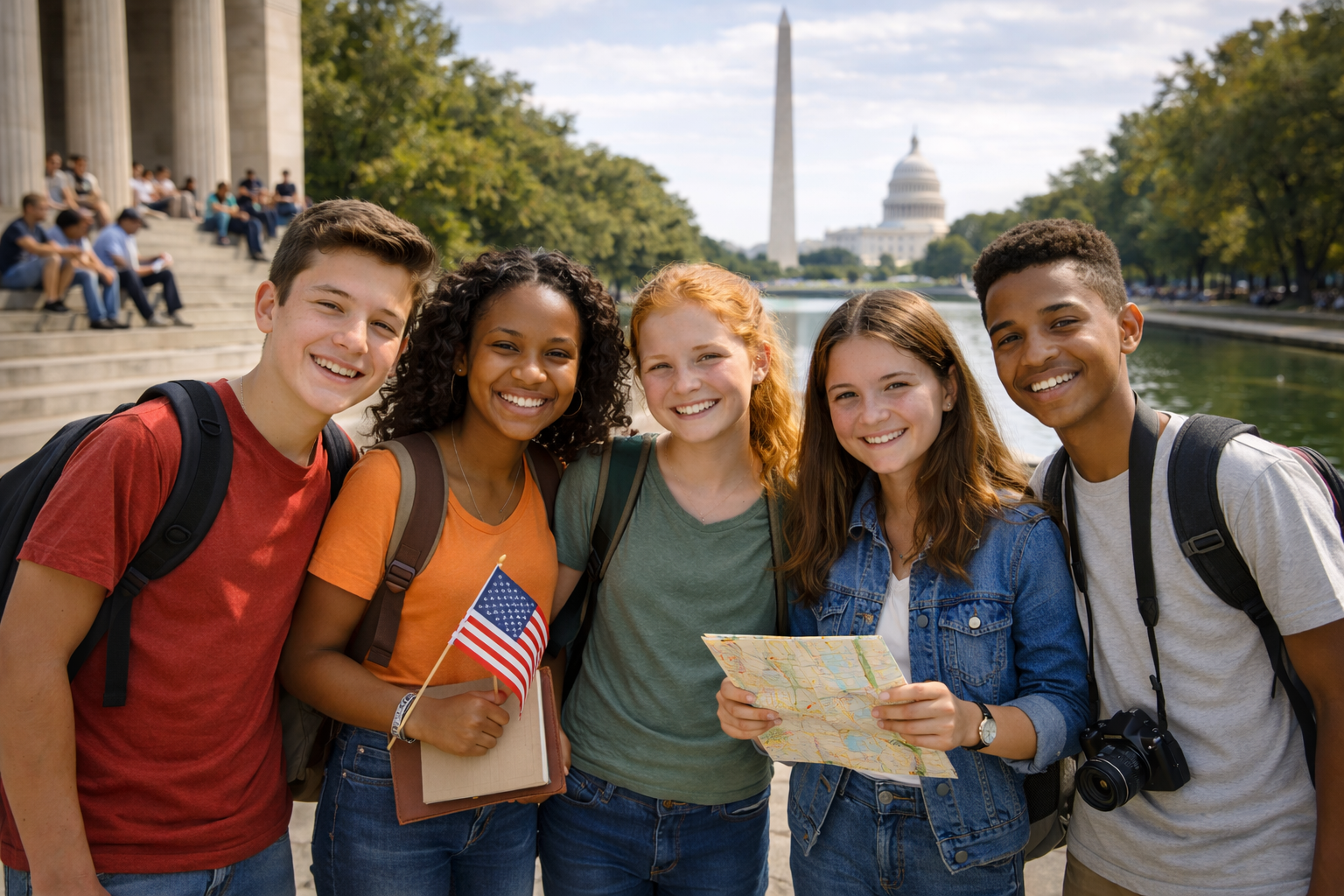
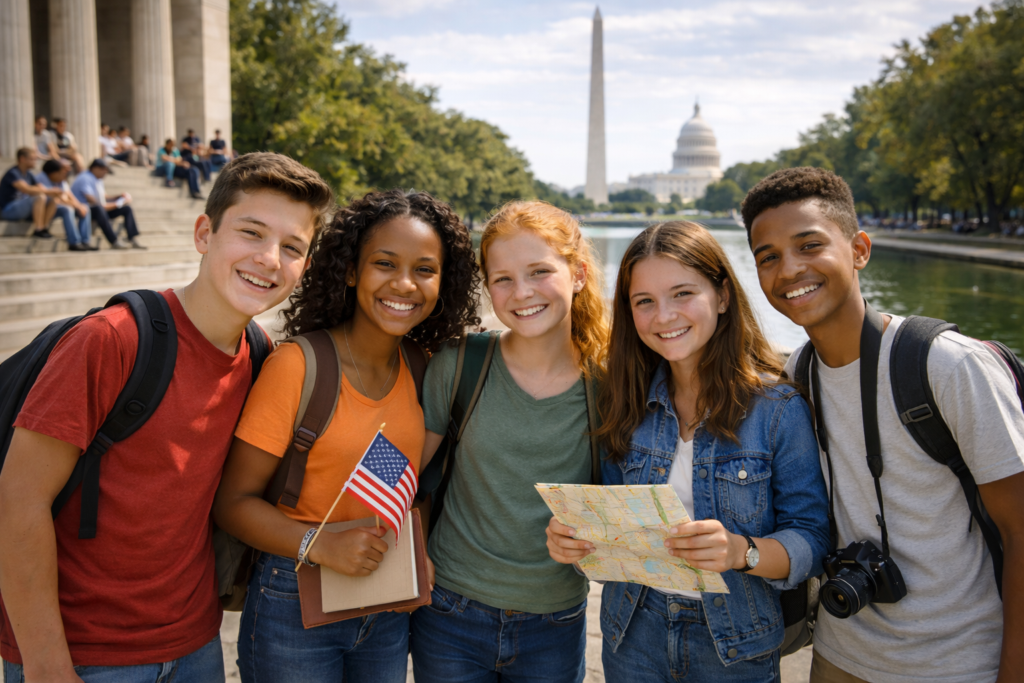
Classroom lessons are a prerequisite for academic achievement, but some of the most memorable and influential experiences students carry with them have not occurred within school walls. Educational travel provides an invaluable extension of the classroom, enabling students to engage with history, culture, and civic responsibility in ways that can’t be achieved through reading or lectures alone.
For many students, a visit to a place like Washington, D.C., is the first time they encounter learning that feels neither halfhearted nor watered down: it is complete. Rather than witnessing it from afar, students are at the heart of the learning process, observing, questioning, and reflecting as everything unfolds.
Turning Knowledge Into Experience
Students visiting museums, historic sites, and government buildings see how the topics they are learning about collide with real life. A lesson on the Civil Rights Movement carries greater weight when students can walk through exhibits featuring personal stories, photographs, and first-person accounts. The workings of government are illuminated when students can stand in the rooms where policies are debated and laws are crafted.
This kind of learning will complement what’s taking place in the classroom and provide additional context and emotional texture. And since they connect it to a place, a time, or an engaging discussion rather than to a test or a worksheet, students are more likely to remember what they’ve learned.
Building Civic Awareness Early
Travel for education is especially important for young students as they learn more about their place in the world. The trip to the nation’s capital helps students connect the dots between citizenship and how government affects their daily lives. It becomes clear to them that democracy is not simply a concept; it’s a system that calls on people to engage with it, be accountable to it, and make thoughtful decisions within its framework.
Such experiences also pique students’ curiosity about the day’s news and encourage them to pay closer attention to how laws and policies actually affect their communities. For many, it is their first step toward becoming involved and thoughtful citizens.
Encouraging Reflection and Perspective
Travel is also one of the best ways for students to develop empathy and perspective. When we expect students to be critical thinkers, active citizens of a democratic society, and historians, we must help them use monuments and memorials as tools for learning. Monuments and memorials help students reflect and engage in respectful discourse on topics such as war, justice, inequality, and leadership. These are the kinds of moments that foster more robust conversations between students and teachers.
Exposure to multiple viewpoints and historical narratives reinforces among students the notion that history is layered and multidimensional. This knowledge empowers critical reasoning and enables our students to carry questions rather than assumptions.
Social and Personal Development
Educational trips are also excellent activities for your students, both socially and emotionally. Travelling through unknown spaces requires communication, collaboration, and the ability to adapt your plans. Students learn to budget time, keep track of schedules, and help one another in new environments.
Teachers often observe growth in students’ self-assurance when they return from a field trip. Common experiences solidify relationships among peers and instill a sense of responsibility not only for themselves but also for the group.
Learning That Lasts
What makes educational travel so influential is its lasting effect. Students mention these experiences months or years after the fact and draw links between what they saw on the trip and what they encounter in other classes later. What you learn when you travel often sticks because it is grounded in real experiences.
Educational travel is not a substitute for classroom education; it enriches it. By making the learning journey real, by stimulating curiosity, and by generating motivation for personal growth, these experiences open students’ eyes to education that isn’t confined to a page but also encompasses their environment.