
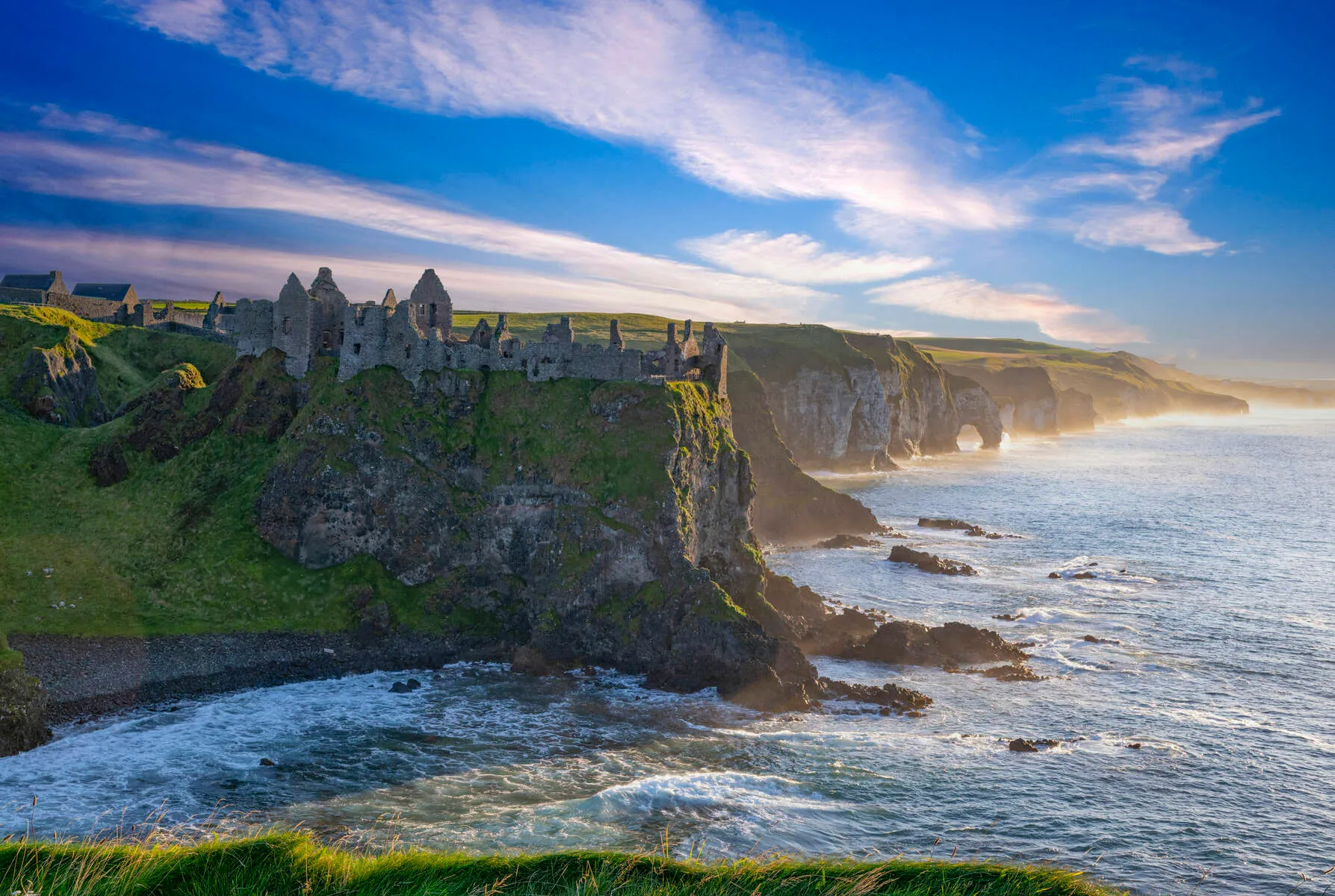
Band Travel: Ireland
Castles, Coastlines, and Celtic Sound
Why Ireland for Bands?
Music is everywhere in Ireland. It has carried stories through generations, marked battles and celebrations, filled churches and village halls, and still spills out of pub back rooms on an ordinary evening. Traditional music is not treated like something preserved behind glass. It is lived, shared, argued over, danced to, and passed from one musician to the next.
For band students, that makes Ireland almost impossible to resist. They can march, perform, learn from Irish musicians, hear instruments and traditions they may only know from recordings, and experience a culture where making music is simply part of everyday life. Few destinations make the connection between music, community, and identity feel this immediate.
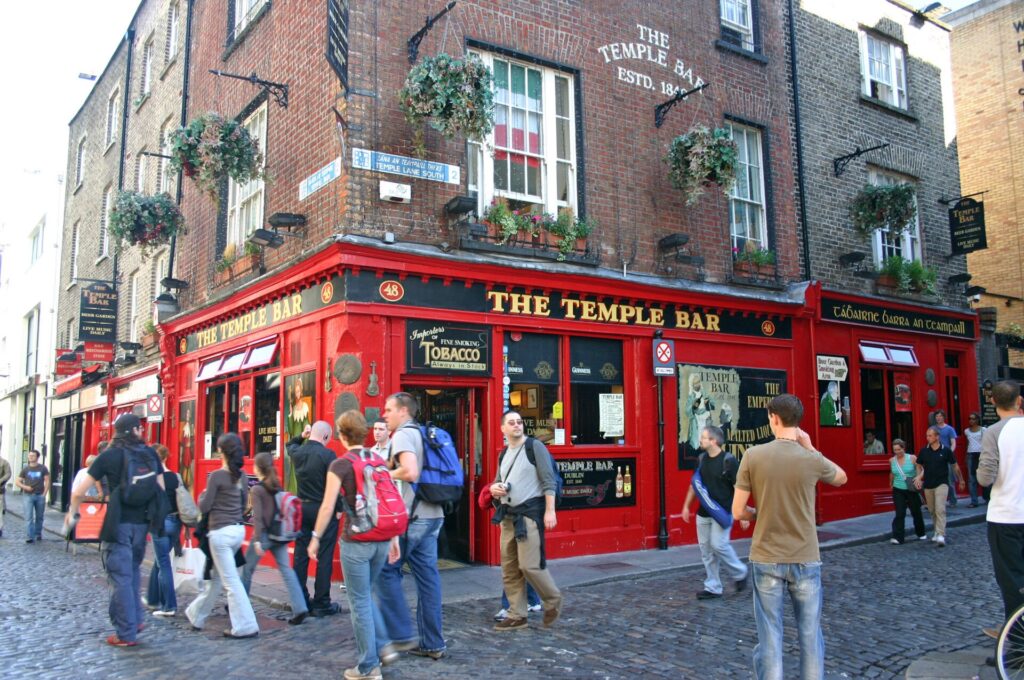
Performance Possibilities
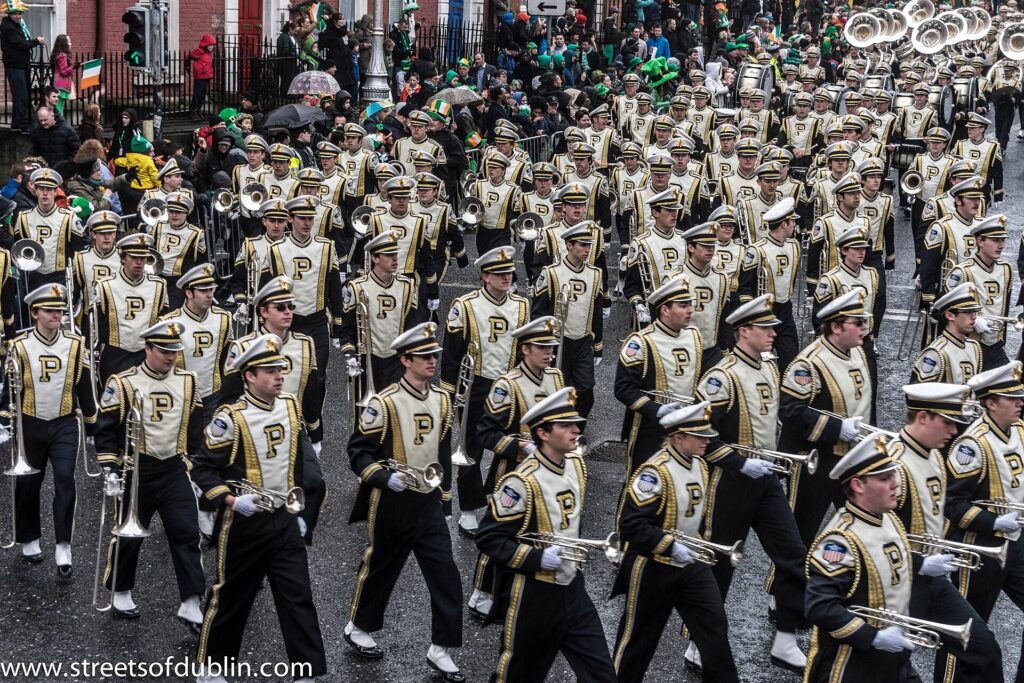
Dublin St. Patrick’s Festival Parade
March through the heart of Dublin on St. Patrick’s Day while the entire city turns green around you. Crowds pack the streets, bands arrive from around the world, and the parade becomes an explosion of music, color, pageantry, and Irish pride. For a marching program, this is bucket-list territory.
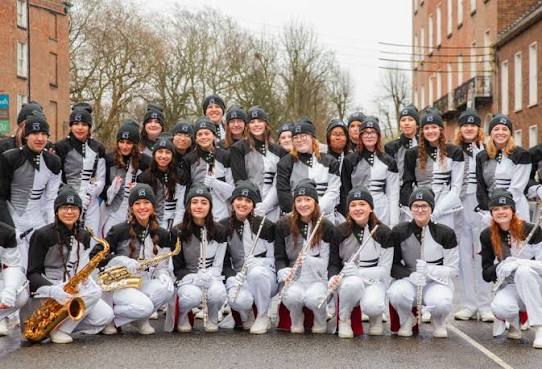
Limerick International Band Championship
Bring your best and see how the band measures up on an international stage. Limerick fills with ensembles from Ireland and abroad for a day built around competition, musicianship, marching, showmanship, and a city that knows how to celebrate a great band. There are trophies involved, but there is also something pretty incredible about students realizing they are now competing halfway across the world.
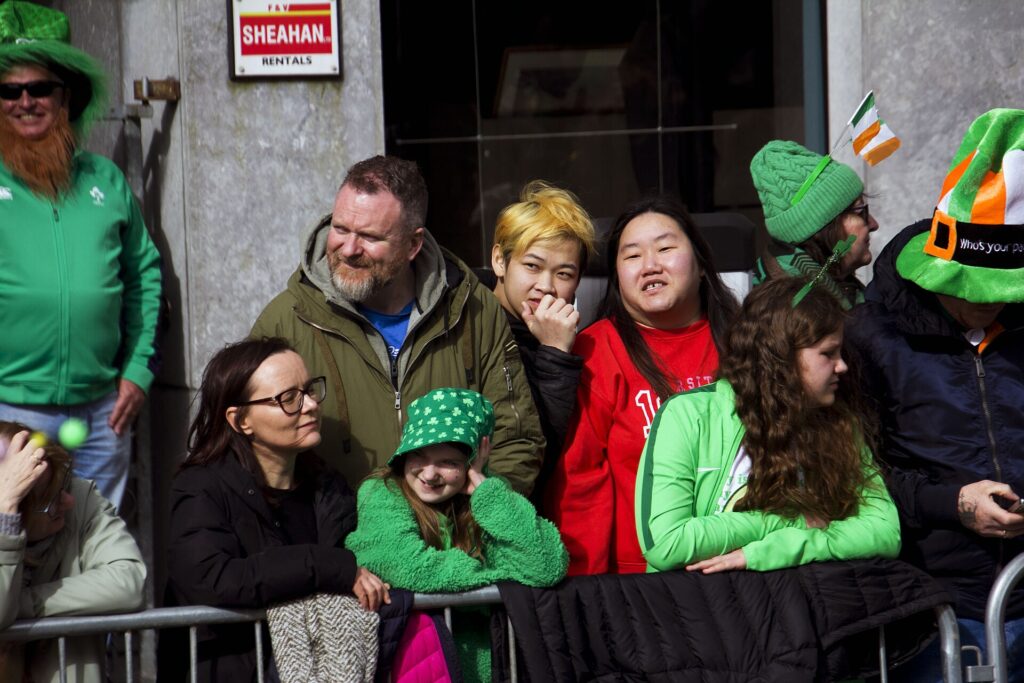
Cork St. Patrick’s Day Parade
Cork does St. Patrick’s Day with its own personality: colorful, spirited, proudly local, and packed with people ready for a parade. Put the band into that celebration and students get to experience the holiday not as tourists watching from the curb, but as part of the reason everybody came downtown.
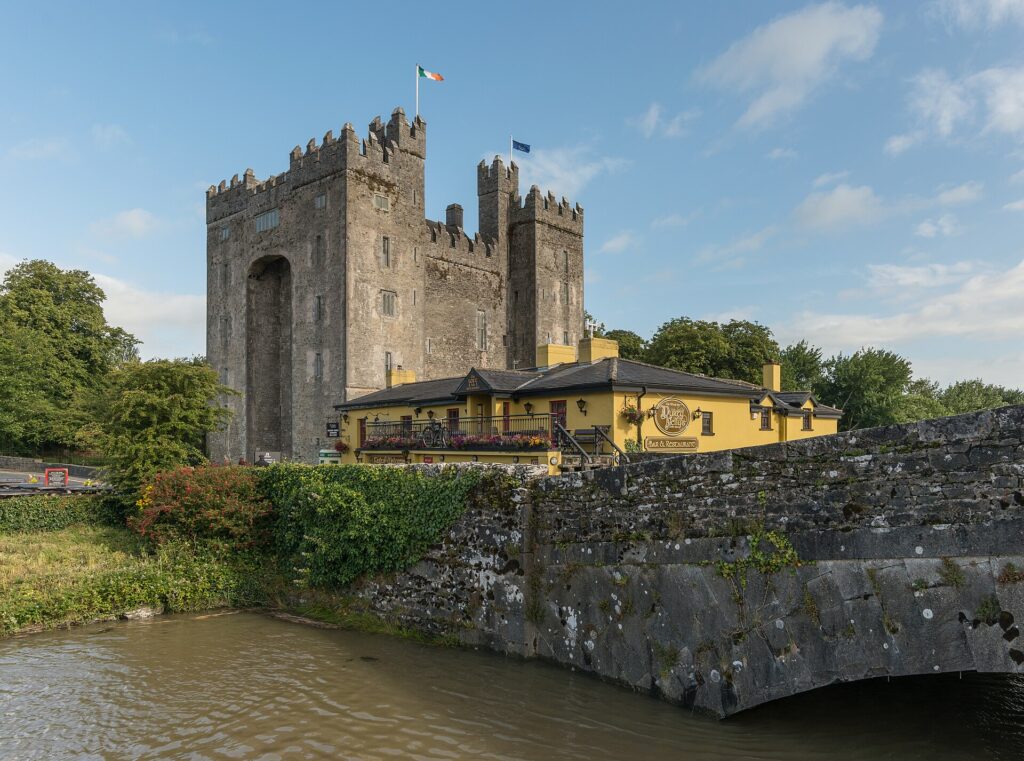
Bunratty Castle & Folk Park Performance
Imagine the ensemble making music with a medieval Irish castle rising behind it. Bunratty surrounds students with historic cottages, village streets, traditional crafts, and the atmosphere of another century, creating a performance that feels completely removed from anything they could recreate at home. This is Ireland doing what Ireland does best: history, culture, and music all sharing the same space.
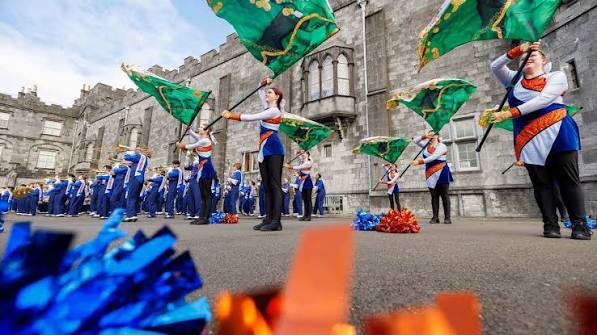
Kilkenny Castle Stand & Blow
Sometimes you do not need a formal concert stage. Stop the band in front of Kilkenny Castle, open the book, and let the sound carry across the grounds of one of Ireland’s great medieval cities. It is informal, energetic, and exactly the sort of spontaneous-feeling musical moment that belongs on an Irish tour.
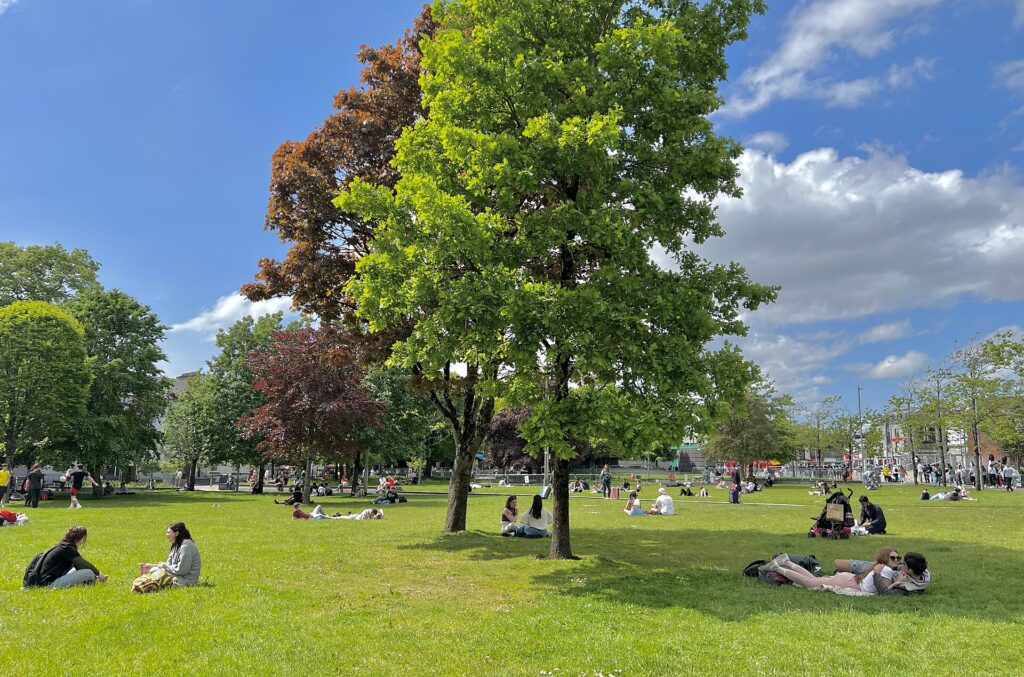
Eyre Square Performance, Galway
Galway already seems to have music in its bloodstream. Performing in Eyre Square puts students right in the middle of that energy, surrounded by the movement, color, and personality of one of Ireland’s most famously musical cities. A lively program can turn an ordinary afternoon in the square into a crowd-gathering event.
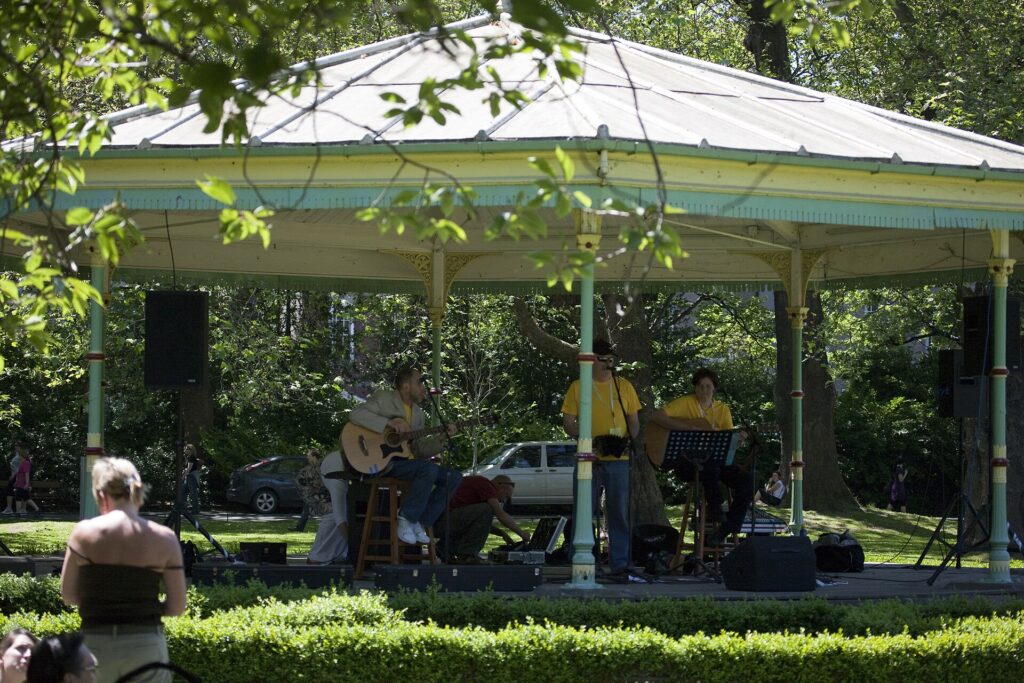
St. Stephen’s Green Bandstand, Dublin
There is something wonderfully old-school about putting a band on a proper bandstand in the middle of Dublin. Trees, lawns, winding paths, and city life surround the ensemble while the music becomes part of an afternoon in St. Stephen’s Green. It feels less like staging an event and more like joining a musical tradition that was already waiting for you.
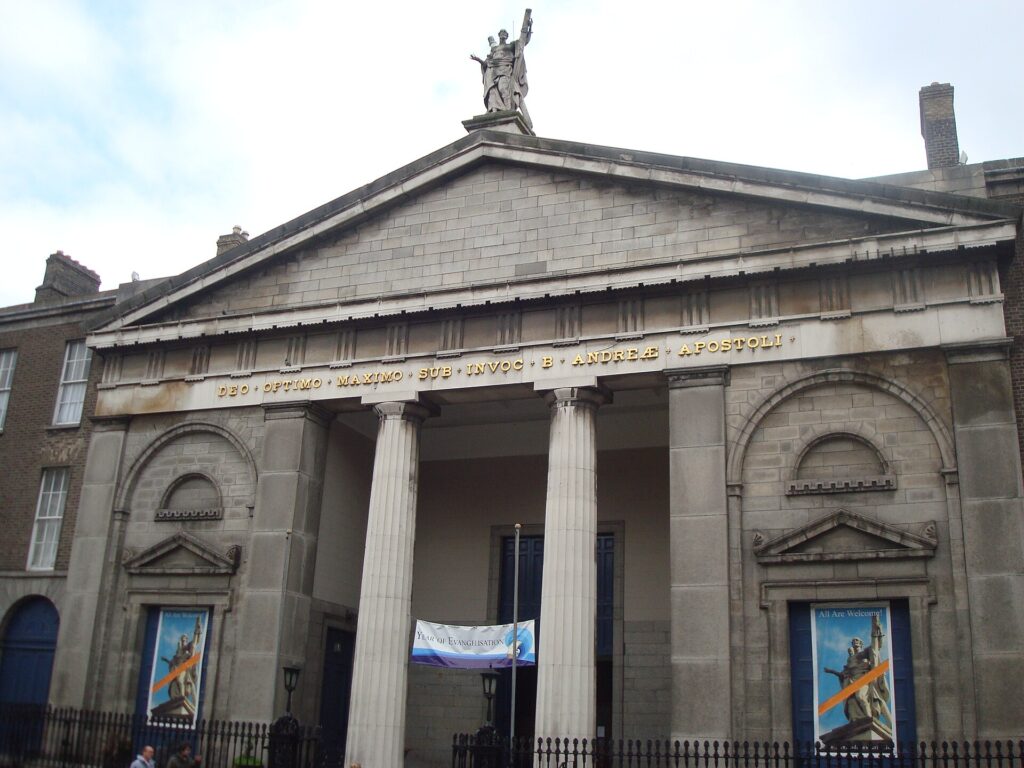
Royal Irish Academy of Music – Whyte Recital Hall
Trade the street for one of Ireland’s most respected musical institutions. The Whyte Recital Hall gives students a focused concert setting where the repertoire, ensemble sound, and artistry take center stage. Walking into the Royal Irish Academy of Music also sends a message to young players: on this trip, they are not simply sightseeing with instruments. They came to Ireland as musicians.
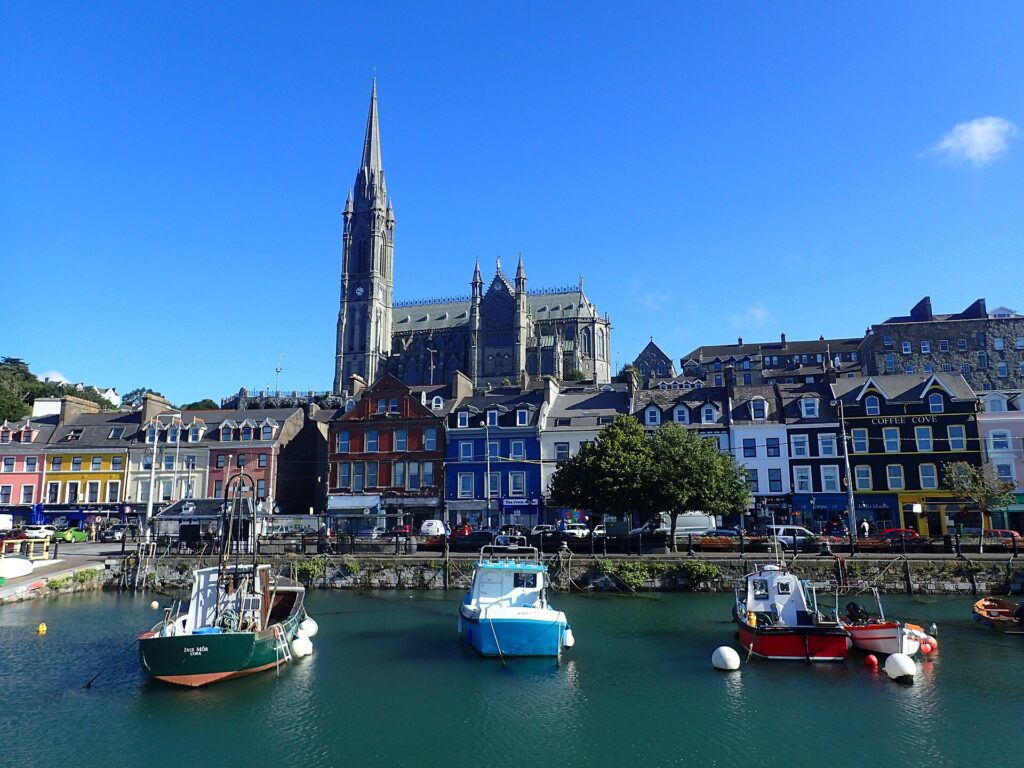
Cobh Promenade Bandstand
Colorful houses climb the hillside, Cork Harbour stretches beyond the waterfront, and the band takes its place on the promenade below. Cobh delivers the kind of coastal Irish setting that barely looks real in photographs, with a historic bandstand perfectly suited to filling the harborfront with music.
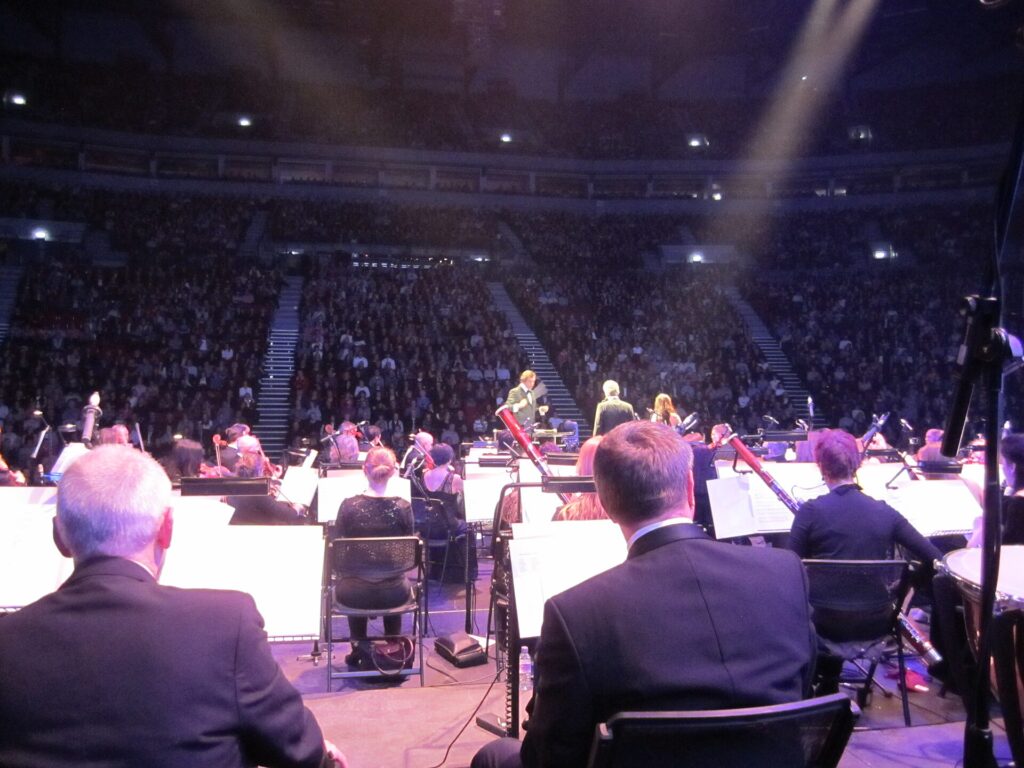
Irish Institute of Music & Song – The Lark Concert Hall
Spend time on a campus created entirely around making music, then take the ensemble into The Lark for a performance of its own. Rehearsal, learning, collaboration, and concert performance can all live under the same roof, giving students a glimpse of what happens when music is not squeezed into the school day but given an entire place to thrive.
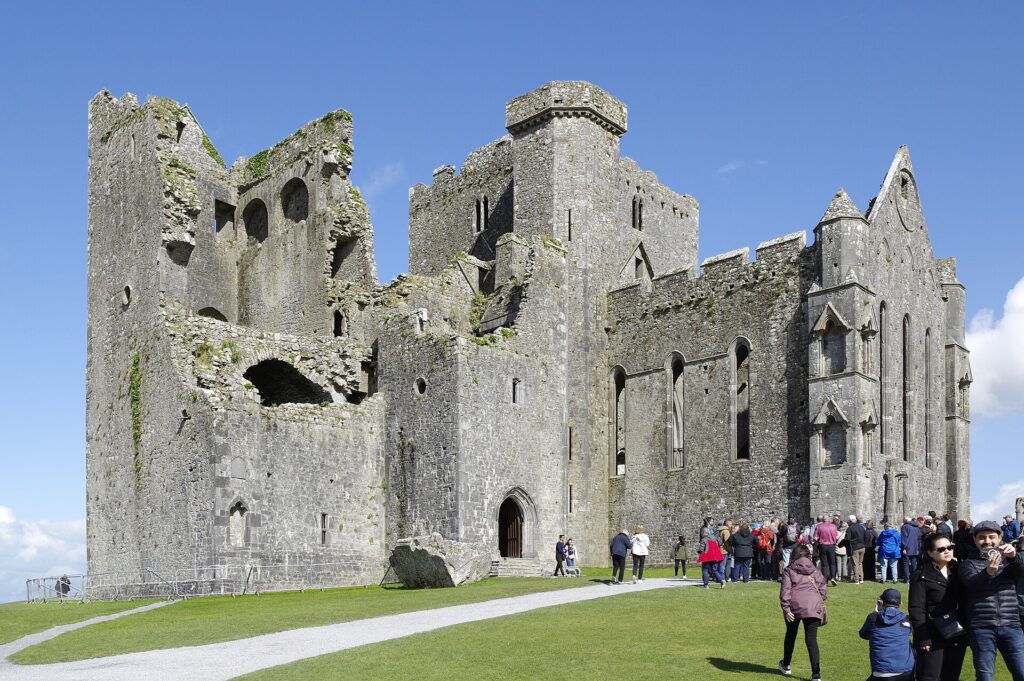
Rock of Cashel Performance
Now put the band somewhere ancient. Stone towers and medieval ruins rise dramatically above the surrounding countryside, giving students a setting that instantly changes the atmosphere around the music. Familiar repertoire suddenly sounds very different when the backdrop has more than a thousand years of Irish history behind it.
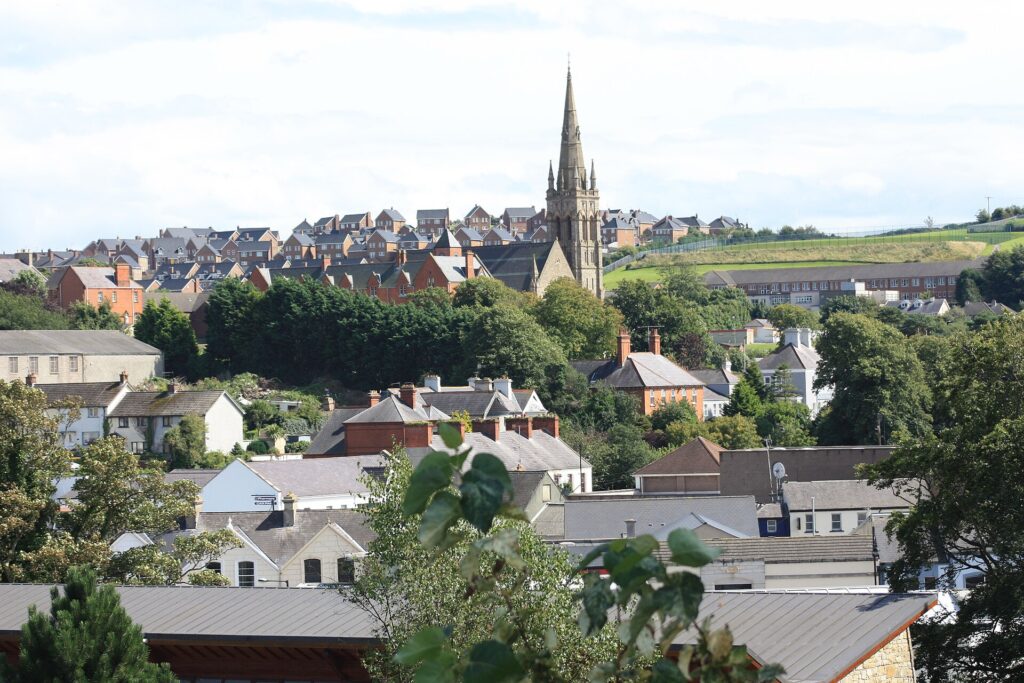
Downpatrick St. Patrick’s Day Parade
Celebrate St. Patrick’s Day in a town inseparably connected to the man himself. Marching through Downpatrick brings together music, local tradition, community celebration, and centuries of Irish history in a way that feels completely different from the massive Dublin spectacle. This one is more intimate, more rooted, and deeply connected to the story behind the holiday.
Clinics & Workshops

Royal Irish Academy of Music Band Clinic
Walk into one of Ireland’s great music institutions and put the ensemble under a truly sophisticated set of ears. The focus can move beyond fixing notes into the choices that give a band maturity: color, architecture, phrasing, balance, restraint, and knowing when a musical line needs more courage. For students ready to be treated like serious musicians, RIAM raises the conversation immediately.

TU Dublin Conservatoire Band Clinic
Bring the repertoire you thought you knew. A session at TU Dublin can pull apart familiar music from an entirely new angle, asking players to reconsider how sections connect, how sound travels through the ensemble, and how much responsibility each chair carries for the finished product. It is a Dublin rehearsal with a distinctly collegiate edge and plenty of room for discovery.
MTU Cork School of Music Band Clinic
Cork has personality, and this clinic should too. Let MTU musicians dig into the band’s sound, rhythmic character, articulation, and stylistic confidence, whether the repertoire leans symphonic, contemporary, or jazz-influenced. The goal is not simply cleaner playing. It is helping the ensemble sound more alive.

University of Limerick Irish World Academy Workshop
Leave the traditional band-room rules at the door for a while. At the Irish World Academy, rhythm, movement, listening, oral tradition, and Irish musical language can push students into ways of learning that do not begin with a printed part on a stand. It is the kind of session that expands what young musicians think “musicianship” even means.
Irish Institute of Music & Song Workshop
Spend part of the day in a place where music is the whole point. The Irish Institute of Music & Song gives the ensemble room to explore through instrumental coaching, rhythm, collaborative work, or an Irish musical experience shaped around the group. Being surrounded by rehearsal rooms, teachers, performers, and a concert hall makes the entire visit feel like stepping into a community built for musicians.
National Concert Hall Music Workshop
Shake up the instrumentation. A workshop at Ireland’s National Concert Hall can take students into percussion, samba, gamelan, or another hands-on musical world that asks them to listen and respond in completely different ways. Flutes may find themselves thinking like percussionists, brass players may have to communicate without their usual musical vocabulary, and everybody gets reminded that great ensemble skills travel well beyond concert-band repertoire.

Killarney School of Music: Tin Whistle & Bodhrán Workshop
Hand the students two instruments that immediately sound like Ireland and let them get to work. Tin whistle puts the melody in their fingers while the bodhrán teaches them how Irish rhythm breathes underneath it. By the end, they are not just hearing traditional Irish music differently. They have actually made some themselves.

Irish Youth Wind Ensemble Exchange
Put your musicians beside some of Ireland’s strongest young wind, brass, and percussion players and watch what happens. The ages are similar, the instruments are familiar, and suddenly students are comparing sound, rehearsal habits, musical backgrounds, and what band means in two different countries. Peer-to-peer inspiration can be wonderfully powerful because nobody on either side feels impossibly far away.

Irish School Band Exchange
For a few hours, stop being visitors and become somebody else’s bandmates. Rehearse together, trade performances, meet the students behind the instruments, and discover what music class, school life, and ensemble culture look like in Ireland. The music breaks the ice almost instantly, and the conversations that follow are often where the international part of the trip becomes truly personal.
Beyond the Stage
Music may be the heartbeat of an Ireland tour, but the country has a way of reaching students far beyond the stage. Ancient ruins, wild coastlines, centuries-old traditions, and landscapes that seem almost unreal create moments that can stay with them long after the instruments are packed away. For many students, this will be more than a great trip. It can be the kind of experience that changes the way they see the world, and one they will remember for the rest of their lives.
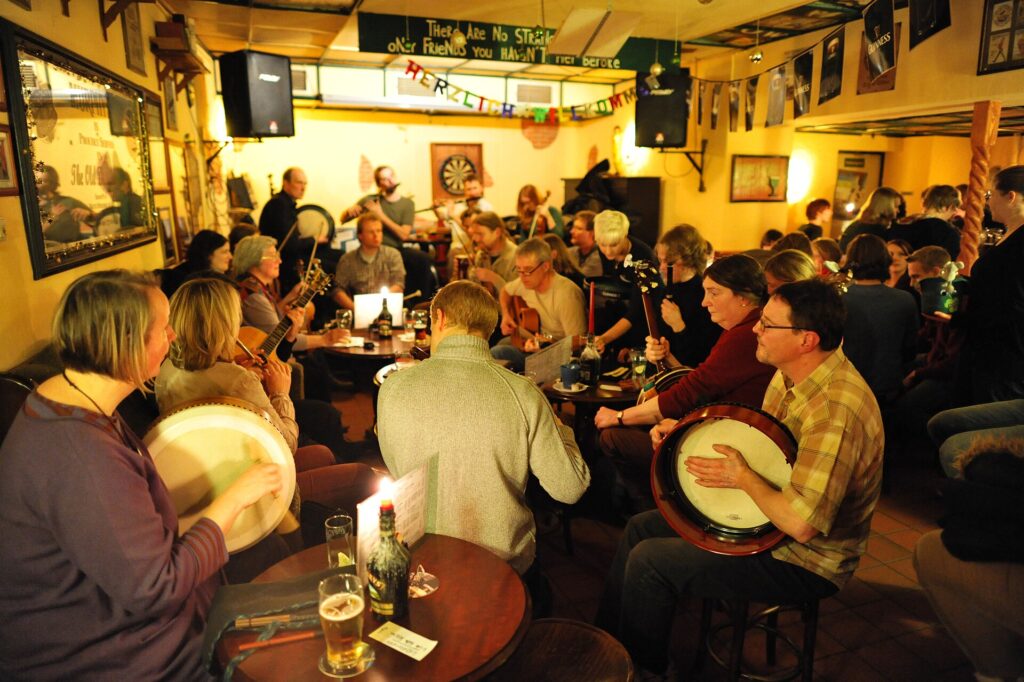
Traditional Irish Music Session
Settle into a pub where the music is close enough to feel. Fiddles, whistles, bodhráns, guitars, and voices pass tunes around the room with almost no separation between performer and audience. Students get to hear Irish traditional music in the setting where it has lived for generations: social, spontaneous, and completely woven into everyday life.
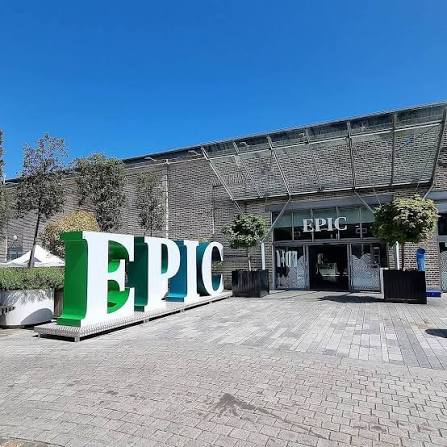
EPIC The Irish Emigration Museum
Follow the stories of the millions of Irish people who left home and changed communities around the world. Music, politics, science, sport, literature, and culture all become part of the story, with interactive exhibits that make the experience feel far more alive than a traditional museum visit. For American students especially, some of the connections hit surprisingly close to home.
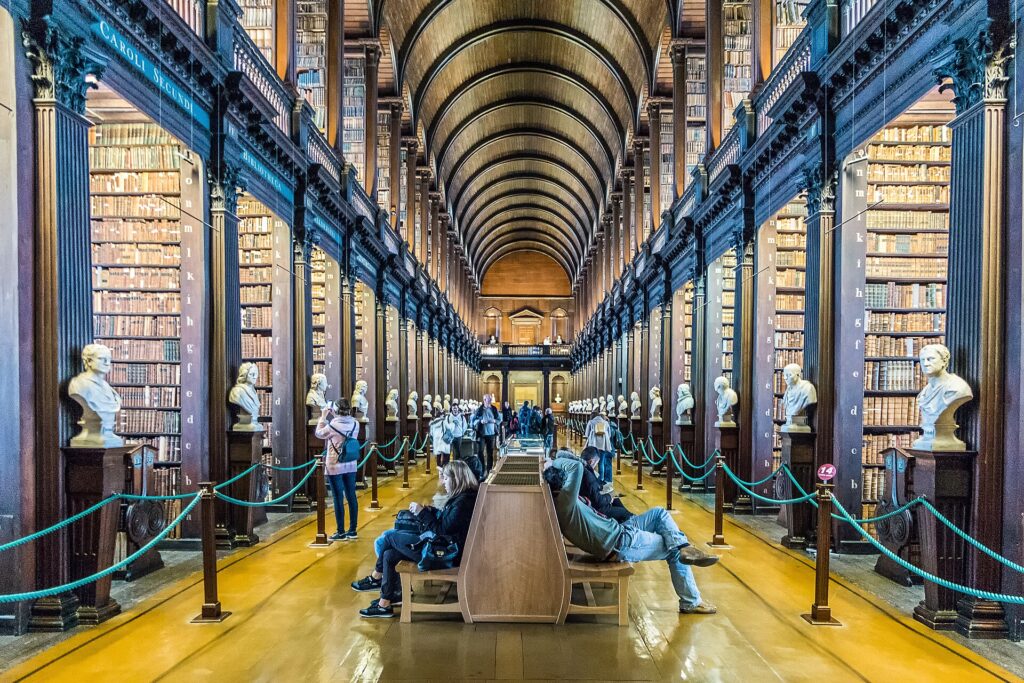
Trinity College & The Book of Kells
Walk through the historic campus of Trinity College before seeing one of the world’s most extraordinary medieval manuscripts. The Book of Kells brings students face-to-face with craftsmanship created more than a thousand years ago, while the Old Library and college grounds make the entire visit feel steeped in Ireland’s intellectual history.
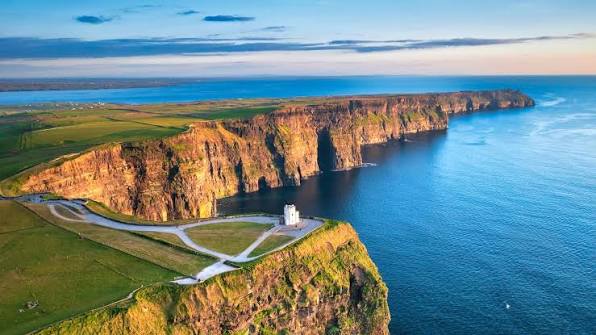
Cliffs of Moher
Stand above the Atlantic on cliffs rising hundreds of feet from the sea and suddenly understand why Irish landscapes have inspired so much music, poetry, and storytelling. Wind, waves, green fields, and seemingly endless ocean views make this one of those rare attractions where the setting does nearly all the talking.
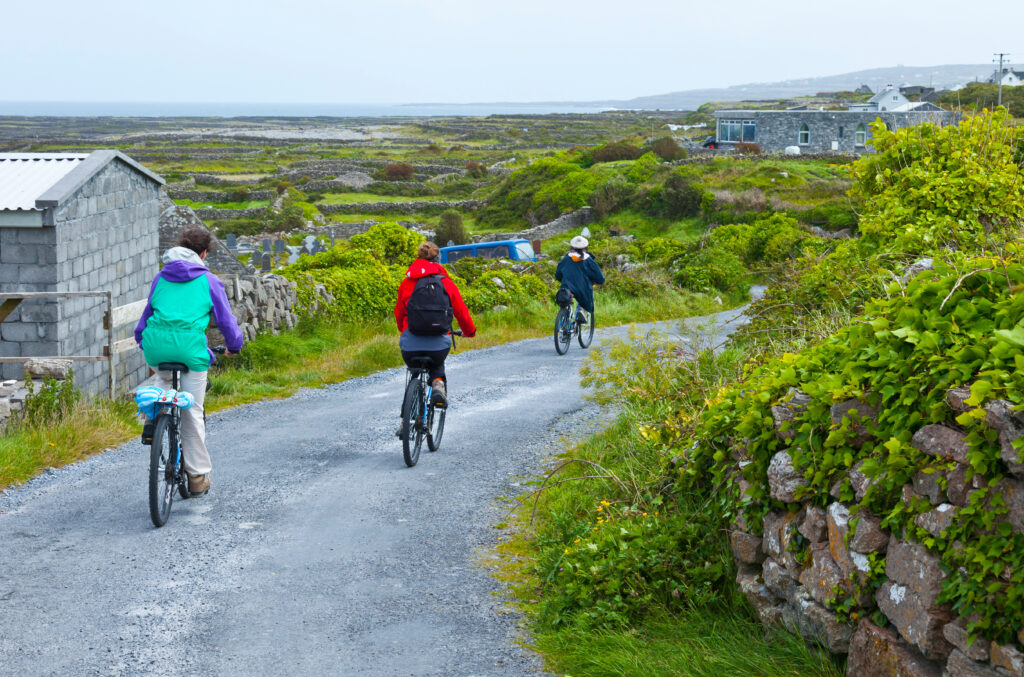
Inis Mór, Aran Islands by Bicycle
Take the ferry across Galway Bay, grab a bike, and explore an island of stone walls, tiny roads, beaches, ancient ruins, and enormous Atlantic views. Ride toward Dún Aonghasa, stop wherever something catches your eye, and give students the freedom to experience a corner of Ireland that feels wonderfully far removed from city life.
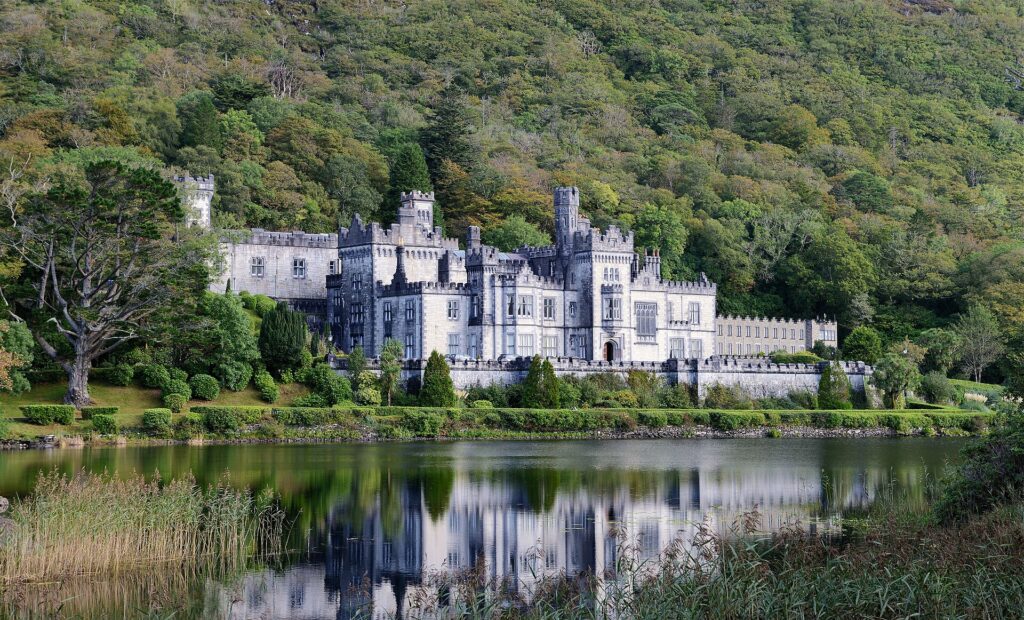
Kylemore Abbey & Connemara
Connemara feels almost cinematic: mountains, lakes, bogland, sheep-dotted hills, and winding roads stretching through western Ireland. Then Kylemore Abbey appears beside the water like somebody placed a castle into the scenery just to make the view more dramatic. The journey and the destination are equally spectacular.
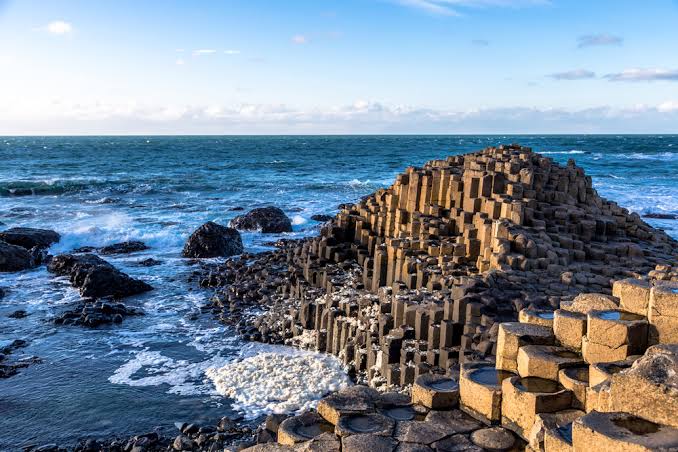
Giant’s Causeway
Thousands of perfectly shaped basalt columns spill toward the North Atlantic in a landscape that barely looks natural. Geology explains how they formed. Irish legend gives the credit to a giant named Fionn mac Cumhaill. Students can climb among the stones, hear both stories, and decide which version is more fun.
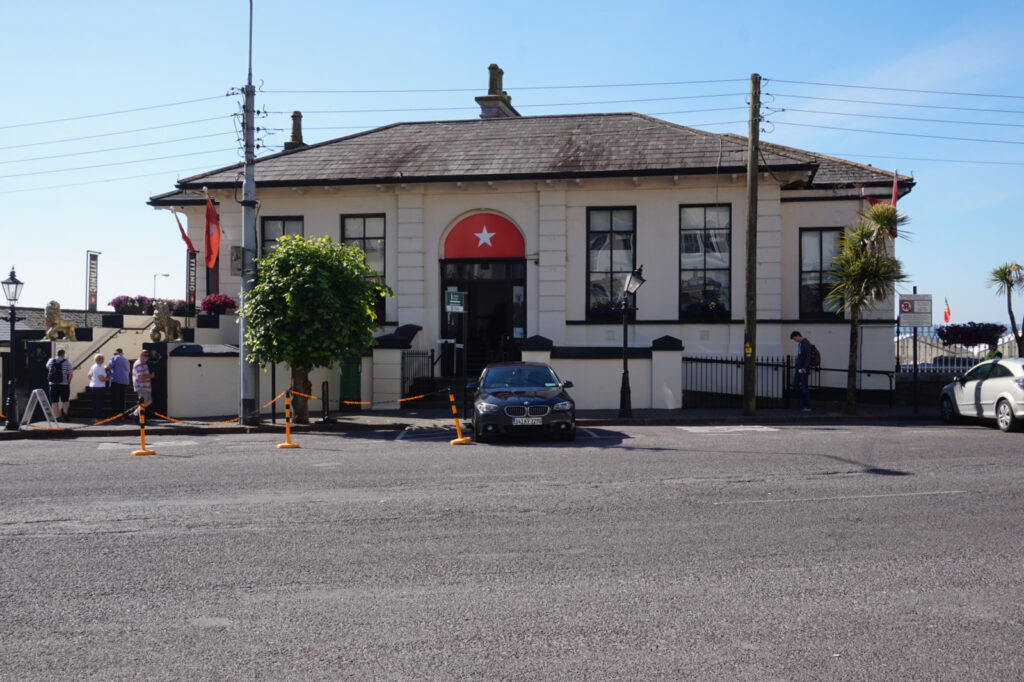
Titanic Experience Cobh
Cobh was Titanic’s final port of call before she crossed the Atlantic. The experience follows real passengers who boarded there, giving students individual stories to connect with rather than treating Titanic as one enormous historical event. Walking through the same town they departed from makes the history suddenly feel very close.
Bunratty Castle & Folk Park
Climb through a medieval castle, then step outside into an entire recreated Irish village. Cottages, farmhouses, shops, schools, traditional trades, and period settings give students a chance to see how people actually lived rather than simply reading about it. Bunratty turns centuries of Irish history into something they can wander through.
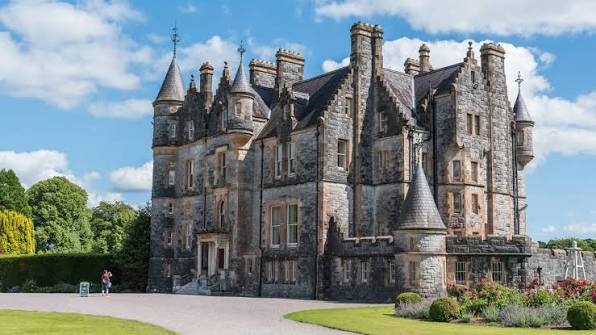
Blarney Castle & Gardens
Yes, somebody is kissing the Blarney Stone. Probably everybody. Climb the twisting staircases of the castle, lean backward over the battlements in pursuit of legendary eloquence, and then explore gardens filled with waterfalls, caves, strange plants, and hidden corners. It is history with just enough weirdness to keep teenagers fully invested.
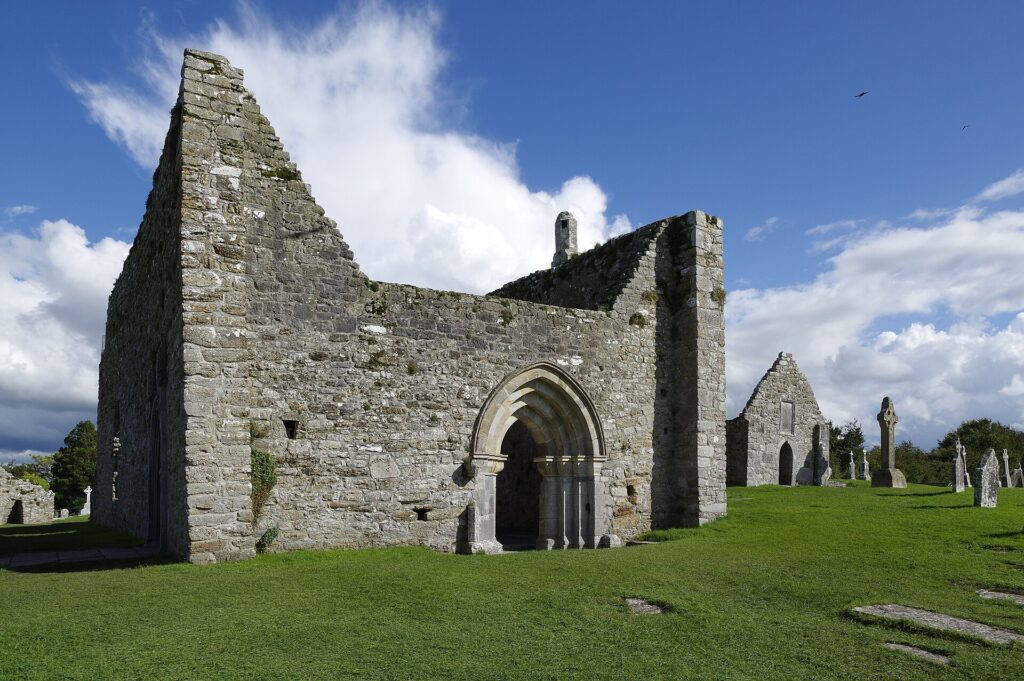
Clonmacnoise
Ancient stone churches, round towers, weathered high crosses, and more than a thousand years of history sit quietly beside the River Shannon. The ruins stretch across open ground in a setting that feels almost untouched by the modern world. After the noise and movement of Ireland’s cities, the stillness of Clonmacnoise can be surprisingly powerful.
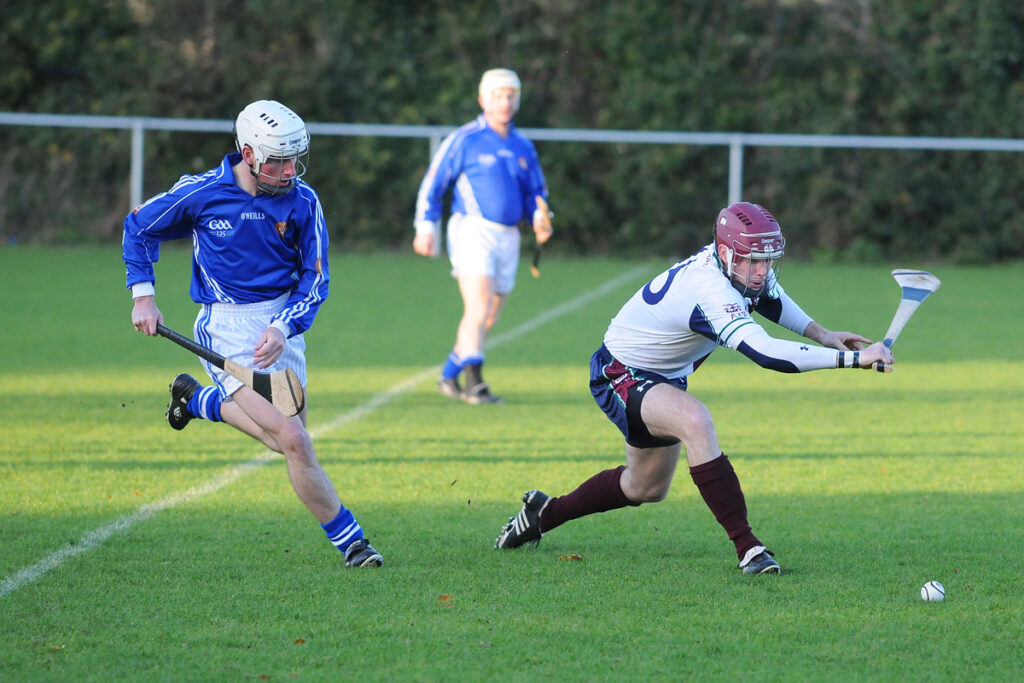
Gaelic Games Experience
Hand students a hurley and see how confident everybody feels about five minutes later. Learn the basics of hurling and Gaelic football, then put the group onto the field to try them for themselves. It is active, competitive, occasionally chaotic, and one of the quickest ways to experience a piece of Irish culture by actually doing it.
Ways to Shape the Trip

Paint the Town Green
Make St. Patrick’s Day the centerpiece and let the band experience Ireland at full volume. March through streets packed with music, color, flags, and generations of tradition, then spend the rest of the journey exploring the castles, coastlines, ancient sites, and stories behind the celebration itself. This is Ireland at its most joyful, proud, and unmistakably alive.

Concert Halls, Castles & Clinics
Build the trip around concert performance, serious musical growth, and places students could never experience at home. Pair conservatory clinics and formal concert settings with performances framed by medieval castles, historic towns, and centuries of Irish heritage. The result is a tour where great music and extraordinary surroundings constantly elevate one another.

Go for the Gold
Give the band a goal worth crossing an ocean for. The Limerick International Band Championship brings ensembles together from Ireland and abroad for real competition, showmanship, musicianship, and the thrill of representing your school on an international stage. Then turn the competition trip into something much bigger, surrounding that moment with ancient ruins, wild Atlantic scenery, traditional music, and the culture that makes performing in Ireland feel entirely different from competing anywhere else.

Bandmates Across the Atlantic
Use music to get beyond sightseeing and into the life of the country itself. Rehearse with Irish students, share a concert, compare traditions, and discover how quickly musicians from different backgrounds can find common ground once the first notes are played. Add Ireland’s history, local communities, traditional music, and ancient landscapes, and the trip becomes as much about connection and cultural understanding as it is about band.

Ready to Bring Your Band to Ireland?
Take the band overseas for parades, clinics, traditional music, castles, coastlines, and an Ireland experience worthy of the work it took to get there.
Availability note: Performance opportunities, clinics, workshops, festivals, parades, and special events vary by destination and are subject to availability, eligibility, ensemble size, season, technical requirements, and final approval.
Photo credits: Temple Bar, Dublin by Jo and Steve Turner (CC BY-SA 2.0); Dublin St. Patrick’s Festival Parade by William Murphy (CC BY-SA 2.0); Cork St. Patrick’s Day Parade by Oncewerecolours (CC BY-SA 4.0); Bunratty Castle & Folk Park Performance by DXR (CC BY-SA 4.0); Eyre Square Performance, Galway by Sharon Hahn Darlin (CC BY 2.0); St. Stephen’s Green Bandstand, Dublin by William Murphy from Dublin, Ireland (CC BY-SA 2.0); Royal Irish Academy of Music – Whyte Recital Hall by DubhEire (CC0); Cobh Promenade Bandstand by Marathon (CC BY-SA 2.0); Irish Institute of Music & Song – The Lark Concert Hall by Rich Tea (CC BY-SA 2.0); Rock of Cashel Performance by Berthold Werner (CC BY-SA 4.0); Downpatrick St. Patrick’s Day Parade by Ardfern (CC BY-SA 3.0); Trinity College & The Book of Kells by Beyourbest2 (CC BY-SA 4.0); Kylemore Abbey & Connemara by Alvesgaspar (CC BY-SA 4.0); Titanic Experience Cobh by Ian S (CC BY-SA 2.0); Clonmacnoise by Berthold Werner (CC BY-SA 4.0); Gaelic Games Experience by Irish Defence Forces (CC BY 2.0); Traditional Irish Music Session by Hinnerk R (Hinnerk Rümenapf) (CC BY-SA 3.0). Via Wikimedia Commons.