
Band Travel: Washington, DC
Patriotic Parades
Why Washington, DC for Bands?
Honor. Service. Remembrance. Those ideas are woven into the musical life of Washington, DC, and they give performances here a different kind of meaning. Whether students are marching in a national parade, performing near a memorial, or presenting music tied to American history, the setting adds weight to the moment and gives the ensemble a powerful reason to play.
The city also places young musicians close to some of the country’s finest professional and military ensembles. Clinics, masterclasses, military-band experiences, and major performance opportunities expose students to extraordinary precision, discipline, and artistry. In Washington, DC, band students do more than perform. They see how music can serve, commemorate, and bring people together.
Performance Possibilities
National Cherry Blossom Festival Parade
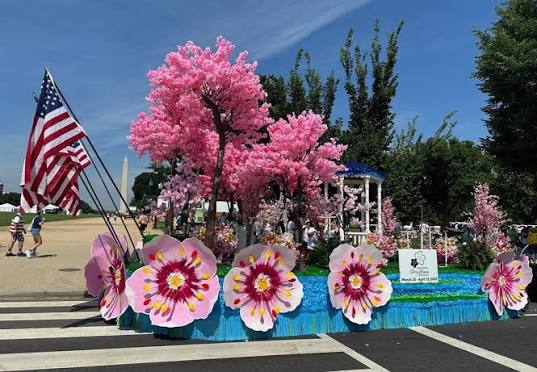
Pink blossoms overhead, Constitution Avenue packed with spectators, television cameras, floats, balloons, and your band coming straight through the middle of it. This is one of those invitations that carries bragging rights. The selection process is serious, the field is national, and getting your students into the lineup means they have earned their place in one of Washington’s signature spring celebrations.
National Independence Day Parade
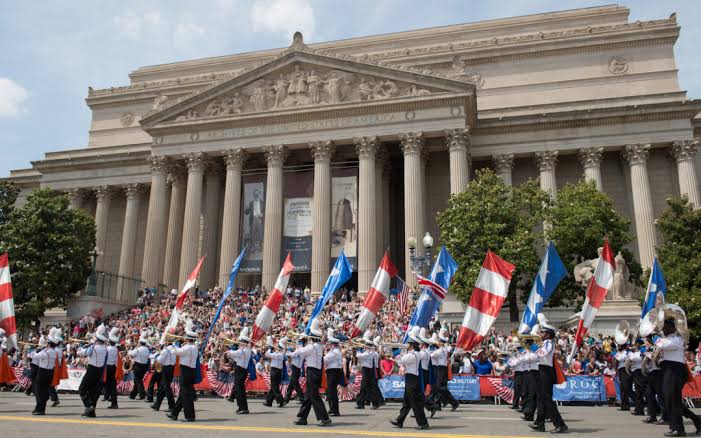
July Fourth. Washington, DC. Marching past the monuments while the capital celebrates the country’s birthday. You really do not need to manufacture excitement around that. Put the uniforms on, bring the patriotic book, and give students the chance to experience what marching music was made for.
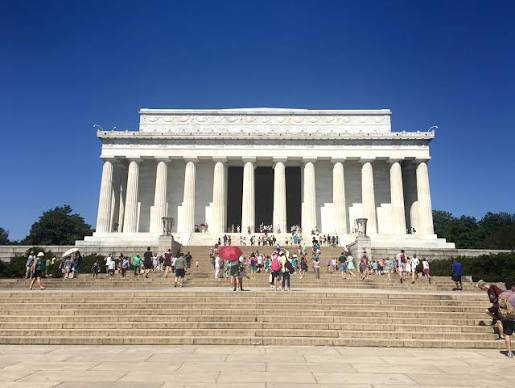
Lincoln Memorial Reflecting Pool Steps
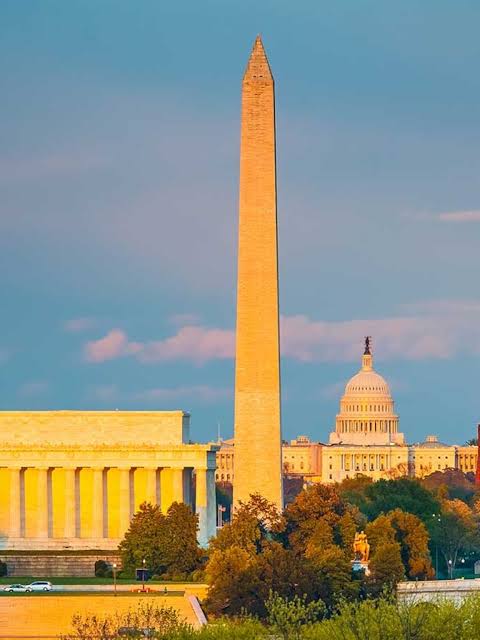
Some pieces hit differently when Lincoln is behind you and the Washington Monument is staring back across the Reflecting Pool. This is the place for music with something to say. A hymn, march, patriotic work, or piece of remembrance can suddenly become much more than repertoire students have rehearsed a hundred times.
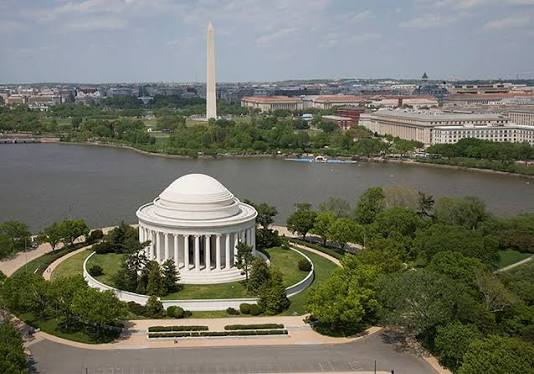
Jefferson Memorial
The Tidal Basin changes the mood immediately. The columns, water, open sky, and quiet dignity of the Jefferson Memorial create a setting made for beautiful playing rather than sheer volume. Give the band something lyrical and let the surroundings do what rehearsal-room walls never could.
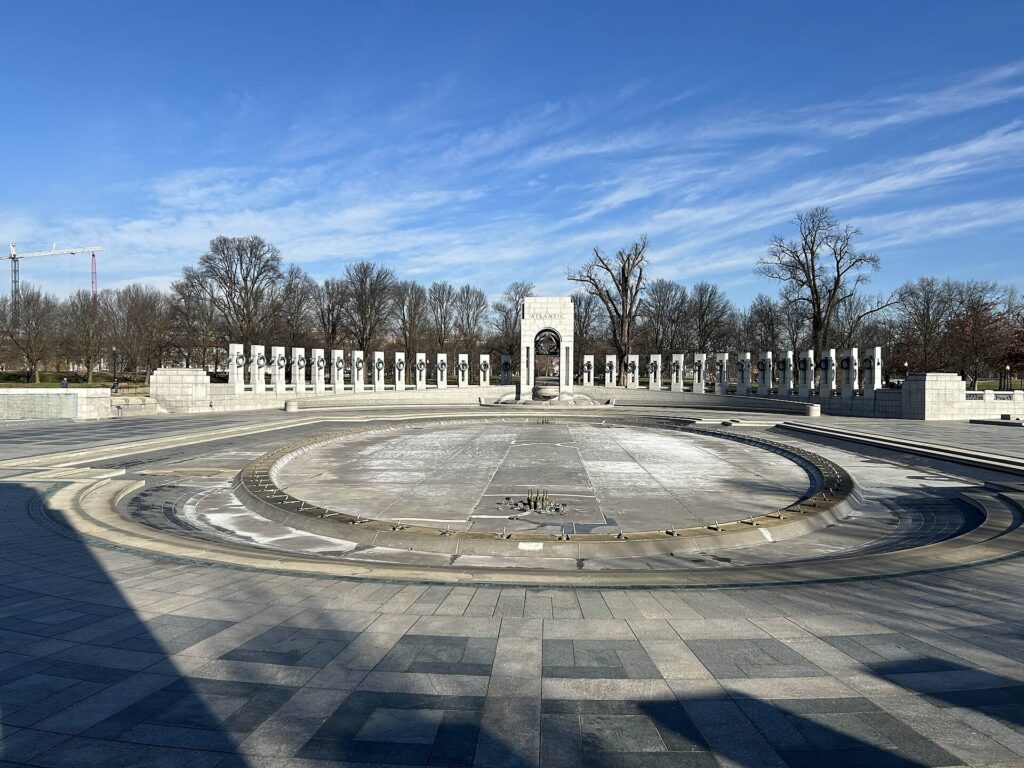
World War II Memorial
Here, the audience includes names carved into stone, gold stars representing lives lost, veterans walking through the memorial, and families remembering people they loved. Music does not feel decorative here. A band has the opportunity to contribute something respectful and deeply human to a place built around memory and sacrifice.
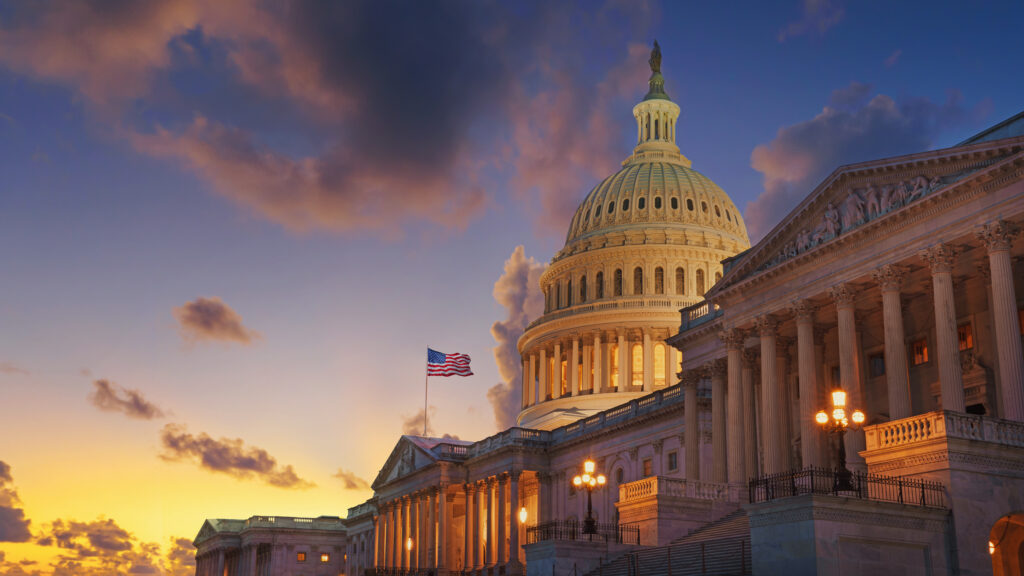
U.S. Capitol Grounds
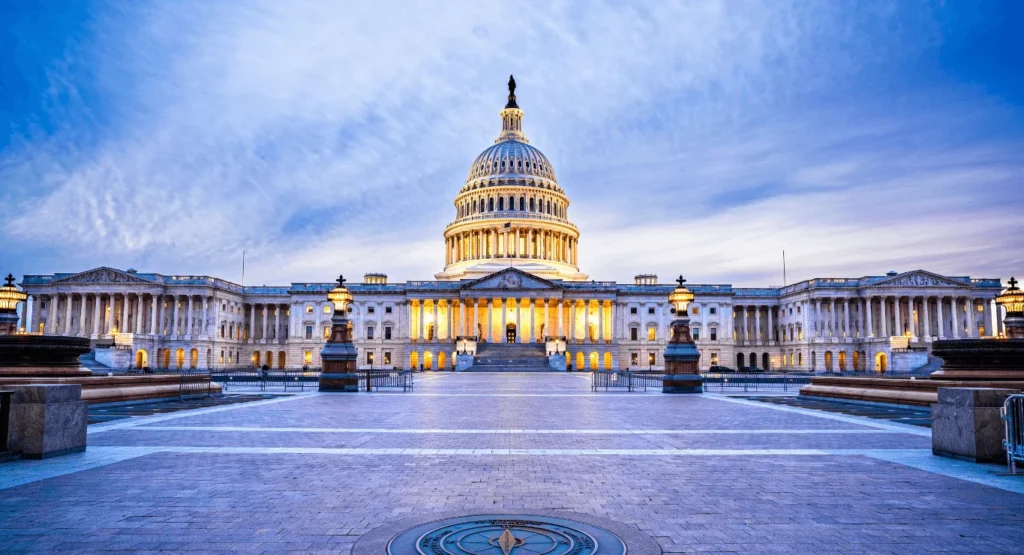
This is the photograph parents frame. Your ensemble, instruments up, with the dome of the United States Capitol filling the background. But the real thrill is hearing student musicians add their own sound to a place that has hosted ceremonies, protests, celebrations, inaugurations, and generations of American history.
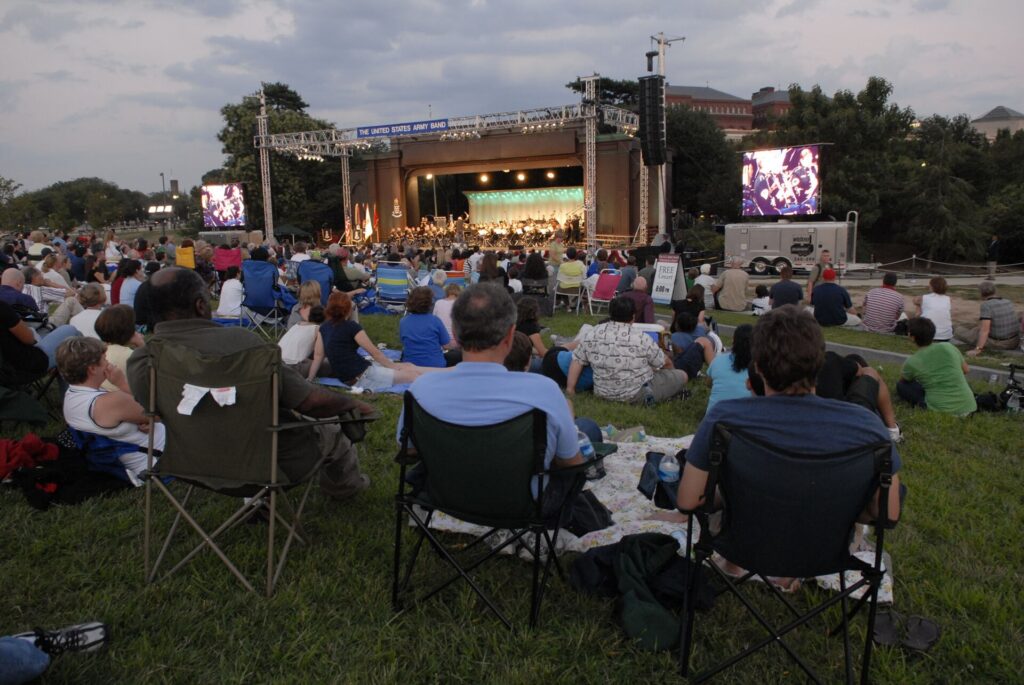
Sylvan Theater at the Washington Monument
Finally, a place where a big band can be a big band. Sylvan Theater gives the ensemble room to open up outdoors while the Washington Monument rises almost impossibly high beside the stage. Bring the repertoire with some horsepower. This setting can take it.
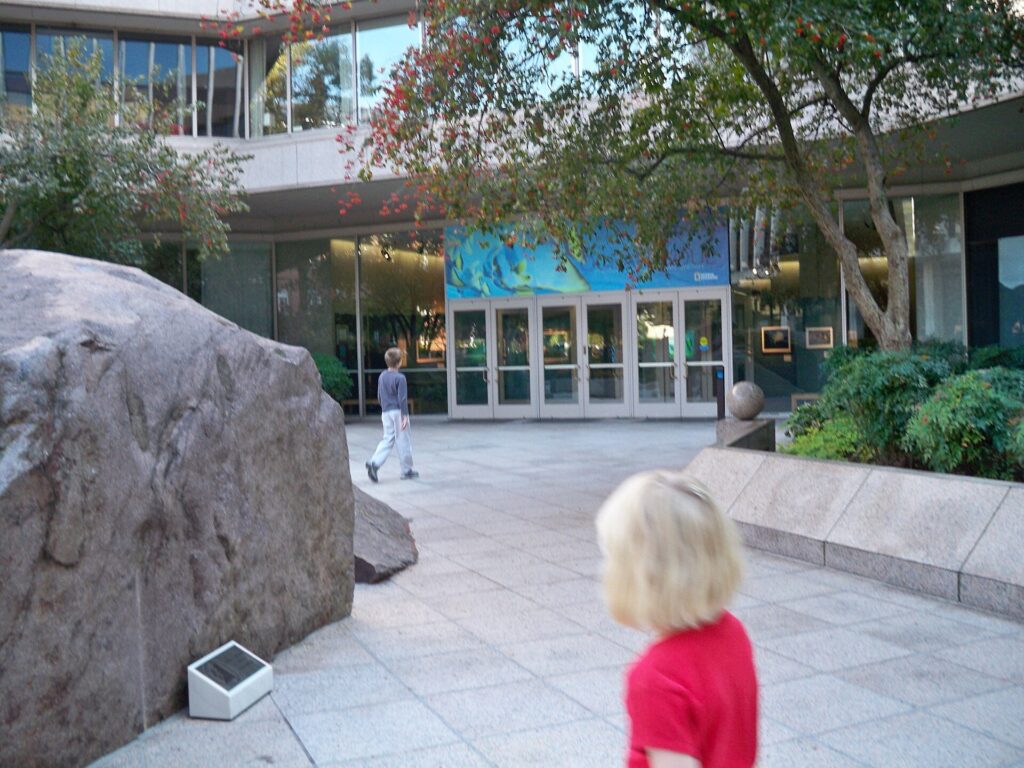
National Geographic Museum of Exploration
A brand-new Washington experience deserves something fresh from the band too. Surrounded by National Geographic’s world of exploration, photography, science, cultures, and storytelling, students get a performance setting that looks forward instead of backward. It is modern DC, curious about the entire planet and ready for young musicians to add some sound to the picture.
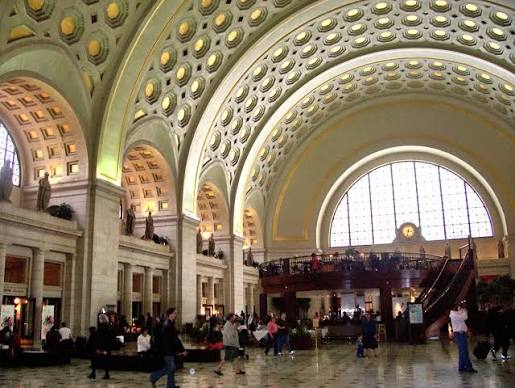
Union Station
Forget the quiet concert-hall entrance. Trains are arriving, travelers are crossing the concourse, conversations are bouncing through the building, and then a band starts playing. Union Station gives students the fun challenge of winning over people who did not arrive expecting a concert. Watch how quickly luggage stops rolling.
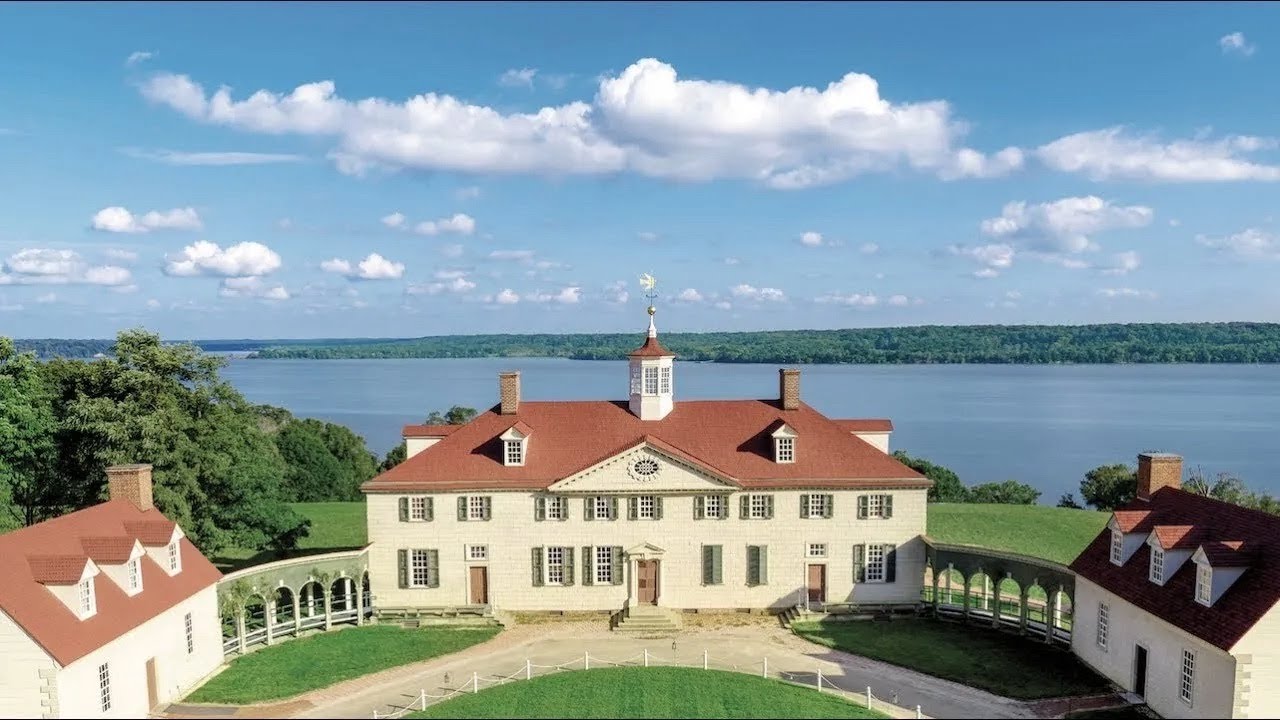
Mount Vernon
George Washington’s home makes patriotism feel less like a chapter heading and more like an actual place. Looking across the Potomac from the estate, students are standing in the landscape where the country’s earliest history unfolded. Add music, and suddenly the visit has its own ceremony.
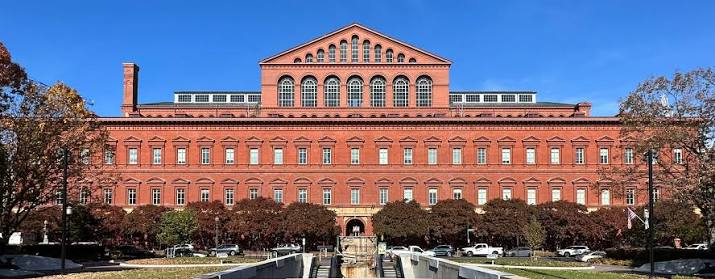
National Building Museum
The Great Hall is gloriously oversized. Eight colossal Corinthian columns rise through the room, the ceiling seems miles away, and your band gets to fill all of that architecture with sound. If you have ever wanted students to understand what a room can do to their music, this one makes the point rather dramatically.
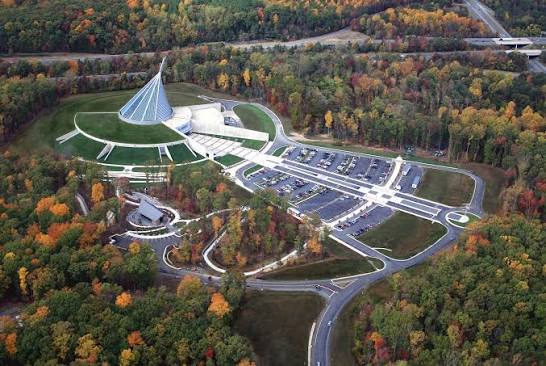
National Museum of the Marine Corps
Take the band onto the museum’s parade grounds, the same kind of ceremonial space where Marine musicians bring precision, tradition, and pageantry to life. With the museum’s dramatic glass spire rising nearby and the story of the Marine Corps surrounding the experience, students are performing in a place where band music has real purpose. For the right ensemble, this can feel less like another concert and more like stepping into a living tradition of honor, service, and musical excellence.
Clinics & Workshops

“The President’s Own” Marine Band Clinic
There is precision, and then there is Marine Band precision. Put your ensemble in front of musicians whose standard is excellence at the highest ceremonial and concert level, and details students may have overlooked suddenly matter: attacks, releases, balance, intonation, clarity, and the discipline required to make an entire ensemble move as one. For a band ready to be challenged, this is serious musical fuel.

“The President’s Own” Musician Q&A
What does it actually take to earn a chair in one of the most elite musical organizations in the country? Let students ask. Conversations with Marine Band musicians can range from auditions and practice habits to performance pressure, music careers, life in Washington, and playing for presidents and national events. This is especially powerful for students beginning to wonder where music might take them after high school.

U.S. Air Force Band AIM Clinic
AIM opens the door to much more than a traditional rehearsal. Students can explore ensemble playing, individual musicianship, conducting, section work, and the professional world of military music with members of the U.S. Air Force Band. The experience can stretch in different directions depending on the ensemble, making it a terrific choice for directors who want something active, flexible, and built around musical growth.
U.S. Navy Band Clinic
The Navy’s musical tradition stretches from concert halls to ceremonies seen around the world. Working with Navy musicians lets students encounter the versatility required of professionals who may move between symphonic playing, ceremonial repertoire, chamber music, jazz, and other styles throughout their careers. It is a compelling reminder that being an excellent band musician means being ready for more than one kind of stage.
“Pershing’s Own” Army Band Masterclass
Give individual sections or musicians time with players from one of the U.S. Army’s premier musical organizations. A masterclass brings the focus down to the instrument itself: sound production, technique, preparation, musical style, and the small adjustments that can unlock a much bigger result. For serious young players, having an elite professional speak directly to the challenges of their instrument can be enormously motivating.

“Pershing’s Own” Rehearsal Experience
Sometimes the most revealing lesson happens before the concert ever begins. Watch “Pershing’s Own” work from the inside and see how professional musicians rehearse when the expectation is that every detail matters. Students can observe the pace, listening, conductor communication, corrections, and concentration behind a polished military ensemble, then talk with the musicians about what they just witnessed.

George Mason University Band Clinic
Bring your own music and give it a collegiate reset. George Mason faculty can challenge students to reconsider familiar passages, make more intentional musical choices, and hear the ensemble beyond their own individual parts. It is also a chance for students to experience the atmosphere of university music-making and picture themselves continuing to perform after graduation.
Capital Wind Workshop: Practice with the Pros
Do not put the professionals in front of the band. Put them inside it. Capital Wind Symphony musicians sit side-by-side with students, so stronger tone, articulation, style, and ensemble awareness are suddenly coming from the chair next door. Students can hear and feel the difference in real time, making this one of the most immediate and hands-on ways to raise the level of an ensemble.
A Day with Showtime! at Howard University
Now change the entire musical vocabulary. Step into the world of Howard University’s Showtime Marching Band and experience the power, movement, sound, and culture of the HBCU marching tradition from the inside. Students rehearse alongside Showtime musicians and discover an approach to marching performance built around precision, showmanship, energy, and unmistakable personality. For many bands, this could be the experience they talk about more than anything else in DC.
Beyond the Stage
Stand where history happened. Read the original words that founded a nation, watch the guard change at Arlington, step inside Ford’s Theatre, look up at the Capitol dome, and confront stories that still shape the country today. In DC, students do not just learn about history. They walk through it, question it, and come home understanding it in a much more human way.
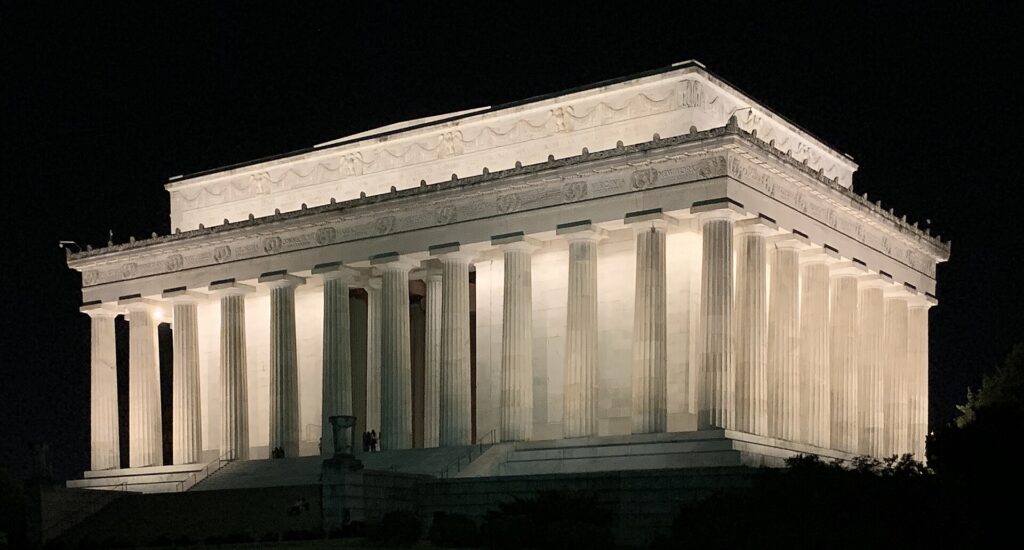
Monuments by Night
Washington changes after dark. The marble glows, the crowds thin, and places students may have seen a hundred times in photographs suddenly feel enormous and personal. Walk from Lincoln to Vietnam, Korea, and World War II with the city lit around you, and the Mall becomes less like a collection of landmarks and more like one long story about the country.
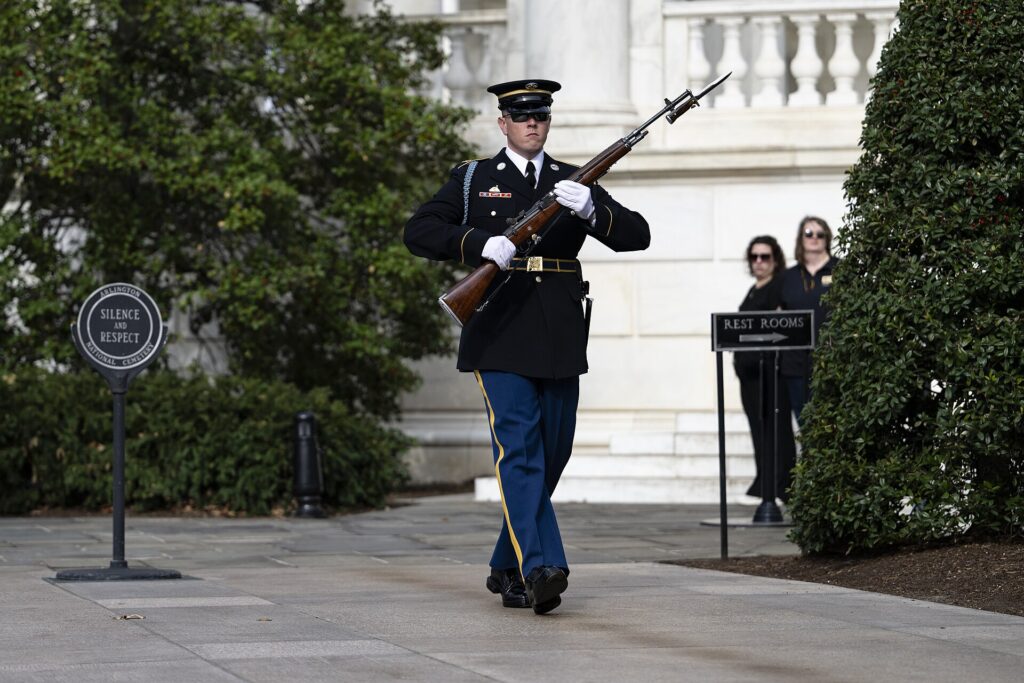
Arlington National Cemetery
There are places where a group naturally gets quieter. Arlington is one of them. Rows of white markers stretch farther than students expect, stories of service become real people, and the Changing of the Guard at the Tomb of the Unknown Soldier is precision with a purpose. For a band built around teamwork, discipline, and service to something larger than yourself, this one resonates.
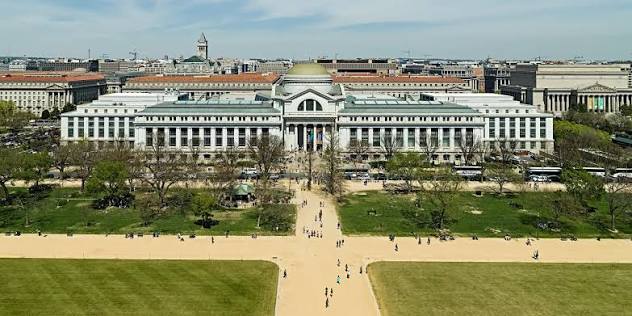
Smithsonian Museums
Pick your obsession. Dinosaurs, rockets, American history, art, aviation, African American history, Indigenous cultures, natural wonders, or something students did not know they cared about until they walked through the door. The Smithsonian turns the National Mall into one enormous choose-your-own-adventure, with some of the country’s most important collections sitting within walking distance of one another.
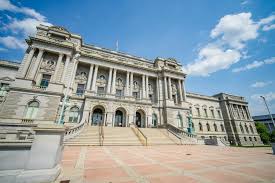
U.S. Capitol & Library of Congress
Start beneath the Capitol dome, then walk across to one of the most beautiful interiors in Washington. Students move from the rooms where national decisions are made into the Library of Congress, where art, architecture, books, maps, manuscripts, and American ideas fill the building. This is government, history, and culture without feeling like a civics worksheet.
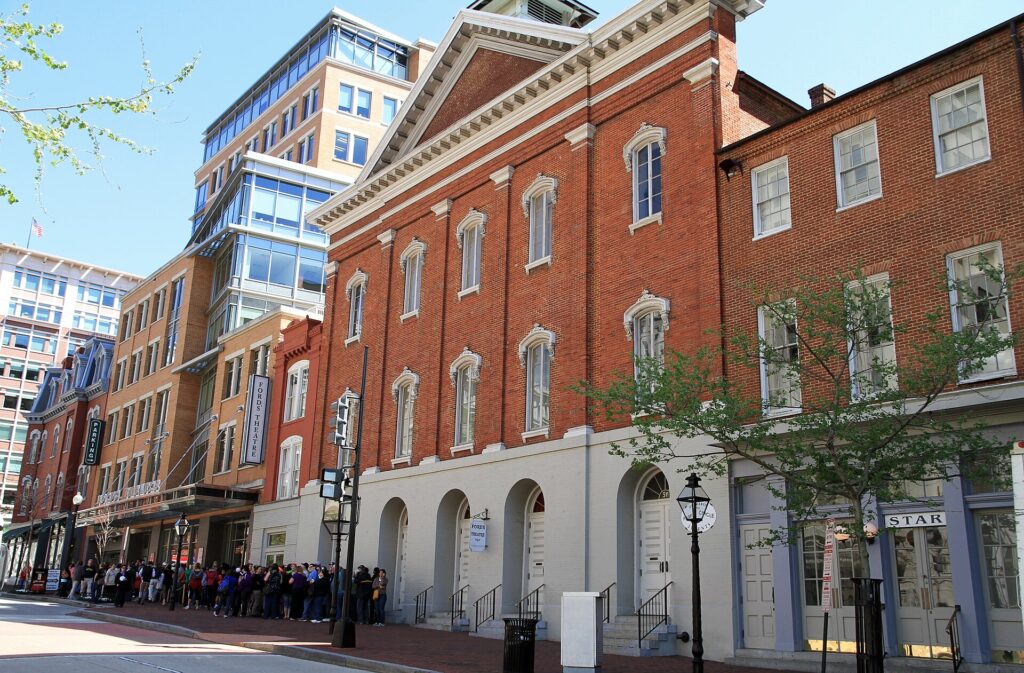
Ford’s Theatre
Students already know what happened here. Standing inside the actual theatre changes the story completely. The presidential box is right there, the stage is still in front of you, and the events of April 1865 stop feeling distant. Continue across the street to the Petersen House and the assassination of Abraham Lincoln becomes a sequence of real places rather than a paragraph in a textbook.
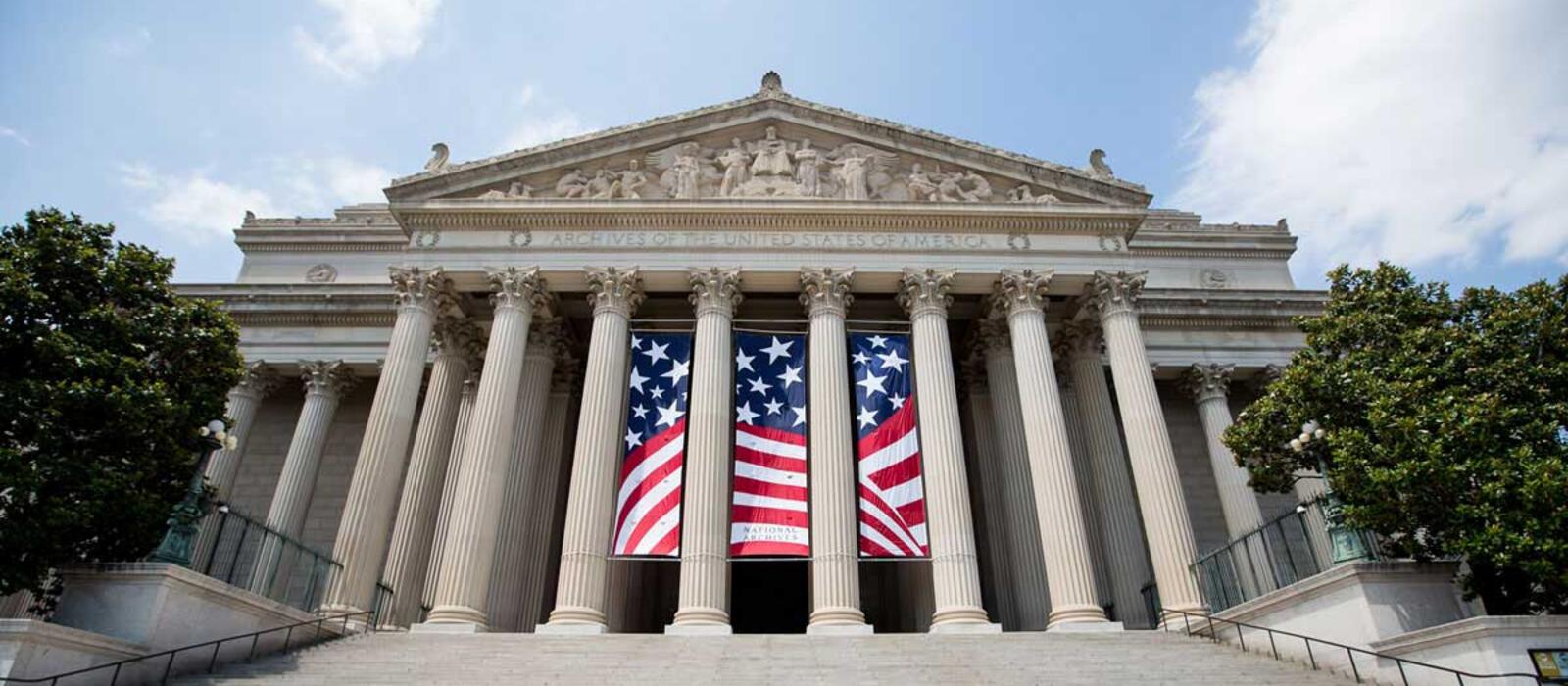
National Archives
There they are. Not copies. Not photos. The Declaration of Independence, Constitution, and Bill of Rights sit in front of students in the Rotunda. After years of hearing phrases like “We the People,” there is something remarkable about seeing the actual parchment that carried those words into history.
Mount Vernon
Leave the monuments behind and meet George Washington at home. Walk through the mansion, look across the Potomac from the piazza, explore the working estate, and see the spaces where Washington lived when he was not becoming a national symbol. It makes the first president feel considerably more human.
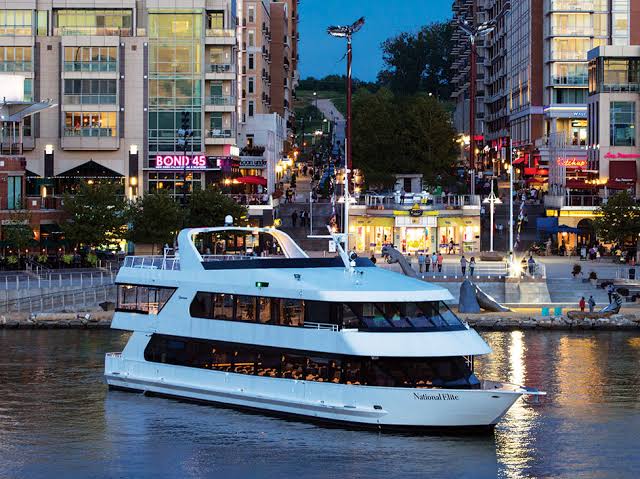
Potomac River Dinner or Sightseeing Cruise
Give everybody’s feet a break and let Washington come to you. From the Potomac, monuments and landmarks slide past from a completely different angle while the group eats, takes pictures, relaxes, or turns dinner into a celebration on the water. After several days of walking the capital, this tends to be very well received.
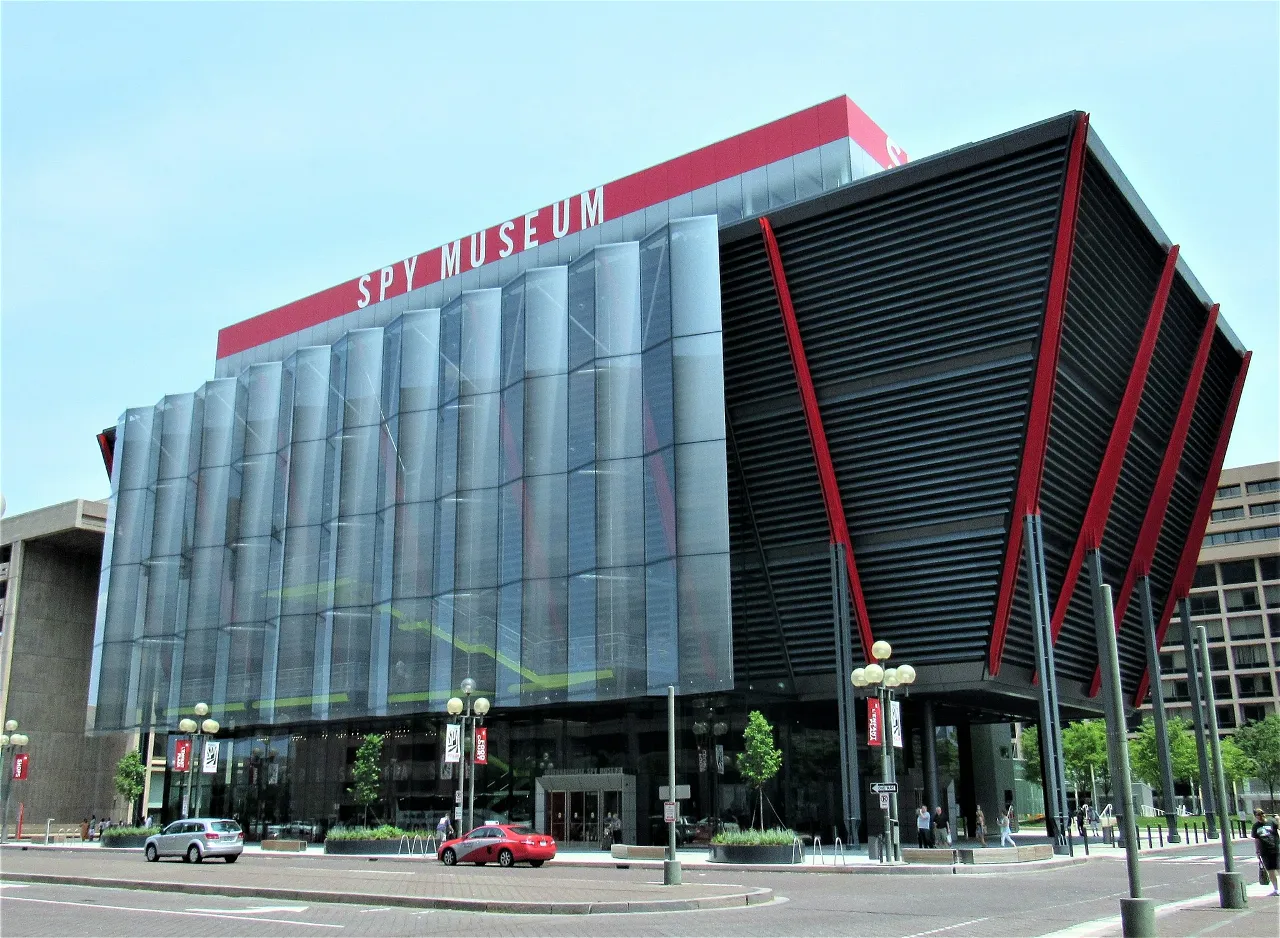
International Spy Museum
Here is your permission to stop being respectable for a couple of hours. Adopt a cover identity, test your spy skills, crack codes, examine real espionage gadgets, and discover how intelligence operations have influenced events around the world. Students are learning Cold War history and national security while trying very hard not to blow their cover.

Smithsonian’s National Zoo
Pandas have a remarkable ability to improve an itinerary. The National Zoo gives students time to roam, decompress, and encounter animals from around the world while still staying inside the Smithsonian family. Lions, elephants, gorillas, reptiles, and conservation stories make this an easy crowd-pleaser without feeling like filler.
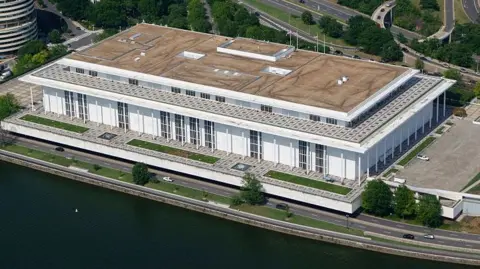
National Symphony Orchestra
Give band students an evening where they can simply sit back and hear what world-class ensemble playing sounds like. The National Symphony brings together extraordinary musicians, major conductors, and repertoire that can move from thunderous to barely audible in seconds. During its traveling seasons, the venue may change, but the opportunity does not: students get to hear one of the nation’s great orchestras at work.
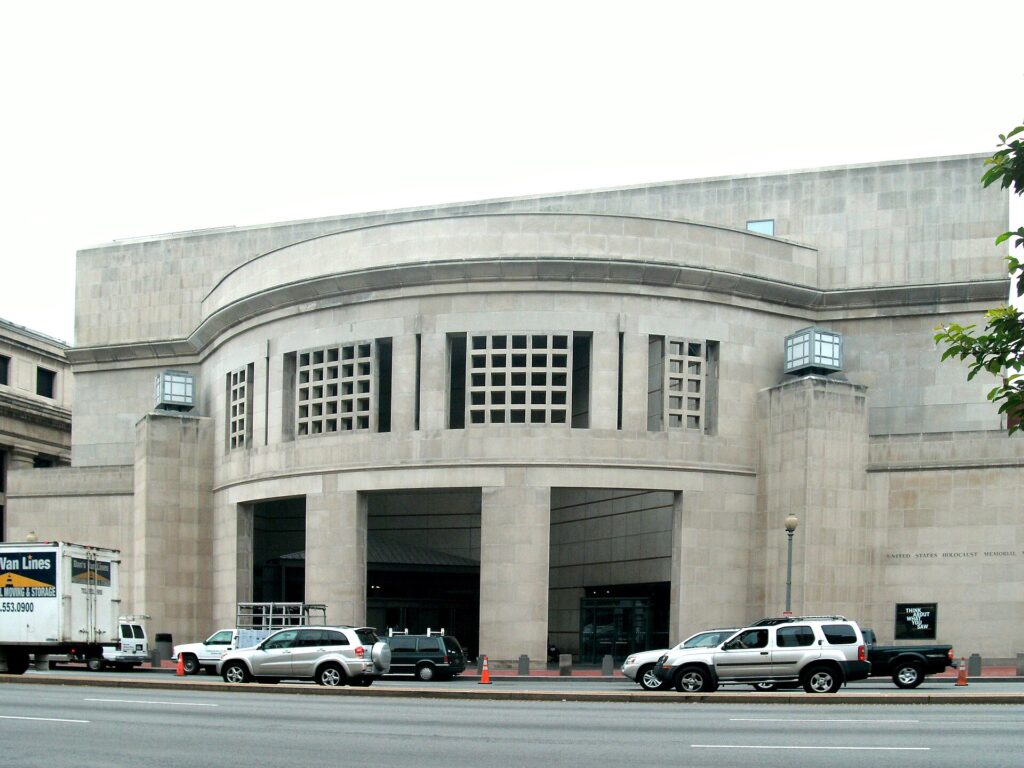
United States Holocaust Memorial Museum
This is not an attraction you “do.” It is an experience students carry with them. Personal stories, artifacts, photographs, testimony, and historical evidence confront the consequences of hatred and indifference with extraordinary clarity. In a city filled with monuments to national achievement, the Holocaust Museum asks visitors to wrestle with responsibility, human dignity, and what happens when societies fail to protect either.
Ways to Shape the Trip

Stars, Stripes & Step-Off
Make the marching band the headline. Build toward the National Cherry Blossom Festival Parade or National Independence Day Parade, add a performance at the Capitol or Washington Monument, and surround it with the monuments, museums, and patriotic traditions that make marching in DC feel bigger than just another parade.

Honor, Service & Sound
Center the trip on what band music can mean beyond the concert hall. Work with musicians from one of the premier military bands, perform at a memorial or the National Museum of the Marine Corps, visit Arlington National Cemetery, and let students experience firsthand how music is used to honor, remember, and serve.

From Sousa to Showtime
Explore just how wide the band world can be in one city. Move from the precision and tradition of “The President’s Own” to the energy of Howard University’s Showtime Band, add a side-by-side workshop or university clinic, and hear professional musicians at work. This is the trip for students who need to see that there is no single way to be a great band.

Marches, Monuments & Museums
Mix a meaningful performance and strong clinic with the full Washington experience. Walk the monuments after dark, visit Arlington, explore the Smithsonian, see the nation’s founding documents, and leave room for everything from spies to pandas. It gives students a little bit of everything without losing the band at the center of the trip.

Give Your Band a Performance Rooted in History and Service
Build a DC band trip with purpose – one where performance, history, service, and the shared experience of the capital reinforce one another.
Availability note: Performance opportunities, clinics, workshops, festivals, parades, and special events vary by destination and are subject to availability, eligibility, ensemble size, season, technical requirements, and final approval.
Photo credits: World War II Memorial by BrayLockBoy (CC BY-SA 4.0); Sylvan Theater at the Washington Monument by The United States Army Band (CC BY 2.0); National Geographic Museum of Exploration by Mary Mark Ockerbloom (CC BY-SA 4.0); Arlington National Cemetery by Arlington National Cemetery (Public domain); Ford’s Theatre by Ingfbruno (CC BY-SA 3.0); Smithsonian’s National Zoo by Rawpixel Ltd (CC BY 2.0); United States Holocaust Memorial Museum by AlbertHerring (CC BY 3.0); Monuments by Night by APK (CC BY-SA 4.0). Via Wikimedia Commons.