
Choir Travel: Hawaii
Hā: Breath Becomes Song
Why Hawaii for Choirs?
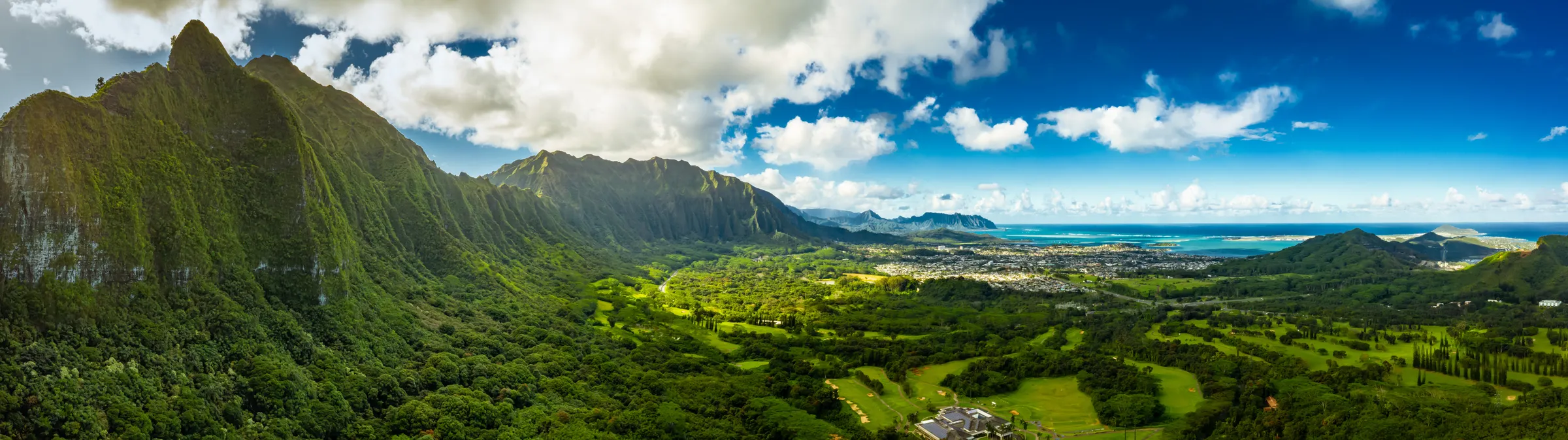
Every choir begins with breath. In Hawaii, hā, or breath, carries meaning far beyond vocal technique. It is tied to life, presence, and connection, making the islands an unusually powerful place for singers to think about what it means to create sound together.
Hawaii asks students to listen differently. To the people around them. To the stories held in a place. To the way music can carry identity and memory across generations. For a choir, that creates something deeper than a destination performance. It is a chance to breathe together, sing with greater intention, and come home with a stronger sense of what it means to make music as one.
Performance Possibilities
Pearl Harbor
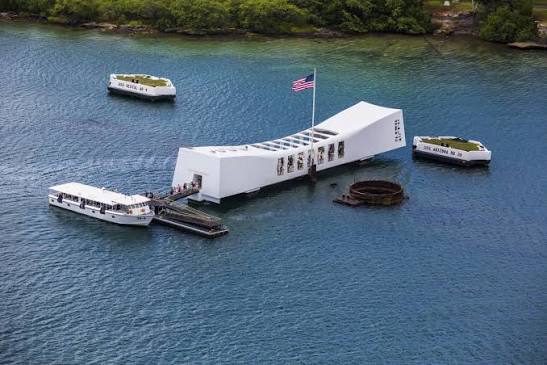
A choir performance at Pearl Harbor carries meaning before the first note is sung. With carefully chosen repertoire, students can offer music as remembrance in the very place where the events of December 7, 1941 unfolded. It is a performance shaped as much by silence, reflection, and responsibility as by sound.
Kapiʻolani Park Bandstand
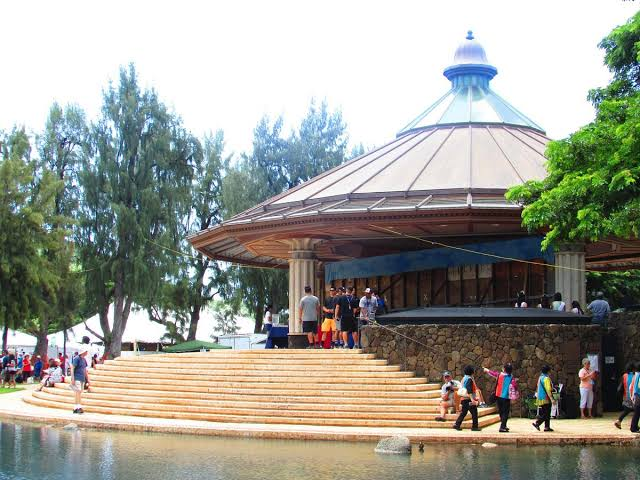
Sing outdoors beneath the palms with Diamond Head rising beyond the park and trade winds doing their best to join the ensemble. The historic bandstand gives choirs a relaxed public stage in one of Honolulu’s most recognizable settings, where breath, landscape, and performance feel naturally connected.
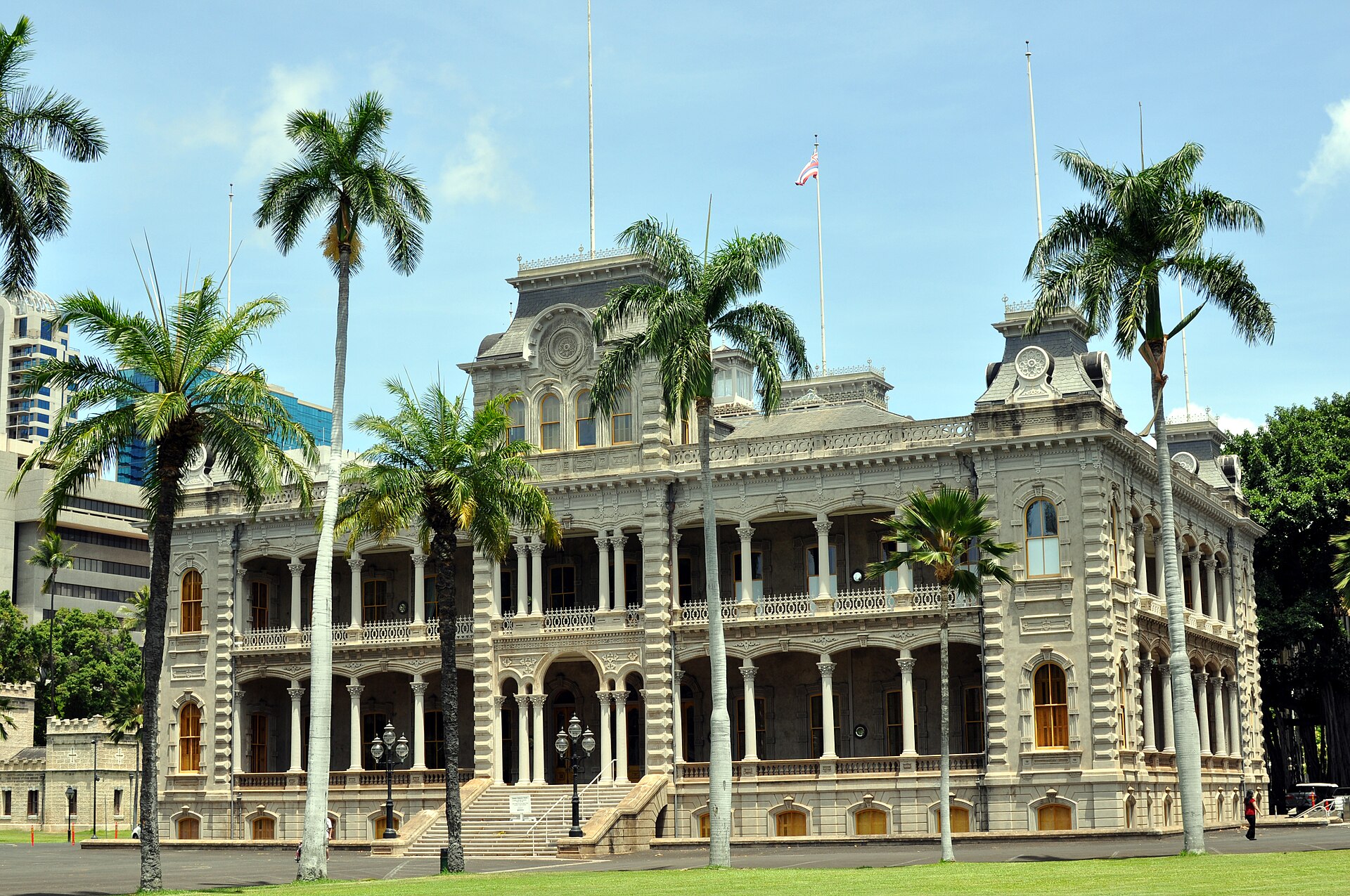
ʻIolani Palace Grounds
Performing at the home of Hawaiʻi’s monarchy makes place impossible to ignore. A choir singing here steps into a story of Hawaiian sovereignty, language, culture, and identity, giving repertoire a context no conventional concert hall could provide. The setting asks students to know where they are before they decide what they want to say.
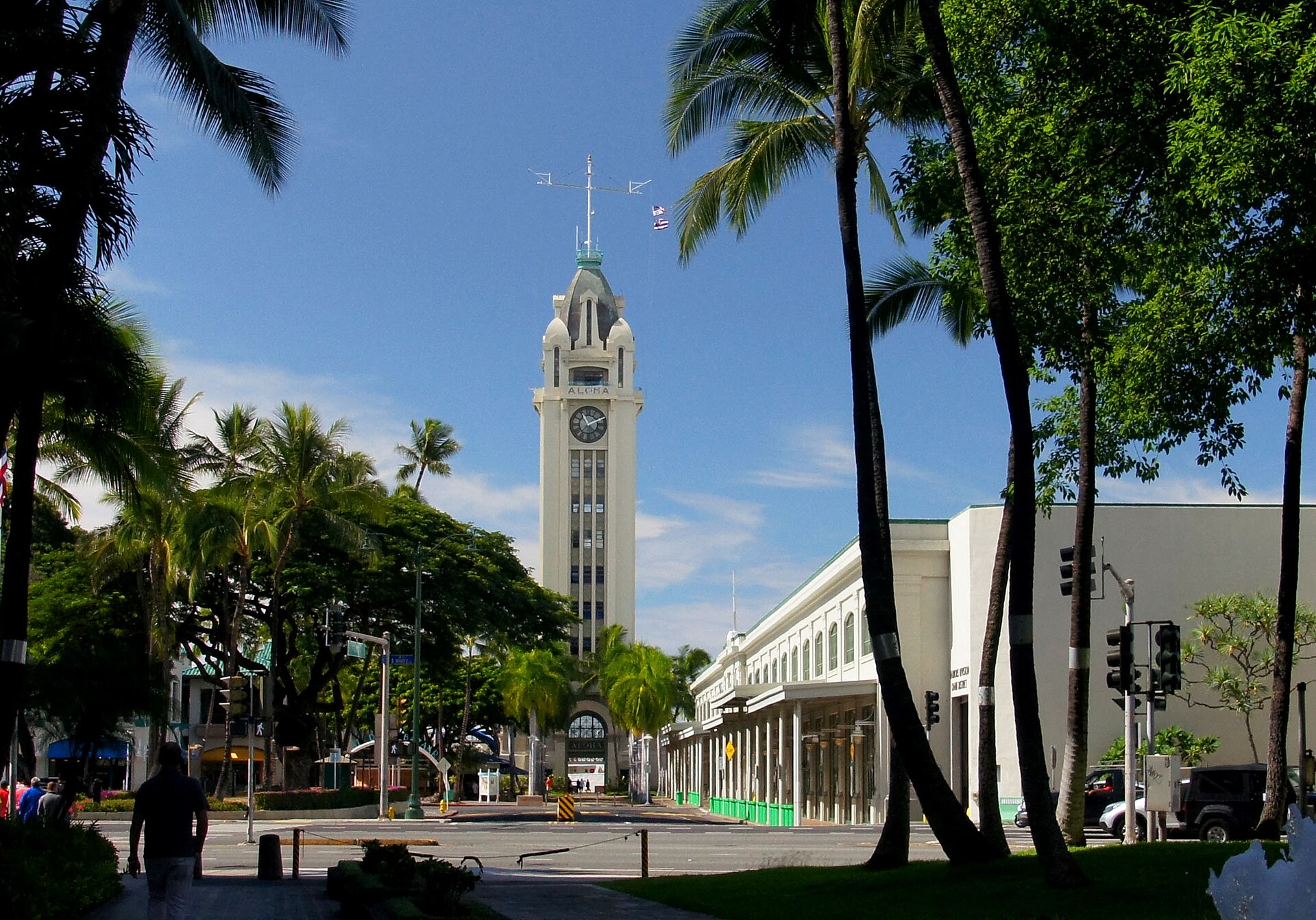
Aloha Tower at Pier 9
Honolulu Harbor has welcomed generations of travelers to the islands, and Aloha Tower still stands over that historic gateway. Put a choir on the waterfront and the performance becomes part concert, part arrival moment, with harbor breezes, ships, and one of Honolulu’s great landmarks supplying scenery nobody needs to build.
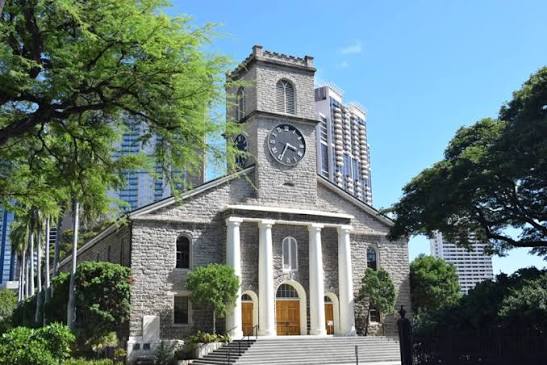
Kawaiahaʻo Church
Hawaiian history and choral sound meet in the same room at Kawaiahaʻo. Its connection to the Hawaiian monarchy, Christian tradition, and generations of island worship gives sacred and concert repertoire unusual depth, while the sanctuary lets singers experience how a resonant space can change the way an ensemble breathes, listens, and blends.
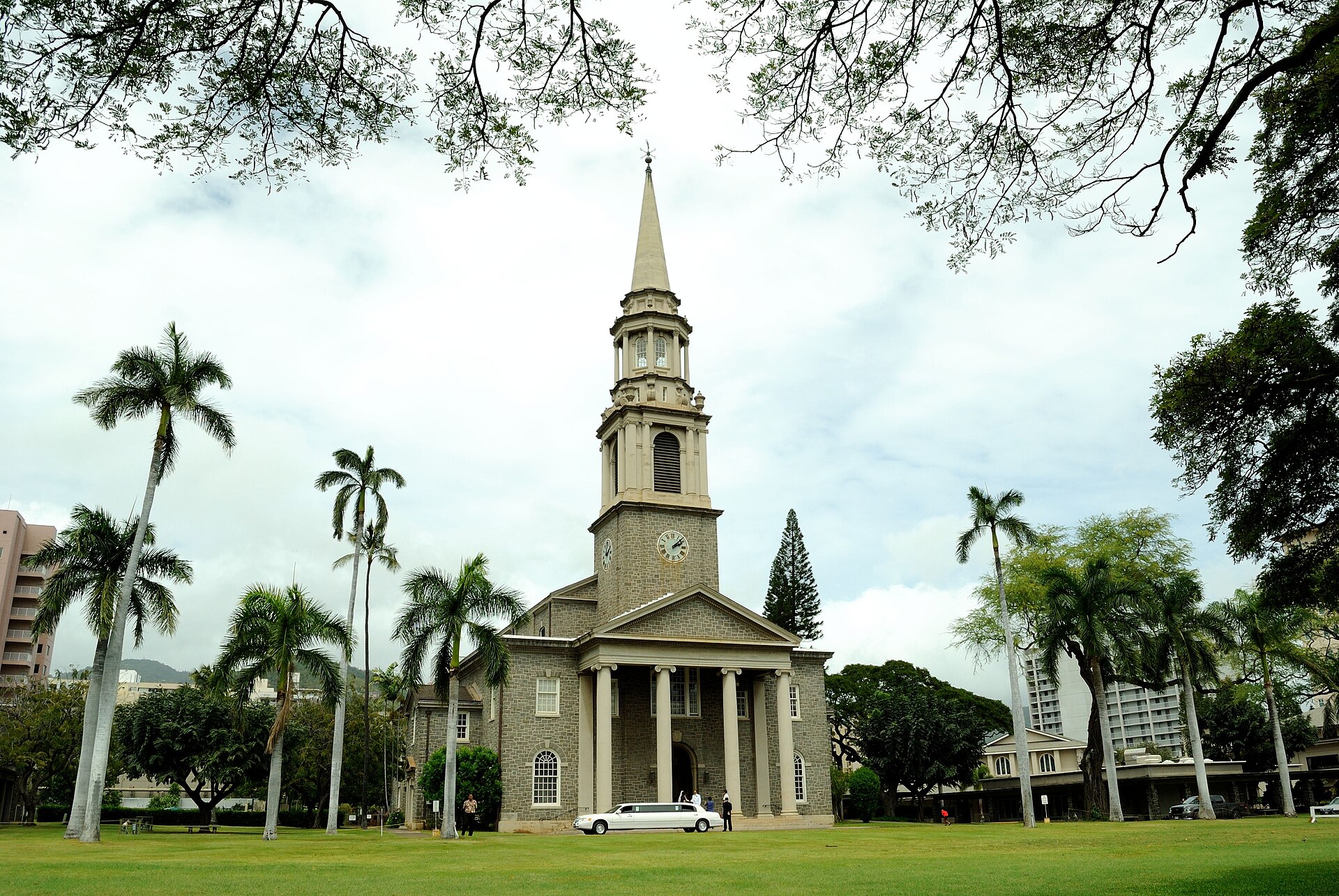
Central Union Church
For choirs ready for a more formal concert experience, Central Union offers one of Honolulu’s established homes for choral music. Its resonant sanctuary has welcomed island festivals and visiting ensembles for years, giving students the chance to test their musicianship in a serious acoustic setting while becoming part of Hawaiʻi’s own choral community for an evening.
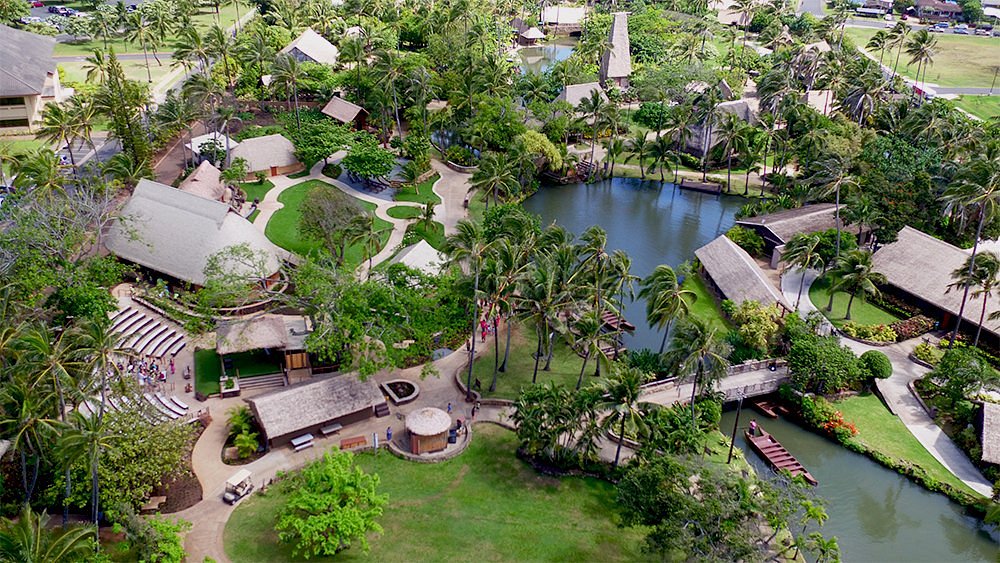
Polynesian Cultural Center
Here, the choir does not perform in isolation from the destination. Students can take the stage after spending time with the music, movement, language, and stories of Pacific Island cultures, bringing a completely different awareness to their own performance. Few venues make the exchange between “what we sing” and “what we have just learned” quite this immediate.
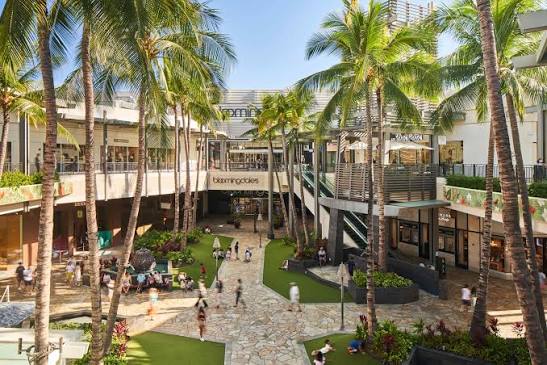
Ala Moana Centerstage
This is Honolulu with the doors wide open. A public performance at Ala Moana puts the choir in front of a constantly changing mix of local families and visitors from around the world, creating the kind of spontaneous audience energy that a formal concert cannot manufacture. It is lively, approachable, and very much part of everyday island life.
Clinics & Workshops

UH Mānoa Choral Clinic
Take the choir’s own repertoire into a fresh room and let a Hawaiʻi-based conductor hear it with new ears. A clinic at the University of Hawaiʻi at Mānoa can dig into the details that move an ensemble forward, from color and phrasing to balance, interpretation, and communication. Students leave with ideas they can immediately carry back into rehearsal, along with a glimpse of choral life at Hawaiʻi’s flagship university.

Hawaiʻi School Choir Exchange
The best exchange does not feel like two choirs taking turns performing for each other. Rehearse together, trade repertoire, talk about what music looks like in each school, and finish by making something side by side. Students quickly discover how much they have in common, while the differences in repertoire, language, and musical traditions make the experience one they could never recreate back home.

Oli: Hawaiian Chant & Breath
Before harmony, there is breath. Oli introduces singers to a Hawaiian vocal tradition where breath, language, rhythm, memory, and intention work as one. Guided by a knowledgeable local practitioner, students begin to understand how the voice can carry genealogy, history, place, and meaning without ever needing a four-part score.
ʻUkulele & Voice
Hand a room full of singers ʻukuleles and watch harmony suddenly become something they can hold. Students learn the rhythmic feel and chord patterns behind a Hawaiian song, then add their own voices until the room turns into one big ensemble. It is approachable enough for beginners, musical enough to challenge experienced students, and almost guaranteed to keep going after the workshop ends.
Mele Hawaiʻi: Language, Diction & Meaning
Singing the right vowels is only the beginning. Hawaiian repertoire opens up when students understand what the language is saying, how the words should live in the mouth, and the layers of meaning that may sit beneath the text. This workshop turns pronunciation into interpretation, giving the choir a much more thoughtful way to approach mele than simply learning the notes.
Hula: Music in Motion
Choirs spend years talking about communicating the text. Hula lets students experience what happens when the body becomes part of that communication. Through movement, gesture, rhythm, and story, singers explore another way music can carry meaning and come away thinking differently about physical expression every time they step onstage.

Haku Mele: Hawaiian Songwriting
Instead of only performing someone else’s music, create something that belongs to this particular journey. Students explore how Hawaiian composers draw from people, place, memory, and language, then work together to shape a short original mele inspired by what they have experienced on the islands. Creating asks them to listen more closely, make artistic choices, and turn travel into music of their own.
The Hawaiian Choral Tradition
Hawaiʻi has a choral story most mainland singers have never been taught. Multipart harmony, Hawaiian-language repertoire, communal singing, and traditions passed through schools and families have created a sound and practice all their own. Exploring that tradition gives students the rare chance to hear how choral music changes when culture, community, and identity are allowed to shape the ensemble from the inside out.
Voice, Stage & Story
Get the choir out from behind the imaginary risers. Working with artists rooted in Hawaiʻi’s youth choral and stage traditions, students explore how character, movement, facial expression, and vocal choices can transform a song into a story. It is especially valuable for ensembles tackling musical theatre, opera, or highly expressive repertoire, but even the most traditional choir comes away performing with a little more courage.
Beyond the Stage
Beyond the stage, Hawaiʻi gives students an entirely different kind of education. History, culture, landscape, and adventure all live close together here, so the trip can move naturally between reflection, discovery, and pure fun. Just as important, there is room to slow down, breathe, and actually take in where they are.
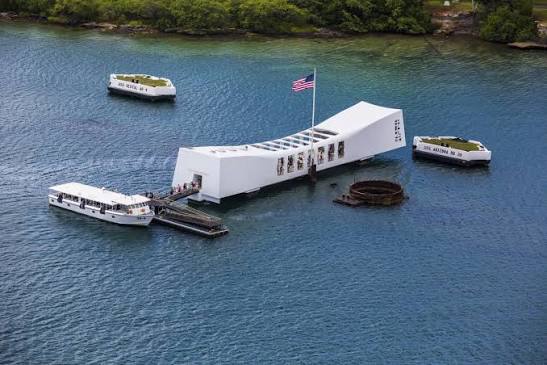
Pearl Harbor
History feels different when students are standing where it happened. The USS Arizona Memorial, Battleship Missouri, and the other sites at Pearl Harbor bring December 7, 1941 out of the textbook and into sharp focus, creating one of the trip’s most reflective and memorable days.
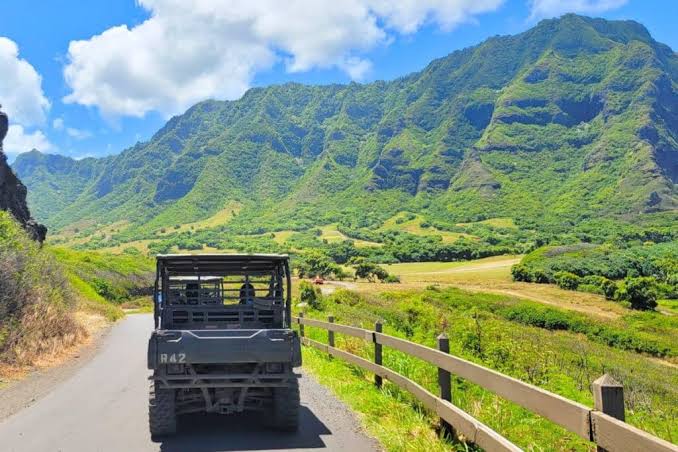
Kualoa Ranch
Those towering green valleys have played everything from prehistoric jungle to distant planets on screen. At Kualoa, students can explore the landscapes behind Jurassic Park, Jumanji, Godzilla, and dozens of other productions while discovering that the real Hawaiian history of this land is every bit as interesting as Hollywood’s version.
Polynesian Cultural Center
Spend the day traveling across the Pacific without ever leaving Oʻahu. Each island village brings its own traditions, games, stories, music, and skills to life, and by evening the entire place seems to turn up the volume. It is cultural learning with absolutely no danger of feeling like a lecture.
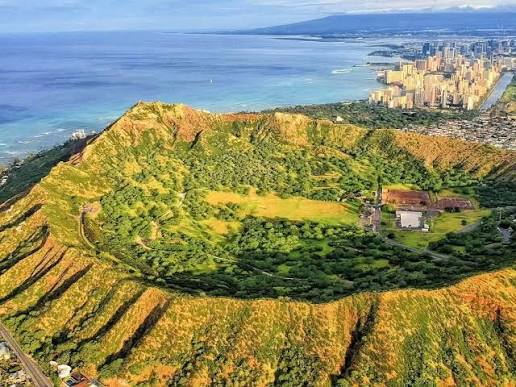
Diamond Head & Waikīkī
Earn the view first. Diamond Head rewards the climb with a panorama over Honolulu and the Pacific, while Waikīkī brings students back down to beach time, shopping, food, and the unmistakable energy of Hawaiʻi’s most famous shoreline.
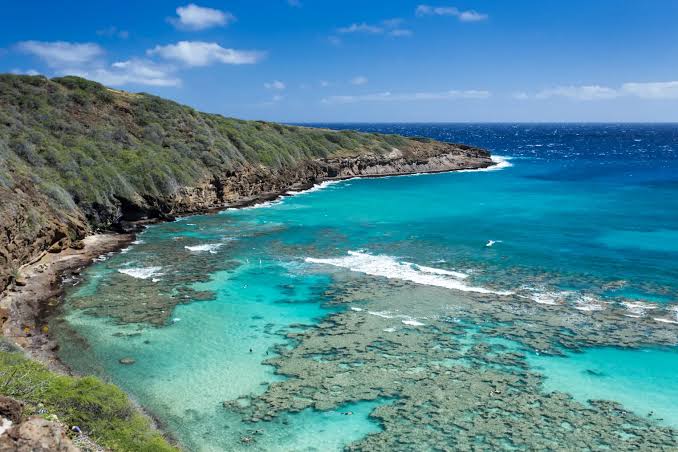
Hanauma Bay & Marine Experiences
A whole different Hawaiʻi appears once students look beneath the water. Snorkeling or another guided marine experience brings coral reefs, tropical fish, and conservation into view while making the Pacific something to explore rather than simply admire from the beach.
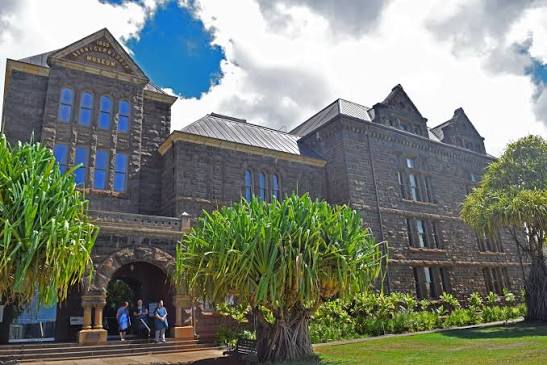
Bishop Museum
Hawaiʻi makes considerably more sense after Bishop Museum. Royal artifacts, voyaging traditions, natural history, and the stories of Hawaiʻi and the wider Pacific add context to nearly everything students encounter elsewhere on the island. This is the stop that connects a lot of dots.
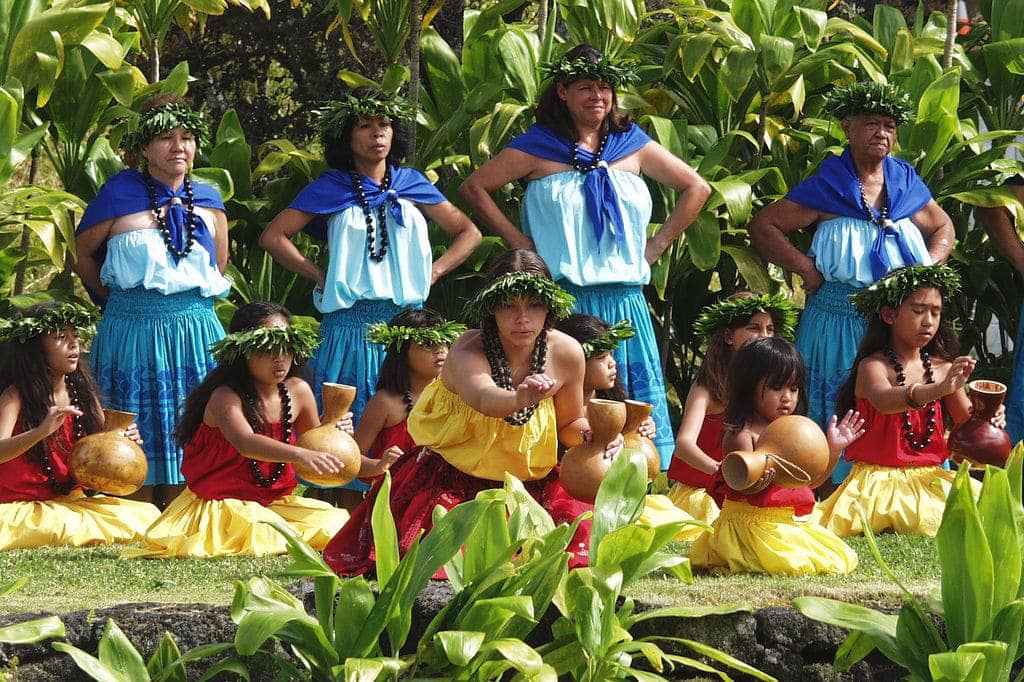
Island Lūʻau
Eventually, everyone deserves an evening where dinner comes with a show. A thoughtfully chosen lūʻau brings food, music, dance, and storytelling together in a celebration of Pacific traditions, with plenty of spectacle and absolutely no rehearsal call afterward.
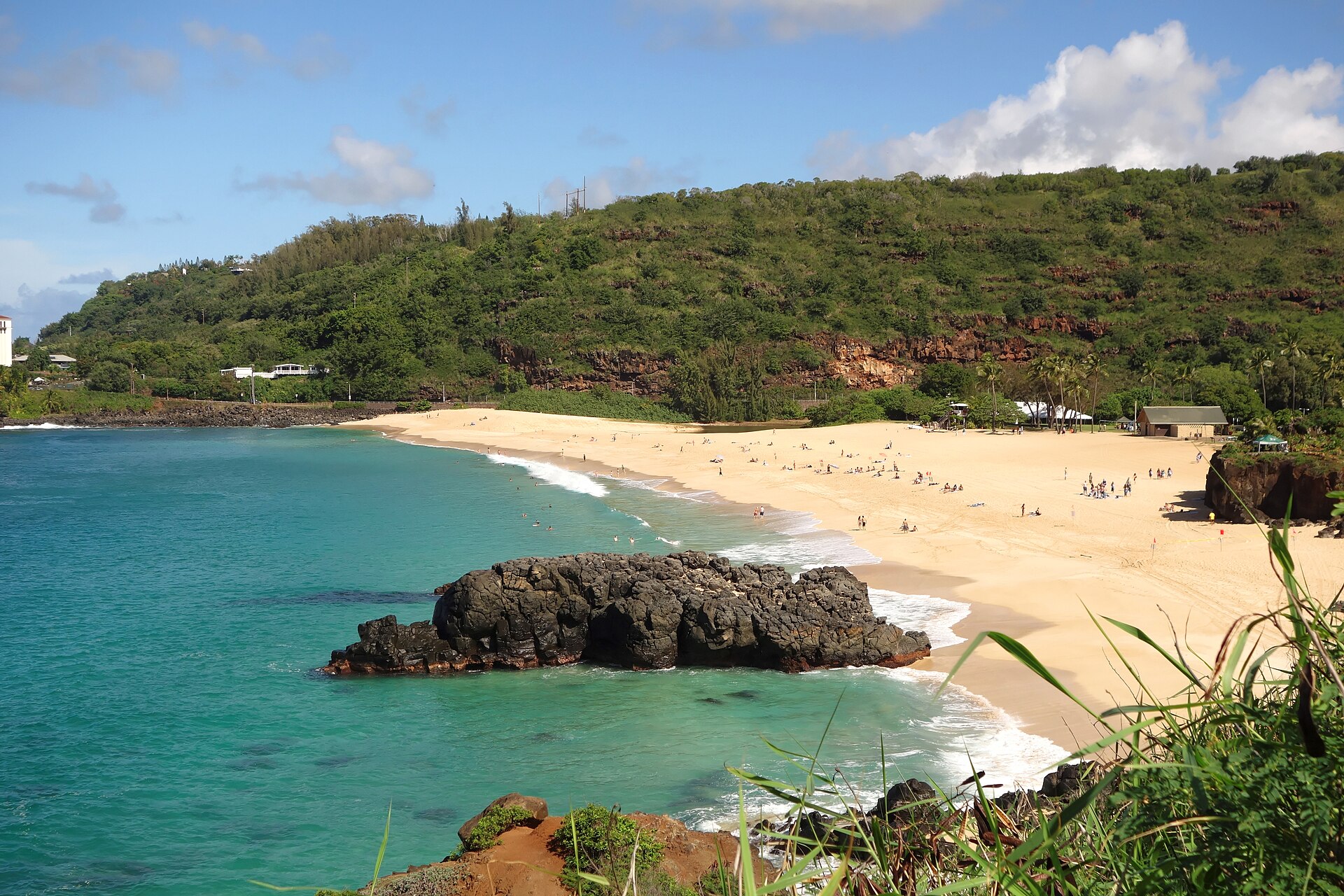
Haleʻiwa & the North Shore
Leave Honolulu behind and watch the island change. Haleʻiwa brings shave ice, local shops, and an easygoing surf-town feel before the road continues past beaches famous around the world. Out here, nobody has to be reminded to slow down.
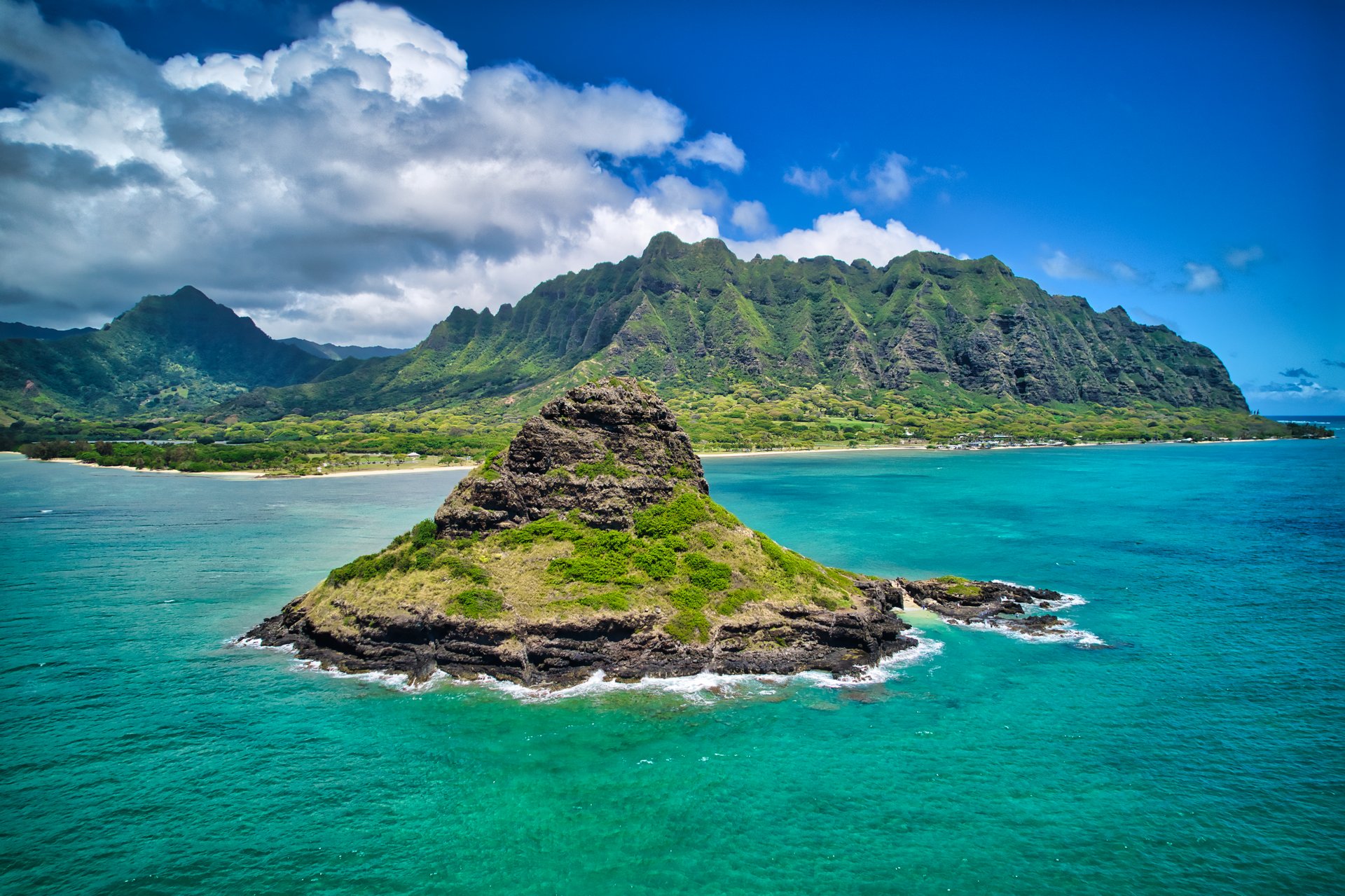
Secret Island at Kualoa Ranch
Kayaks. Paddleboards. Beach games. Kāneʻohe Bay spread out in front of you. Secret Island is where the itinerary deliberately stops trying to teach for a few hours and lets students enjoy the rather important educational experience of being teenagers together in Hawaiʻi.
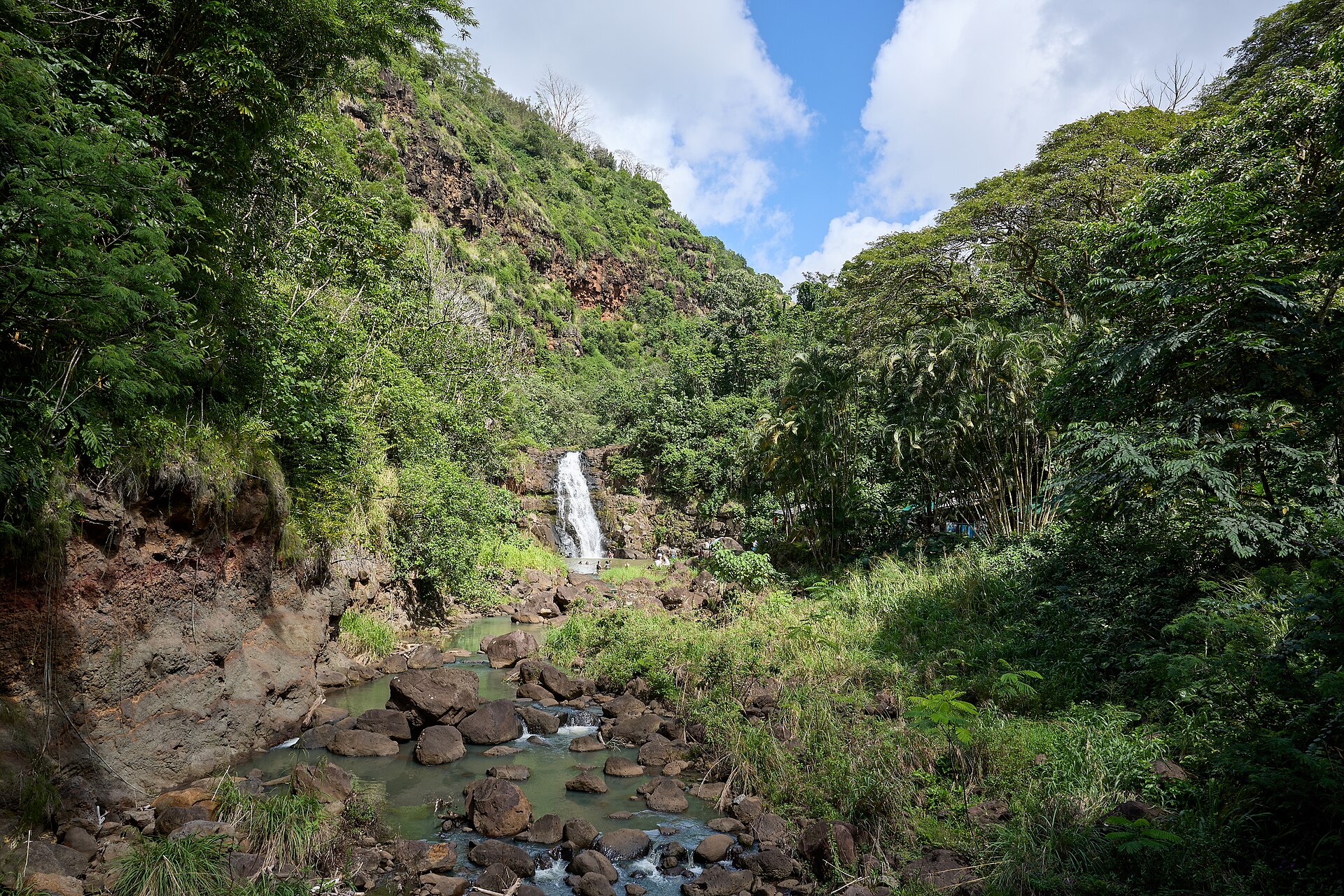
Waimea Valley & Falls
The walk to Waimea Falls winds through lush botanical gardens and a valley with deep significance in Hawaiian history and culture. By the time the waterfall appears, students have already experienced far more than a pretty hike, although the waterfall certainly does not hurt.
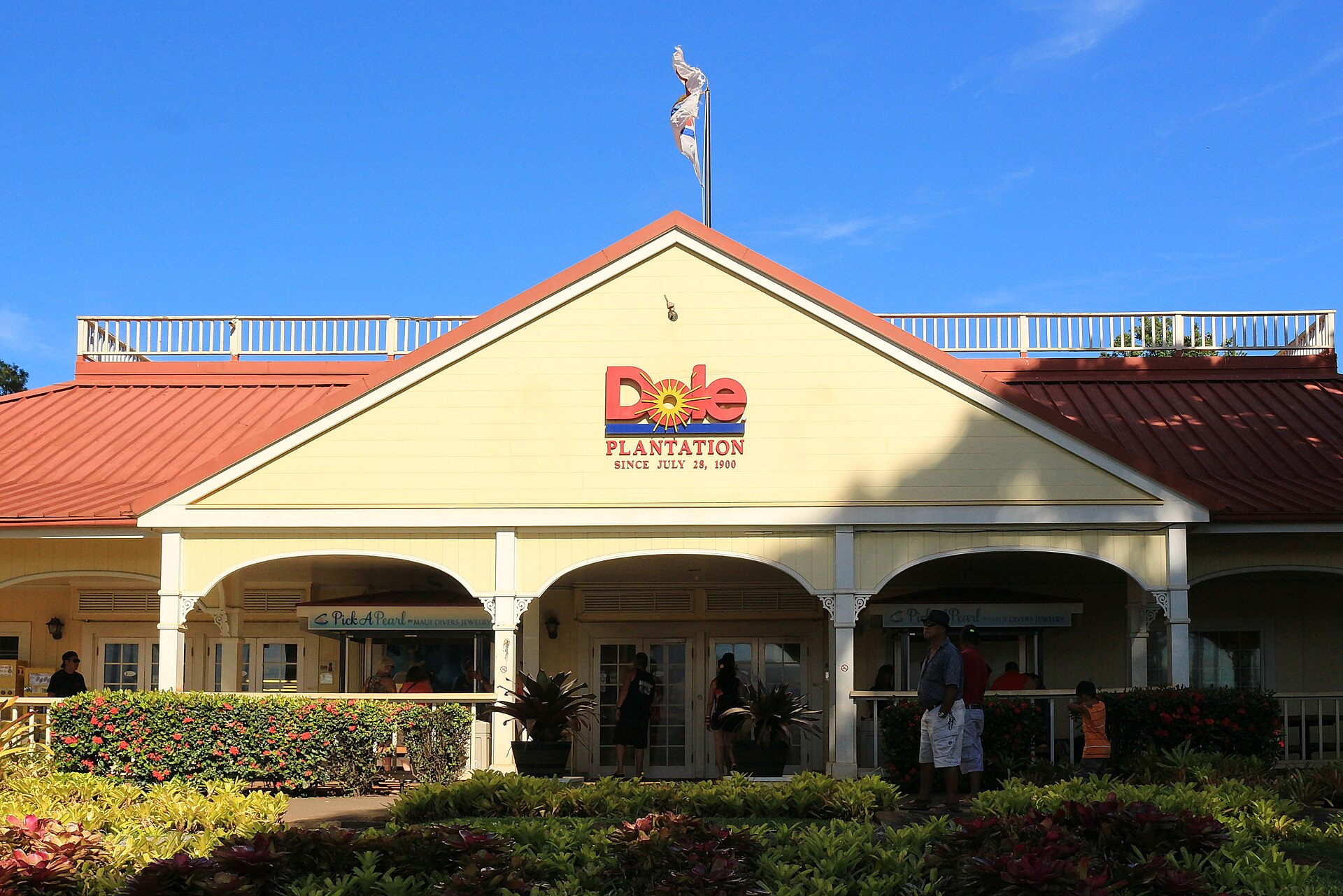
Dole Plantation
Pineapple once transformed Hawaiʻi’s economy, but students may be slightly more interested in what happens when it becomes Dole Whip. Gardens, the Pineapple Garden Maze, and a look at the island’s agricultural story make this an easygoing stop with just enough substance behind the sugar.
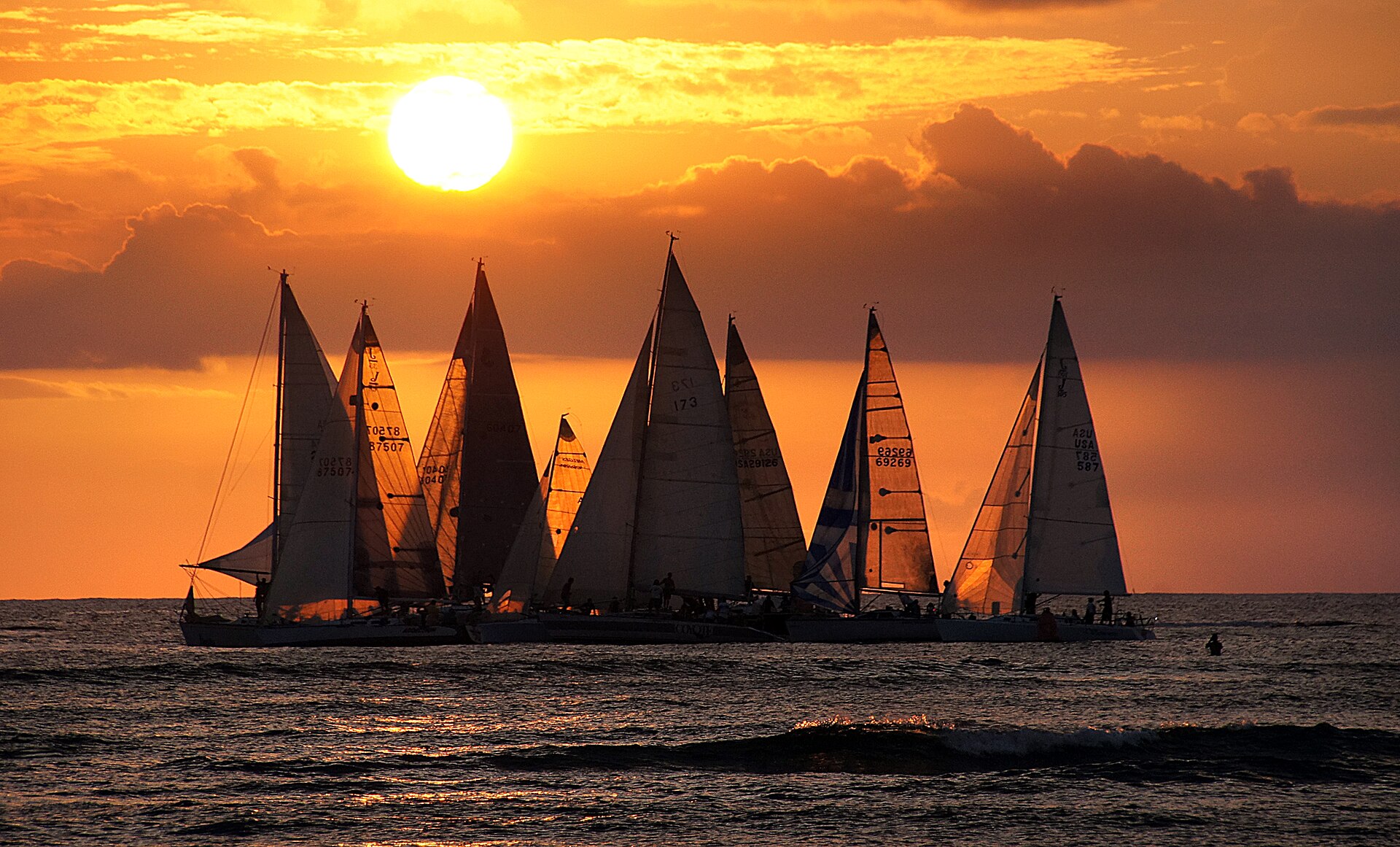
Waikīkī Catamaran or Sunset Cruise
Sometimes the itinerary needs an exhale. Head out onto the Pacific, turn around, and watch Waikīkī, Diamond Head, and Honolulu spread across the shoreline from a completely different perspective. Add a Hawaiian sunset and there really is not much else we need to say.
Ways to Shape the Trip

Hā: Breath Into Song
Every choir begins with breath, but Hawaiʻi gives students a reason to think about it differently. Build the journey around hā and explore how breath supports tone, phrase, intention, and ensemble connection while also carrying cultural meaning far beyond vocal technique. Chant, listening, reflection, and thoughtful vocal work can turn something students do automatically every day into something they understand with entirely new depth.

Island as the Stage
Let the places change the performance. A choir singing at Pearl Harbor should not approach the music the same way it would at a public stage in Honolulu or a resonant sanctuary, and that is precisely the point. Repertoire choice, communication, acoustic awareness, and musical intent all become more deliberate when students learn to read the room before they sing into it. Hawaiʻi offers a remarkable collection of stages where the setting itself becomes part of the lesson.

Where the Land Sings
There is musical value in getting singers out of the rehearsal room altogether. Hawaiʻi gives students space to notice wind, water, silence, distance, and the natural rhythms surrounding them, then bring that heightened listening back to the ensemble. The result is not a nature trip with choir added on. It is a chance to explore how breath, attention, and environment shape the way musicians hear and respond.

Heart of Hawaiʻi
Go deeper than performing in Hawaiʻi and help students understand whose stories they are stepping into. Language, mele, oli, hula, history, and time with local musicians and students reveal a culture in which music carries memory, identity, and connection. For a choir teacher, that opens rich conversations about text, context, interpretation, and responsibility, all while giving students a far more meaningful relationship with the music they encounter.

Ready to Bring Your Choir to Hawaii?
Give your choir space to breathe, sing, listen, and experience Hawaii together in a program that feels as meaningful as it is beautiful.
Availability note: Performance opportunities, clinics, workshops, festivals, parades, and special events vary by destination and are subject to availability, eligibility, ensemble size, season, technical requirements, and final approval.
Photo credits: ʻIolani Palace Grounds by Don Ramey Logan (CC BY-SA 3.0); Aloha Tower at Pier 9 by Bernard Spragg (CC0); Central Union Church by Daniel Ramirez (CC BY 2.0); Haleʻiwa & the North Shore by Daniel Ramirez (CC BY 2.0); Secret Island at Kualoa Ranch by Eric Tessmer (CC BY 4.0); Waimea Valley & Falls by Frank Schulenburg (CC BY-SA 4.0); Dole Plantation by Robert Linsdell (CC BY 2.0); Waikīkī Catamaran or Sunset Cruise by Bernard Spragg (CC0). Via Wikimedia Commons.