
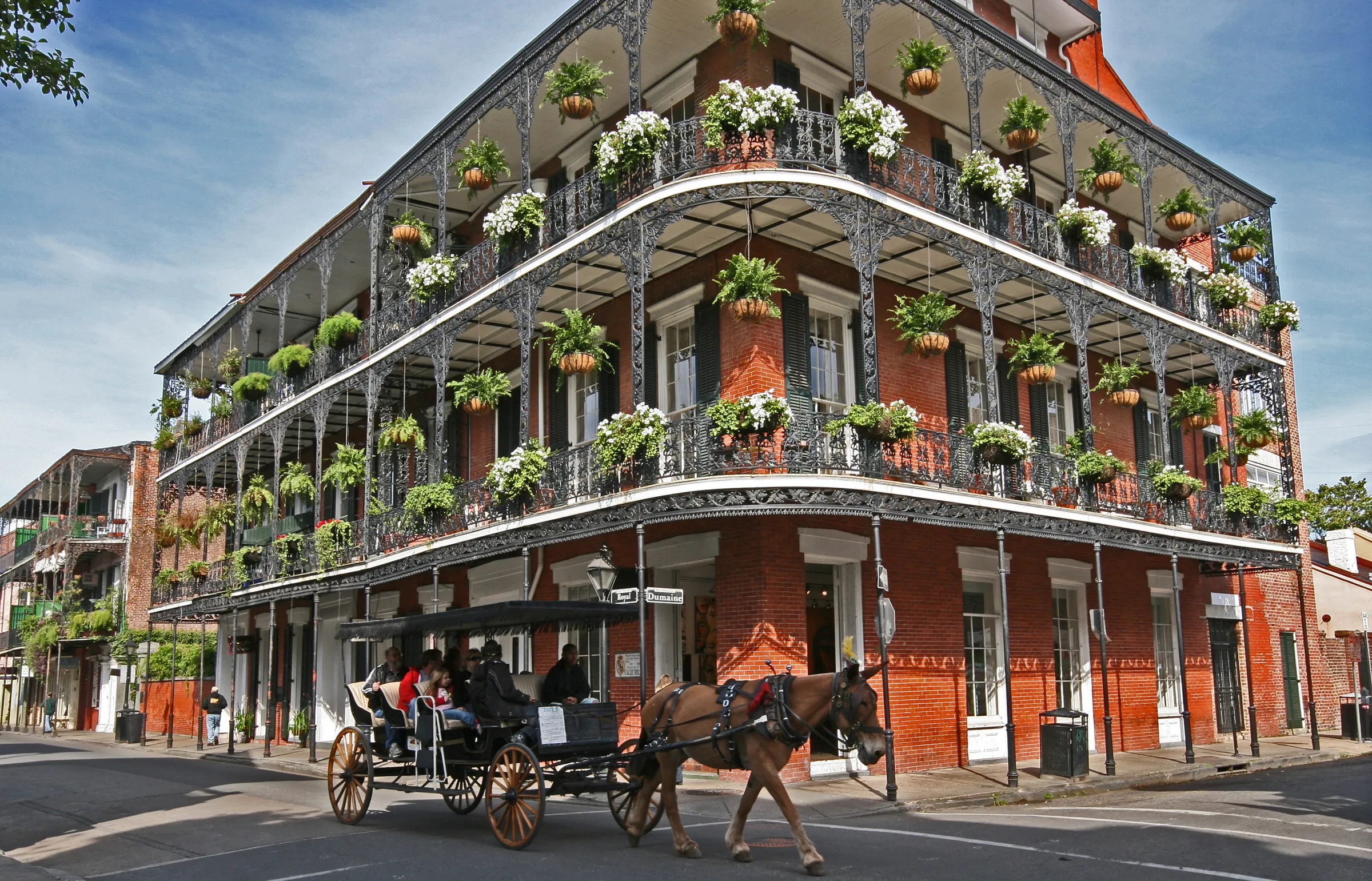
Choir Travel: New Orleans
Sing the Soul of New Orleans
Why New Orleans for Choirs?
A funeral can become a parade here. A church can shake with gospel. A single voice can carry grief, joy, faith, and history all at once. New Orleans reminds singers that music is not something people simply perform. It is something they use to remember, celebrate, survive, worship, and tell the truth. That makes the city a remarkable place for young voices to discover just how much meaning can live inside sound.
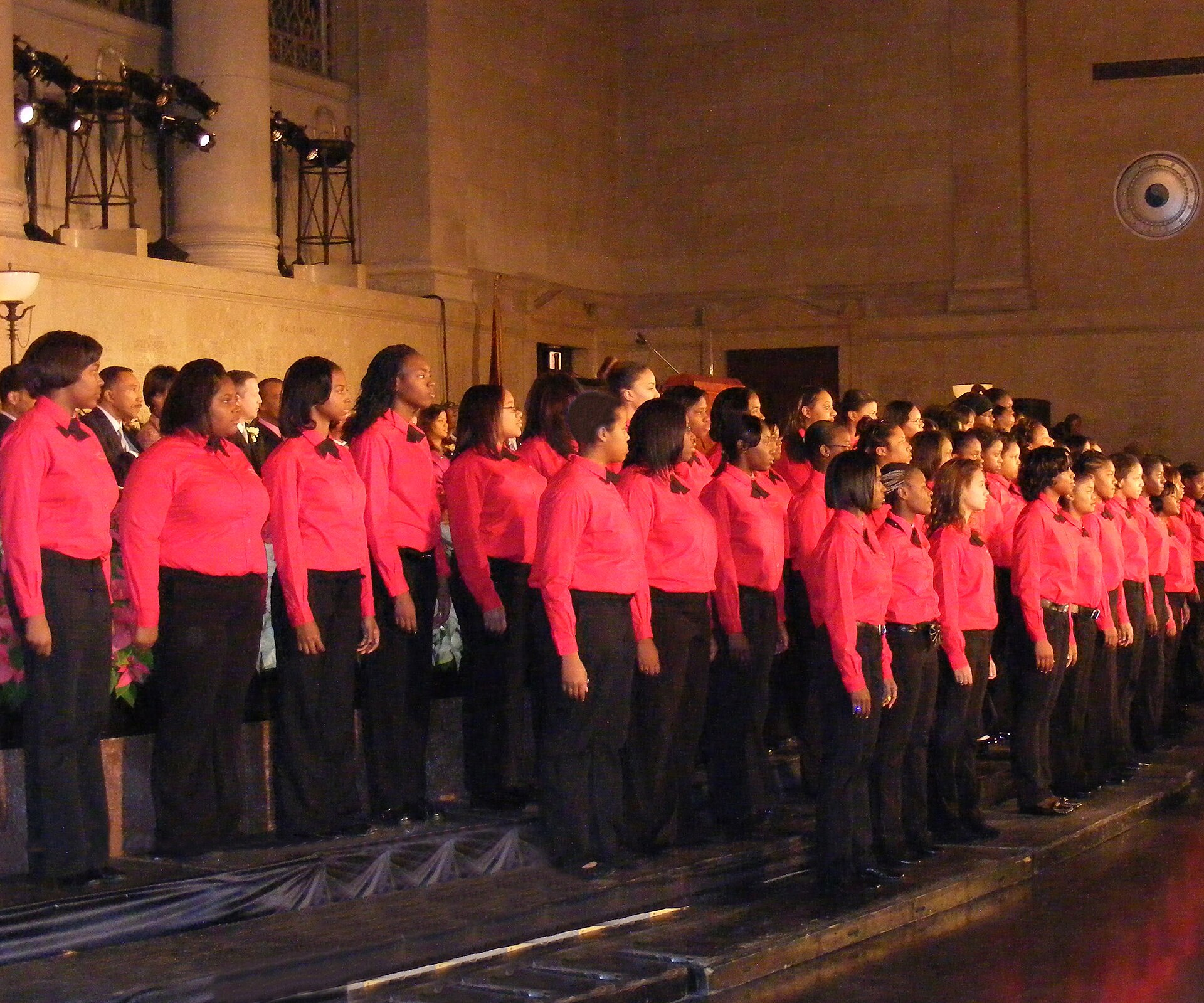
Choirs can explore gospel, spirituals, jazz, sacred repertoire, and the traditions that helped shape American vocal music, then hear those ideas differently once they understand where they came from. Rhythm loosens up. Text gains weight. Blend becomes more than matching vowels. New Orleans pushes singers to listen with more curiosity, sing with more conviction, and understand that the strongest ensemble sound begins with knowing why the music matters.
Performance Possibilities
St. Louis Cathedral
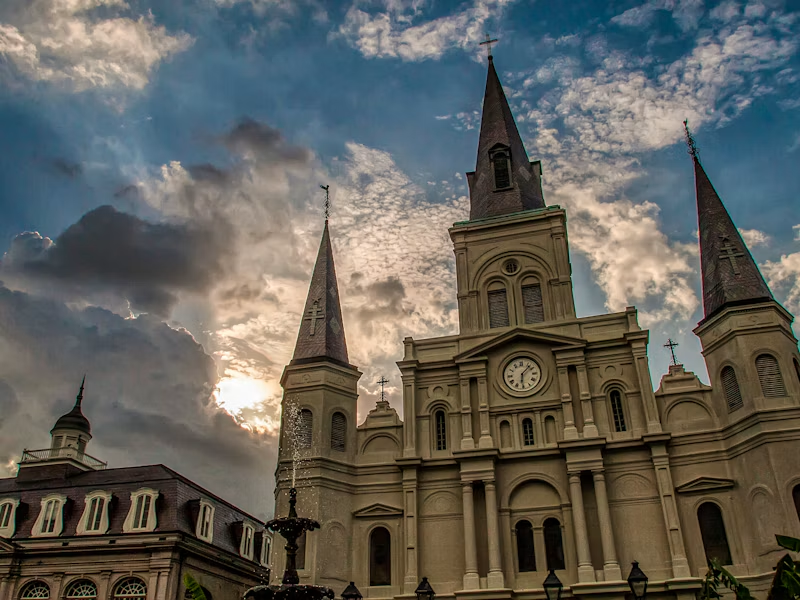
There are rooms that ask a choir to sing differently the moment they walk in. St. Louis Cathedral gives students that kind of focus, where breath, balance, text, and silence all matter a little more. Sacred repertoire can take on new weight here, but the deeper lesson is learning how sound, space, and intention work together.
New Orleans Jazz Museum
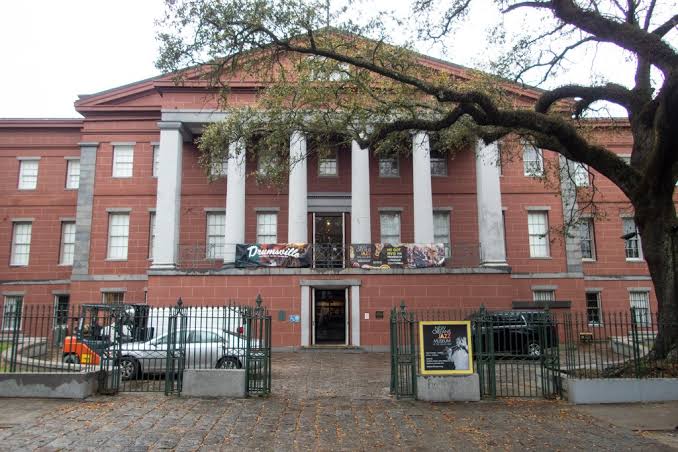
Put young singers inside the story of a city that changed American music. The Jazz Museum gives vocal jazz, gospel, spirituals, and rhythm-driven repertoire a setting with real context, where students can connect what they sing to the people and traditions that shaped the language behind it. Suddenly style is not something printed at the top of the page.
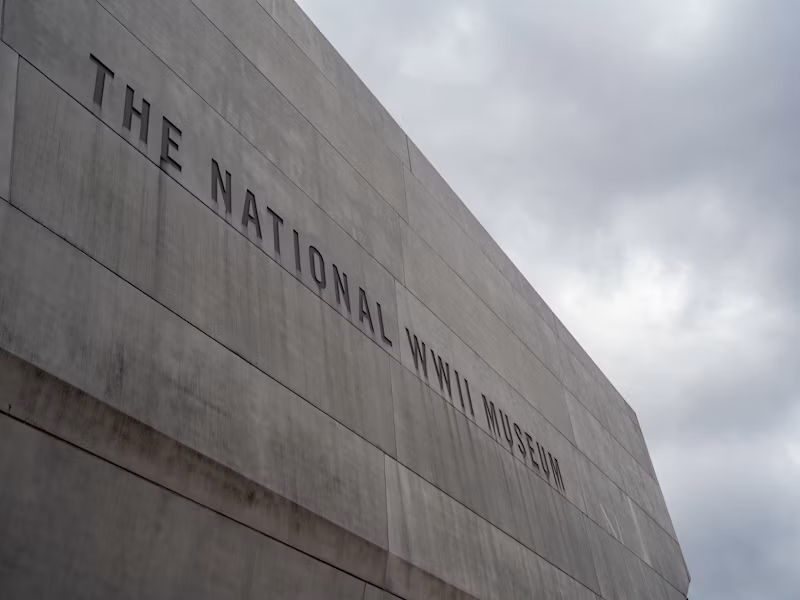
The National WWII Museum
A choir can carry memory in a way few other ensembles can. Singing at The National WWII Museum gives patriotic, swing-era, folk, or reflective repertoire a sense of purpose that reaches beyond performance, especially when students understand the lives and history surrounding them. This is music serving remembrance, gratitude, and story.
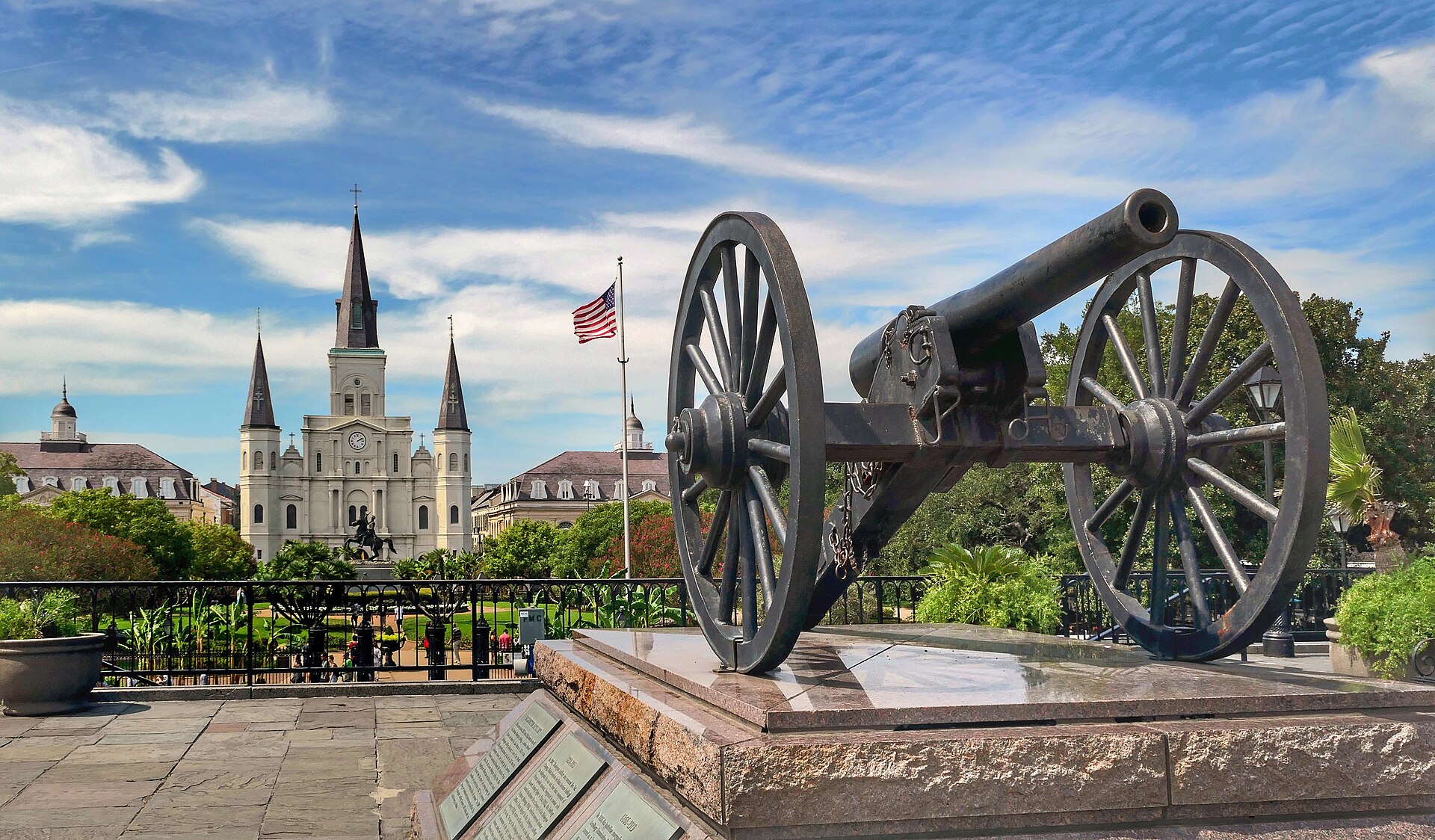
Oscar Dunn Park Amphitheater
Jackson Square, St. Louis Cathedral, the French Quarter, and your choir right in the middle of it. Oscar Dunn Park turns the city itself into the backdrop, with tourists, locals, street performers, and the energy of New Orleans moving around the ensemble. It is public singing at its best: direct, alive, and connected to whoever happens to stop and listen.
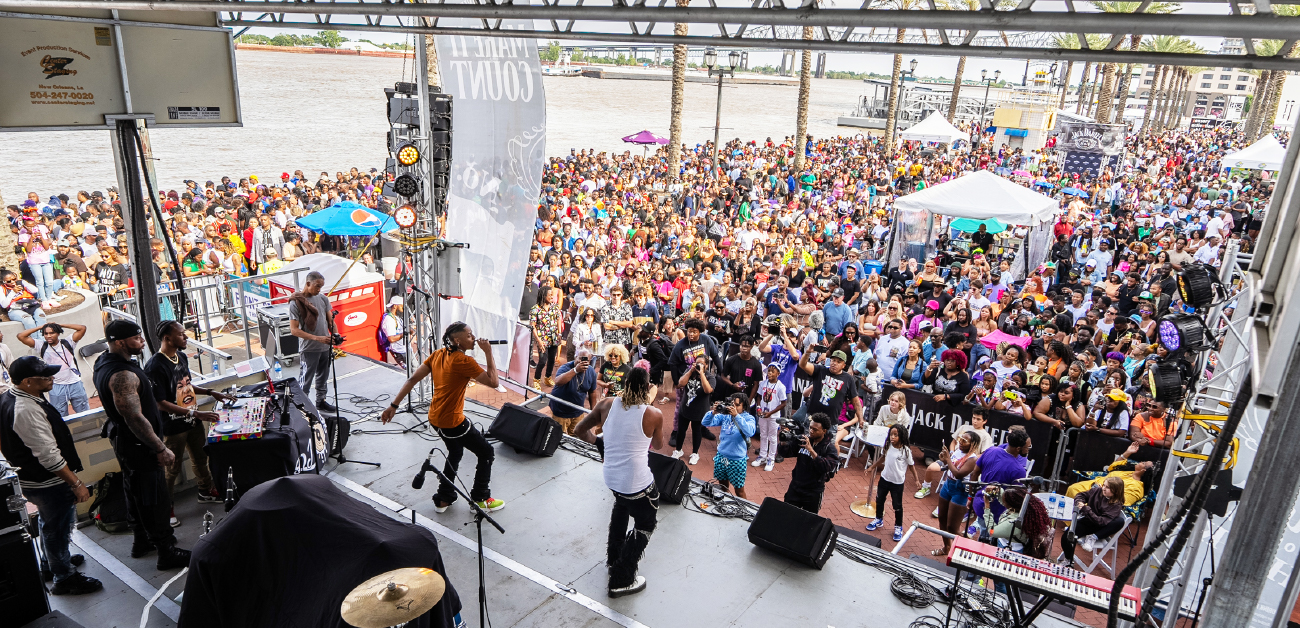
Goldring Woldenberg Riverfront Park
The Mississippi has carried people, music, commerce, and culture through New Orleans for centuries. Singing beside it gives the choir a sense of scale that is hard to recreate anywhere else, with riverboats passing, the French Quarter nearby, and an audience gathering in the open air. This is the kind of setting where a strong program can feel expansive and completely at home.
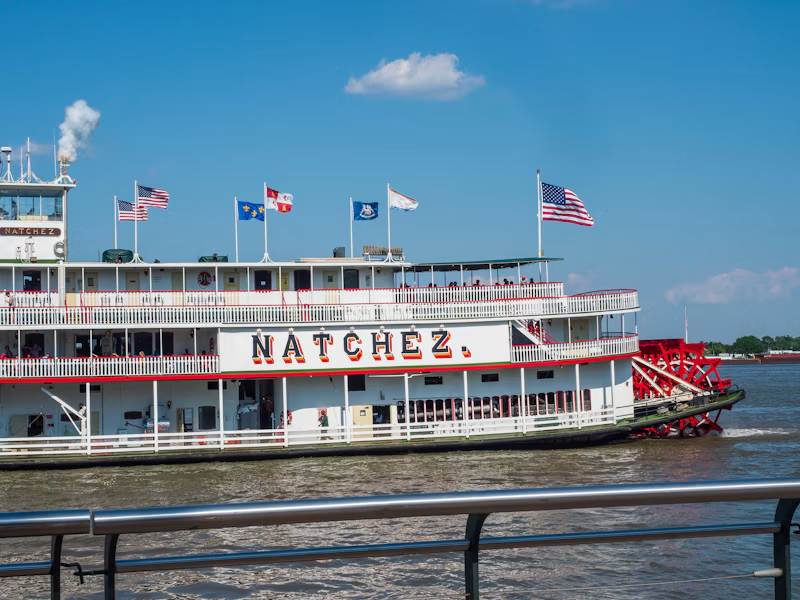
Steamboat NATCHEZ
A steamboat at the dock, the Mississippi behind the choir, and a jazz cruise audience arriving right in front of you. Singing as guests board gives the performance a built-in sense of occasion and a crowd already in the mood for live music. It is warm, social, unmistakably New Orleans, and a great chance for students to feel what it is like to set the tone for the evening before the boat ever leaves the dock.

Lakeside Shopping Center
Sometimes the best audience is the one that did not know a concert was coming. A public performance at Lakeside lets the choir win people over in real time, with students learning how to project personality, communicate clearly, and keep an audience engaged outside the comfort of a formal concert hall. It is energetic, accessible, and a great place for repertoire meant to connect quickly.
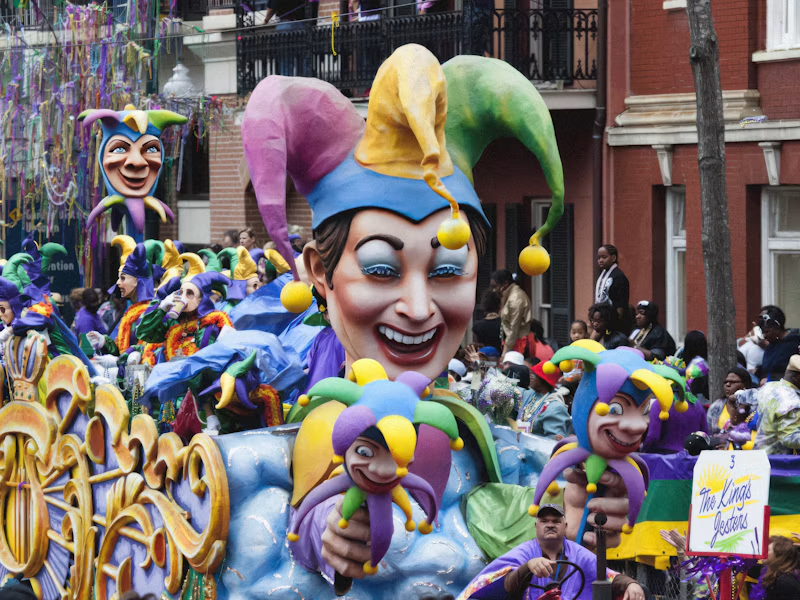
Mardi Gras World
This one is pure New Orleans spectacle. Giant floats, outrageous colors, Carnival characters, and larger-than-life scenery surround the choir before anyone sings a note. The performance may be informal, but the setting guarantees one thing: nobody is going home with a photo that looks like it could have been taken anywhere else.
Clinics & Workshops

Crescent City Choral Festival
There is something electric about hearing hundreds of young voices finally come together after days of rehearsal. The Crescent City Choral Festival gives students the rare chance to sing beyond the boundaries of their own program, learn from nationally respected conductors, and become part of a sound no single school could create alone. For choir kids, that kind of shared music-making can be the moment they remember long after the trip is over.
New Orleans Heritage Festival
This is where all the work gets tested. The choir performs for experienced adjudicators, hears exactly what is landing and what still needs attention, then gets the chance to turn that feedback into better singing. There is a healthy little adrenaline rush in putting your ensemble on the line, and even more satisfaction when students realize how far their preparation has carried them.

Loyola University Choral Clinic
Bring the choir into one of New Orleans’ strongest collegiate music environments and let fresh ears get to work. Loyola faculty can dig into sound, text, balance, pacing, and the choices that separate singing the notes from actually shaping the piece. Students leave with practical ideas they can use immediately and a glimpse of what serious choral study can look like after high school.
Tulane University Choral Clinic
Tulane gives the ensemble a chance to step outside its normal rehearsal habits and hear the music from another angle. A strong clinician can challenge assumptions, uncover details the group has stopped noticing, and push singers toward more independent, intentional work. The best clinics do not just improve one piece. They change what students listen for in everything that follows.

Kids in the Hall at Preservation Hall
This is New Orleans music at arm’s length. Students sit close enough to watch the cues, hear the conversation between players, and understand that the music works because everyone in the room is paying attention to everyone else. The stories and Q&A matter, but the real lesson is watching trust, instinct, history, and personality turn into music right in front of them.
Court of Two Sisters Jazz Brunch Q&A
Brunch with live jazz is already a pretty good morning. Add the chance to talk directly with the musicians about swing, improvisation, phrasing, listening, and the realities of making music in New Orleans, and the meal becomes something a choir director can actually build on. Students hear the style first, then get to ask why it feels the way it does.

Preservation Hall Masterclass
Forget the idea that every musical decision has to be written down first. Preservation Hall musicians can pull singers into the New Orleans mindset, where rhythm breathes, phrases talk back, and the ensemble has to stay awake to what is happening in the moment. For a choir used to living inside the score, that kind of musical freedom can be both terrifying and incredibly good for them.
New Orleans Youth Harmony Festival
Nothing exposes ensemble listening quite like close harmony. Students have to own their line, tune against the voices around them, adjust in real time, and contribute to a chord that only works if everybody is truly engaged. The a cappella and barbershop focus gives the choir a fresh challenge, and there is real joy in hearing a chord finally lock so tightly that the whole room feels it.
NOCCA Choral Masterclass
NOCCA puts visiting singers in the orbit of young artists who take their craft seriously every day. That peer energy matters. Students are not just hearing another adult tell them to work harder; they are seeing musicians their own age taking risks, asking smart questions, and treating the arts as something worth pursuing with purpose. For the right choir, that can be a very powerful kind of motivation.
Beyond the Stage
New Orleans has a way of deepening the trip even when nobody is singing. Its neighborhoods, food, history, river, rituals, and traditions give students a stronger sense of the people behind the music. The more they understand the city, the more meaning they hear in what they sing.
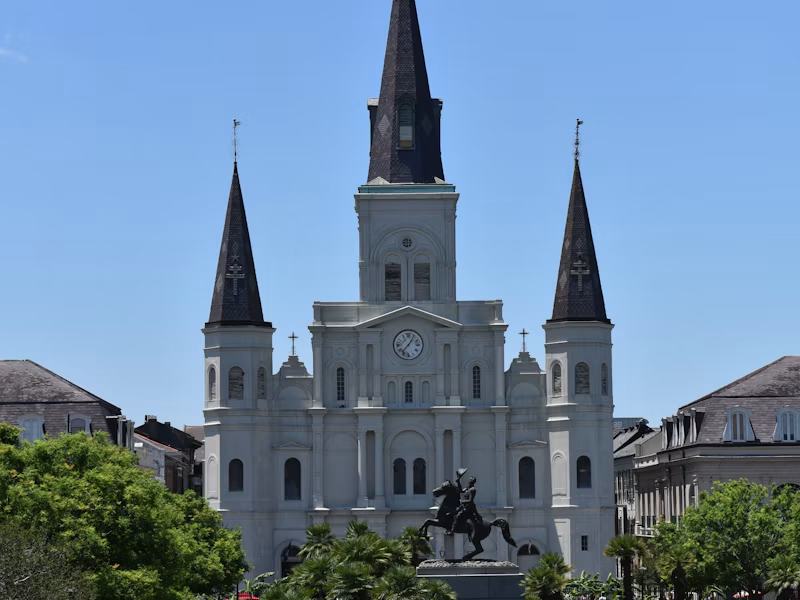
French Quarter & Jackson Square
Start with the New Orleans everyone pictures, then realize pretty quickly that it is much more interesting in person. Street musicians, balconies, artists, cafés, and the constant buzz around Jackson Square make this one of those places where simply walking around is part of the experience.
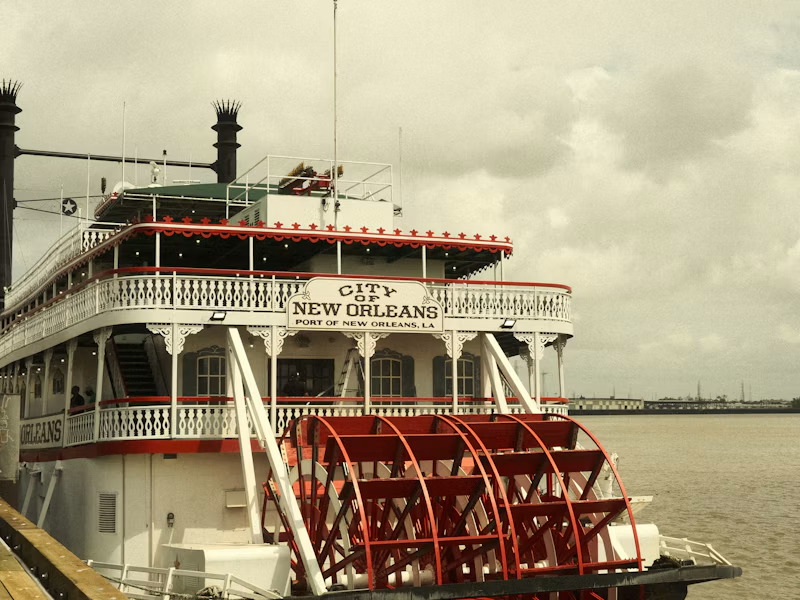
Steamboat NATCHEZ Jazz Dinner Cruise
Dinner, live jazz, and the Mississippi rolling by outside the windows. A cruise aboard the NATCHEZ gives groups a chance to slow the pace a little while still getting a very New Orleans evening, complete with river views and music that actually belongs here.
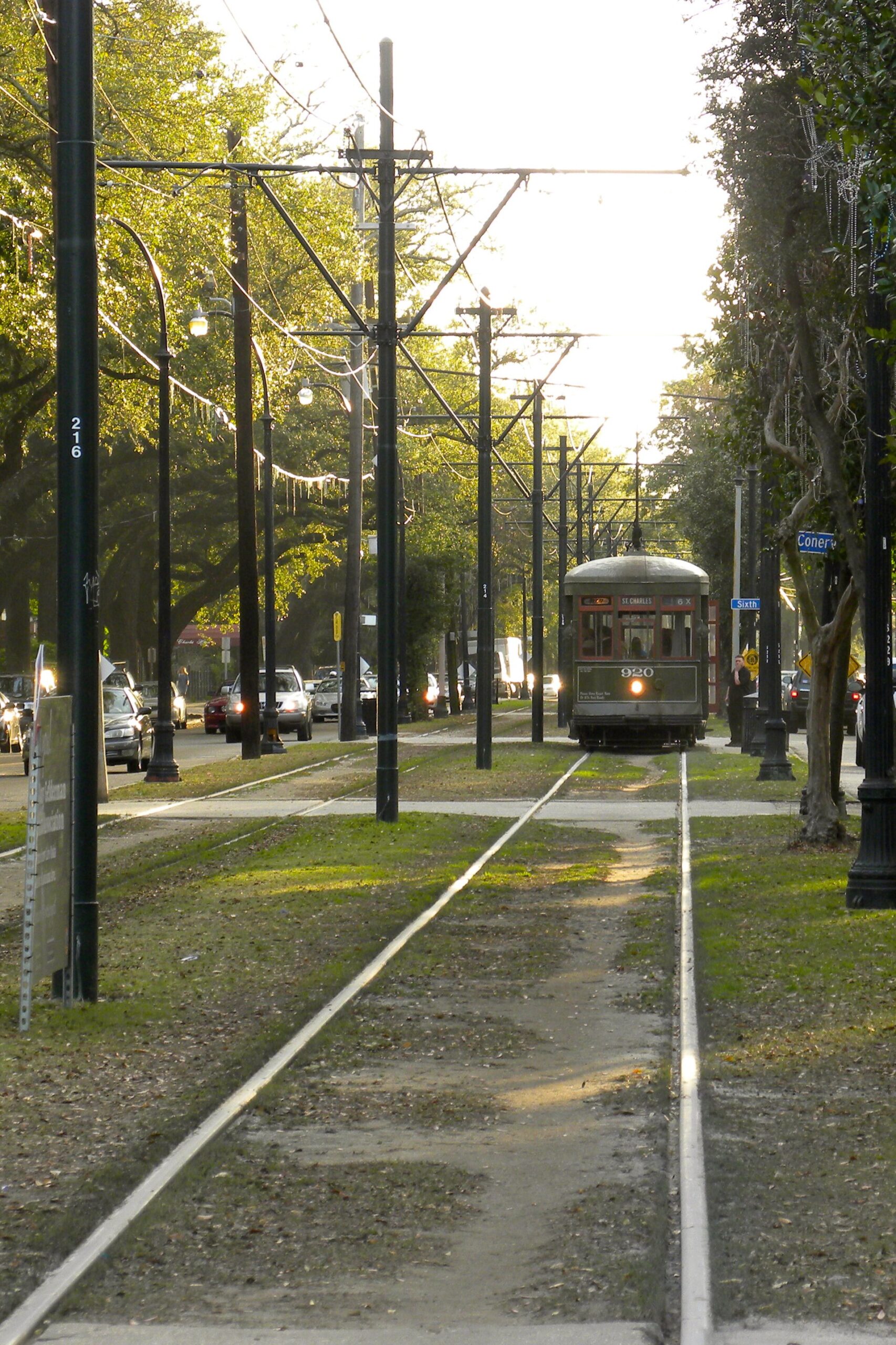
Garden District & St. Charles Streetcar
Ride beneath the live oaks on the St. Charles streetcar, then wander past grand homes, iron fences, and streets that look suspiciously like a movie set. The Garden District shows off a quieter, prettier side of New Orleans without losing any of its personality.
The National WWII Museum
This is not a quick walk-through-and-check-the-box museum. Immersive exhibits, aircraft, personal stories, and huge-scale displays make the history feel immediate, and groups can easily spend several hours here without running out of things to see.
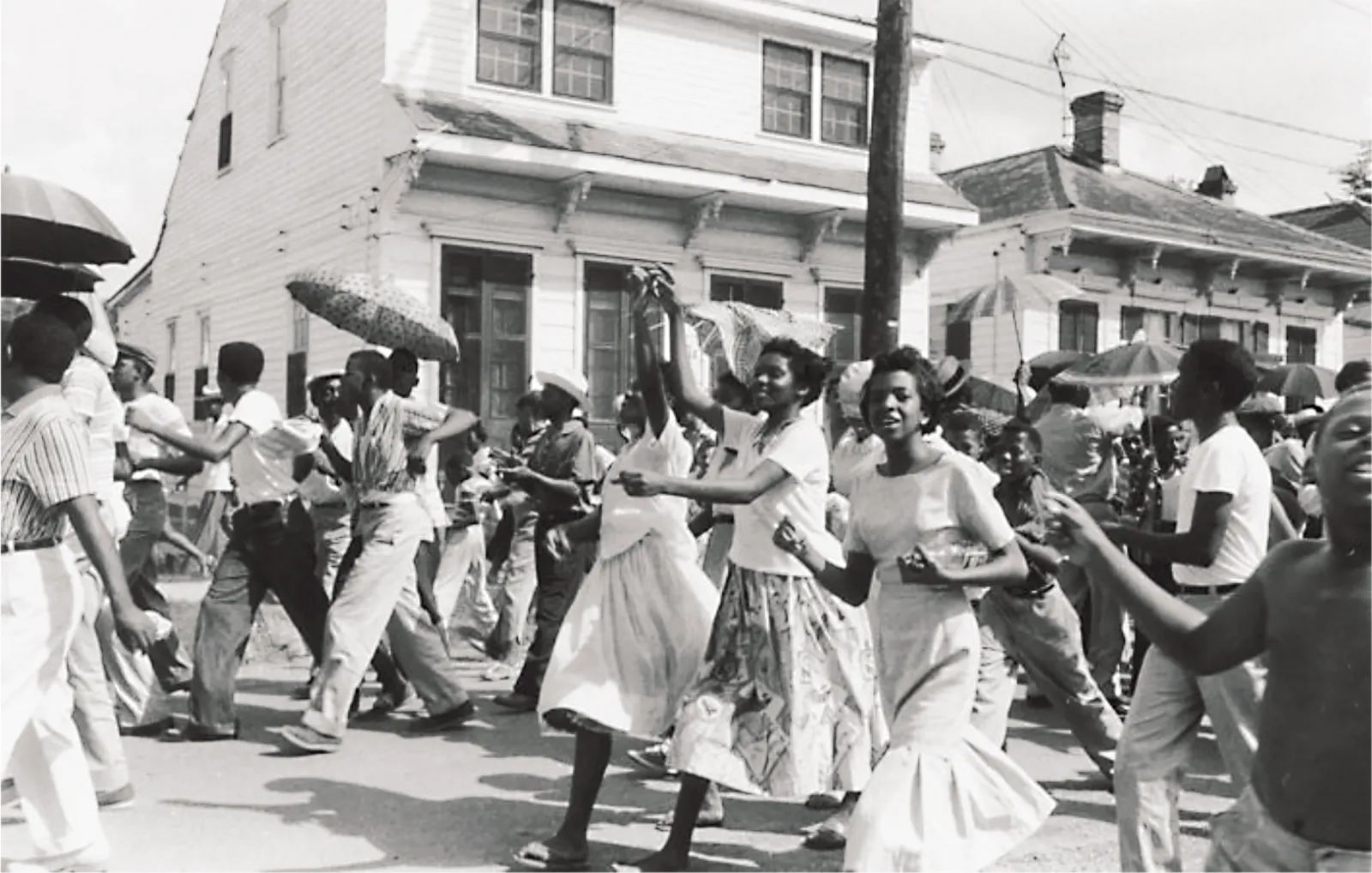
Tremé Walking Tour
Some of the most important chapters in New Orleans music and culture were written in Tremé. A guided walk through the neighborhood connects jazz, Creole history, architecture, community traditions, and the people who helped shape the sound of the city.

Swamp or Airboat Tour
Trade brass bands for bayous for a few hours. Whether the group chooses a slower swamp boat or a faster airboat ride, this is the chance to see cypress trees, wildlife, and hopefully a few alligators who seem completely unimpressed by the visitors.
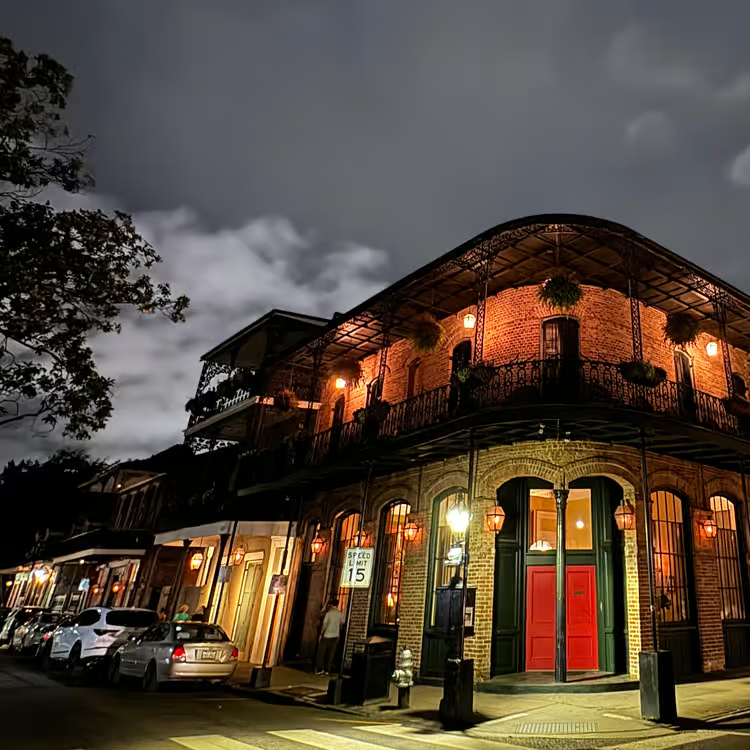
French Quarter Ghost Tour
New Orleans has never been shy about telling a good story, especially when it involves ghosts, murder, mystery, or something that supposedly still wanders the French Quarter after dark. These walking tours mix local history with just enough creepiness to keep everyone paying attention.
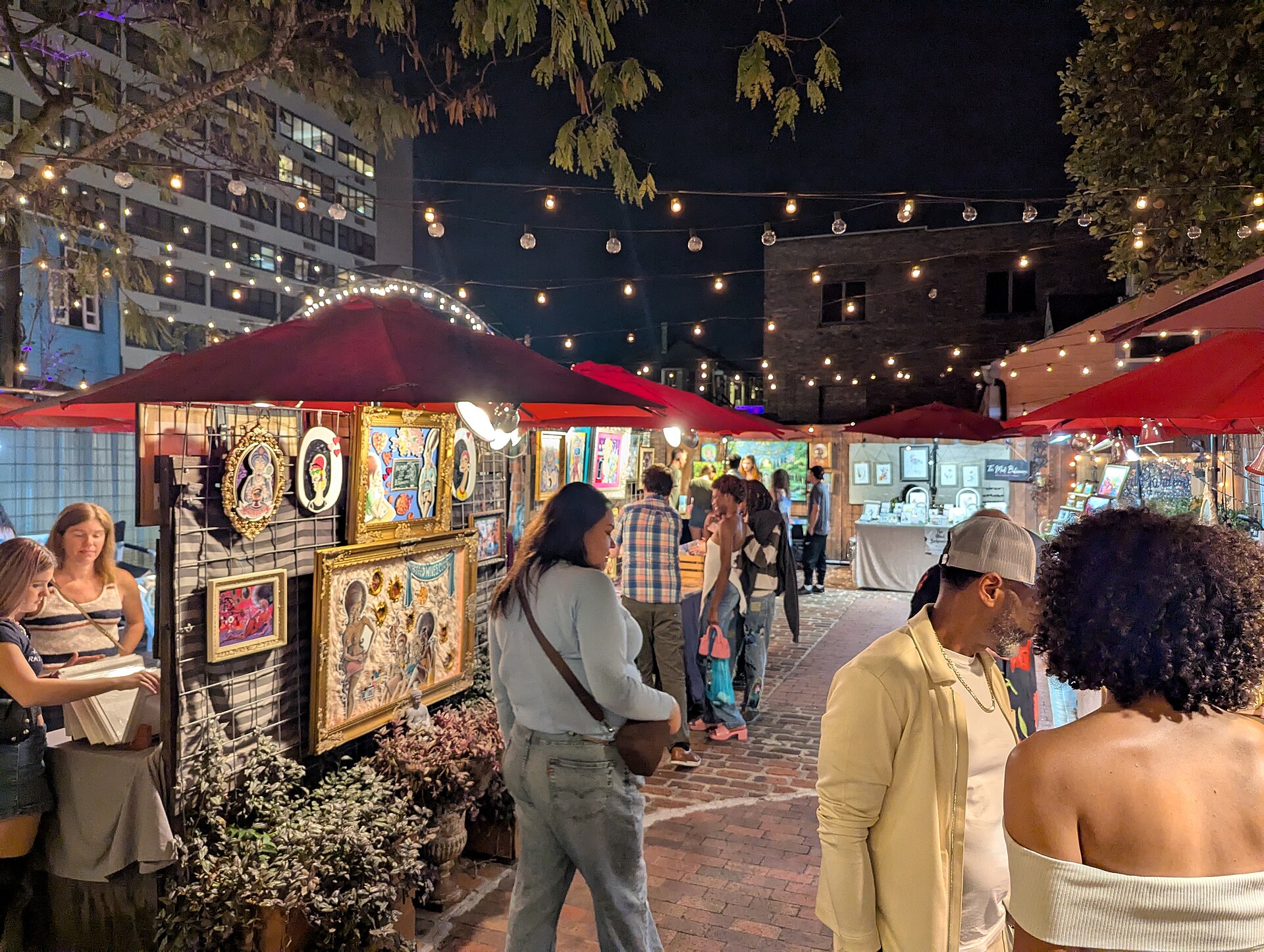
Frenchmen Street Night Market
A little less polished and a lot more local-feeling, Frenchmen Street is packed with music, art, and late-night energy. The open-air market adds local artists and handmade work to the mix, making this a great place to browse without feeling like you wandered into a souvenir warehouse.
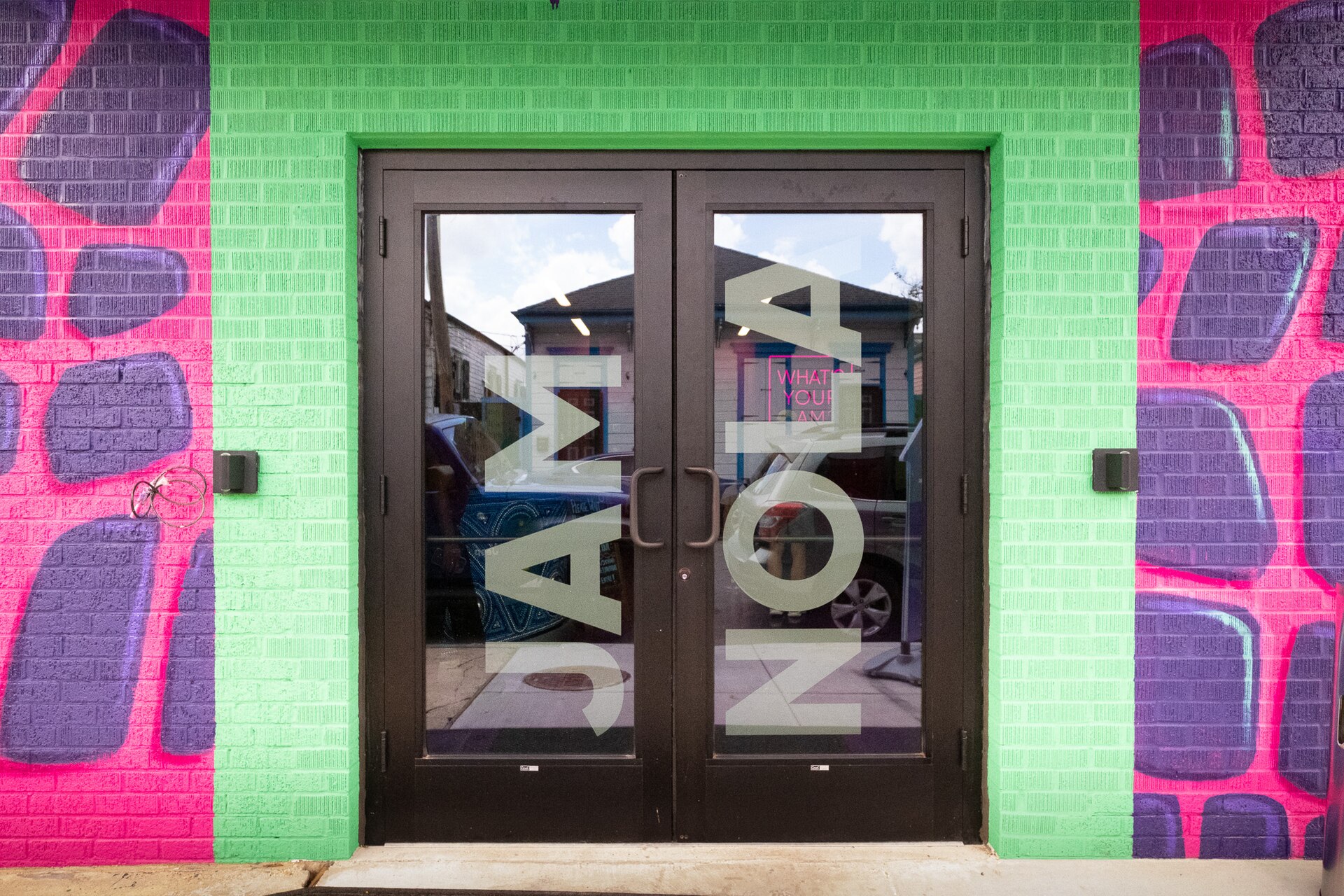
JAMNOLA
Bright, strange, interactive, and very intentionally New Orleans. JAMNOLA turns local music, art, food, and culture into a series of colorful rooms and photo-ready installations that give students permission to touch things for once.

Audubon Aquarium
Right along the Mississippi, the Audubon Aquarium brings together Gulf Coast habitats, tropical environments, sharks, rays, penguins, and plenty of creatures students will immediately try to photograph. It is an easy fit when a group needs something engaging that is not another historical stop.
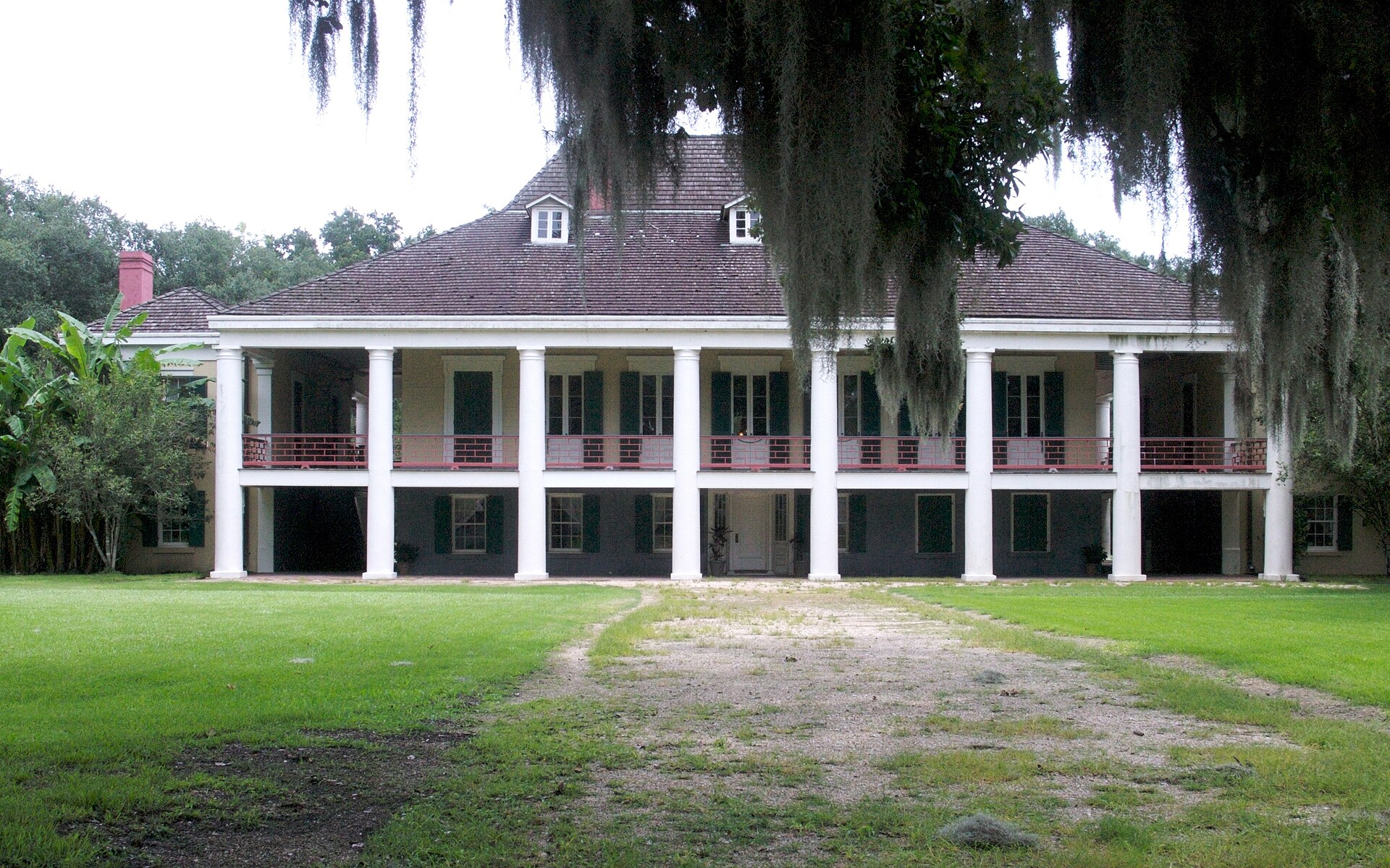
Destrehan Plantation
One of the oldest documented plantation homes in the lower Mississippi Valley, Destrehan gives students a more complete look at the region’s history. Guided interpretation explores the lives of the free and enslaved people connected to the site, along with the economic and cultural forces that shaped Louisiana.
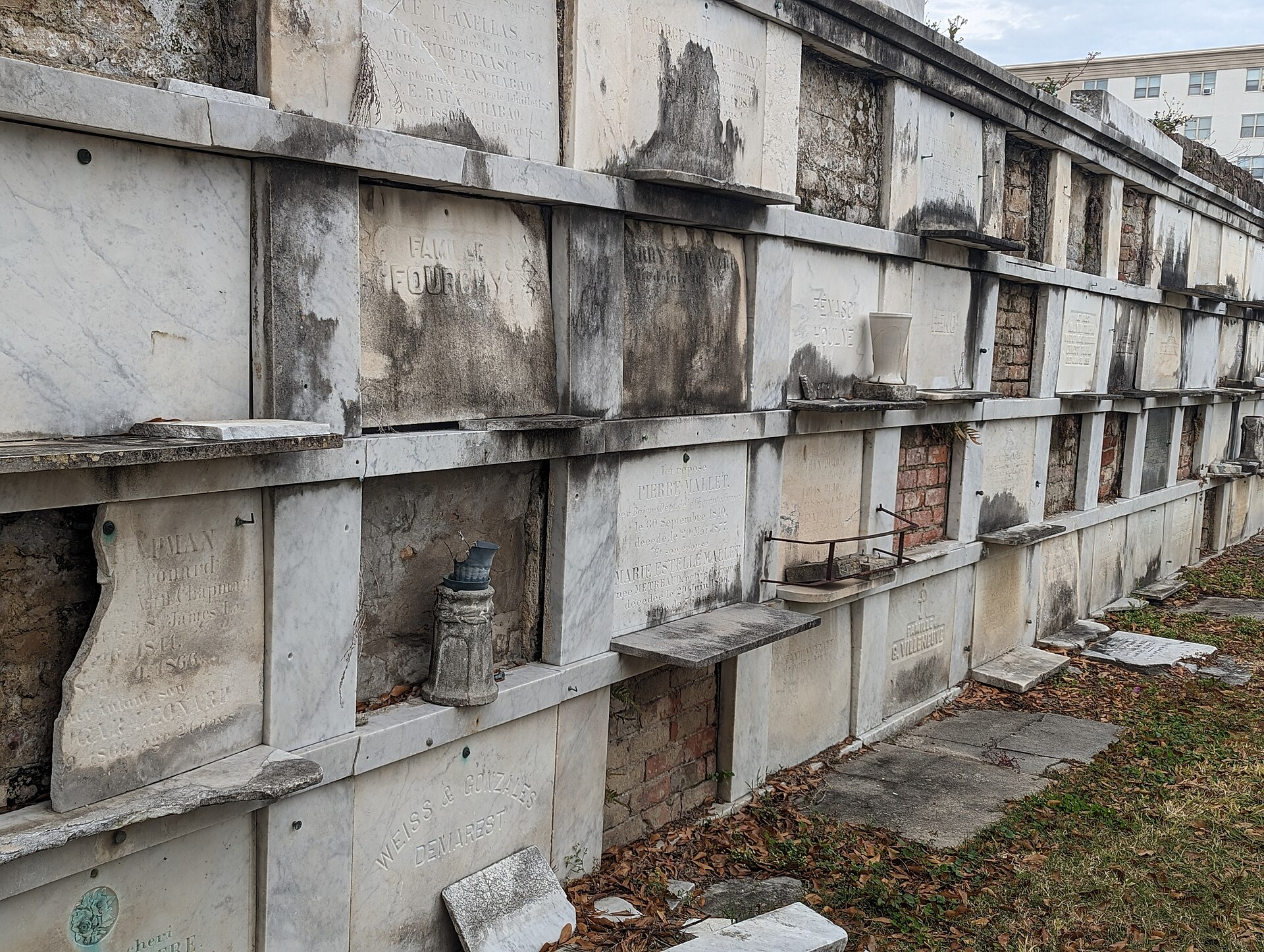
St. Louis Cemetery No. 1
Above-ground tombs, narrow pathways, and centuries of New Orleans history make this cemetery unlike anything most students have seen at home. Guided visits bring the stories behind the tombs to life, including some of the city’s most famous and most mysterious residents.
Ways to Shape the Trip

Festival Bound
Give students a musical goal to chase, then celebrate the work in a city that never really stops performing. New Orleans makes a festival trip feel bigger than the adjudication room because students leave the stage and step straight into a living music culture. Feedback, reflection, and growth suddenly have a whole lot more rhythm behind them.

Sing It, Shape It
Perform first, then get under the hood of the ensemble with a clinician who can sharpen technique, interpretation, and musical choices. In New Orleans, that work lands differently because students are surrounded by a city where expression is everywhere. The lesson is not just how to sing better, but how to make the music actually say something.

All That Jazz
Especially powerful for choirs that want to understand where American music gets some of its swagger, New Orleans lets students hear style, phrasing, improvisation, and storytelling in the place where those ideas have been passed from musician to musician for generations. Suddenly, responding and connecting are not standards on a page. They are happening right in front of them.

The Full New Orleans
Keep the musical heart of the trip, but give the city plenty of room to do what it does best. A performance or clinic can anchor the experience while the rest of New Orleans adds flavor, history, surprise, and just enough beautiful chaos. It is the right fit for directors who want students to grow as musicians and still come home talking about everything else they saw, heard, ate, and experienced.

Ready to Bring Your Choir to New Orleans?
Bring your choir to a city where song carries history, faith, rhythm, and community – then build the trip around the repertoire and voices you already love.
Availability note: Performance opportunities, clinics, workshops, festivals, parades, and special events vary by destination and are subject to availability, eligibility, ensemble size, season, technical requirements, and final approval.
Photo credits: Oscar Dunn Park Amphitheater by Bernard Spragg. NZ from Christchurch, New Zealand (CC0); Lakeside Shopping Center by Infrogmation (CC BY 2.5); Mardi Gras World by acedout (CC BY-SA 2.0); Garden District & St. Charles Streetcar by JasonParis (CC BY 2.0); Frenchmen Street Night Market by Jeremy Thompson (CC BY 4.0); JAMNOLA by Juancabrera21 (CC0); Audubon Aquarium by Gary J. Wood (CC BY-SA 2.0); Destrehan Plantation by Michael Overton (CC BY-SA 3.0); St. Louis Cemetery No. 1 by Cory Doctorow (CC BY-SA 2.0). Via Wikimedia Commons.