
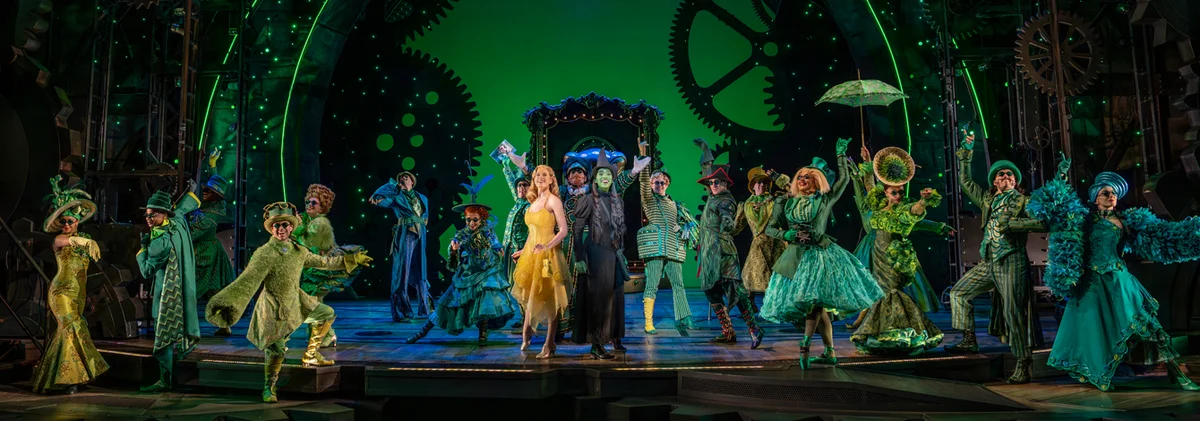
Choir Travel: New York
Defying Harmony
Why New York for Choirs?
Choirs belong in New York. Of course they do. This is a city where Broadway stars, concert singers, chamber choirs, opera companies, cabaret artists, and some of the finest ensembles in the world are all making music within a few subway stops of one another. For young singers, the sheer level of artistry is impossible to ignore.
New York raises the bar simply by being New York. Students hear what happens when diction has to carry to the back row, when storytelling has to land every night, when ensemble precision meets professional expectation, and when a great voice is only the beginning of a great performance. Then they get to bring that energy into their own clinic, workshop, or performance. For a choir teacher, it is the kind of city that can make students listen harder, sing braver, and dream a little bigger.

Performance Possibilities
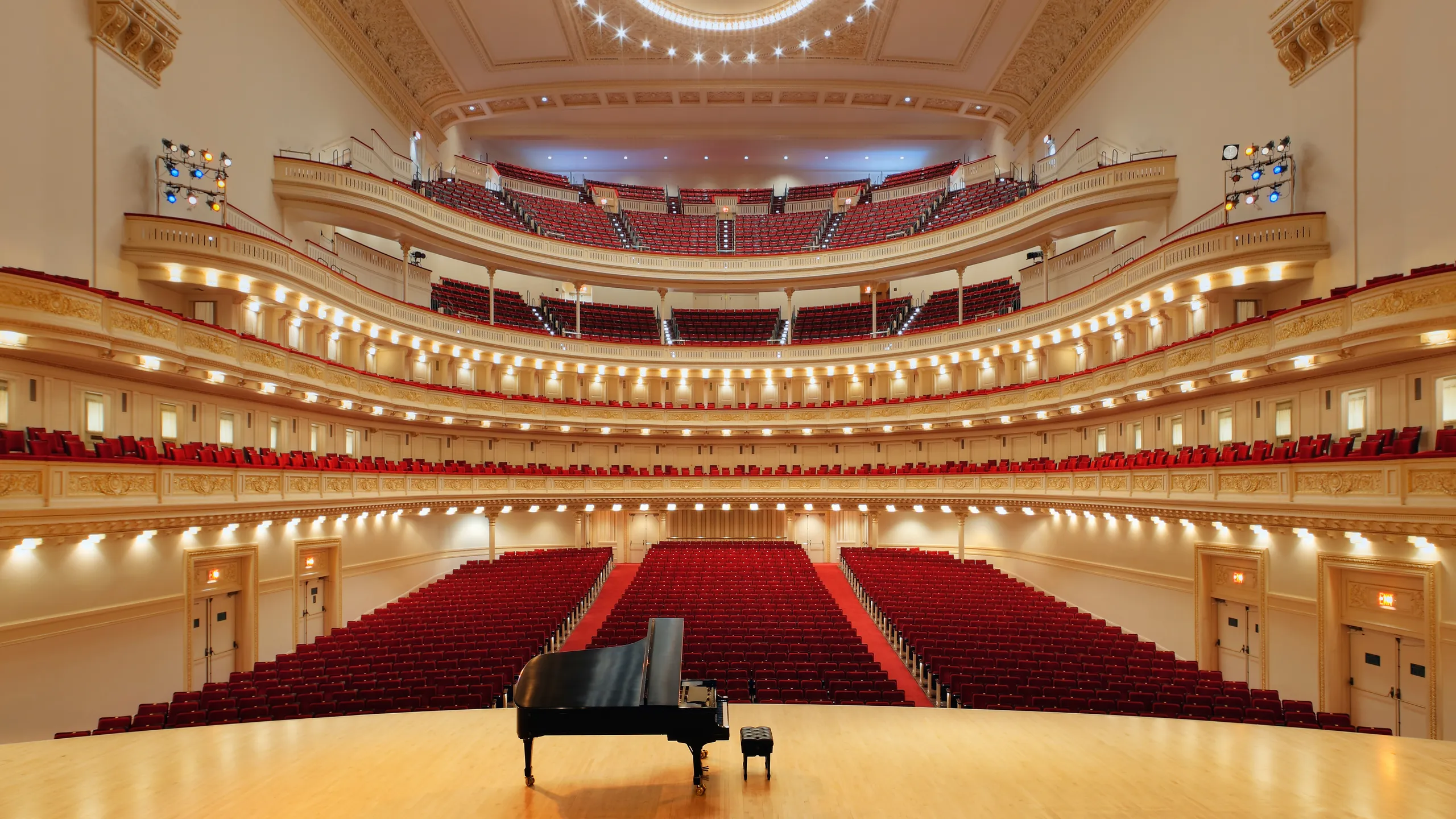
Carnegie Hall
A performance at Carnegie Hall is not something every choir gets to check off a list. It takes the right ensemble, the right opportunity, and serious preparation to earn a place on one of the world’s most storied concert stages. For singers who make it there, the experience carries real weight: high expectations, extraordinary acoustics, and the knowledge that they are adding their voices to a musical history generations in the making.
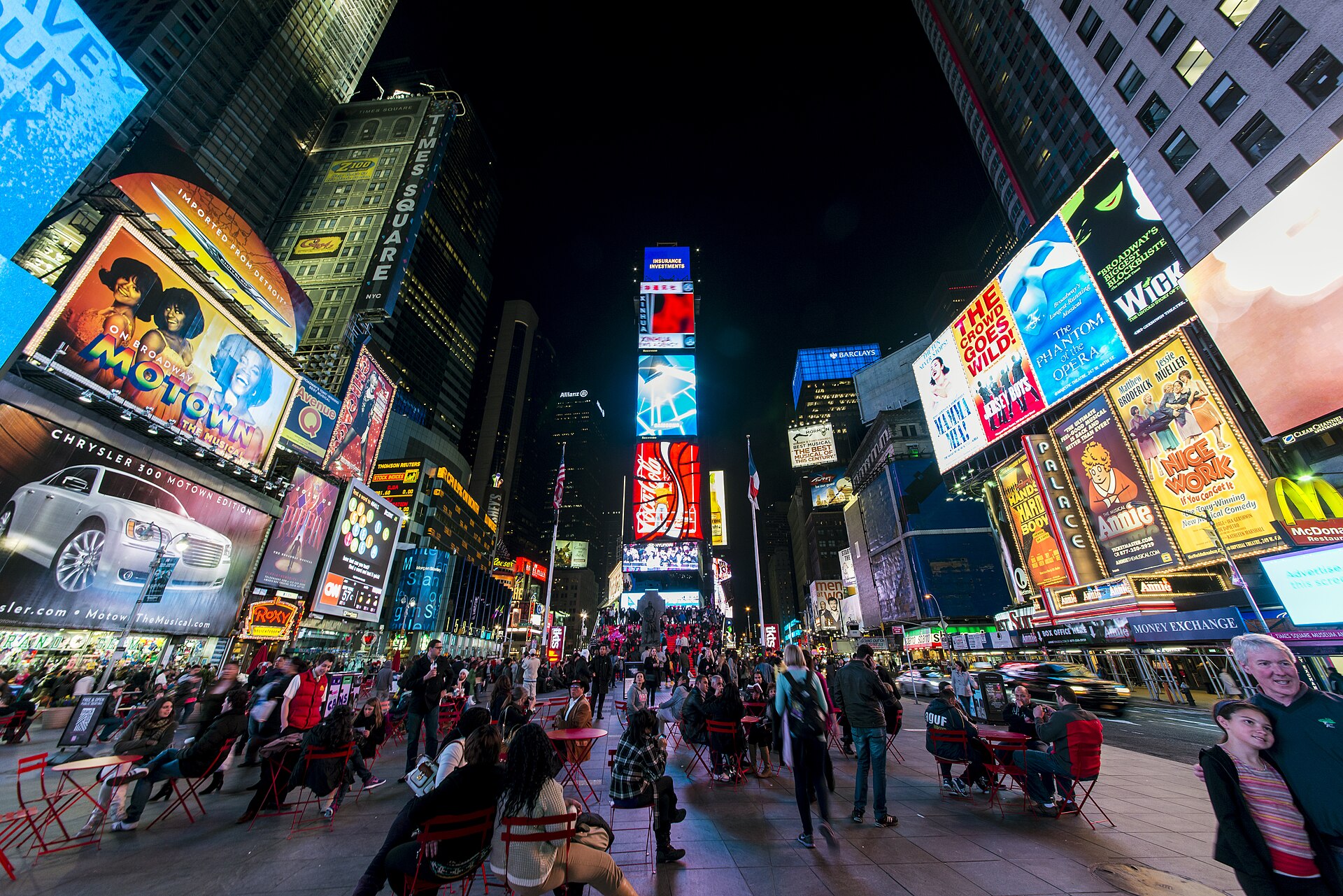
One Times Square
Sing from a balcony overlooking Times Square, just a few floors below the famous New Year’s Eve Ball. With a built-in audience area, the glow of the screens all around, and the sounds of Times Square rising from the street below, this is one of those performance settings students could never mistake for anywhere else. It is bold, public, unmistakably New York, and a pretty unforgettable place for a choir to take the stage.
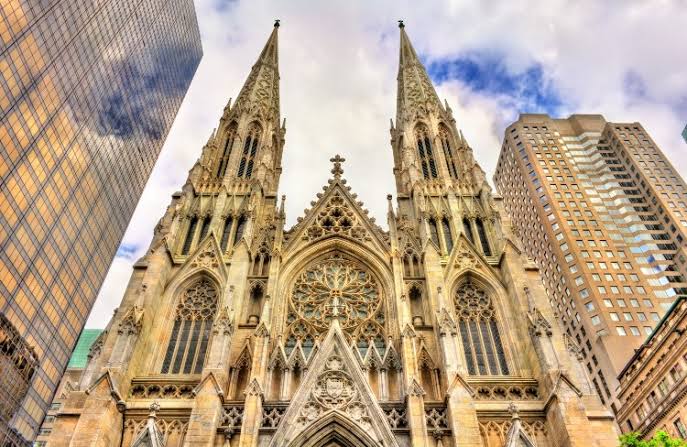
St. Patrick’s Cathedral
An invitation to sing as a guest choir at St. Patrick’s Cathedral is a significant honor. The soaring Gothic space, long reverberation, and sacred character demand thoughtful repertoire, disciplined listening, and real musical restraint. When a choir is welcomed into that room, the experience carries a sense of occasion before the first note ever leaves the ensemble.
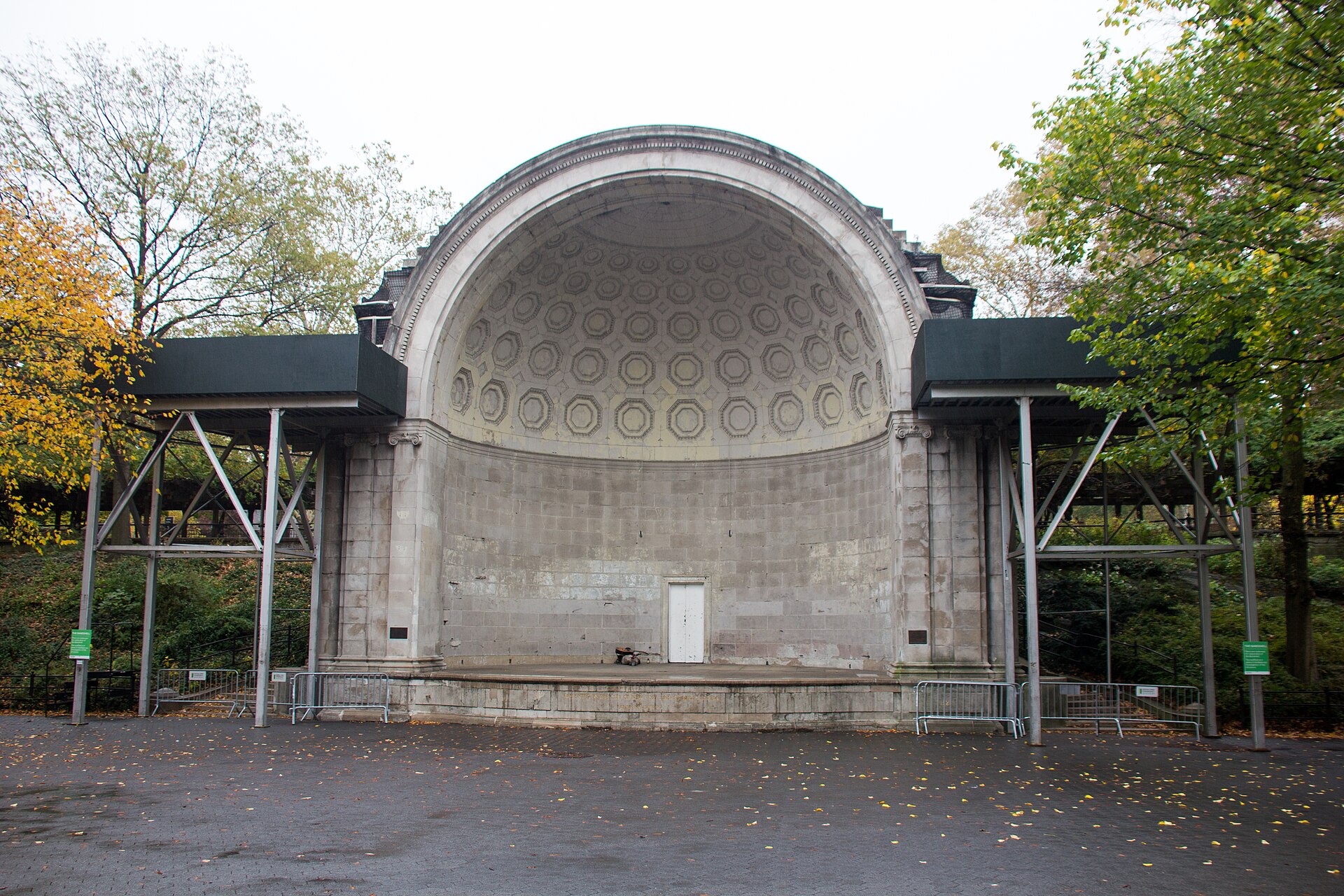
Central Park / Naumburg Bandshell
Trade the concert hall for one of New York’s most iconic outdoor stages. The Naumburg Bandshell gives choirs a real performance setting inside Central Park, surrounded by trees, passing visitors, and the city just beyond the park. It has history, visibility, and that rare feeling of singing in the middle of Manhattan without needing four walls around you.

Empire State Building
Perform inside one of the most recognizable buildings on Earth, then head upward and see New York stretching to the horizon. The combination of singing and skyline makes this far more than another observation-deck visit. Students get to add their own sound to an icon they have seen in movies, photographs, and probably a few hundred Instagram posts.
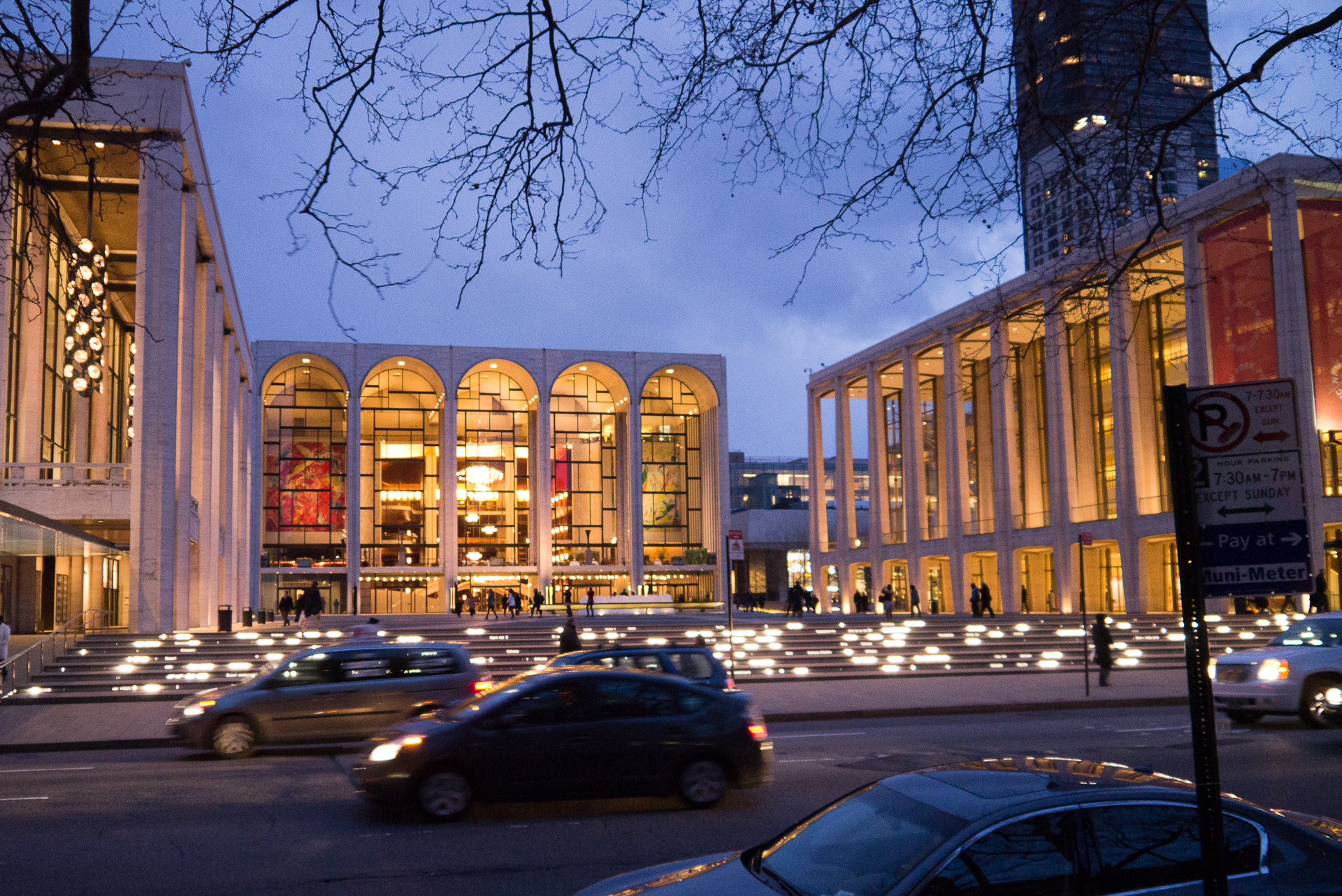
Josie Robertson Plaza at Lincoln Center
The names surrounding this plaza say plenty before the choir ever starts singing: Juilliard, the Metropolitan Opera, New York City Ballet, the New York Philharmonic. Performing at the heart of Lincoln Center places students in the middle of one of the world’s great performing-arts campuses, where simply looking around can make the possibilities in music feel a little bigger.

South Street Seaport
Cobblestone streets, historic buildings, the East River, and the Brooklyn skyline give this performance an entirely different New York flavor. The Seaport feels removed from Midtown’s intensity without losing the city’s energy, making it a lively public setting where music can mingle naturally with the waterfront around it.

Statue of Liberty
There are few backdrops more instantly recognizable than Lady Liberty. Singing here gives the performance a sense of occasion before the first note, especially for repertoire tied to freedom, hope, immigration, or the American story. It is one of those moments where the symbolism of the place can completely change how students think about what they are singing.

One World Observatory
Few performance days carry a backdrop with this much meaning. Singing at One World connects the ensemble with Lower Manhattan’s extraordinary story of loss, resilience, rebuilding, and possibility, while the view from above puts the scale of New York into perspective. Repertoire and intent matter here, and that makes the experience especially powerful.
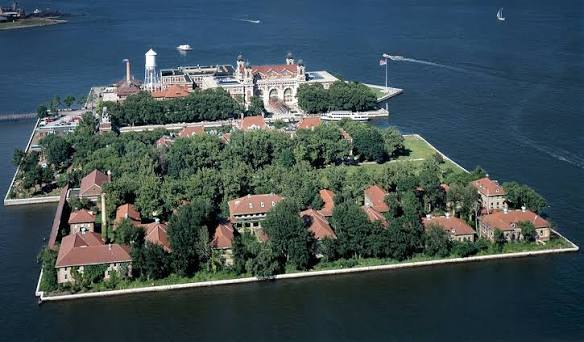
Ellis Island
For generations of families, Ellis Island marked the beginning of an entirely new chapter. A choir performance here can turn repertoire about home, belonging, identity, or journey into something far more immediate, surrounded by the stories of millions who passed through these halls. The history does not sit quietly in the background. It becomes part of what the music means.

Edge at Hudson Yards
A choir performance and the highest outdoor sky deck in the Western Hemisphere make for a rather memorable pairing. Hudson Yards brings sleek, modern New York into the picture, and Edge takes the experience straight up into the skyline. Singing here feels current, bold, and miles away from the traditional school-stage experience, even when the rehearsal habits that got students here remain exactly the same.
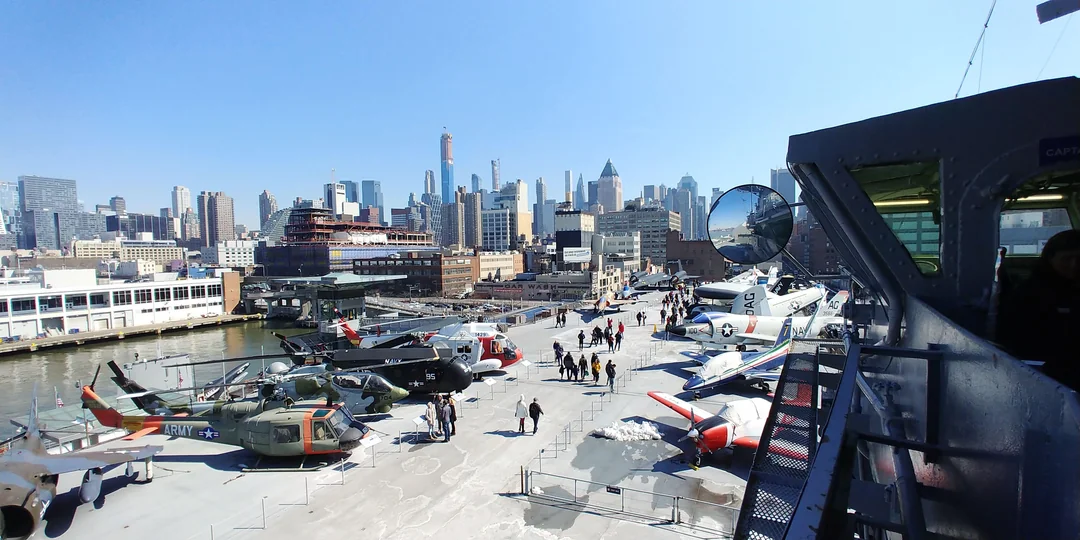
USS Intrepid Flight Deck
Sing on the flight deck of an aircraft carrier with the Hudson River on one side and Manhattan rising on the other. The Intrepid has been a longtime favorite for student performance groups because the setting does most of the dramatic work for you. Add aircraft, naval history, and a very New York waterfront view, and this becomes one of those performances that feels like an event before anyone even raises a folder.
Clinics & Workshops

Dan Micciche Workshop
Step into the musical world of Wicked with the person responsible for keeping one of Broadway’s biggest scores alive night after night. Working with Dan Micciche can take students straight into the choices behind pacing, storytelling, ensemble precision, and the relationship between conductor, singers, and stage. Broadway suddenly stops being something they watch and starts becoming something they understand from the inside.

Wicked Cast Q&A
What does eight shows a week actually demand from a singer? How do performers protect their voices, keep a role fresh, recover from mistakes, and stay connected to a story they have told hundreds of times? A conversation with members of the Wicked company gives students permission to ask the questions they really want answered about professional life on Broadway.
Broadway Up Close
Build the session around the show your students are seeing and take that music off the page. The workshop can focus entirely on singing, spotlight solo work, develop ensemble numbers, or layer in choreography so students experience how voice and movement have to work together on a Broadway stage. Because the material connects directly to the production, the lesson tends to hit differently when students see those same choices come alive that night.
Broadway Imagined
Choose the show, choose the focus, and let the workshop meet the choir where it is. Singers can dig into a featured number, work on solo or ensemble material, add Broadway-style movement, or combine all three into a fast-paced rehearsal built around the production they are about to experience. It turns a night at the theatre into something much more active: students have already wrestled with the music themselves before watching professionals take it all the way.
Broadway Backstage Tour
The audience sees magic. Backstage sees cues, headsets, scene changes, automation, costumes, traffic patterns, and hundreds of details that cannot afford to be late. Going behind the curtain reveals the astonishing coordination required to run a Broadway production eight times a week and gives students a new appreciation for everyone whose name never appears above the title.

Manhattan School Clinic
Bring the music your choir is already living with and let a New York collegiate musician hear it without months of rehearsal-room history attached. Fresh ears can catch habits an ensemble no longer notices, challenge an interpretation everyone thought was settled, or unlock a passage that has refused to cooperate back home. In a city overflowing with extraordinary musicians, sometimes one new voice in the room is exactly what the choir needs.

Young People’s Chorus
There is something powerful about learning from an organization built around young voices performing at an extraordinary level. A session with Young People’s Chorus can challenge students to think beyond blend and accuracy toward confidence, communication, artistry, and what a youth ensemble can accomplish when expectations are raised. Seeing singers close to their own age doing remarkable work tends to make excuses disappear rather quickly.
New York Choral Society Clinic
Put the ensemble’s repertoire in front of musicians immersed in New York’s professional choral world and see what changes. The work can move quickly from technical details into larger questions of color, text, architecture, and emotional shape, helping students hear familiar music with a more sophisticated ear. It is less about fixing a few measures and more about widening the choir’s idea of what the piece could become.
NYU Steinhardt Choral Workshop
A rehearsal in Greenwich Village already feels a long way from the school choir room. Add the perspective of NYU Steinhardt’s music faculty and the session can become a serious exploration of ensemble sound, interpretation, vocal technique, and the artistic choices behind a polished performance. For students beginning to wonder what music study after high school might look like, this one also offers a tantalizing glimpse of the next chapter.
Beyond the Stage
New York runs on its own kind of electricity. Every block seems to offer something new to see, hear, eat, photograph, or stumble into, and that constant sense of discovery is a huge part of the trip. The city feels alive at every hour, from the first coffee stop to the last neon-lit walk back to the hotel. For students, that means the experience keeps unfolding long after the scheduled activity ends, with enough energy, flavor, and personality to make every day feel completely different from the one before.
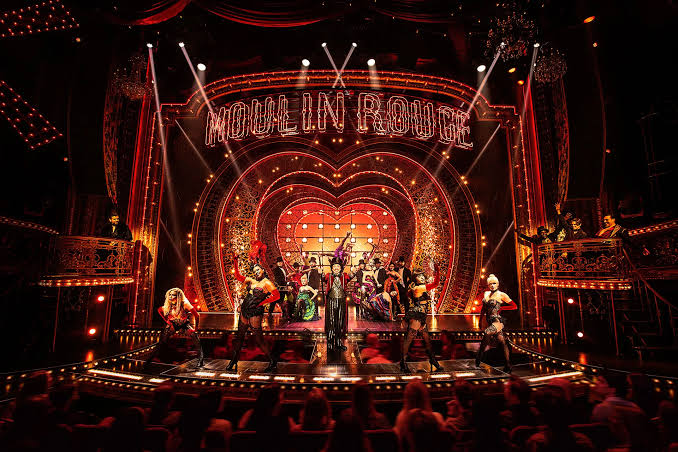
Broadway Performance
See one show or make Broadway the evening plan every night. There are always enough productions in New York to match the group, from big musicals and long-running favorites to newer shows everyone will be talking about by the time students get home. For choir students, watching elite singers, actors, dancers, musicians, designers, and technicians bring a story to life at full force can be equal parts exhilarating and dangerous to future career plans.
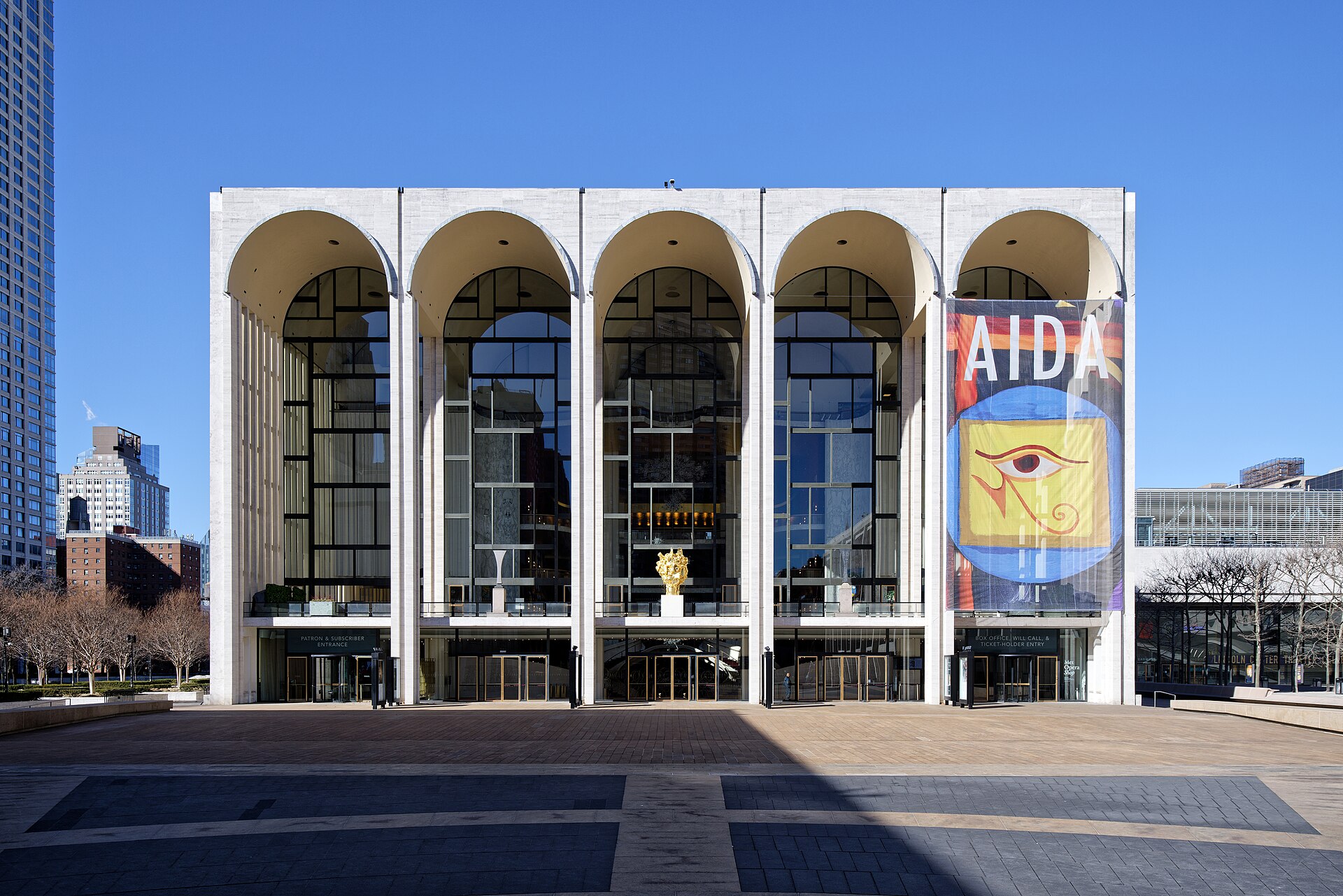
Metropolitan Opera
The Met does not believe in doing anything halfway. Voices soar over a full orchestra, scenery transforms entire worlds, and stories unfold on a scale that makes even the grandest school production look rather modest. Hearing elite classical singers fill that enormous house without amplification is an unforgettable lesson in what the human voice can actually do.
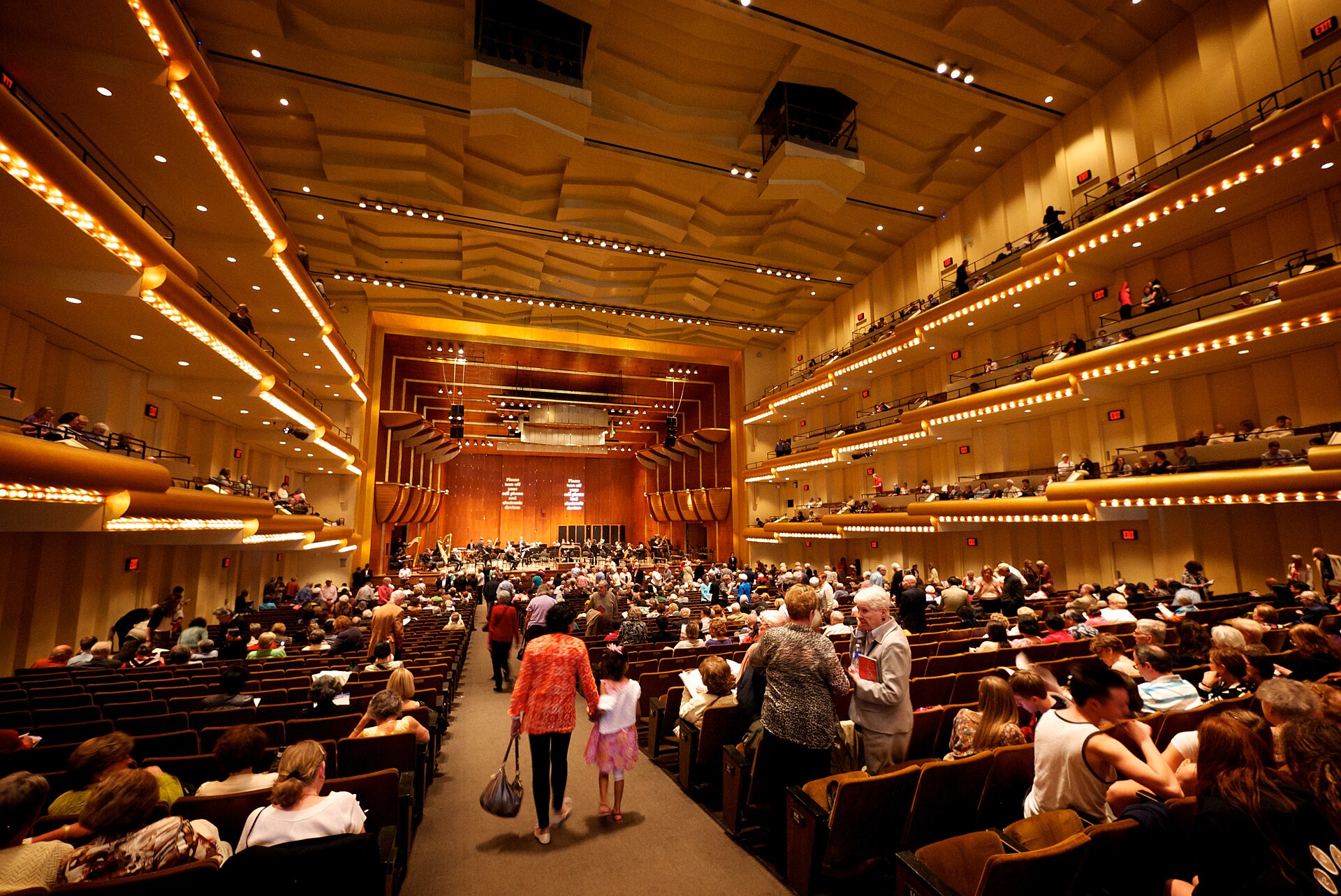
New York Philharmonic
Sometimes precision can be thrilling. The New York Philharmonic lets students hear world-class musicians breathe, shape, respond, and move through a score with the kind of ensemble awareness directors spend years trying to build. When major choral works are on the program, the experience becomes even more powerful for young singers.
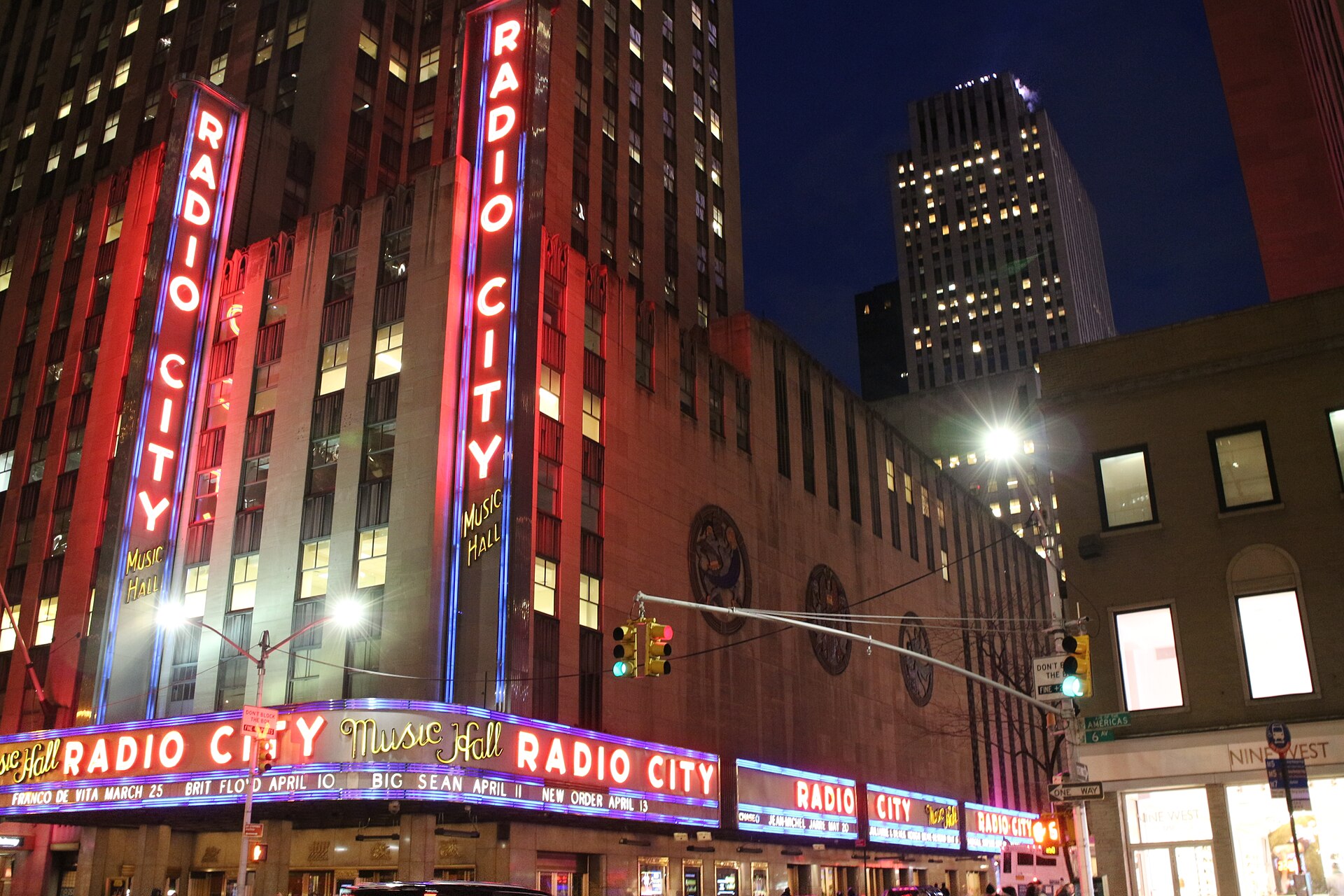
Radio City Music Hall
There are theatres, and then there is Radio City. The scale of the room, the Art Deco glamour, the famous stage, and generations of entertainment history make simply walking inside feel like an event. Add a performance or behind-the-scenes experience and students get a glimpse at the polish, discipline, and spectacle required to make something this enormous look effortless.
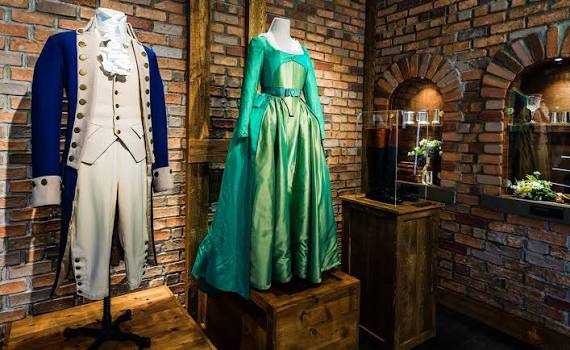
Museum of Broadway
Broadway has plenty of glitter, but the road to opening night is full of rewrites, risks, failures, breakthroughs, and people nobody sees from the audience. The Museum of Broadway pulls back that curtain through costumes, designs, artifacts, and stories from landmark productions, giving students a much richer sense of how the art form became what it is today.
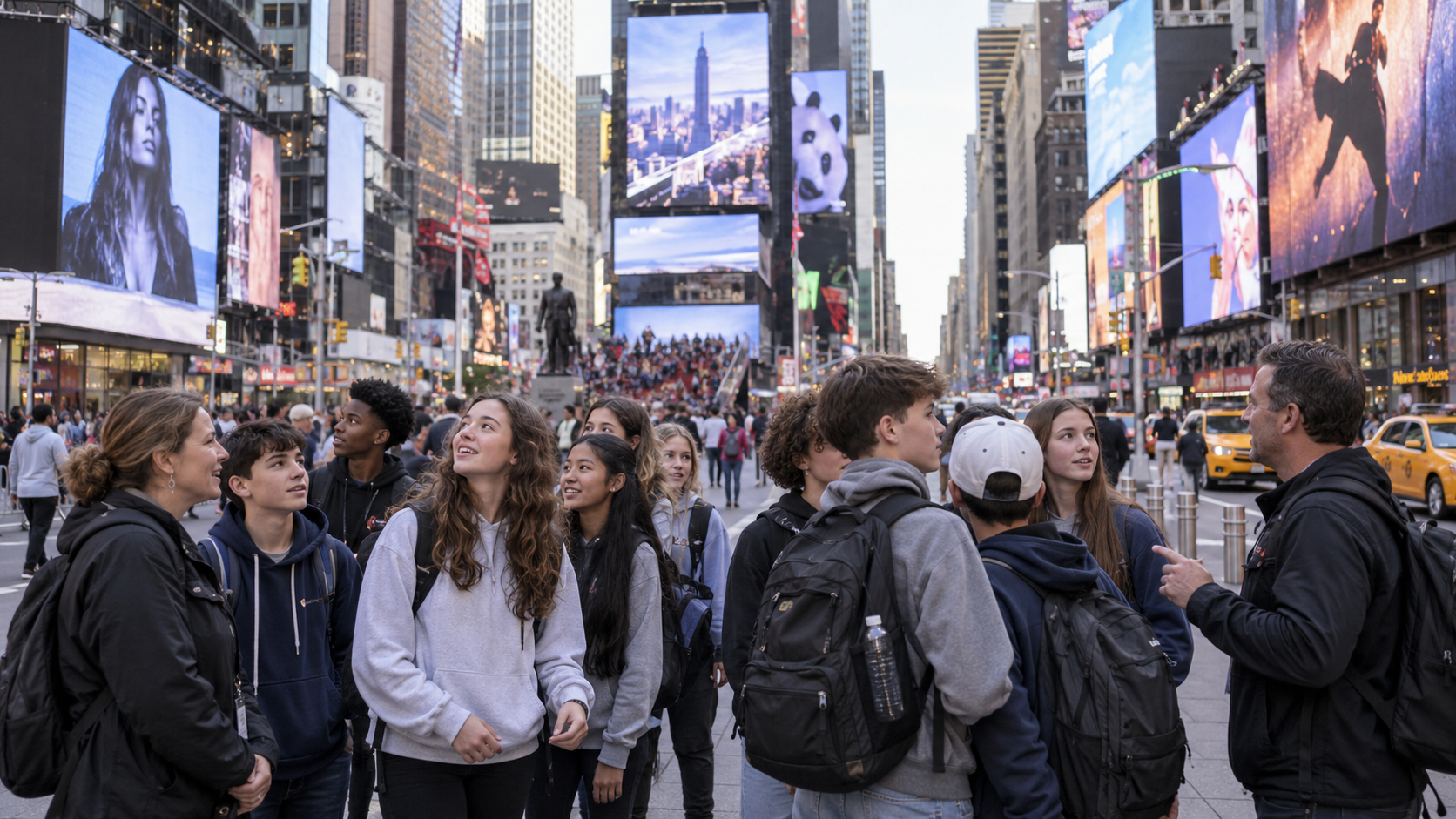
Times Square
Subtle it is not. Times Square hits students with light, sound, crowds, marquees, street performers, and enough visual stimulation to make everyone forget they were tired five minutes ago. Standing in the middle of it all, surrounded by Broadway theatres and the pulse of Midtown, is one of those wonderfully ridiculous moments when the trip suddenly feels very, very real.
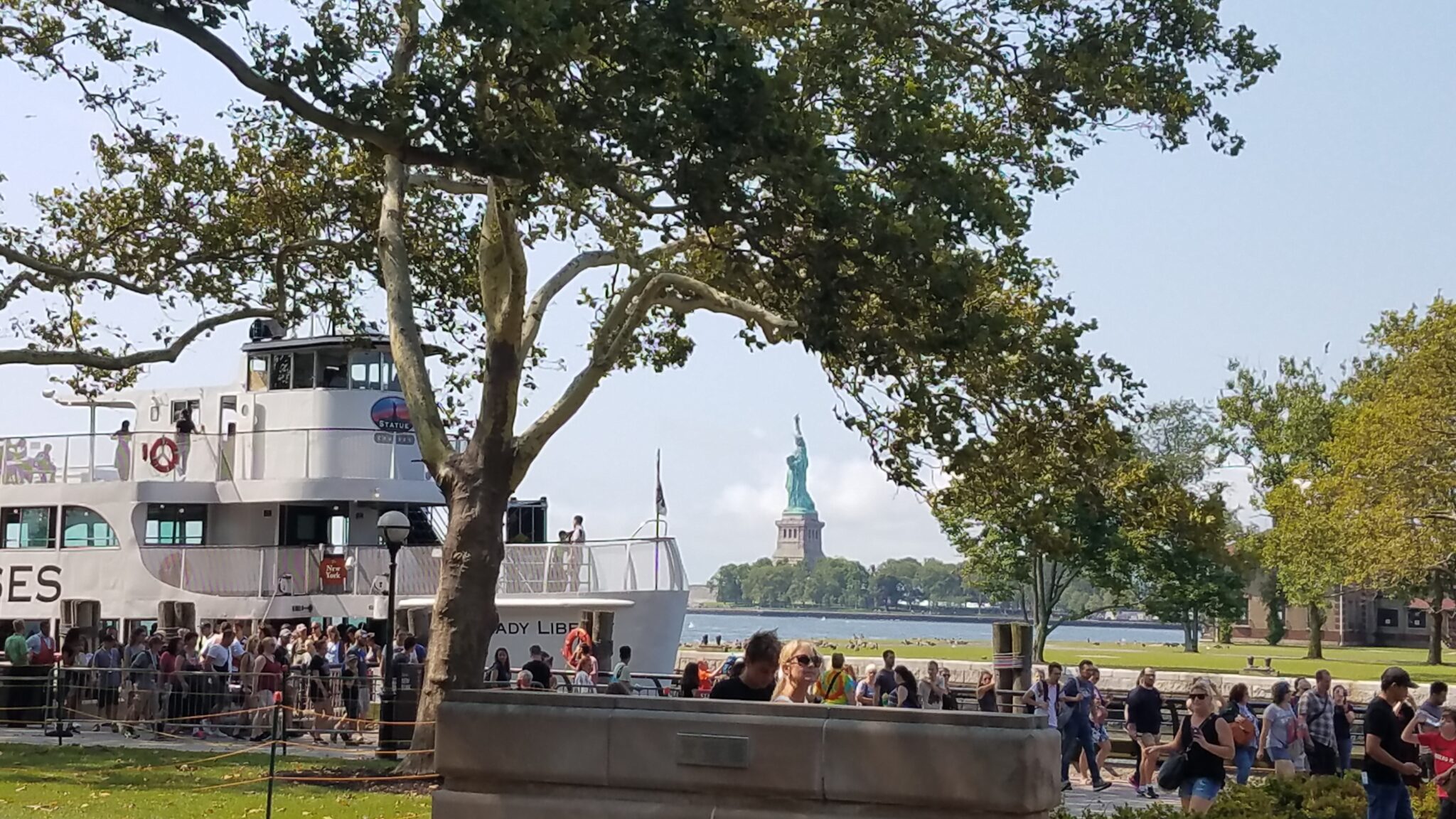
Statue of Liberty & Ellis Island
Few places bring ideas like freedom, immigration, identity, and belonging into sharper focus. Standing beneath the Statue of Liberty and then walking through the halls of Ellis Island gives students a human connection to stories they may only know from textbooks or family history. For singers, especially those performing repertoire about home or hope, the experience can add unexpected depth to the music they carry with them.

9/11 Memorial & Museum
New York’s energy makes moments of stillness stand out even more. The 9/11 Memorial and Museum gives students space to understand the events, the people, and the lasting impact of September 11 through personal stories, artifacts, and the site itself. It is a serious stop, but an important one, and the experience often stays with students long after the trip ends.

Intrepid Museum
Aircraft carrier. Space shuttle. Fighter jets. Submarine. The Intrepid is the kind of museum that wins over students before anyone has to explain why they should care. Climbing through real machines and standing on the flight deck with Manhattan nearby makes history feel physical, enormous, and considerably less sleepy than a chapter heading.

New York Harbor Dinner Cruise
Give everyone a night to dress up a little, eat well, and watch Manhattan light up from the water. A dinner cruise adds a DJ, dancing, and plenty of time for the group to celebrate together while the Statue of Liberty, bridges, and skyline drift past outside. After days of rehearsals, performances, and New York miles on foot, dancing the night away on the harbor is a pretty spectacular change of pace.
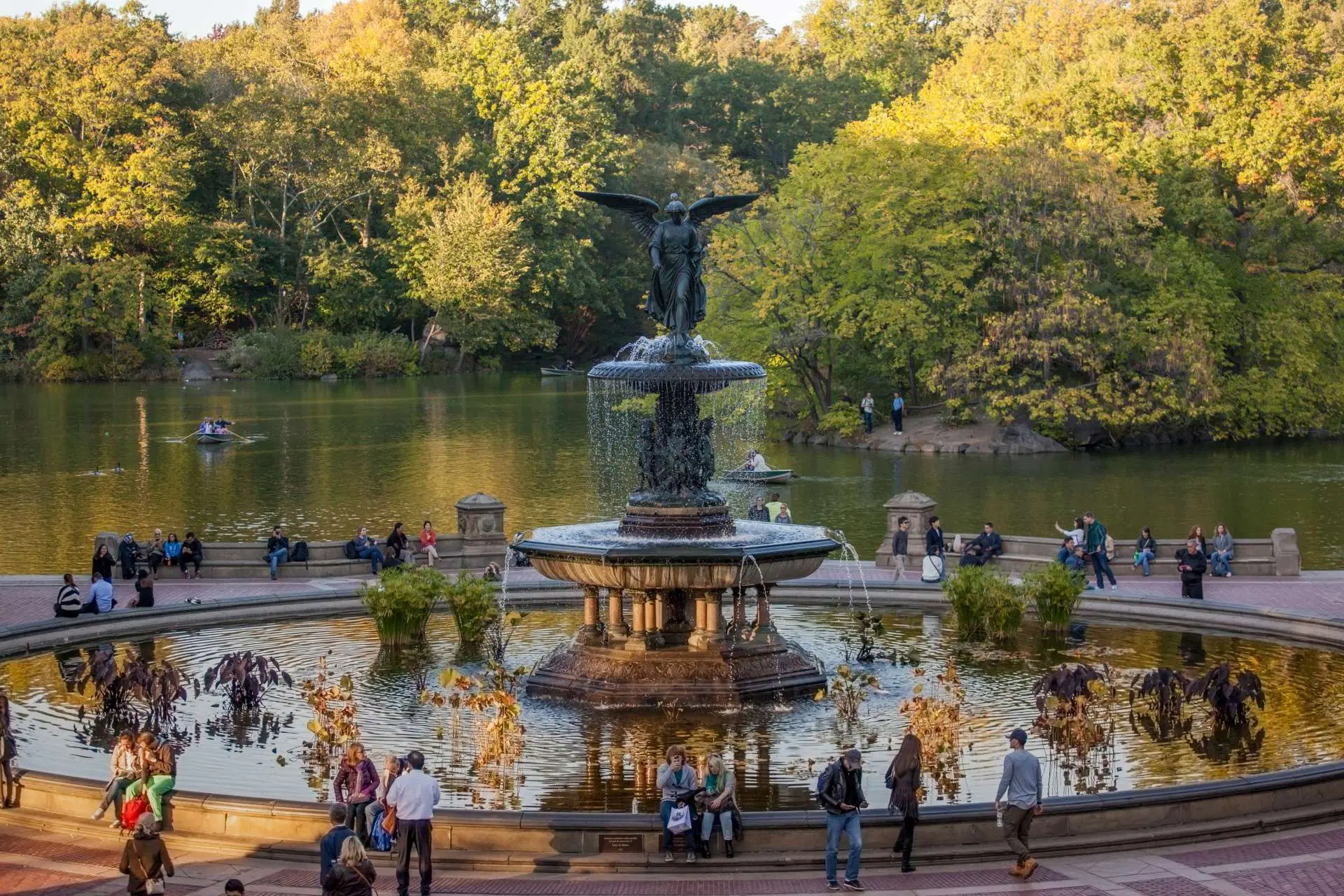
Central Park
New York somehow manages to hide 843 acres of breathing room in the middle of Manhattan. Central Park gives students room to wander, laugh, take photos, watch street performers, and briefly forget that traffic exists. After days of theatres, rehearsals, and packed sidewalks, a little green space can feel downright luxurious.

Observation Decks
Pick a perspective. Edge stretches glass and sky beneath your feet, Top of the Rock frames the Empire State Building beautifully, One World rises above Lower Manhattan, and the Empire State Building delivers the classic New York view students already recognize. Whichever tower wins, seeing the city from above has a way of turning miles of walking into one enormous “ohhh, that’s where we were.”
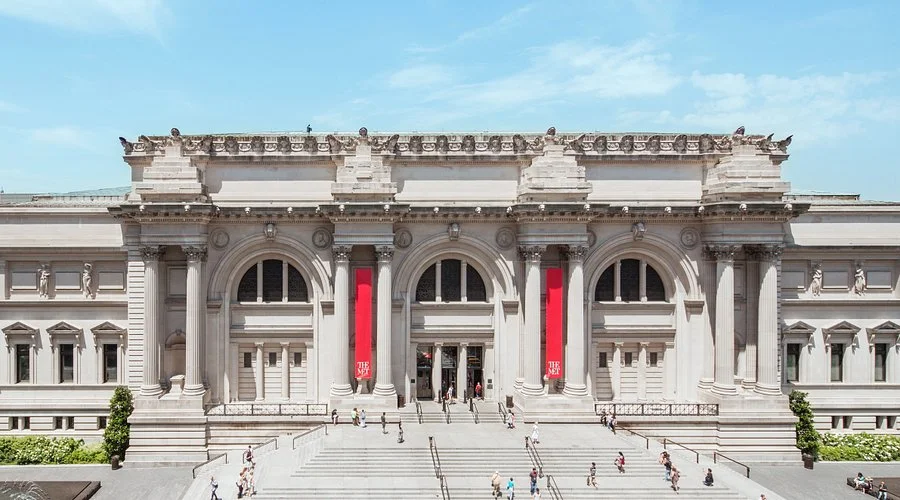
The Metropolitan Museum of Art
The Met can move from ancient Egypt to Renaissance Europe to American fashion in the time it takes a student to say, “Wait, there is more?” Its scale is staggering, but that is part of the fun. Students can chase the art that interests them, stumble into something completely unexpected, and discover that a museum this famous still has plenty of surprises.
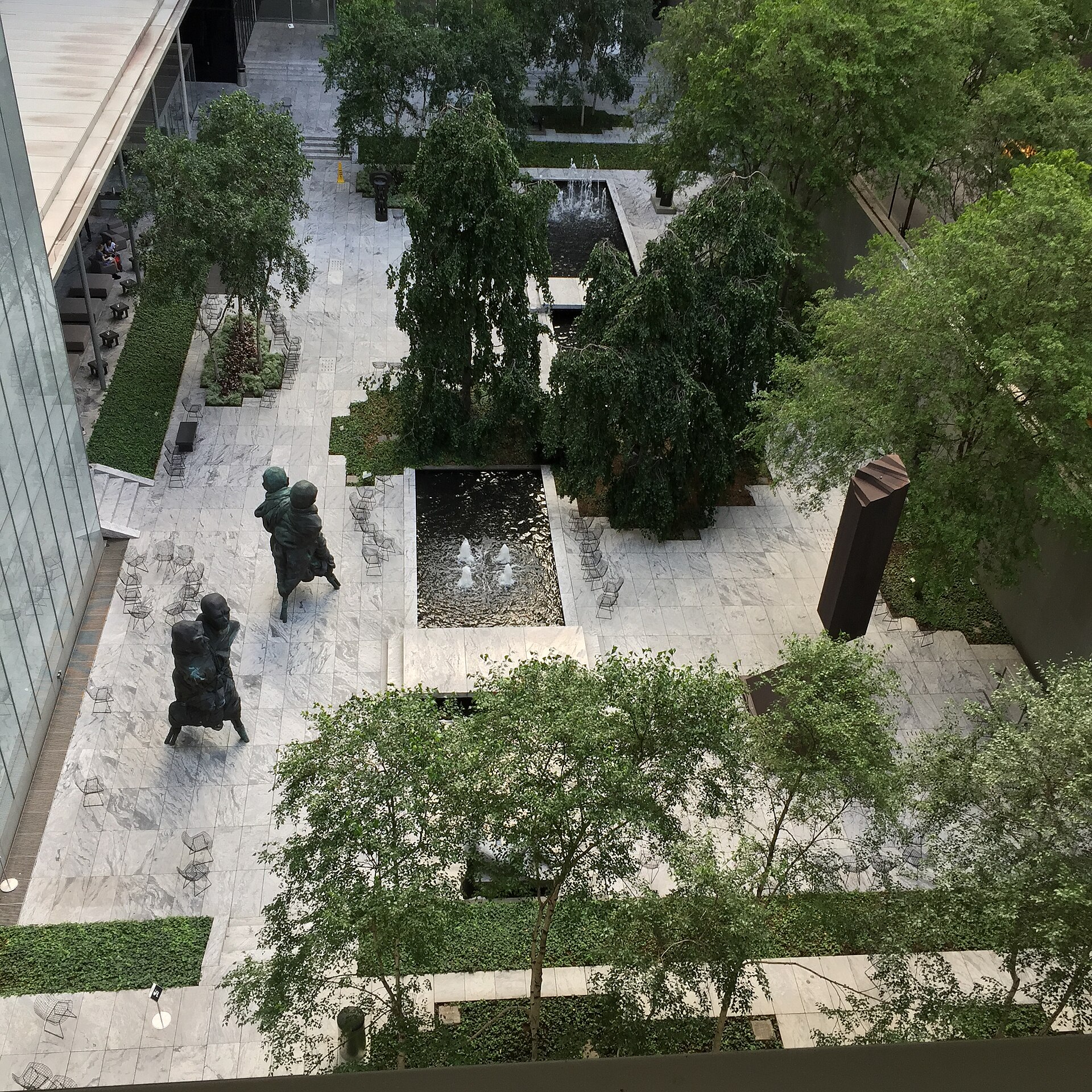
Museum of Modern Art
MoMA makes a compelling case that art does not have to behave. Picasso, Warhol, Van Gogh, design, photography, film, and works that may spark immediate debate give students plenty to react to. It is especially good for creative kids because agreement is optional. Having an opinion is half the experience.
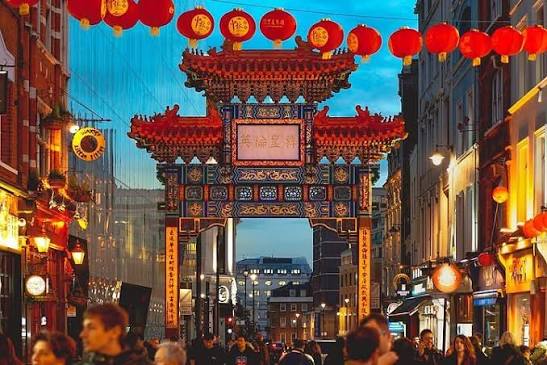
Chinatown & Little Italy
Two historic neighborhoods, two completely different energies, and one very good excuse to arrive hungry. Wandering these streets gives students a taste of the immigrant communities that helped shape New York while adding food, markets, storefronts, and neighborhood life to a trip otherwise dominated by major landmarks. Sometimes the smaller streets tell the bigger story.
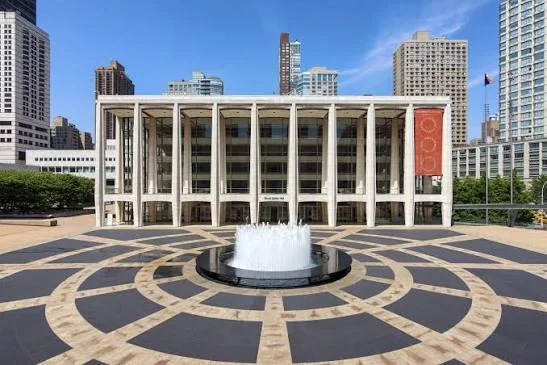
Lincoln Center Behind the Scenes
The plaza is impressive. What happens behind the doors is even better. A backstage look at Lincoln Center can reveal rehearsal spaces, performance halls, technical areas, and the enormous amount of work required to keep one of the world’s great performing-arts campuses moving. For young singers, being that close to the machinery of professional music can make the next step in their own journey feel suddenly possible.
Ways to Shape the Trip

Give My Regards to Broadway
Build the trip around the world students already dream about. See a major Broadway production, then pull the curtain back with a show-specific clinic, backstage experience, or conversation with working artists. New York lets singers connect rehearsal-room skills to the real demands of musical theatre, where voice, acting, movement, timing, and storytelling all have to land at once.

Make Your New York Debut
Give the choir something worth preparing for before the bus ever leaves home. A performance in New York, paired with a focused clinic or adjudication, raises the stakes in the best possible way. Whether the ensemble is singing in a landmark space, outdoors in the city, or for expert listeners, the setting itself pushes students to arrive ready, listen harder, and perform with purpose.

Uptown & In Tune
Let Lincoln Center set the tone. Spend time with opera, orchestral music, professional choral singing, and the kind of repertoire that can make a student rethink what the human voice is capable of. The Met, the Philharmonic, and major vocal performances turn abstract ideas about scale, artistry, breath, and ensemble precision into something students can actually hear and feel from their seats.

Big Apple, Full Bite
Go all in. Give the choir a meaningful performance or clinic, then let New York pile on everything else that makes the city impossible to forget. Broadway, skyline views, neighborhoods, food, museums, history, late-night lights, and a few surprises nobody planned for all become part of the story. This is the route for directors who want the music to matter, but also want students to come home feeling like they really did New York.

Ready to Bring Your Choir to New York?
Take your choir into New York’s world of Broadway, choral singing, landmark venues, and extraordinary voices – all shaped around your ensemble’s goals.
Availability note: Performance opportunities, clinics, workshops, festivals, parades, and special events vary by destination and are subject to availability, eligibility, ensemble size, season, technical requirements, and final approval.
Photo credits: Hero photo: Wicked, photo by Joan Marcus; One Times Square by chensiyuan (CC BY-SA 4.0); Central Park / Naumburg Bandshell by Mike Peel (CC BY-SA 4.0); Empire State Building by Dllu (CC BY-SA 4.0); Josie Robertson Plaza at Lincoln Center by Thomas Roessler (CC BY-SA 3.0); One World Observatory by King of Hearts (CC BY-SA 3.0); Edge at Hudson Yards by Wikipettanko (CC BY-SA 3.0); Metropolitan Opera by D. Benjamin Miller (CC0); New York Philharmonic by Jun Seita (CC BY 2.0); Radio City Music Hall by Suicasmo (CC BY-SA 4.0); Museum of Modern Art by BrillLyle (CC0). Via Wikimedia Commons.