
Choir Travel: Washington, DC
A National Anthem
Why Washington, DC for Choirs?
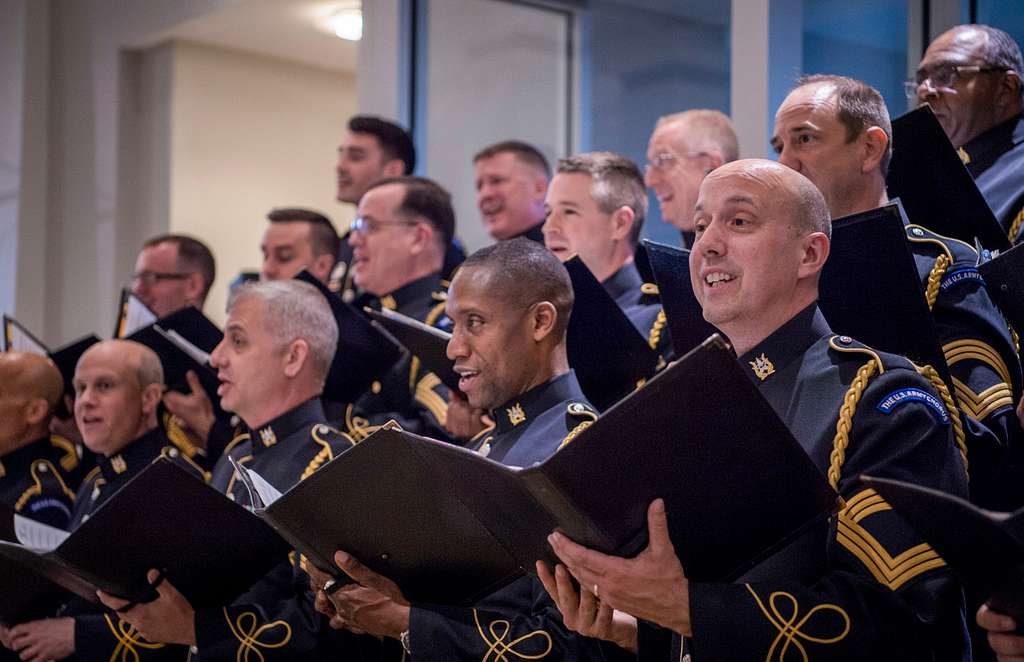
A choir can do something words alone cannot. It can honor sacrifice, carry memory, celebrate a nation, and give a room full of people one voice for a few minutes. Washington, DC surrounds singers with places built around those ideas. Memorials, military traditions, national ceremonies, and sacred spaces give students a chance to feel what happens when music is connected to something larger than the performance itself.
That sense of purpose follows students into the music they make. Patriotic repertoire carries more meaning near the monuments it represents. A military ensemble can show them what precision sounds like when service and ceremony are part of the job. Singing in a cathedral or hearing professional voices at the Kennedy Center reveals how powerfully an ensemble can communicate when everyone believes in what they are saying. DC reminds young singers that a choir is not just a collection of voices. At its best, it can speak for a community, mark a moment, and make people feel connected to something they share.
Performance Possibilities
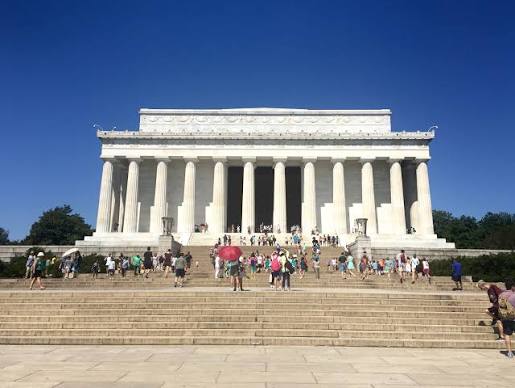
Lincoln Memorial Reflecting Pool Steps
Sing with the Lincoln Memorial behind the choir and the Reflecting Pool stretching toward the Washington Monument. Patriotic music and repertoire about freedom or unity land differently in a place tied so closely to the nation’s history. The setting gives students a performance they will recognize instantly in photos for the rest of their lives.
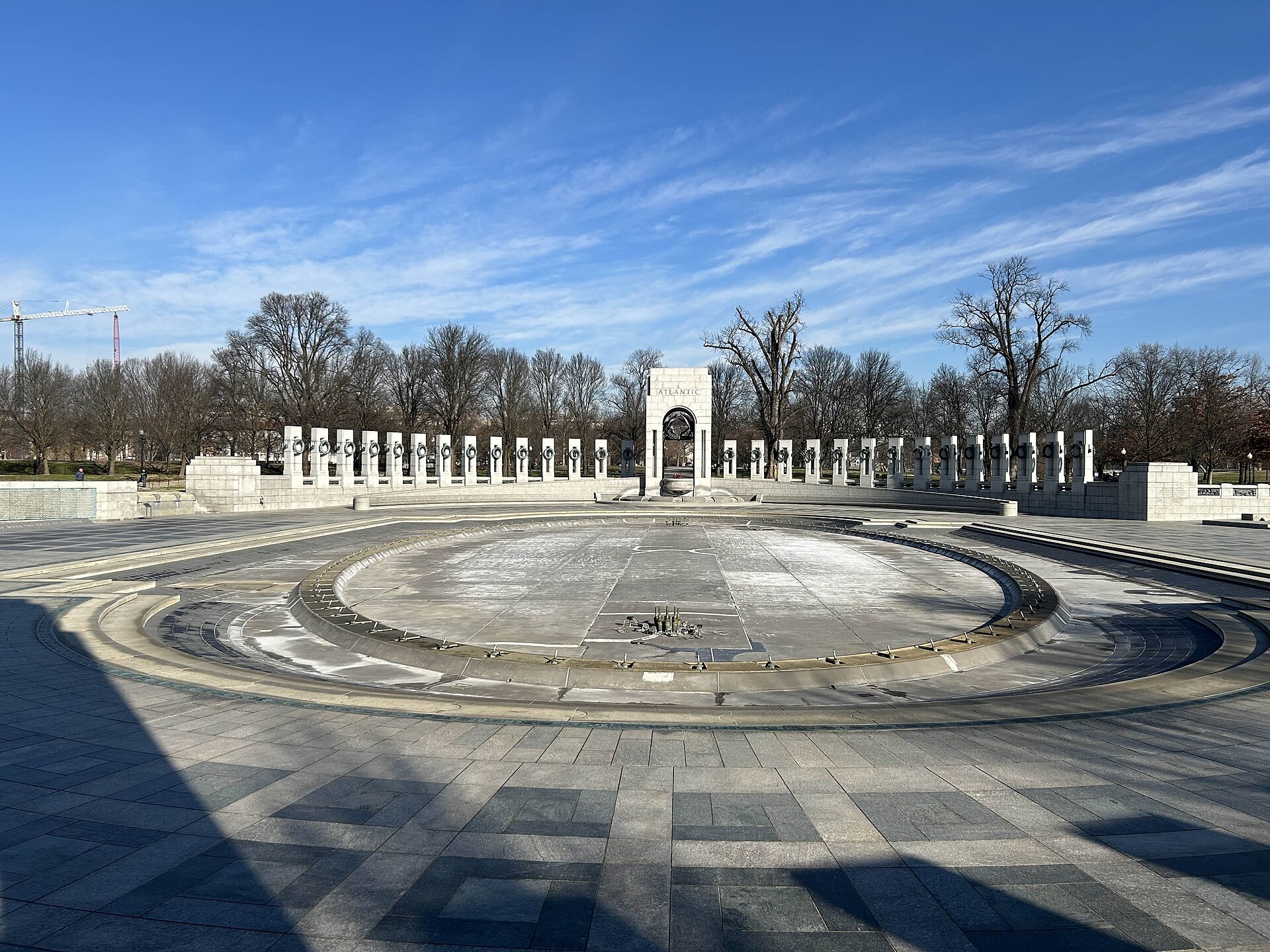
World War II Memorial
Music can become an act of remembrance here. Surrounded by the memorial’s fountains and stone pillars, a choir can offer patriotic or reflective repertoire in honor of the Americans who served during World War II. Students quickly understand that the goal is not applause. It is using their voices to mark something worth remembering.
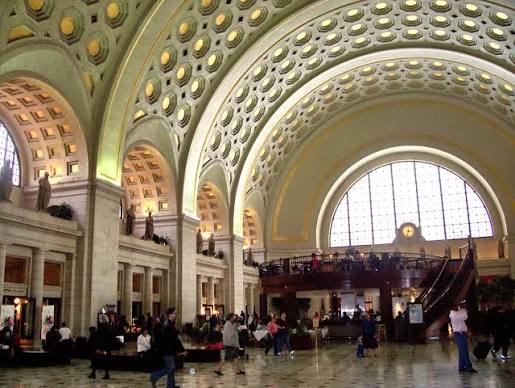
Union Station
The soaring Main Hall gives a choir a grand indoor stage in the middle of Washington life. Travelers and visitors become the audience as the music fills a space designed to impress long before anyone starts singing. It is public performance with movement and energy all around the ensemble.
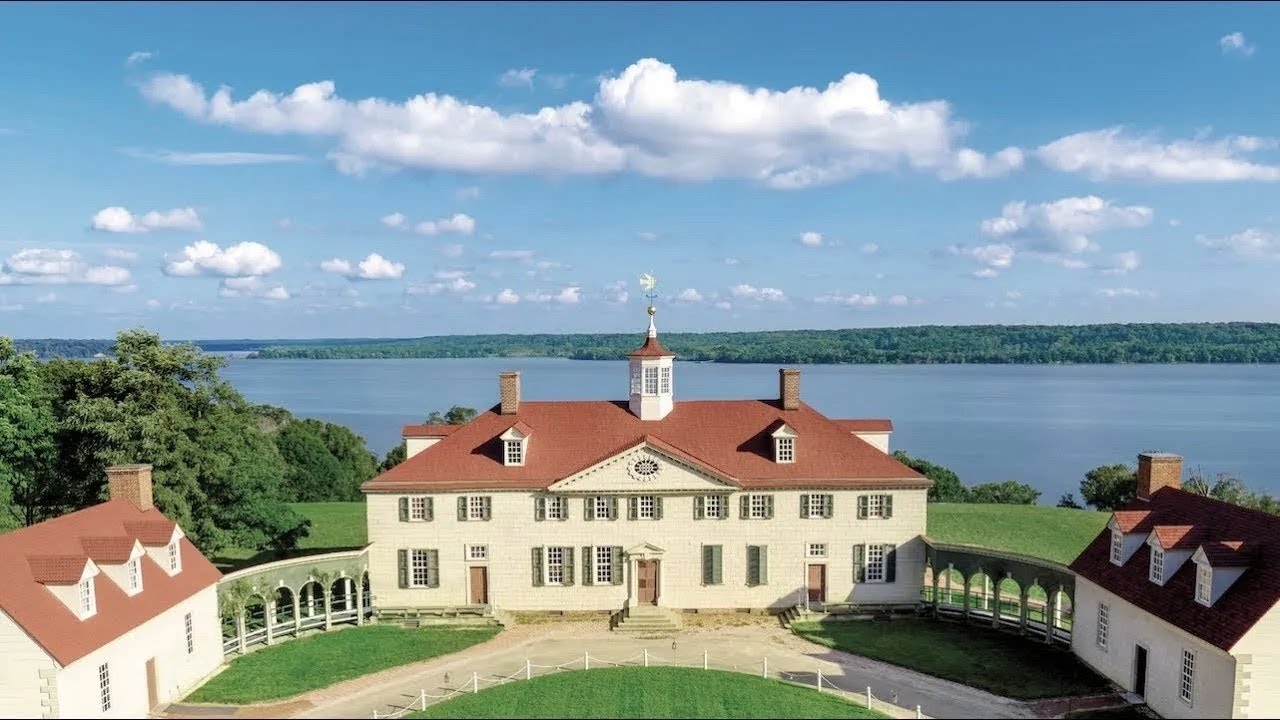
George Washington’s Mount Vernon
Sing outdoors on the estate of the nation’s first president with the Potomac River nearby. Mount Vernon invites visiting choirs to perform classical, patriotic, or historically appropriate repertoire, giving students the chance to connect music with the place they are exploring. It feels less like a stop on a tour and more like becoming part of the day at Mount Vernon.
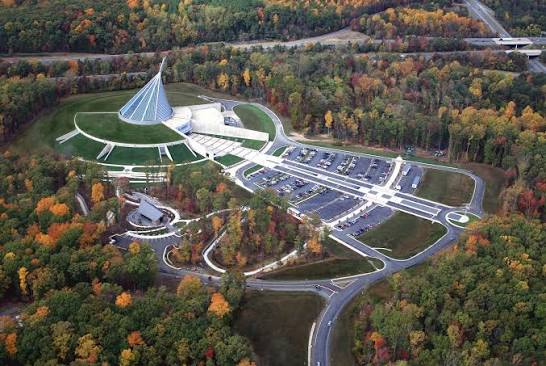
National Museum of the Marine Corps
Perform beneath aircraft suspended inside the enormous Leatherneck Gallery while the history of the Marine Corps surrounds the choir. Music connected to service or remembrance fits naturally here, but the room itself is part of the experience. Students are singing in a museum built to tell stories of courage, sacrifice, and the people behind the uniform.
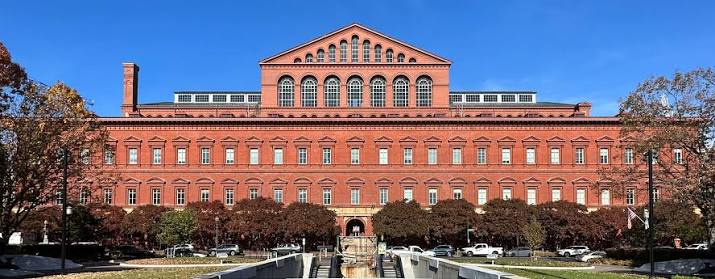
National Building Museum
The Great Hall was made to make people look up. Towering Corinthian columns rise through one of Washington’s most dramatic interior spaces and give a choir an unforgettable architectural backdrop. Singing here turns a public performance into something that feels almost ceremonial before the first chord has finished ringing.
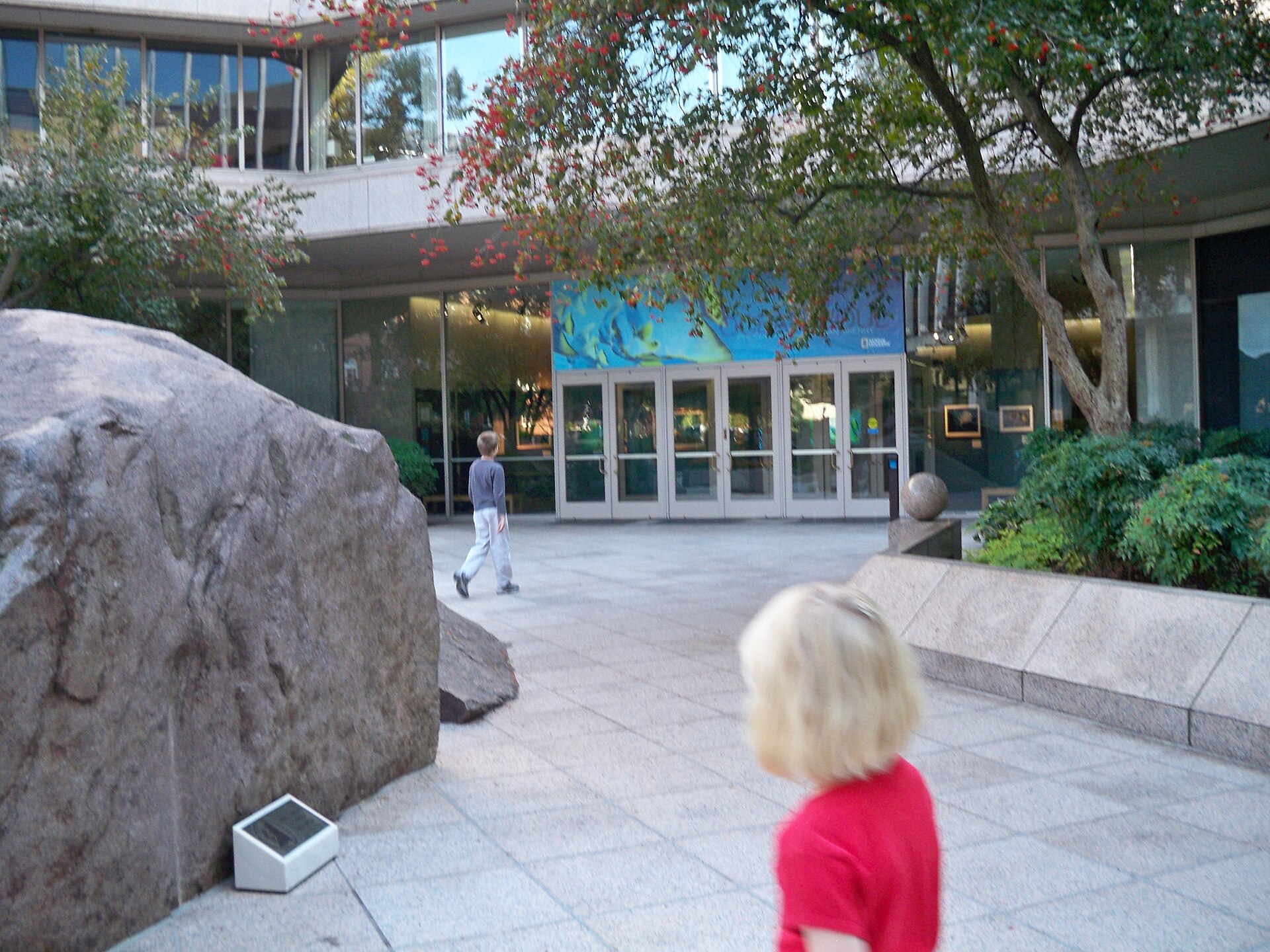
National Geographic Museum of Exploration
Put the choir inside a museum built around curiosity and the urge to understand the world beyond our own experience. A performance here can sit alongside stories of exploration, science, cultures, and the people who have pushed past familiar boundaries. It gives the ensemble a modern Washington stage with a completely different personality from the monuments and memorials nearby.
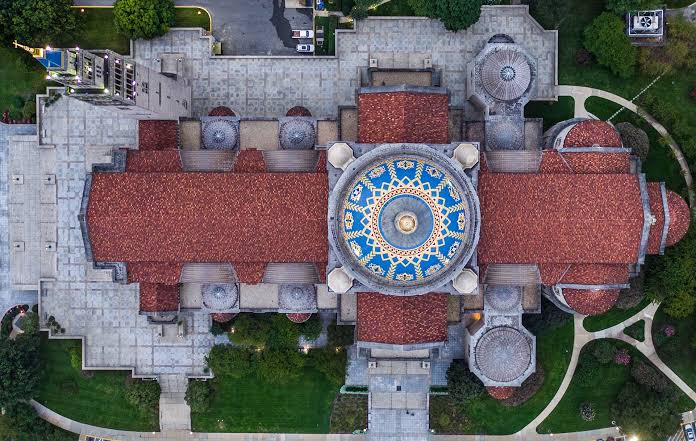
Basilica of the National Shrine of the Immaculate Conception
Sacred choral music belongs in a room like this. The immense interior asks singers to listen closely as sound travels through the Basilica and turns breath, tuning, and balance into something students can physically hear around them. Visiting choirs may apply to sing approved sacred unaccompanied repertoire, making the performance as much about musical discipline as the beauty of the setting.
Clinics & Workshops

U.S. Air Force Singing Sergeants Clinic
Precision is part of the job here. Work with professional military vocalists on blend, diction, tuning, phrasing, and the kind of ensemble discipline required when a chorus represents the Air Force on major stages and at national events. Students get a close look at what happens when excellent singing has to be dependable every single time.
U.S. Army Soldiers’ Chorus Clinic
The Soldiers’ Chorus brings a remarkable range of vocal styles into one ensemble. A clinic can challenge singers to move comfortably between concert repertoire, popular styles, musical theatre, and more while keeping the voice healthy and the storytelling clear. It is a strong choice for choirs that want versatility to become part of their ensemble identity.
U.S. Navy Sea Chanters Clinic
Strong choral singing has to communicate well beyond the front row. Working with the Navy’s official chorus gives students a chance to focus on projection, clarity, unified sound, and the confidence required to perform for large public audiences. The military setting adds another layer of purpose to the work without changing the fundamentals of great ensemble singing.

George Mason Choral Clinic
Bring the choir’s own repertoire and let a new conductor challenge the choices that have become comfortable. George Mason is a strong fit for directors who want practical rehearsal work on balance, color, phrasing, and interpretation rather than a generic masterclass. Students leave with ideas they can put back into the music immediately.
University of Maryland Choral Clinic
Maryland gives visiting singers access to a university choral culture that takes ensemble work seriously. A clinician can dig into the architecture of a piece, helping students hear how text, harmony, pacing, and musical direction work together across an entire performance. It is especially useful for choirs ready to move beyond fixing notes and start shaping the larger musical story.
Catholic University Choral Clinic
Sacred and classical repertoire can take on new depth in a university where choral music has long been tied to worship, tradition, and serious vocal study. A clinic can focus on line, resonance, text, and the musical restraint that lets this repertoire speak without being overworked. It gives students a chance to refine the kind of singing that depends on control as much as volume.

Howard Gospel Workshop
Gospel asks the choir to listen, respond, move, and mean what it sings. Working with musicians rooted in that tradition can open up new ideas about groove, phrasing, call and response, text, and the relationship between the ensemble and the people listening. For students who have sung gospel without really understanding its musical language, this can change the way the repertoire feels from the inside.
Youth Choir Exchange
Put the folders between two groups of students and let the music do the introductions. Rehearse side by side with a DC-area school or youth choir, share repertoire, and build toward a joint performance when the schedule allows. The musical work matters, but the conversations between rehearsals can be just as valuable.
Levine Vocal Masterclass
Zoom in on the instrument every singer carries with them. A voice-focused masterclass can explore breath, resonance, registration, healthy production, and the individual habits that affect the sound of the entire choir. It is a useful counterpoint to the ensemble clinics because students spend time thinking about how their own technique contributes to the group.
Beyond the Stage
Once the music is done, DC gives students plenty to chase down. Monument walks after dark, world-class museums, spy missions, pandas, river views, and places they have seen in textbooks suddenly become part of the trip. It is a city that keeps the days full without making them feel repetitive, and there is always another part of Washington waiting around the corner.
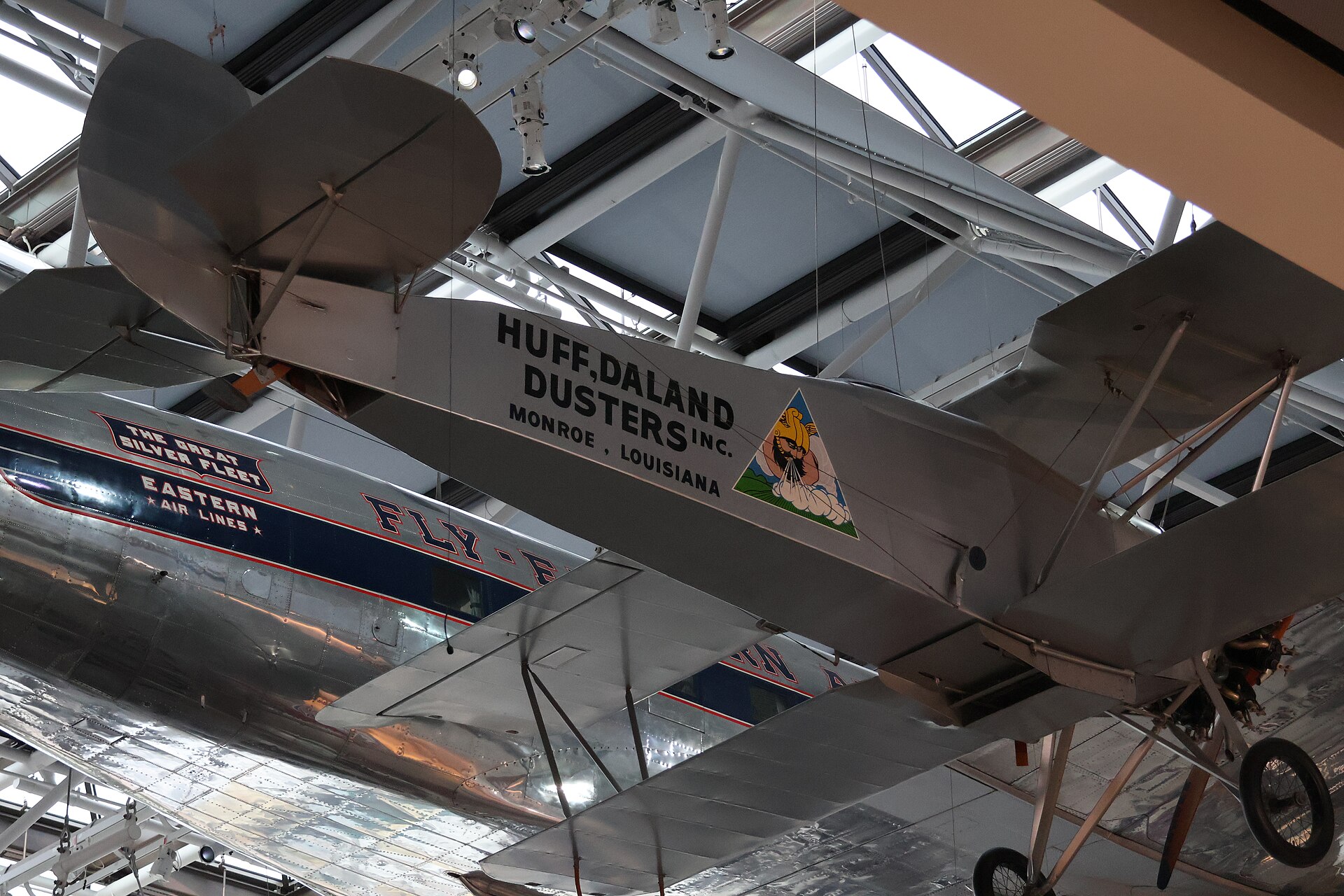
Smithsonian Science & Discovery
Go from standing beneath enormous aircraft at the National Air and Space Museum to coming face-to-face with dinosaurs, gems, and the natural world at the Museum of Natural History. These are the kinds of museums where students can split off toward what interests them and still come back with something worth talking about.
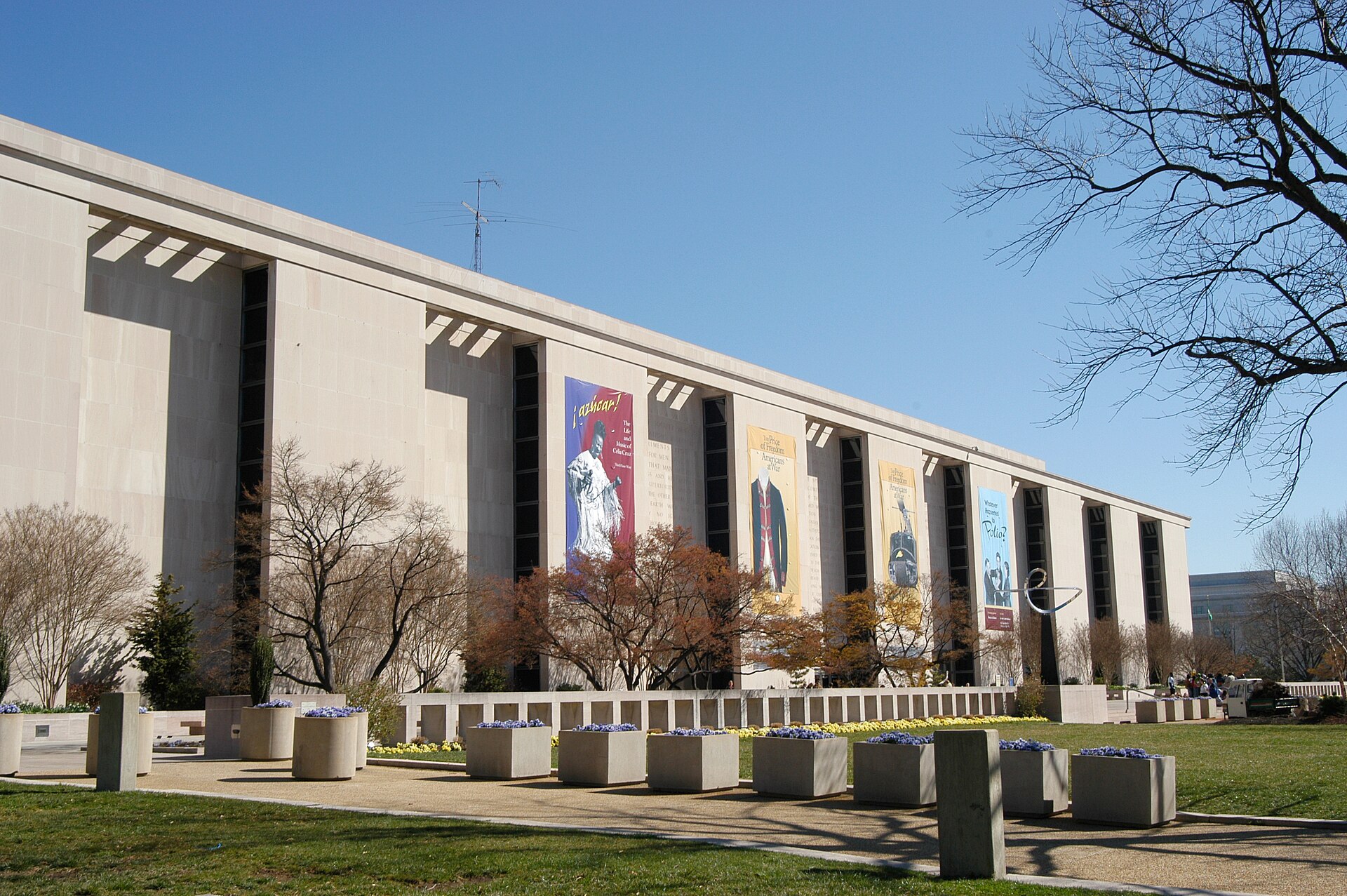
American History Museums
The stories students know from class become much more real when the original objects are sitting a few feet away. See the flag that inspired The Star-Spangled Banner, stand near the nation’s founding documents at the National Archives, and step inside the story of Lincoln’s assassination at Ford’s Theatre. American history feels considerably less distant here.
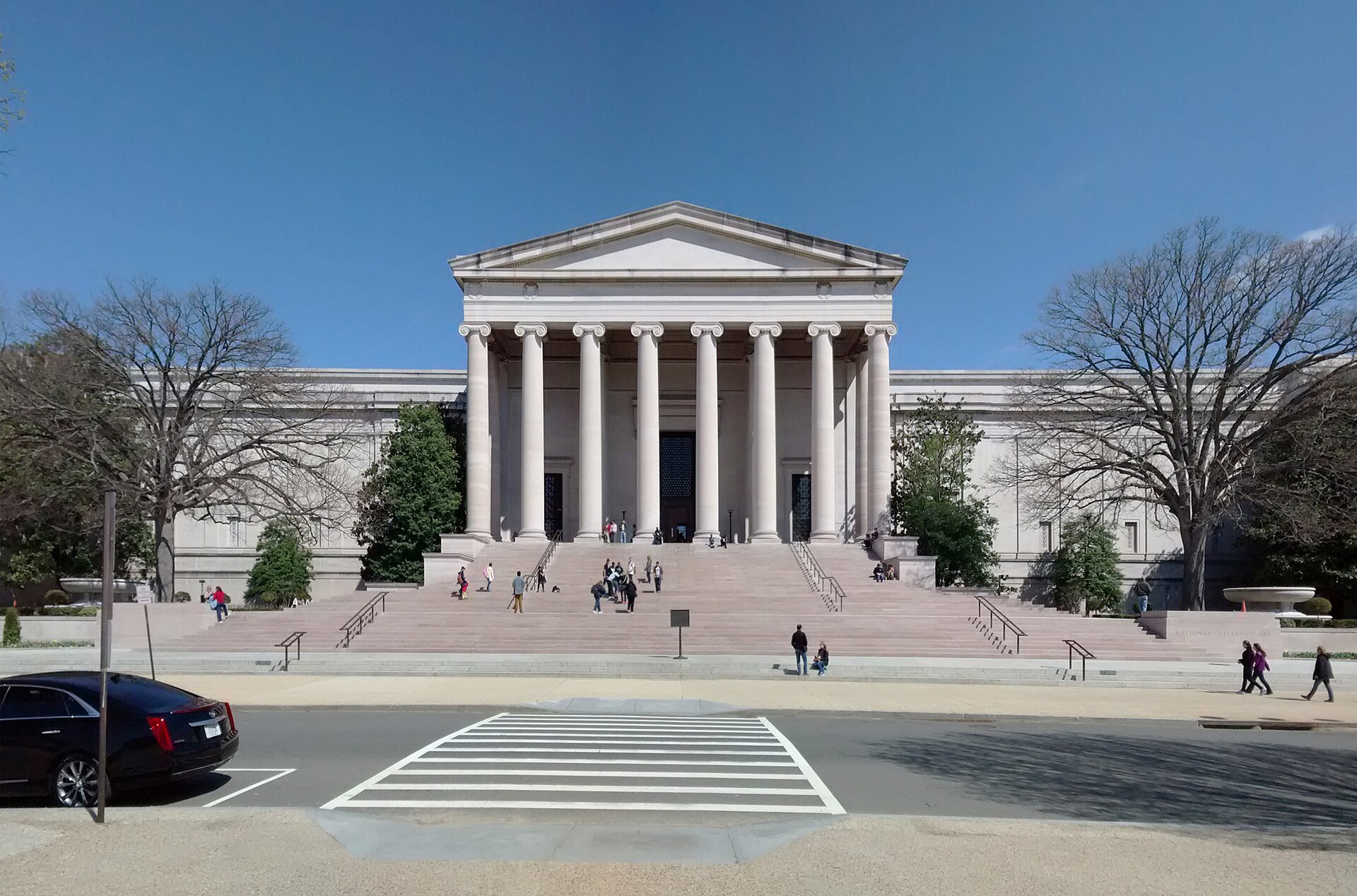
Art Museums
Give students a chance to wander through completely different artistic worlds in the same city. The National Gallery brings them face-to-face with masters they have seen in textbooks, while the Hirshhorn pushes toward modern and contemporary work. The Smithsonian American Art Museum and National Portrait Gallery add another layer with art and faces tied directly to the American story.
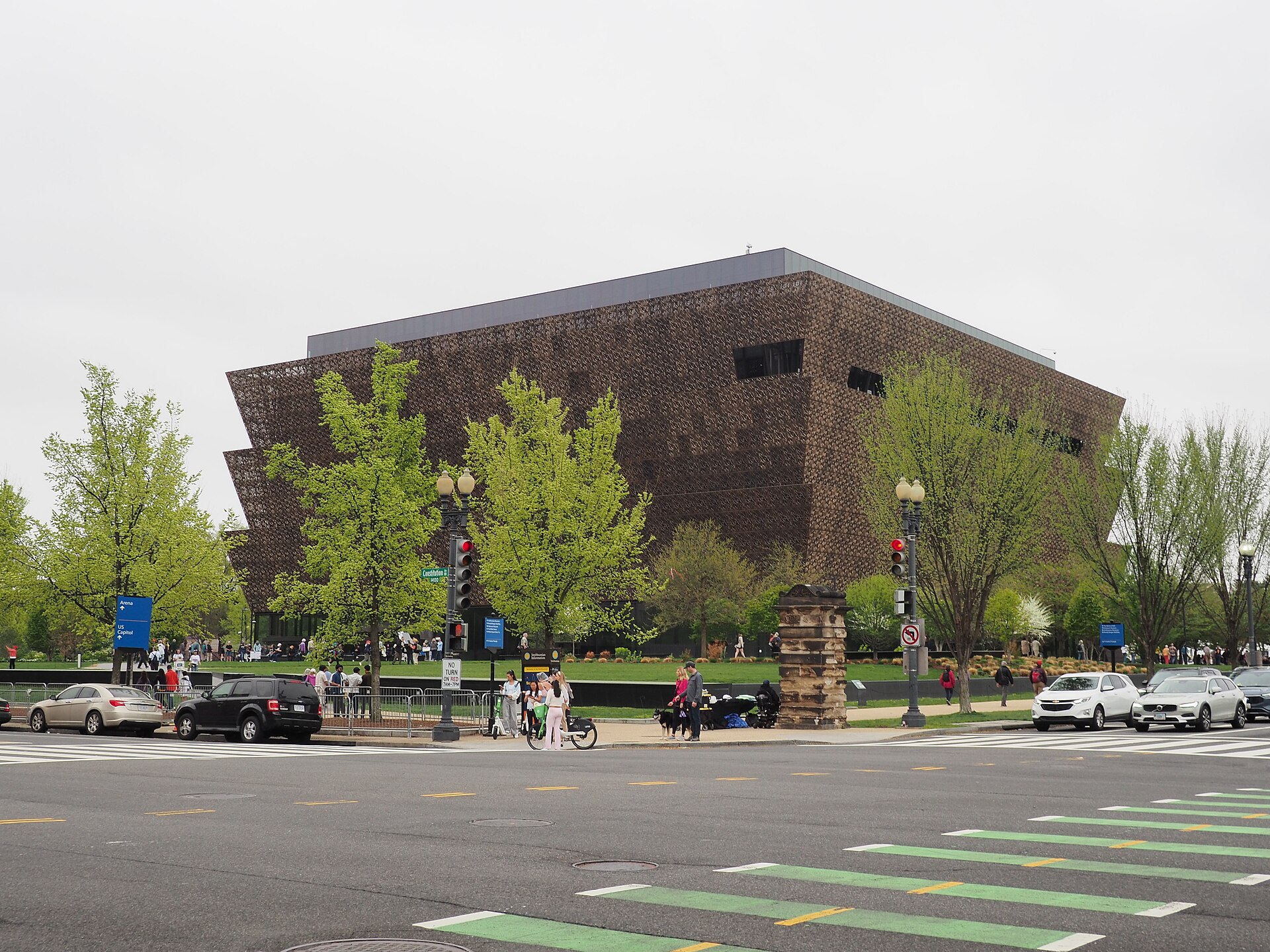
Culture Museums
The National Museum of African American History and Culture and the National Museum of the American Indian ask students to look at American history through voices that have not always been centered in the textbook. Music, language, identity, resistance, family, and community run throughout both museums. For singers, those stories can add real context to repertoire they may already perform.

Smithsonian National Zoo
Pandas tend to win the argument before anyone even gets off the bus. The National Zoo gives the group a complete change of pace with animals from around the world spread across a beautiful wooded campus. It is an easy way to give students a fun afternoon without feeling like the trip has stopped being worthwhile.
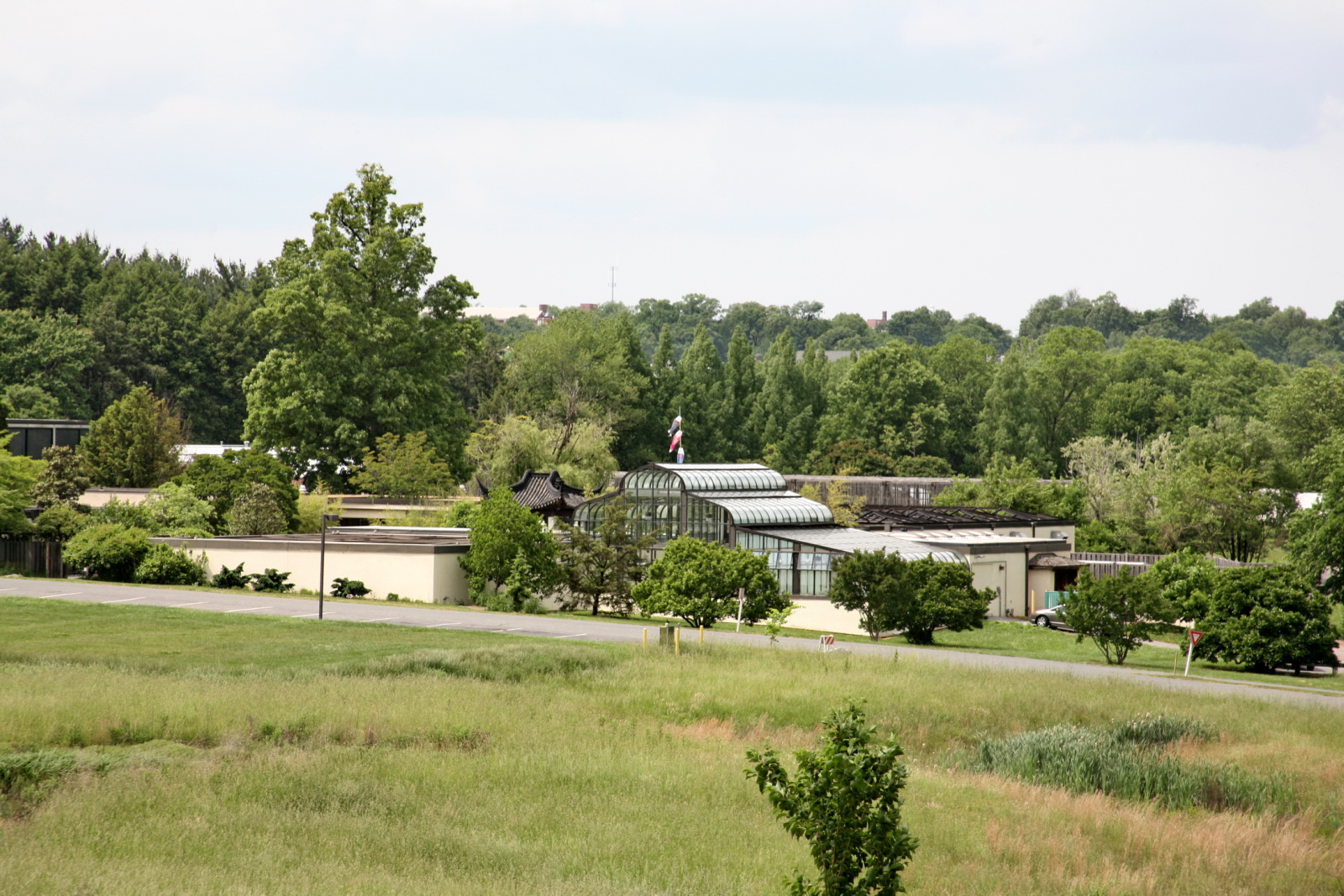
U.S. National Arboretum
Those enormous Capitol Columns sitting in the middle of an open meadow look almost too strange to be real. Add gardens, pathways, and the National Bonsai & Penjing Museum and the Arboretum becomes one of DC’s most unexpectedly photogenic stops. It is also a welcome break from marble buildings and museum galleries.
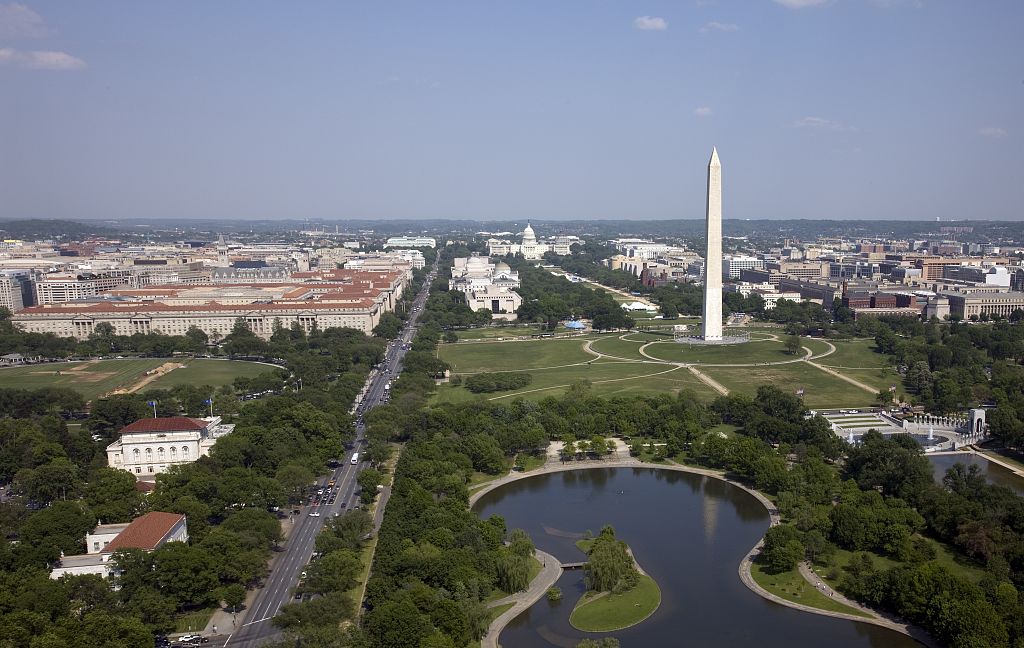
National Mall & Memorials
Walk through the places students already recognize from photographs and suddenly understand how close so much American history sits together. Lincoln, Jefferson, Vietnam, Korea, World War II, and Martin Luther King Jr. each tell a different story. Moving between them gives the group time to talk, reflect, and simply take in where they are.
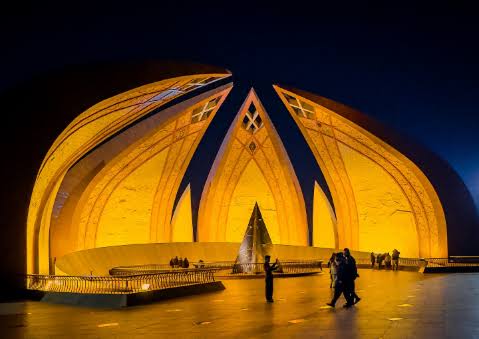
Monuments by Night
DC changes after sunset. White marble glows against the dark sky, the crowds thin out, and familiar memorials take on an entirely different atmosphere. A nighttime monument tour is one of those experiences that can make a long day feel worth stretching just a little longer.
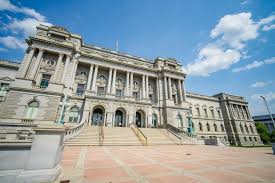
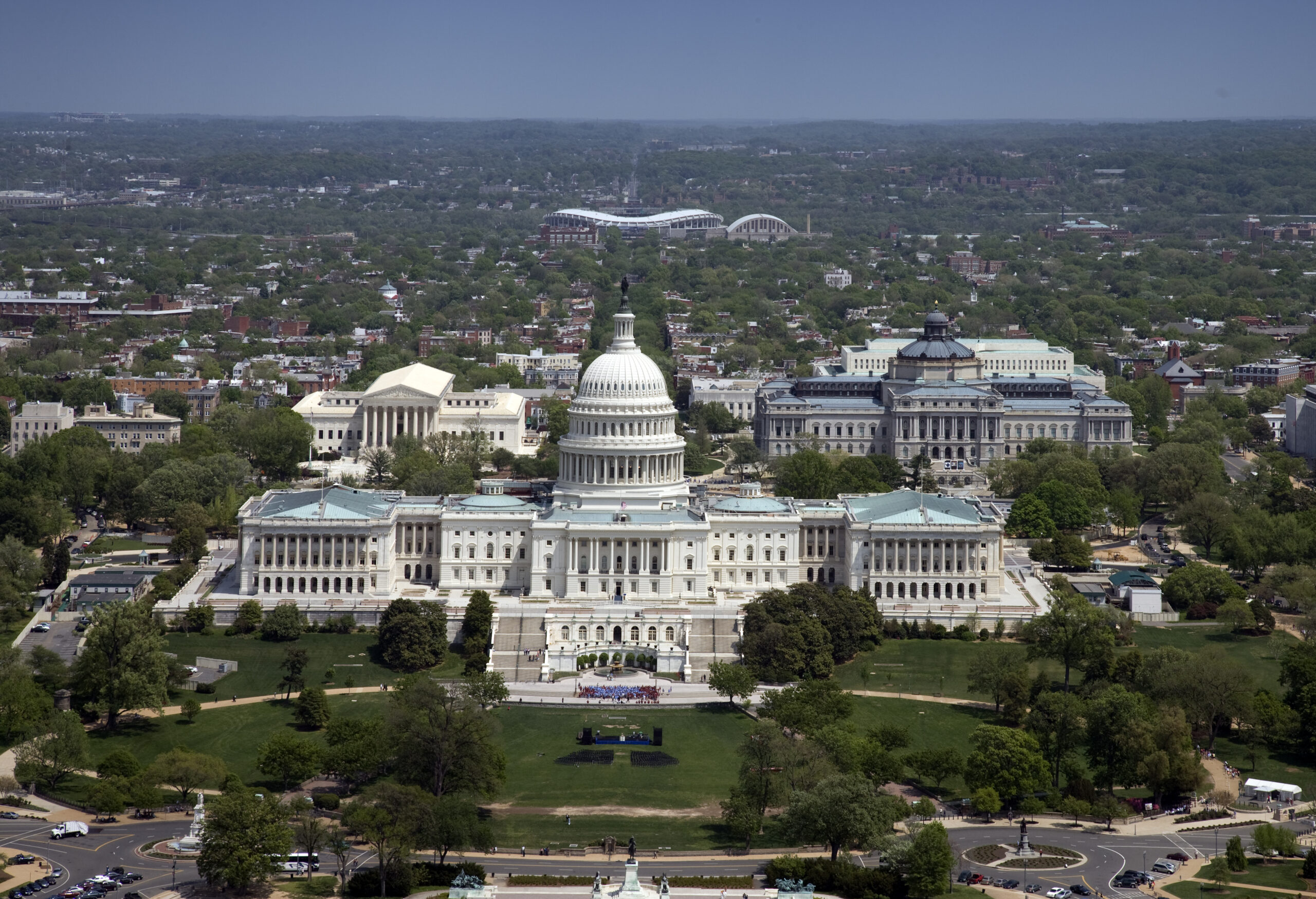
U.S. Capitol & Library of Congress
Stand beneath the Capitol dome, then cross over to a building that may surprise students even more. The Library of Congress is filled with murals, mosaics, sculpture, and one of the most spectacular interiors in Washington. Together, the two stops bring government, history, architecture, and the written word into one unforgettable part of the day.
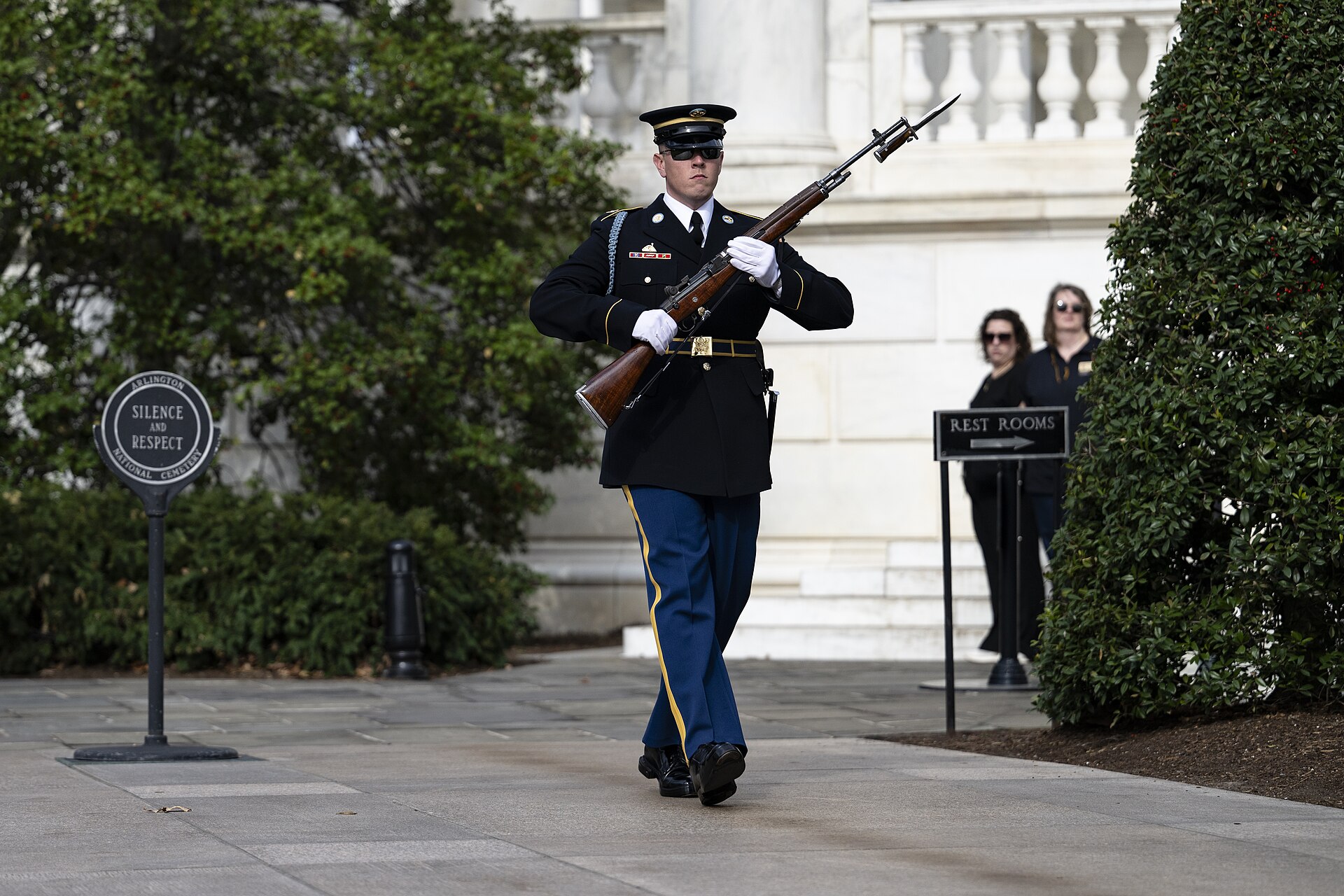
Arlington National Cemetery
Rows of white headstones make the scale of military service impossible to ignore. Students can witness the Changing of the Guard at the Tomb of the Unknown Soldier and, when arranged in advance, may even participate in a wreath-laying ceremony. It is quiet, formal, and one of the stops that tends to stay with students.
George Washington’s Mount Vernon
Walk through Washington’s home, explore the estate, and look out over the Potomac from the same property where he spent much of his life. Mount Vernon adds a personal side to a figure students usually encounter through portraits and history books. The grounds also give the group room to slow down after several busy days in the city.
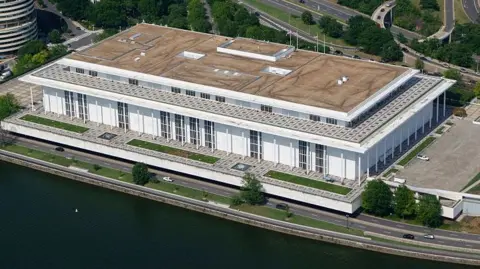
Kennedy Center
Even without a performance on the schedule, the Kennedy Center belongs on a choir trip. Students can explore one of the country’s major performing-arts institutions and see where opera, theatre, dance, orchestral music, and major vocal performances share the same campus. Catching a show here makes the connection even stronger.
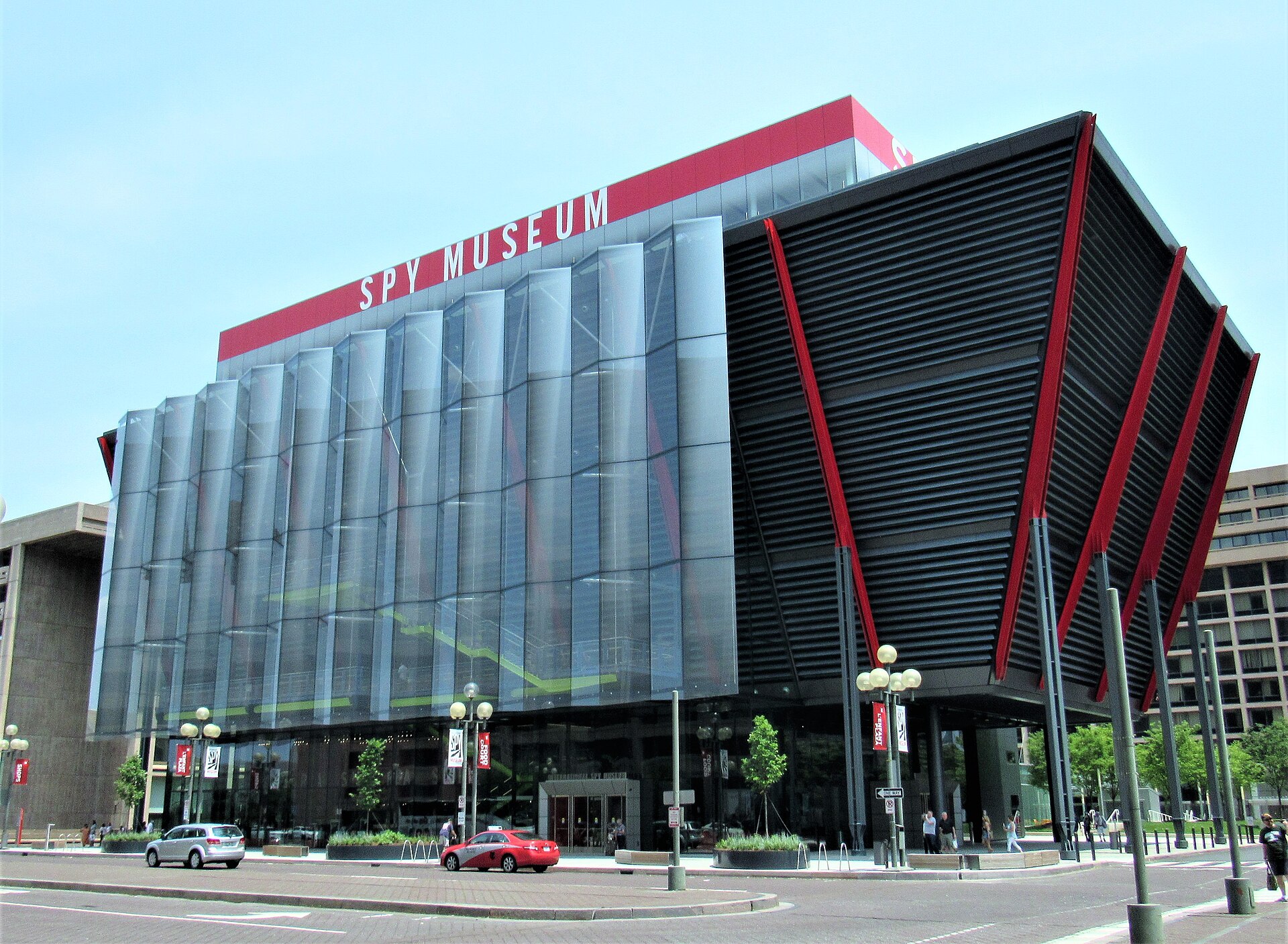
International Spy Museum
Students receive a cover identity and immediately start discovering whether they would make convincing spies. Interactive missions, gadgets, codes, disguises, and real stories from the world of intelligence make this one of the most hands-on stops in Washington. It is history with considerably more secret-agent energy.
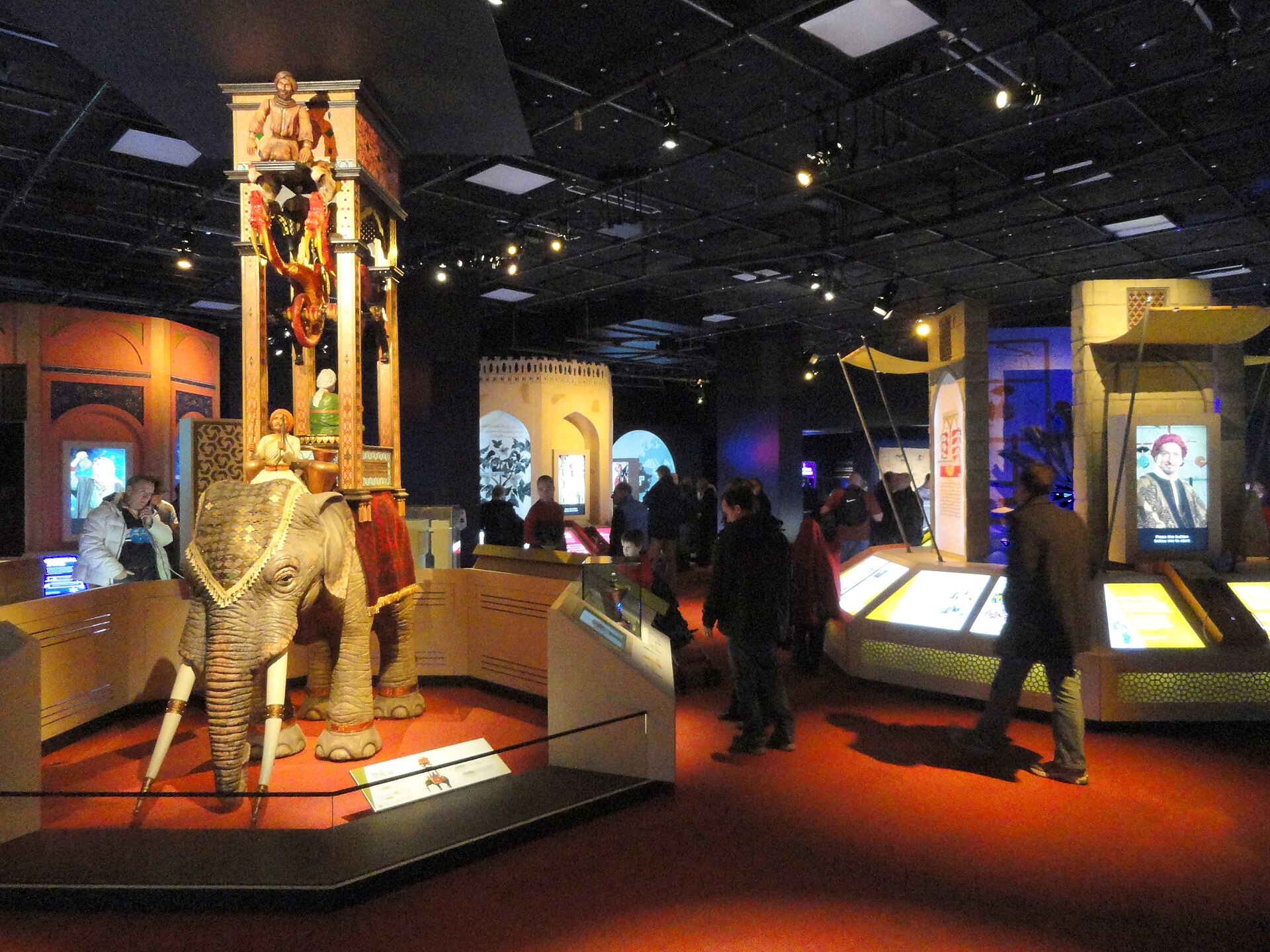
National Geographic Museum of Exploration
Curiosity is the point here. Students move through immersive experiences built around exploration, science, storytelling, and the people who have pushed into places or ideas that once seemed unreachable. It is a modern, interactive stop that feels completely different from the traditional museums elsewhere in the city.
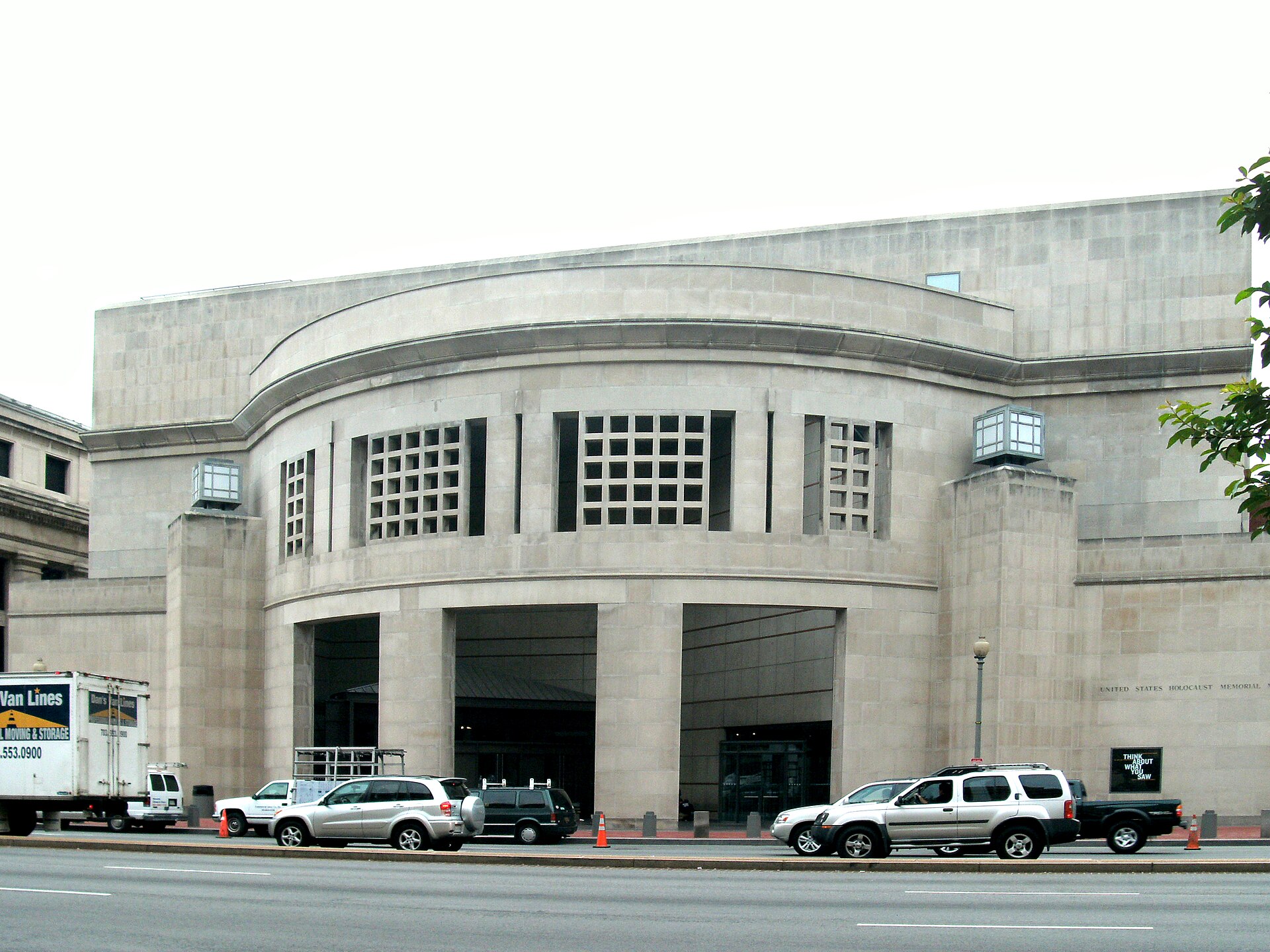
United States Holocaust Memorial Museum
Personal stories and original artifacts confront students with the human consequences of hatred, persecution, and indifference. The museum asks visitors to move through the history carefully and thoughtfully, making this a serious part of the trip rather than another attraction to check off a list. It can lead to conversations students continue long after they leave Washington.
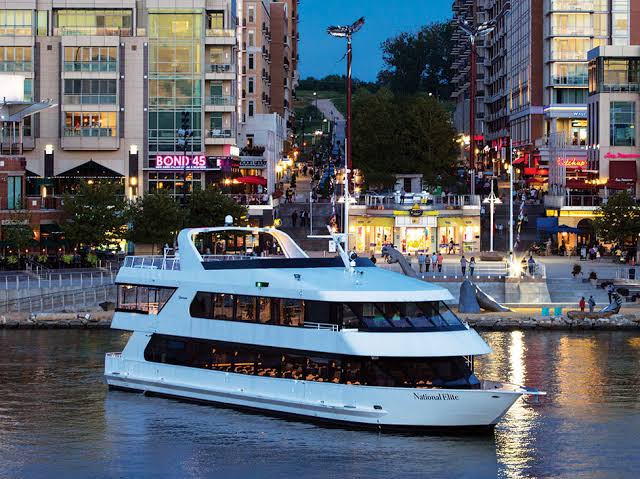
Potomac Dinner & Dance Cruise
Dress up a little, head out on the Potomac, and give the choir a night that is entirely about celebrating together. Dinner, a DJ, dancing, and views of Washington from the water make this an easy final-night favorite. After days of singing, walking, and exploring the capital, the dance floor usually does not stay empty for long.
Ways to Shape the Trip

Stars, Stripes & Strong Voices
Build the trip around the musicians who sing on behalf of the nation. Work with the Singing Sergeants, Soldiers’ Chorus, or Sea Chanters and hear what happens when precision, professionalism, and service all meet in the same ensemble. Add memorials and Arlington to give students a deeper understanding of the traditions behind the music.

Capitol Call Time
Give the choir something to prepare for. Pair a memorable DC performance with a focused clinic and let students put their work in front of a new audience before hearing what fresh ears can teach them. The combination of performance and coaching makes the trip part celebration and part musical reset.

The Soundtrack of America
Start with the flag that inspired The Star-Spangled Banner at the National Museum of American History, then trace spirituals, gospel, protest music, and the voices of the Civil Rights Movement at the National Museum of African American History and Culture. Carry those ideas into a performance at the World War II Memorial or Basilica, where repertoire about faith, freedom, remembrance, or national identity suddenly has a place attached to it. This route lets students hear the history first and then sing with a much clearer understanding of what the words mean.

Monuments, Music & Moonlight
Take a little from every side of Washington. Perform somewhere memorable, work with a clinician, hear professional musicians, explore the museums and memorials, then finish with something fun like a Potomac dinner-and-dance cruise. This is the route for directors who want the music to matter without letting it take over the entire trip.

Ready to Bring Your Choir to Washington, DC?
Give your choir a Washington experience where the music has context, the performances have meaning, and the history stays with students long after the final chord.
Availability note: Performance opportunities, clinics, workshops, festivals, parades, and special events vary by destination and are subject to availability, eligibility, ensemble size, season, technical requirements, and final approval.
Photo credits: World War II Memorial by BrayLockBoy (CC BY-SA 4.0); National Geographic Museum of Exploration by Mary Mark Ockerbloom (CC BY-SA 4.0); Smithsonian Science & Discovery by DiscoA340 (CC BY-SA 4.0); American History Museums by G. Edward Johnson (CC BY 4.0); Art Museums by Gunnar Klack (CC BY-SA 2.0); Culture Museums by Frypie (CC BY-SA 4.0); Smithsonian National Zoo by Rawpixel Ltd (CC BY 2.0); U.S. National Arboretum by Cliff from Arlington, Virginia, USA (CC BY 2.0); National Mall & Memorials by Carol M. Highsmith (Public domain); Arlington National Cemetery by Arlington National Cemetery (Public domain); International Spy Museum by Farragutful (CC BY-SA 4.0); National Geographic Museum of Exploration by Daderot (CC0); United States Holocaust Memorial Museum by AlbertHerring (CC BY 3.0). Via Wikimedia Commons.