
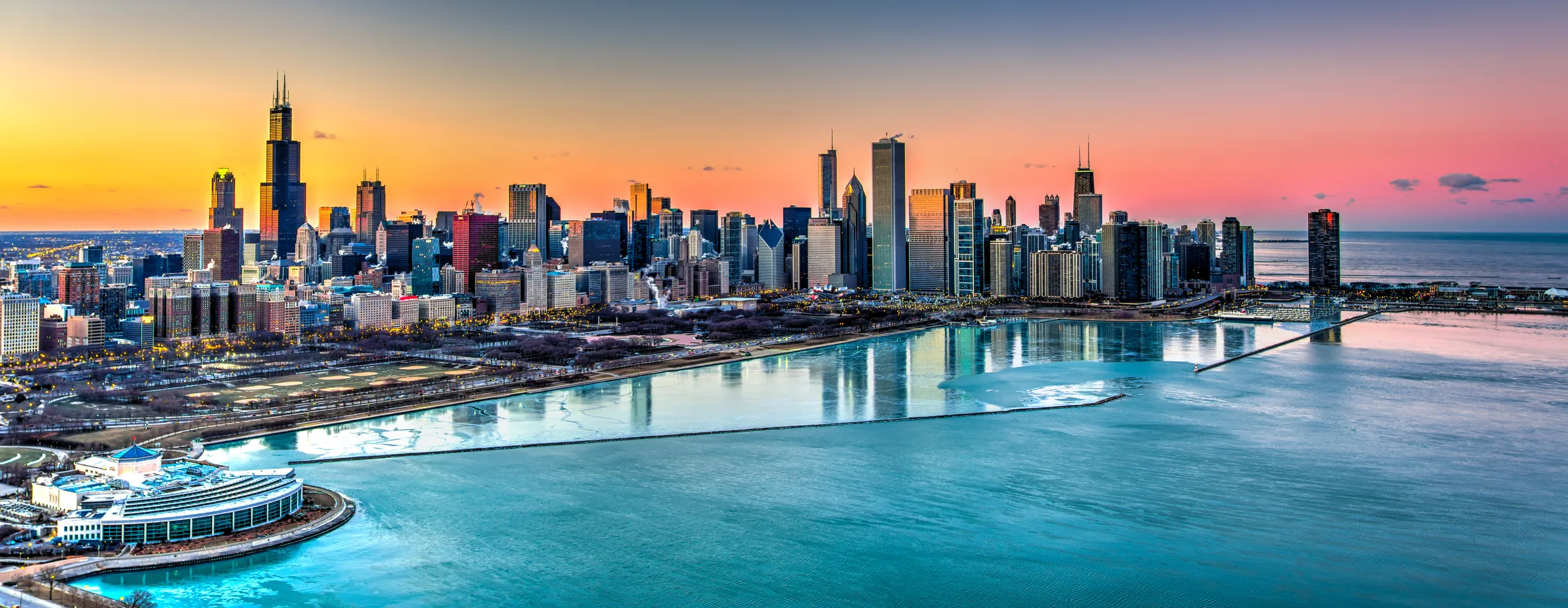
Orchestra Travel: Chicago
Second City Symphony
Why Chicago for Orchestras?
Hearing the Chicago Symphony Orchestra live can reset a young musician’s idea of what an orchestra is capable of. The precision, the color, the control, the way every section fits into the whole, suddenly all those details students hear about in rehearsal are happening a few rows away at an extraordinary level.
Chicago builds from there. University programs, chamber music, festivals, working musicians, and serious performance spaces make the city feel like a place where orchestral music is not secondary to anything else. For string players, that matters. They are surrounded by people and institutions that take their craft seriously, and they return home with a much clearer sense of how far the work they are already doing can take them.
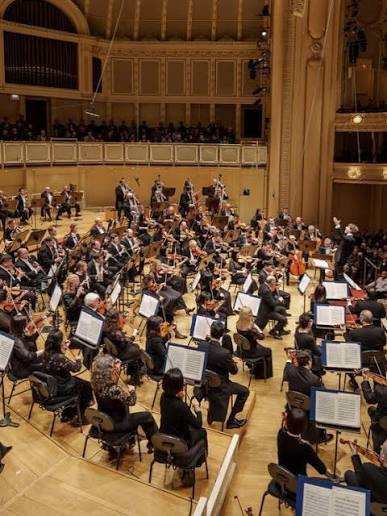
Performance Possibilities
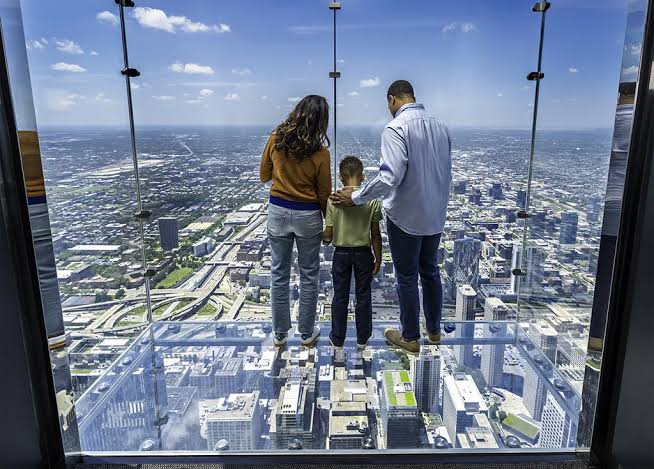
Skydeck Chicago
A few hundred feet above the city, a student orchestra becomes part of the Chicago skyline. Skydeck gives students a real audience, a setting they will remember instantly, and the challenge of making a polished performance work outside the usual concert environment. It is one of those performances where the location does half the storytelling before the first note is played.
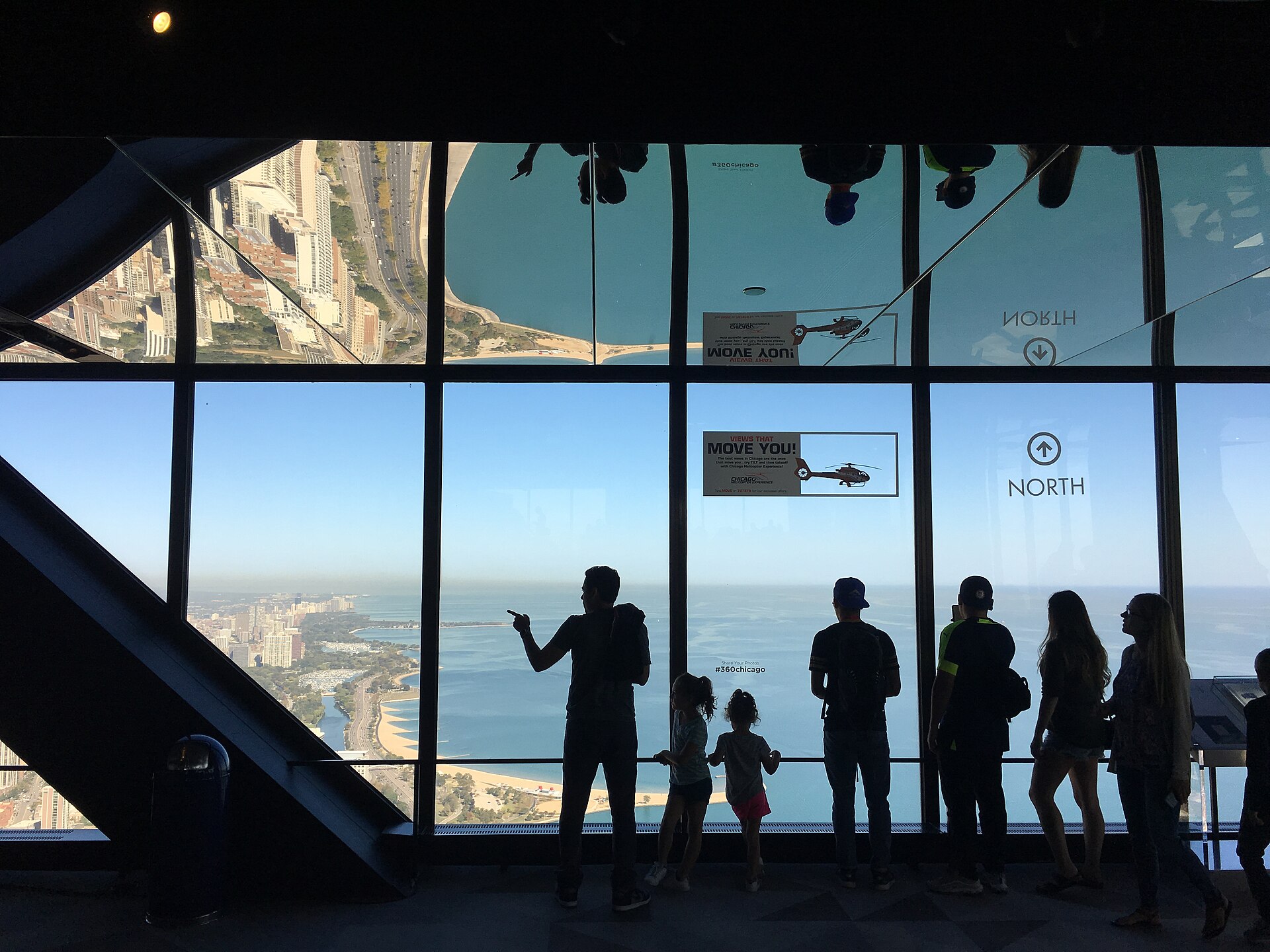
360 CHICAGO
For chamber strings or a smaller orchestra, 360 CHICAGO turns the skyline into the backdrop. Students perform high above Michigan Avenue with Lake Michigan and the city spread out around them, creating a setting that feels intimate and spectacular at the same time. It is a great option for ensembles that want a performance with visual impact and a completely different feel from a traditional concert hall.
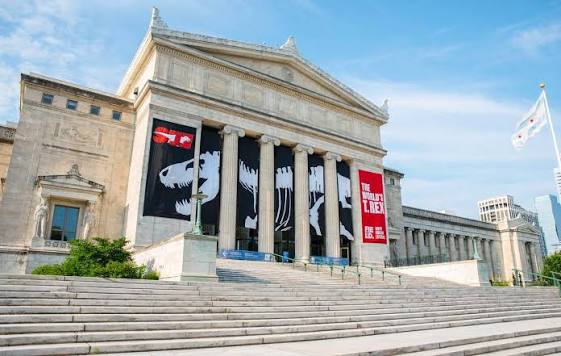
Field Museum
For a public performance, the Field Museum gives strings something many large attractions cannot: a room that actually helps the sound. The scale of Stanley Field Hall, the hard surfaces, and the natural resonance make sustained playing feel substantial without asking students to overplay. Add the steady flow of visitors and the orchestra gets both a strong acoustic environment and a built-in audience.
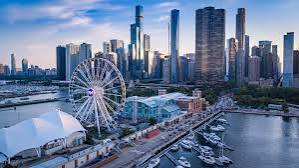
Navy Pier
Navy Pier works because it can feel like a real performance rather than an ensemble tucked into a corner somewhere. Indoor spaces give the orchestra room to set up properly, while the constant flow of families, tourists, and school groups means students are rarely playing to an empty room. The waterfront setting and energy of the Pier make the performance feel public, lively, and very Chicago.
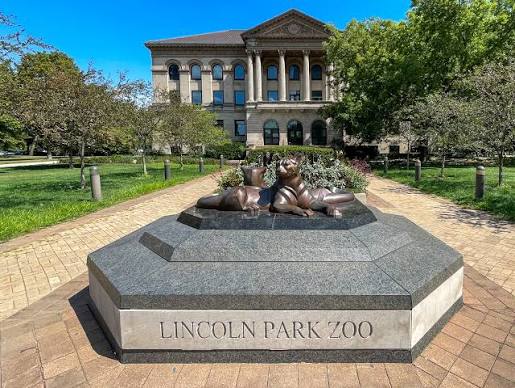
Lincoln Park Zoo
Not every orchestra performance needs to feel formal. Lincoln Park Zoo gives students an outdoor audience that forms naturally as visitors move through the grounds. It is relaxed, visible, and especially good for repertoire that can reach people quickly. Students get to practice drawing listeners in rather than assuming everyone arrived because their name was printed on the program.
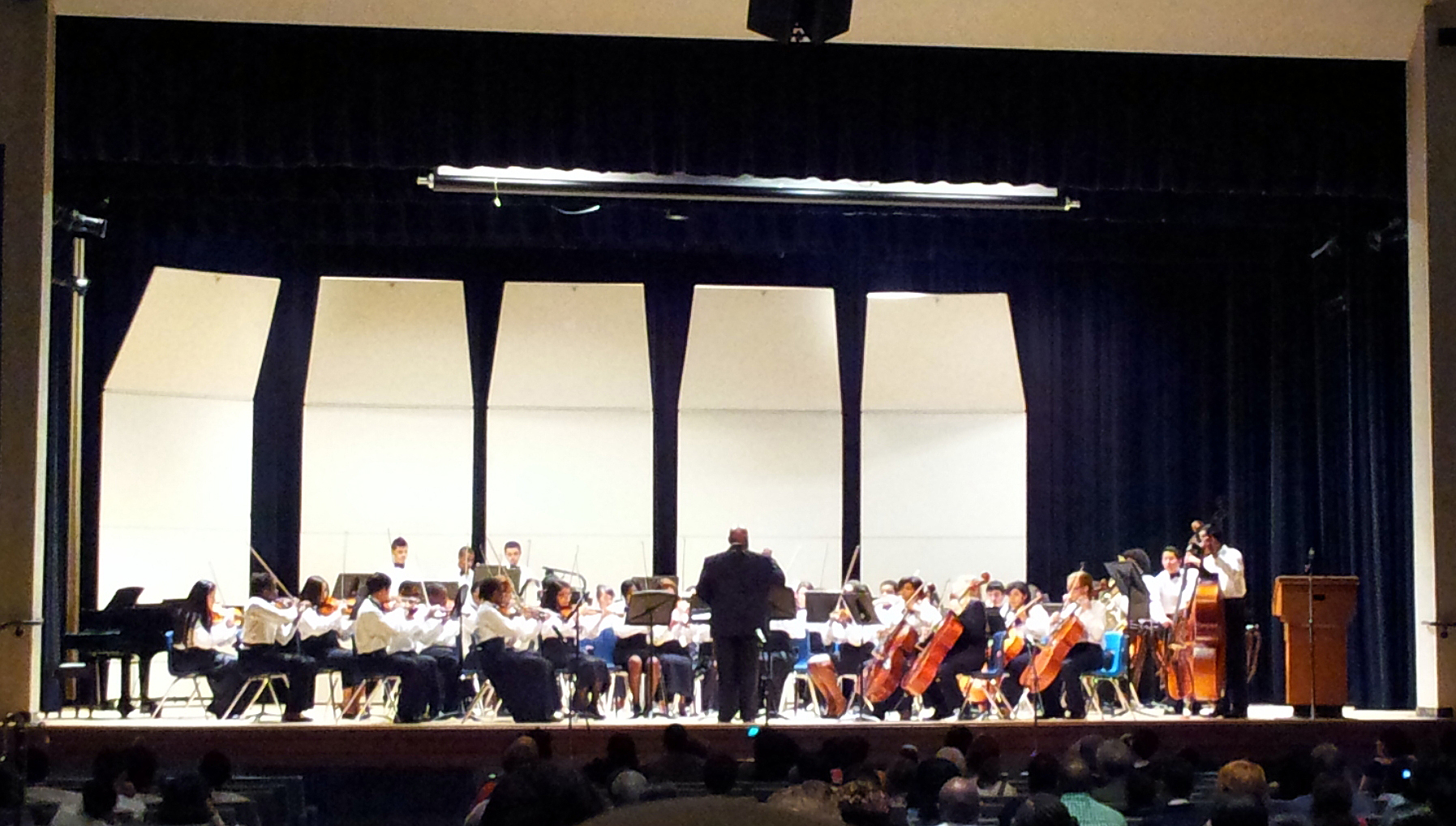
UIC Band & Orchestra Festival
This is built for ensembles that want useful feedback, not just another performance slot. The orchestra performs its prepared repertoire, receives written comments, and works with a clinician immediately afterward while the details are still fresh. Directors can tie the experience directly to rehearsal goals, and students get to hear an outside perspective on the same issues they have been working through at home.
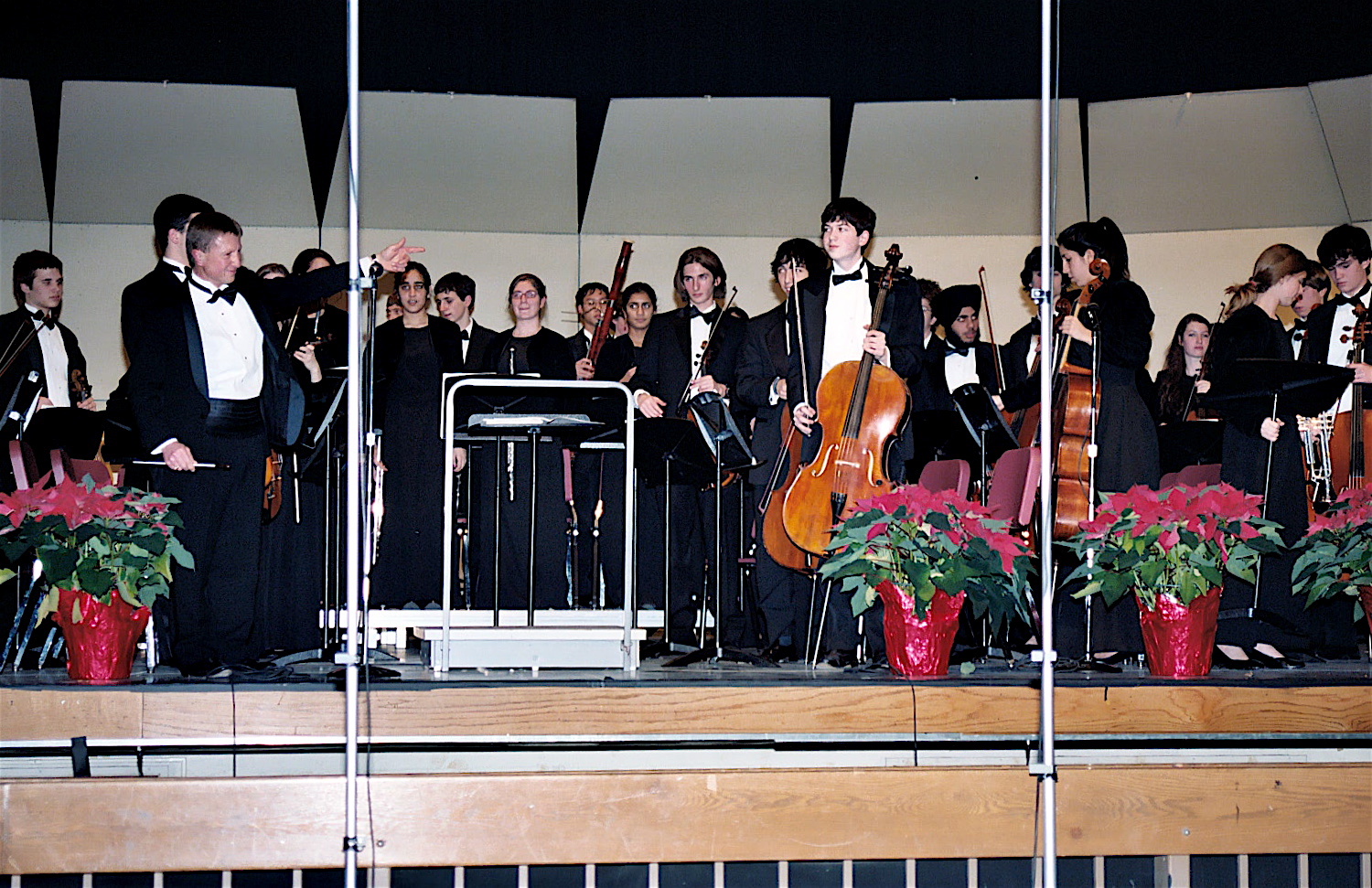
Chicago Heritage Festival
A Heritage Festival performance gives the orchestra a formal adjudicated setting, professional feedback, and the chance to hear how its preparation holds up outside the school auditorium. Ratings and comments give students something concrete to respond to, while the festival atmosphere adds just enough pressure to make the performance feel important without turning it into an all-or-nothing competition.
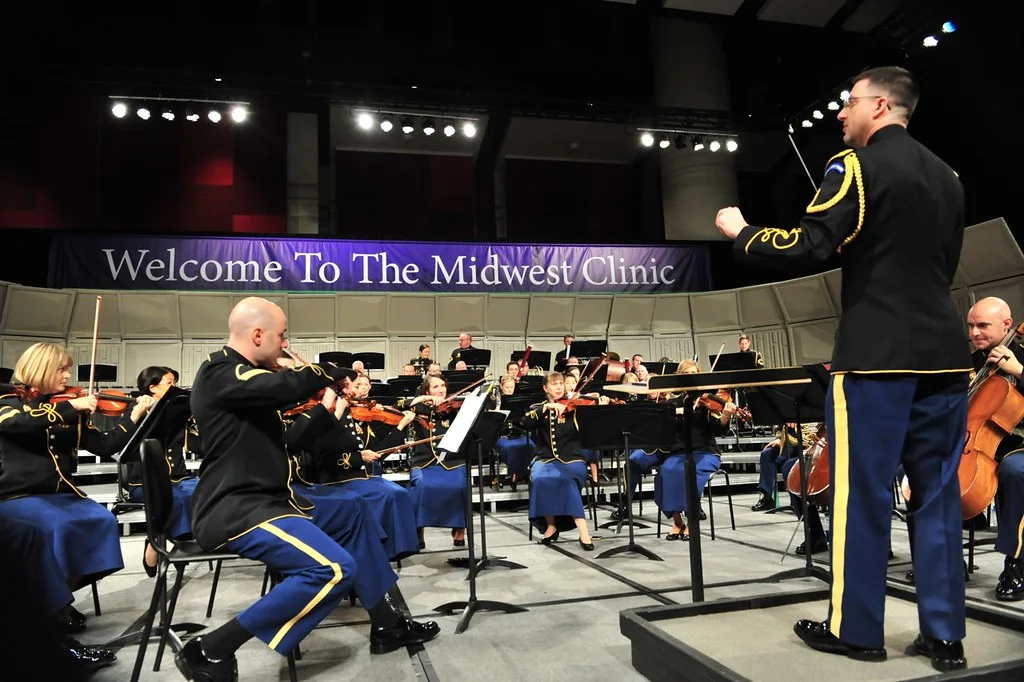
The Midwest Clinic
This is not a casual add-on to a Chicago itinerary. Performing at the Midwest Clinic requires a serious application, exceptional preparation, and planning well in advance, and even excellent ensembles are not guaranteed a spot. For the orchestra that earns one, though, the payoff is enormous: students perform for an audience filled with music educators and musicians from around the world at one of the most respected instrumental music conferences anywhere.
Clinics & Workshops

VanderCook Orchestra Clinic
VanderCook trains music teachers, so the person working with your orchestra knows how to diagnose an ensemble quickly and communicate with students just as clearly. Rather than chasing abstract ideas, the session can get directly into what is happening in the room: bow consistency, intonation tendencies, section independence, balance, articulation, or whatever is keeping the repertoire from settling. It is practical work from people whose profession is teaching musicians how to teach.

DePaul Orchestra Clinic
DePaul sits inside Chicago’s professional music community, and that proximity matters. Students can work with faculty whose musical lives extend beyond campus into the city’s orchestras, studios, theaters, and concert halls. A clinic here can stay deeply classical while still showing students that orchestral training is not an isolated academic exercise. It is part of a much larger professional ecosystem happening all around them.
UIC Orchestra Clinic
UIC brings university-level feedback into a setting that still feels accessible to a school ensemble. The clinician can meet the orchestra where it actually is, then push on the details that will make the biggest difference rather than treating the session like a conservatory audition. Chicago gives directors the rare advantage of having this kind of collegiate expertise right in the middle of the city they are already exploring.
Elmhurst University Orchestra Clinic
Not every useful clinic needs to happen in the middle of downtown. Elmhurst offers a more focused campus setting where the orchestra can settle in, work, and hear from musicians who spend their days developing young players. For groups that want one rehearsal on the trip to feel genuinely productive rather than ceremonial, this can become the session students are still referencing weeks later.

American Youth Chamber Orchestra Clinic
Bring AYCO the orchestra you actually have, not the one you wish you had by festival season. Their clinicians can work from the ensemble’s real strengths and trouble spots, then zero in on the places where section leadership, listening, interpretation, or ensemble responsibility need attention. Because AYCO already works specifically with young orchestral musicians, students are getting feedback from people who understand both the repertoire and the reality of a school orchestra rehearsal.

CSO Open Rehearsal & Musician Experience
Watching the Chicago Symphony Orchestra rehearse is like getting access to the machinery behind the finished performance. Students hear passages stopped, reshaped, balanced, questioned, and rebuilt by musicians operating at an extraordinary level. Add a musician conversation when available, and the rehearsal becomes a chance to ask how that level of precision is created day after day, not just admire it from the audience.

Broadway In Chicago Q&A
A pit orchestra lives by a different set of rules. Tempos can shift with a performer, entrances may depend on dialogue, musicians double instruments, conductors manage singers and stage action, and consistency has to survive eight shows a week. Pairing a Broadway performance with a Q&A, especially when music staff or pit musicians are available, shows orchestra students an entire professional world that rarely appears in the school rehearsal room.
Baroque Strings Workshop & Demo
Hand a string player a Baroque bow and familiar assumptions start changing quickly. Articulation feels different. Weight sits differently in the hand. Vibrato, ornamentation, phrasing, and even the shape of a line suddenly need to be reconsidered. With Chicago’s early-music community and performers connected to programs such as DePaul’s Baroque Ensemble, students can encounter historical performance practice as something physical and audible rather than another paragraph in a music-history book.
Old Town School Folk Strings Workshop
Old Town School lets string players break a few habits on purpose. Put the music stand aside, learn a tune by ear, change the bowing, find the groove, add an ornament, and discover how much personality can fit inside a melody everyone is playing together. Chicago’s Old Town School has spent decades keeping folk traditions alive through participation, which makes this less like a demonstration and more like an invitation for orchestra students to play differently for an afternoon.
Beyond the Stage
Chicago manages to feel enormous and welcoming at the same time. There is the rush of a major city, but underneath it is a Midwestern directness that keeps the experience grounded and easy to enjoy. For students, that combination is gold: they get the excitement of being somewhere important without spending the whole trip feeling overwhelmed by it.
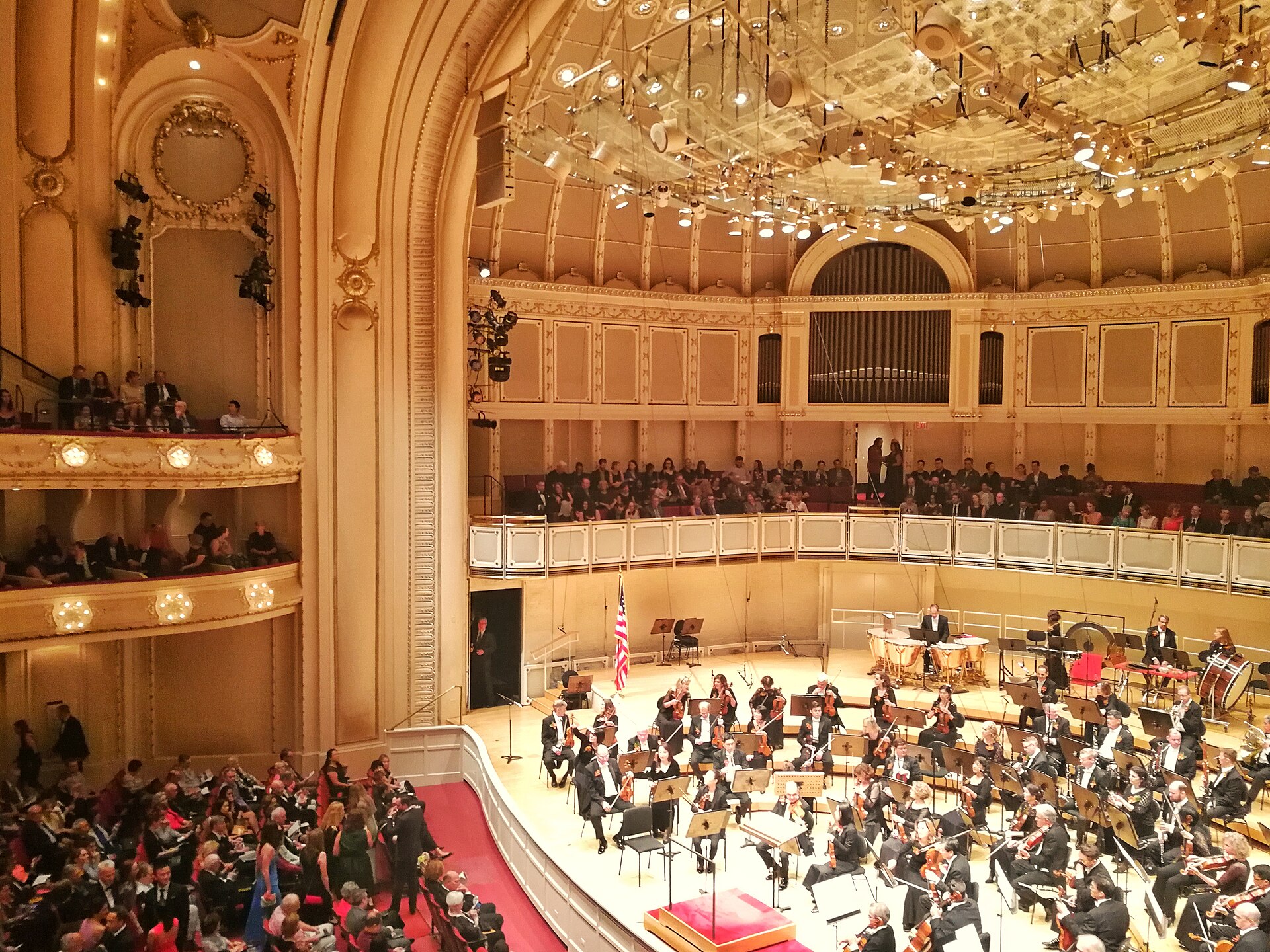
Chicago Symphony Orchestra
Orchestra Hall is one of those places where students immediately understand they are hearing something extraordinary. The Chicago Symphony Orchestra has shaped the sound of American orchestral playing for generations, and hearing that tradition live gives young musicians a reference point no recording can fully provide. The depth of the strings, the character of the winds and brass, the precision of the ensemble, and the sheer confidence of the playing can permanently raise a student’s idea of what an orchestra can be.
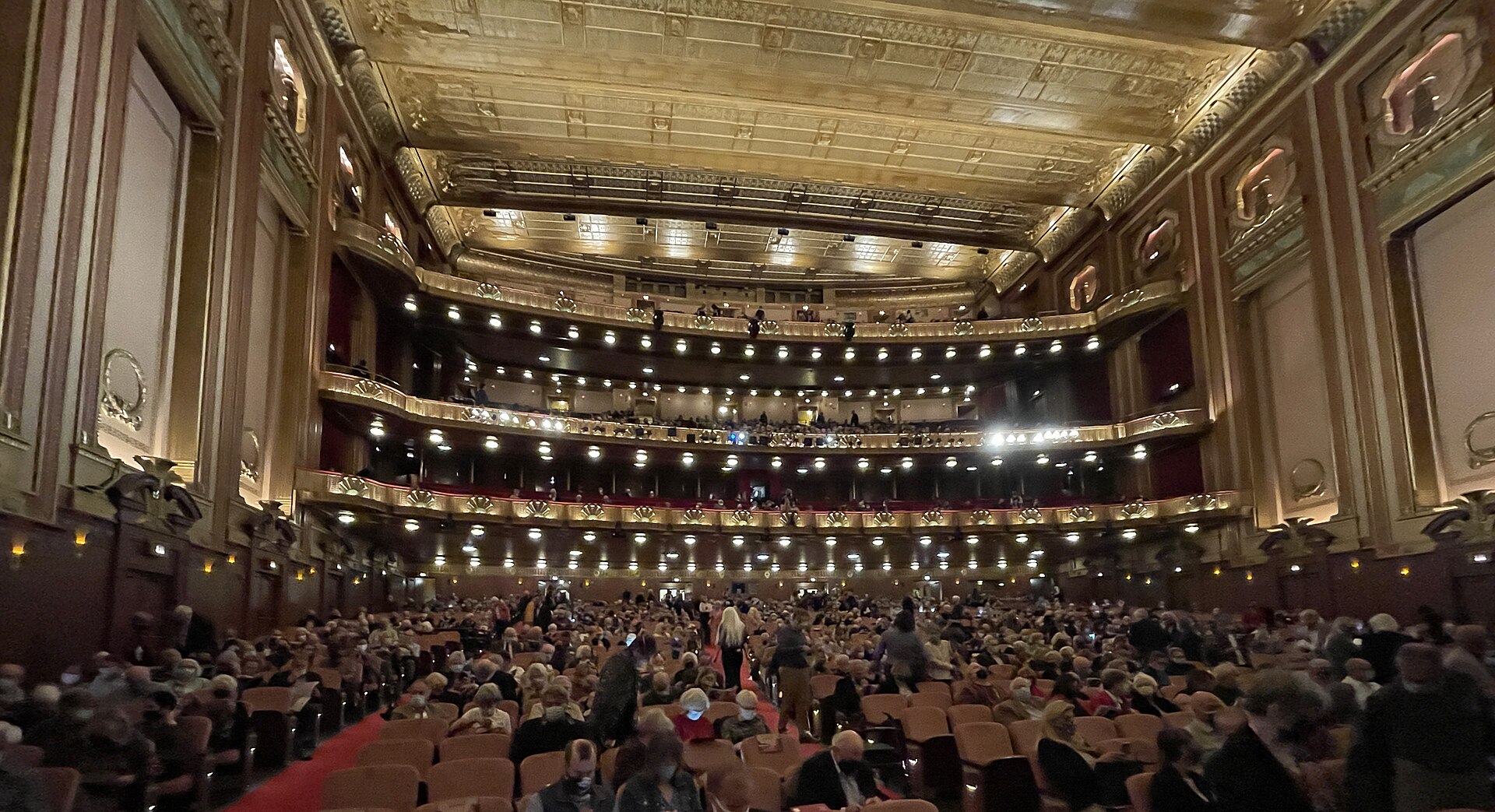
Lyric Opera of Chicago
Opera lets an orchestra student watch music carry an entire world on its back. The pit has to breathe with singers, react to drama, support enormous voices, and somehow make hundreds of moving parts feel inevitable. Add the scale of Lyric’s productions and students see orchestral playing doing a job very different from the concert hall.
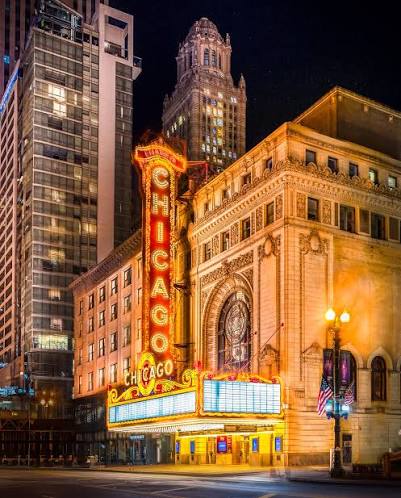
Broadway In Chicago
Chicago gives student groups access to touring productions with the same scale, polish, talent, and production values they would expect on Broadway, without needing to leave the Midwest. The season changes every year, which means the experience stays fresh for repeat groups and gives directors a new mix of major musicals, new productions, and touring favorites to choose from each time they return.
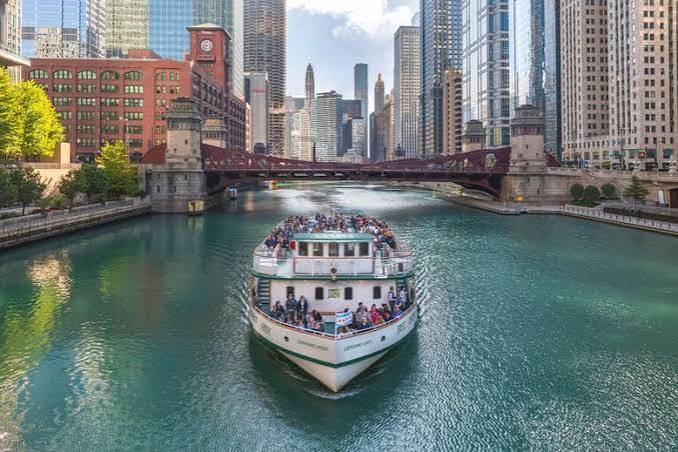
Chicago Architecture River Cruise
The river is where Chicago starts explaining itself. Skyscrapers rise straight from the water, guides unpack the stories behind the city’s most famous buildings, and students begin to see how fire, ambition, engineering, and design shaped the skyline around them. Even the ones who thought architecture sounded boring usually stop saying that pretty quickly.
Spirit of Chicago Dinner Cruise
Put a DJ on the boat, Chicago’s skyline in the background, and Lake Michigan under your feet, and suddenly dinner becomes the least important part of the evening. Students can dance, laugh, take photos out on deck, and have one of those nights where the whole group just gets to enjoy being together. It feels like a school dance upgraded by one of the best backdrops in the city.
Navy Pier
Navy Pier works best when you let students actually enjoy it. The lakefront setting already gives the group room to wander, and Flyover Chicago adds a completely different way to experience the city by sweeping students over landmarks and neighborhoods from a motion-based flying theater. It turns a familiar Chicago stop into something much more memorable than simply walking to the end of the pier.
Skydeck Chicago
The Ledge usually gets the first reaction. Stepping onto glass more than a thousand feet above the street has a way of revealing who is fearless and who suddenly needs both hands on the wall. Beyond the photos, the view helps students understand just how enormous Chicago really is from a perspective they cannot get at ground level.
360 CHICAGO
From the top of the former John Hancock Center, Lake Michigan feels almost impossibly large and the city stretches far beyond the part students have been exploring. For the brave ones, TILT adds a little adrenaline by leaning them out over the skyline from the 94th floor. It turns a great view into one of those Chicago moments students will probably be talking about before they are even back on the elevator.
Field Museum
A T. rex named SUE tends to settle the question of whether students will be interested. From there, the museum keeps opening doors into worlds far beyond Chicago, with collections that make ancient cultures, natural history, evolution, and the scale of the planet feel tangible. It is the kind of place where groups split up and come back arguing about which gallery everyone else missed.
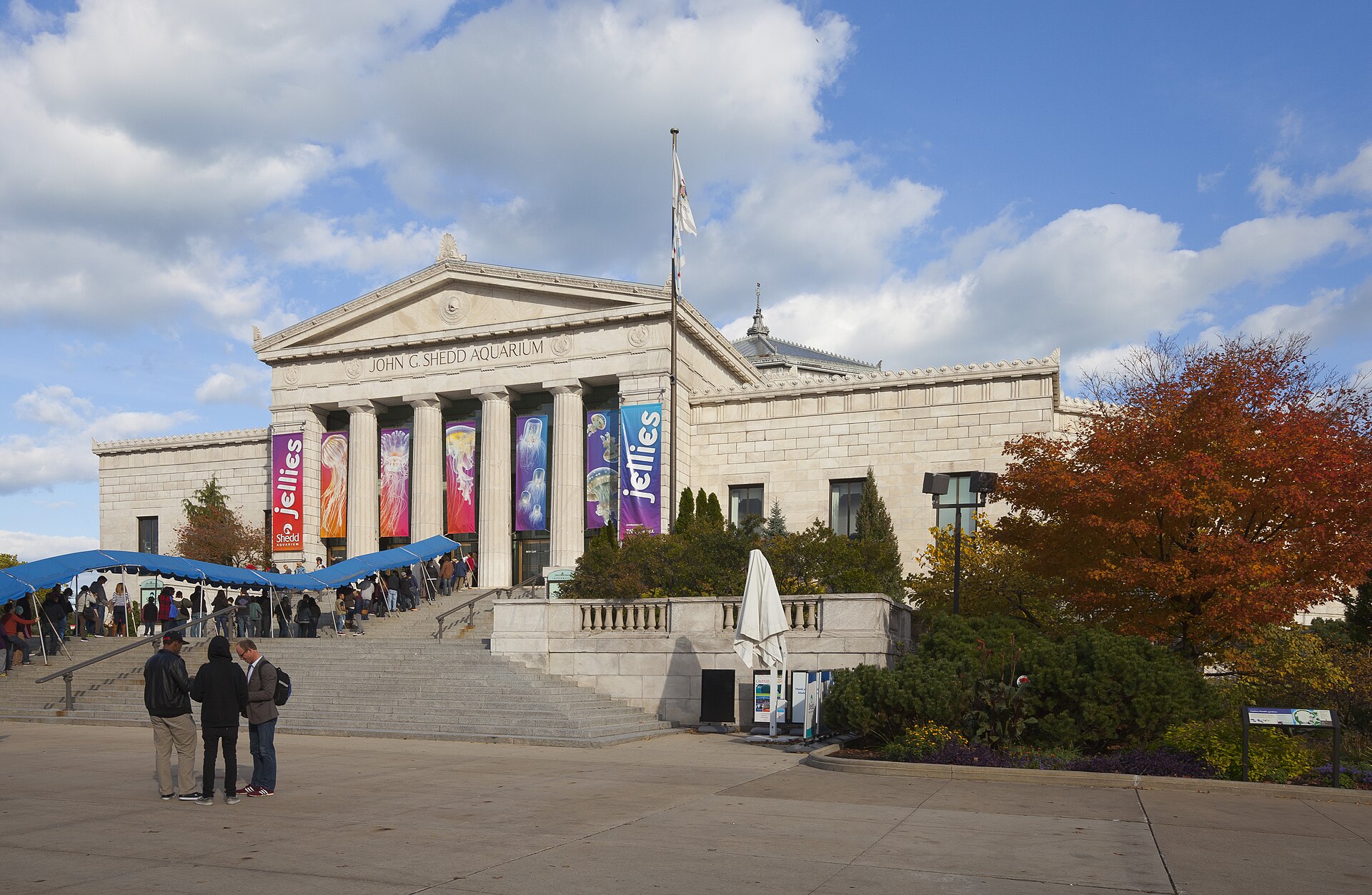
Shedd Aquarium
Beluga whales usually get the headlines, but Shedd keeps surprising students long after that first stop. River otters, sharks, sea turtles, reef fish, penguins, and marine life from wildly different parts of the world make each habitat feel like a new destination. Moving from region to region gives students a sense of how dramatically life changes from one ecosystem to the next, while still delivering plenty of pure “that is really cool” moments along the way.
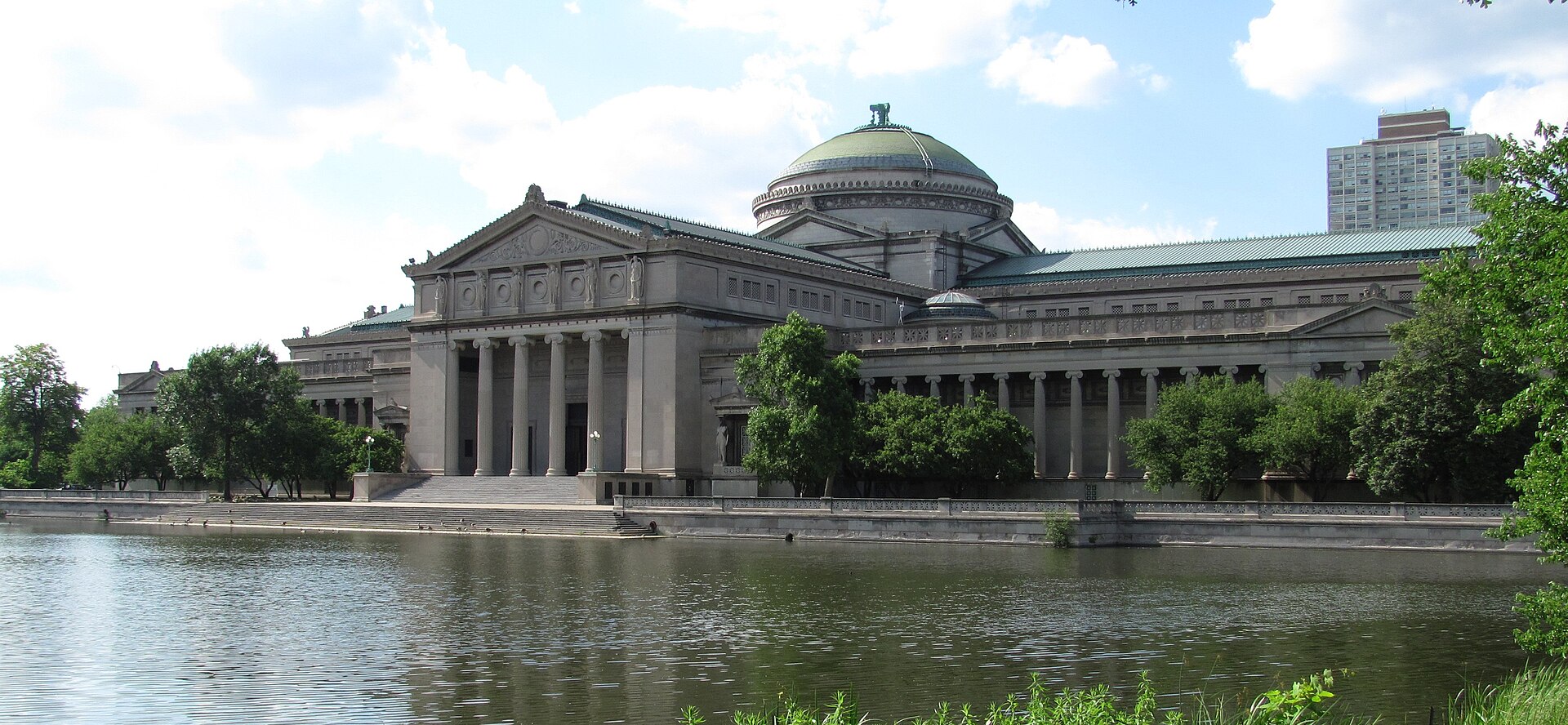
Griffin Museum of Science and Industry
The best science museums let students touch the idea instead of reading about it. Griffin does that on a scale that can turn transportation, weather, engineering, space, and technology into things students actually want to investigate. Even the kid who claims museums are boring usually finds something here that derails that argument.
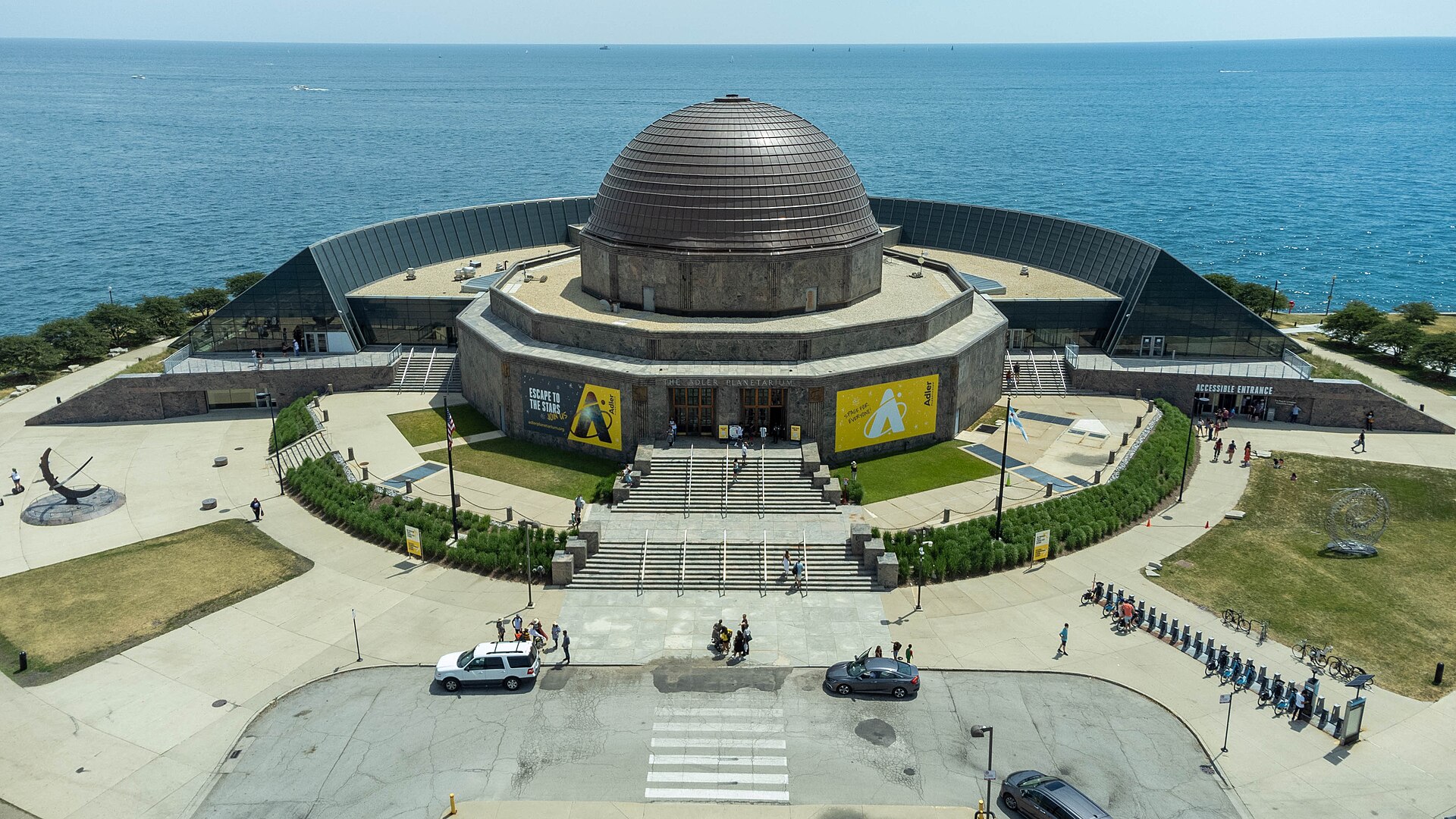
Adler Planetarium
Adler takes whatever sense of scale students have built up from Chicago and blows it apart. Planets, stars, space exploration, and the enormous questions humans have asked about the universe turn a few hours here into something much bigger than another museum stop. It is hard to spend time thinking about galaxies and come back out feeling quite as impressed with your own problems.
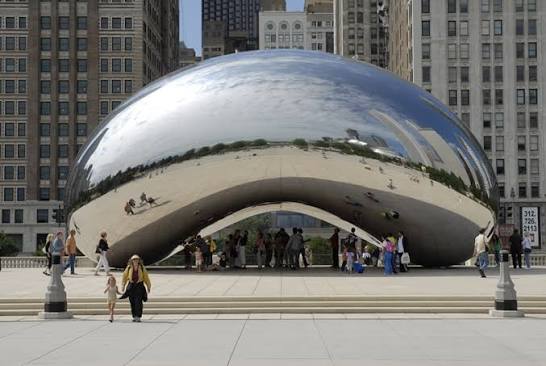
Millennium Park & The Bean
Cloud Gate is one of those rare landmarks students already know before they arrive, which makes seeing their entire orchestra warped across its mirrored surface even better. Millennium Park gives the group a chance to wander, take the obligatory photos, and enjoy one of Chicago’s most recognizable public spaces without needing every minute scheduled.
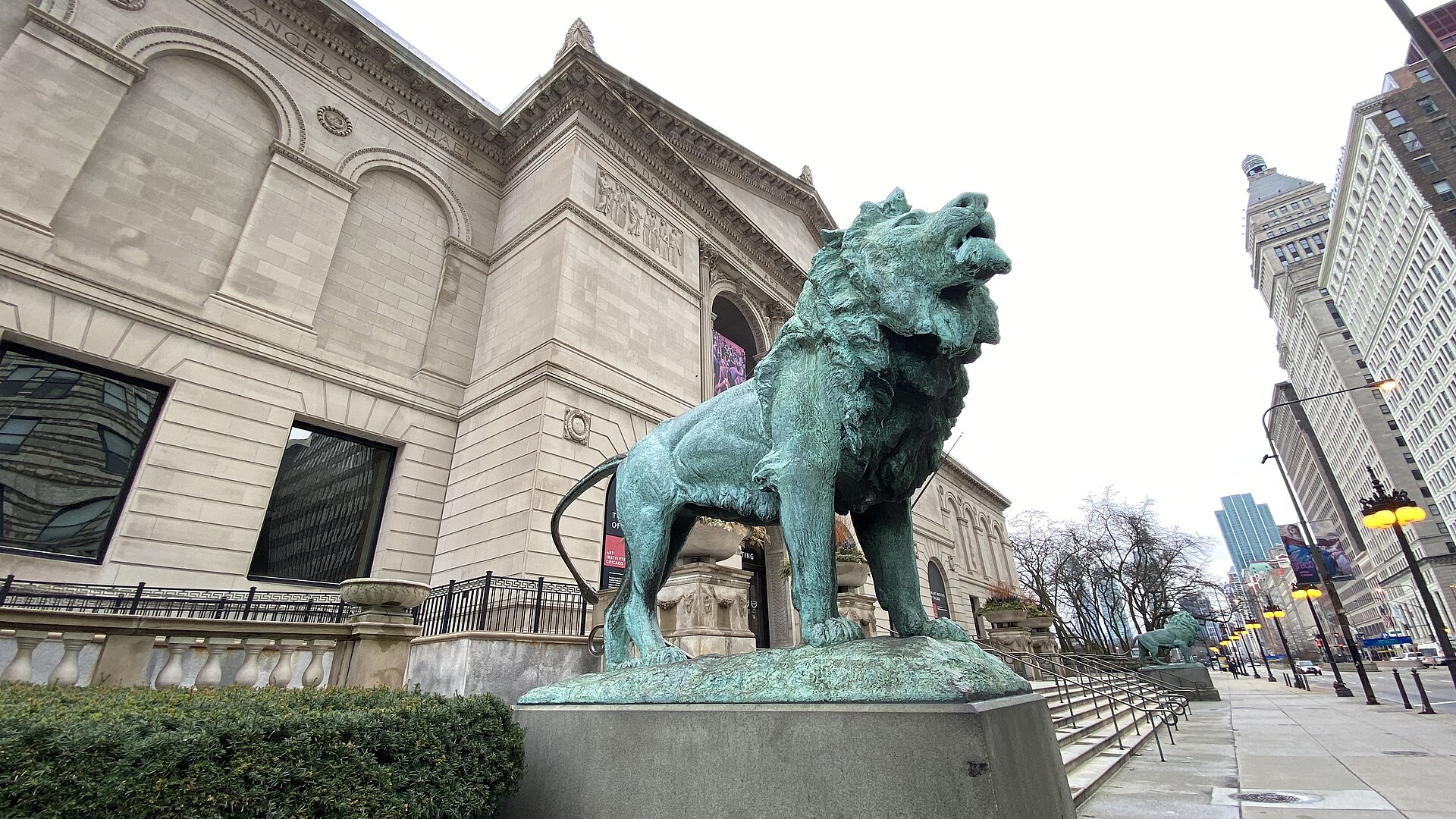
Art Institute of Chicago
Standing in front of Seurat’s A Sunday on La Grande Jatte or Grant Wood’s American Gothic is very different from recognizing them on a screen. These are images students have seen reproduced so many times that it can be startling to remember an actual artist stood in front of the real thing and made every choice by hand. For young musicians who spend their own lives worrying over tiny artistic decisions, that connection is not hard to understand.
Lincoln Park Zoo
Lions and bears are only the beginning. Students can move from gorillas and giraffes to snow leopards, penguins, otters, and dozens of other species without ever leaving the middle of Chicago. The fact that Lincoln Park Zoo has been doing this since 1868 just makes it more impressive: one of the country’s oldest zoos still gives a busload of teenagers plenty of reasons to stop, stare, and argue over which animal was best.
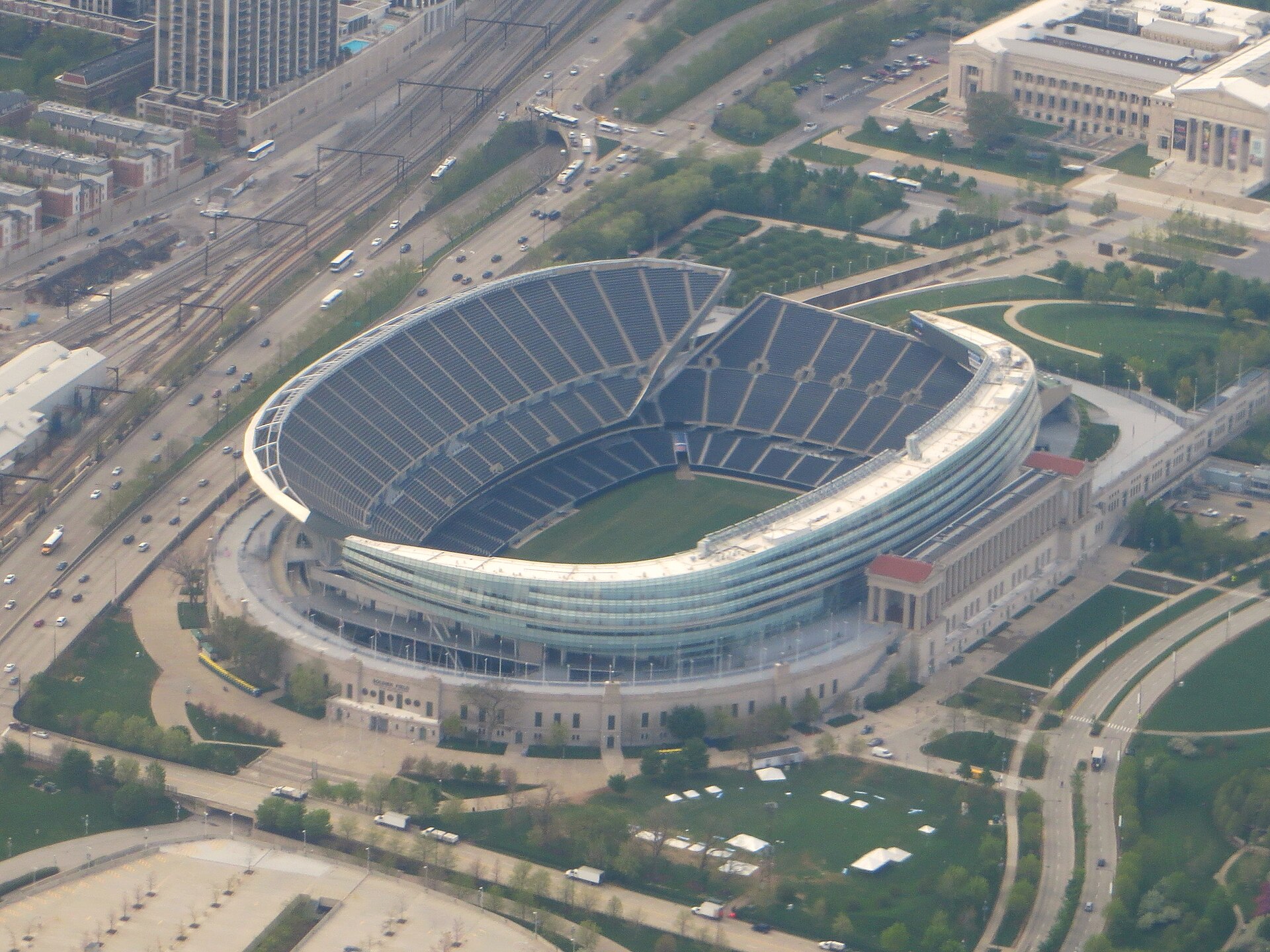
Soldier Field Stadium Tour
Every orchestra has a few of them: the rare athlete-musician unicorns who can talk football between excerpts and still make rehearsal after practice. Soldier Field finally gives those students a stop where their sports knowledge becomes highly valuable social currency. Everyone else gets the behind-the-scenes look at one of Chicago’s most famous stadiums while the orchestra’s resident athletes enjoy, for once, being the ones who know exactly what everyone is looking at.
Ways to Shape the Trip

First Chair in the Second City
Build the trip around seeing professionals do this at the highest level. The Chicago Symphony can completely recalibrate what students think an orchestra can sound like, while Broadway in Chicago shows them how orchestral musicianship works inside a totally different professional world. Add Lyric Opera when the season lines up, and the city becomes one long reminder that there are a lot of ways to make a life in music.

Windy City Tune-Up
Make your own orchestra the reason for coming. Perform somewhere the city can actually hear you, then put the ensemble in front of a strong clinician who can get underneath the surface and help fix what rehearsal back home has not quite solved yet. Chicago gives directors enough depth to make the trip musically productive without making it feel like four straight days of school.

Chicago, Meet the Judges
For ensembles that like a little pressure, build around an adjudicated festival and let the performance mean something. Students prepare with a deadline in mind, play for musicians who do not already know them, then get feedback they can actually use. UIC and Heritage give this route real substance, while the Midwest Clinic sits out there as the moonshot for an exceptional orchestra willing to plan far ahead and go after it.

Deep Dish & Downbeats
Take the Chicago approach and refuse to choose just one thing. Give the orchestra a real musical reason to travel, then let the city take over for a while. Great food, ridiculous views, theatre, museums, lakefront energy, and at least one night where nobody is discussing intonation anymore. It is the version of Chicago that lets directors feel good about the educational value while students are busy having an absolute blast.
Ready to Bring Your Orchestra to Chicago?
Put your orchestra in a city that takes orchestral music seriously, then surround the artistic work with everything that makes Chicago unforgettable.
Availability note: Performance opportunities, clinics, workshops, festivals, parades, and special events vary by destination and are subject to availability, eligibility, ensemble size, season, technical requirements, and final approval.
Photo credits: 360 CHICAGO by Olivier Bruchez (CC BY-SA 2.0); Navy Pier by Blue Diamond Photography (CC BY 2.0); UIC Band & Orchestra Festival by Anthony B. (CC BY-SA 3.0); Chicago Heritage Festival by Knowledgge (CC BY 3.0); Chicago Symphony Orchestra by Kroum (CC BY-SA 4.0); Lyric Opera of Chicago by Jeffrey Beall (CC BY 4.0); Shedd Aquarium by Diego Delso (CC BY-SA 3.0); Griffin Museum of Science and Industry by Knarfol at de.wikipedia (Public domain); Adler Planetarium by Sea Cow (CC BY-SA 4.0); Art Institute of Chicago by Raed Mansour from Chicago, USA (CC BY 2.0); Soldier Field Stadium Tour by Ken Lund from Reno, Nevada, USA (CC BY-SA 2.0). Via Wikimedia Commons.