
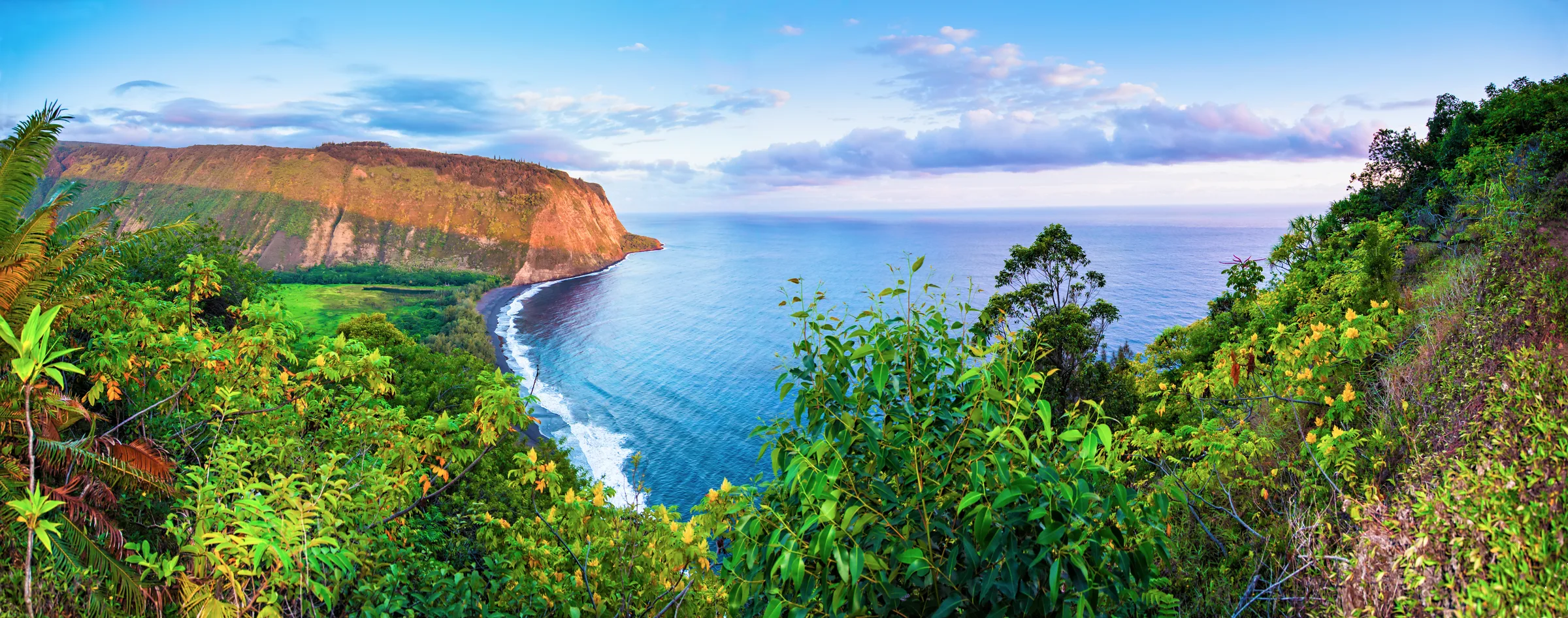
Orchestra Travel: Hawaii
The Aloha Spirit of Strings
Why Hawaii for Orchestras?
String players already understand that the same instrument can speak in completely different ways. Hawaiʻi takes that idea somewhere new. Ukulele, slack-key guitar, Hawaiian steel guitar, and island traditions built around rhythm, melody, movement, and storytelling surround students with a musical world where strings have their own voice and history.
For an orchestra, that creates a trip with real musical range. Students can perform in unforgettable settings, work with local musicians, explore styles far outside the traditional concert hall, and still bring everything back to the skills they use every day: listening, phrasing, rhythm, tone, and playing together. Hawaiʻi does not ask an orchestra to become something else. It shows students how much bigger the world of strings already is.
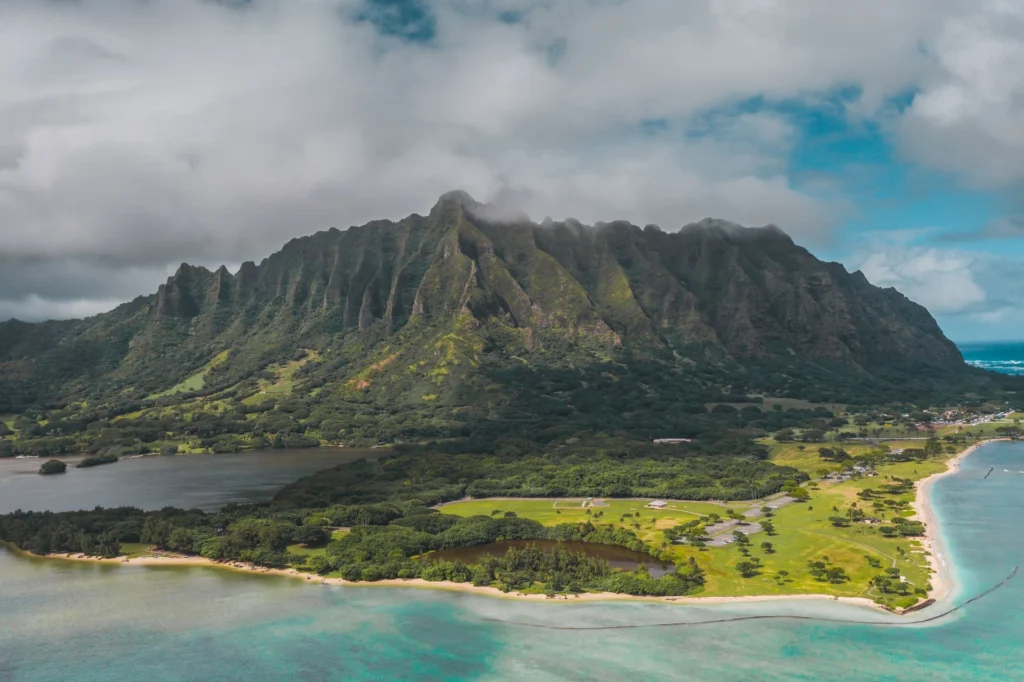
Performance Possibilities
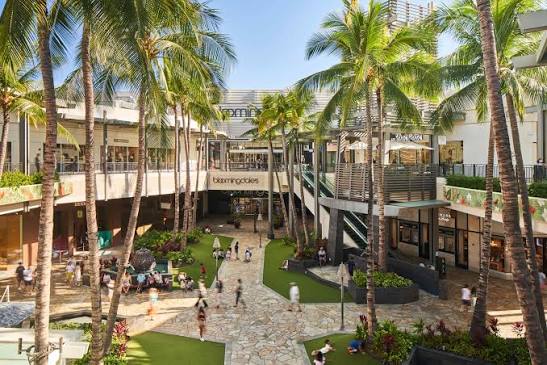
Ala Moana Centerstage
There is something fun about dropping a full string orchestra into one of Honolulu’s busiest gathering places. Ala Moana gives students an indoor stage, steady foot traffic, and an audience made up of shoppers and visitors who may not have expected live orchestral music that day. It is public, energetic, and a great place for students to learn how to hold the attention of people who were not already sitting quietly waiting for them.
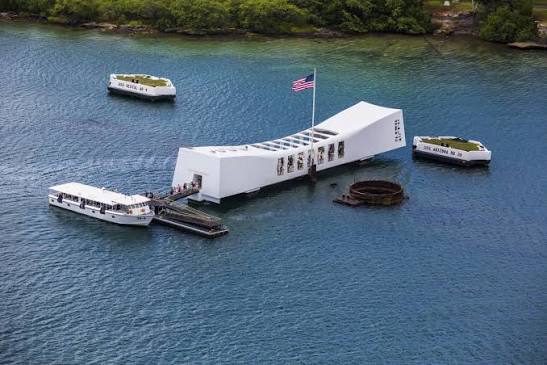
Pearl Harbor
Music sounds different when students know exactly where they are standing. Whether the opportunity is connected to the USS Missouri or the Bowfin, the history surrounding the performance changes the way the group approaches it. Repertoire, pacing, and presentation all deserve a little more thought here, giving the orchestra a chance to perform with a level of care that the setting naturally demands.
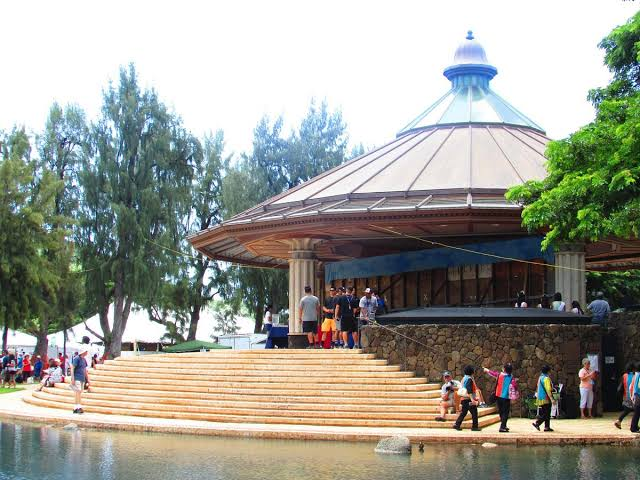
Kapiʻolani Park Bandstand
Open air, palm trees, Diamond Head nearby, and a real community bandstand give this performance an unmistakable sense of place. Kapiʻolani Park works best when the goal is not formality, but connection. Families, walkers, and visitors can drift toward the music, giving students the experience of creating an audience in real time while performing in one of Honolulu’s most recognizable outdoor settings.
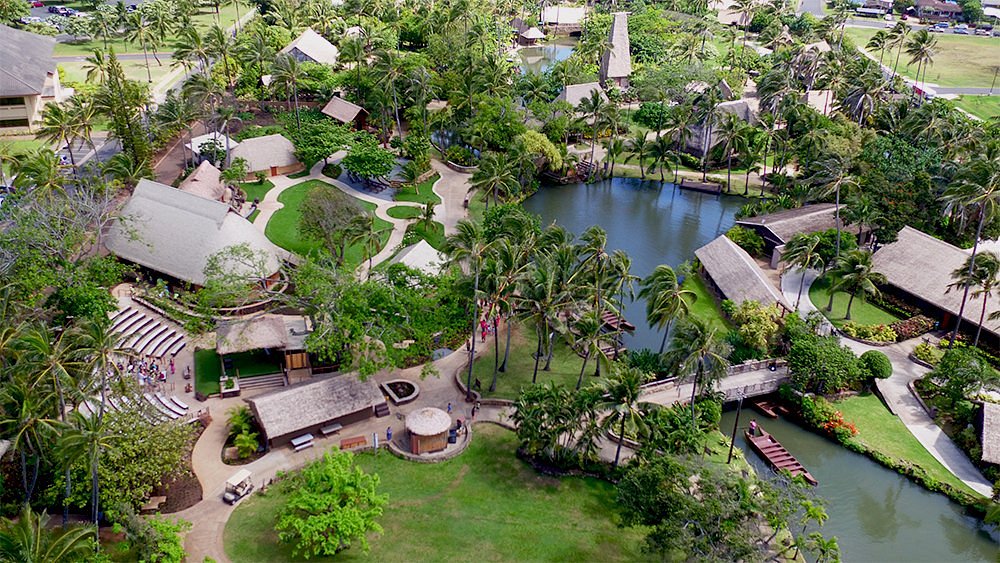
Polynesian Cultural Center
This performance connects the orchestra to a place where music, movement, language, and cultural tradition are already part of the experience. Students are not simply adding another concert to the itinerary. They are performing in an environment that encourages them to think about how music communicates identity, history, and community across cultures.
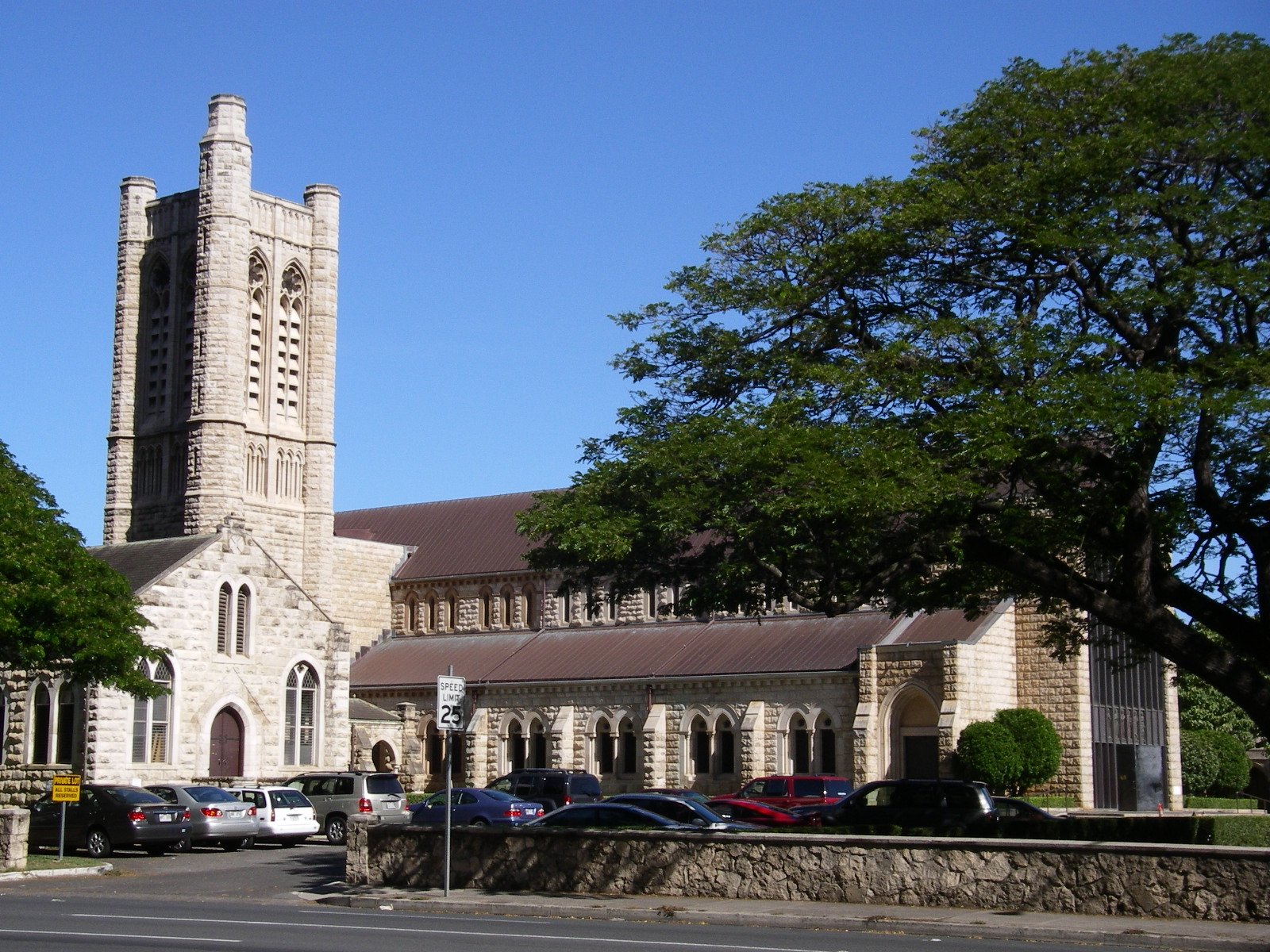
Cathedral of St. Andrew
The Cathedral lets an orchestra hear itself in unusually revealing ways. Long notes carry, soft playing remains present, and inner voices that can disappear in a dry room suddenly matter. Students have to trust the sound instead of forcing it, making balance, releases, and the space between phrases just as important as the notes themselves.
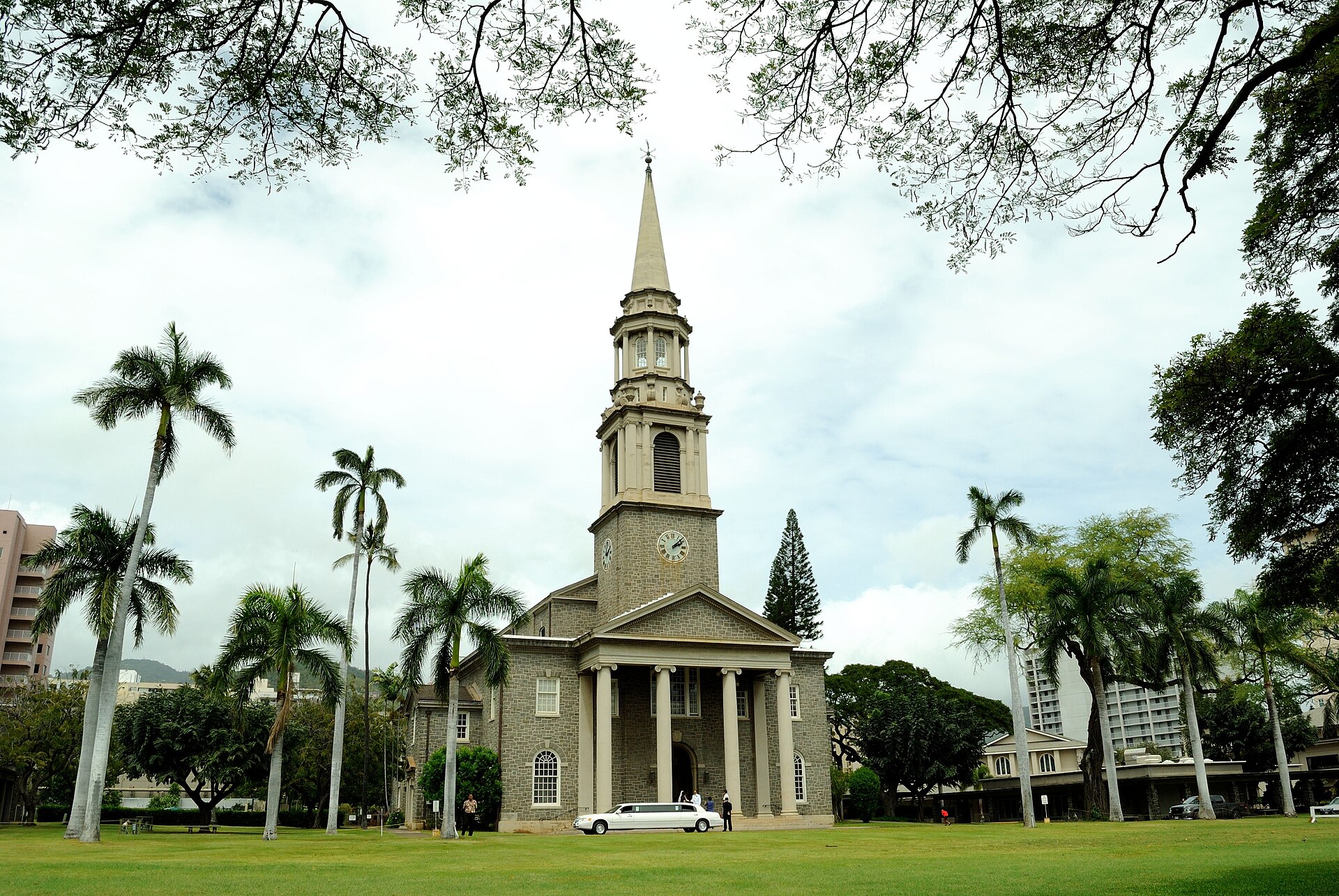
Central Union Church
Central Union offers the kind of indoor concert environment orchestra directors appreciate immediately. The sanctuary supports a full string sound without forcing students to push, and the room makes balance, phrasing, and ensemble listening easier to hear. It is a strong choice when the goal is a performance that feels closer to a true concert experience than a public attraction stop.
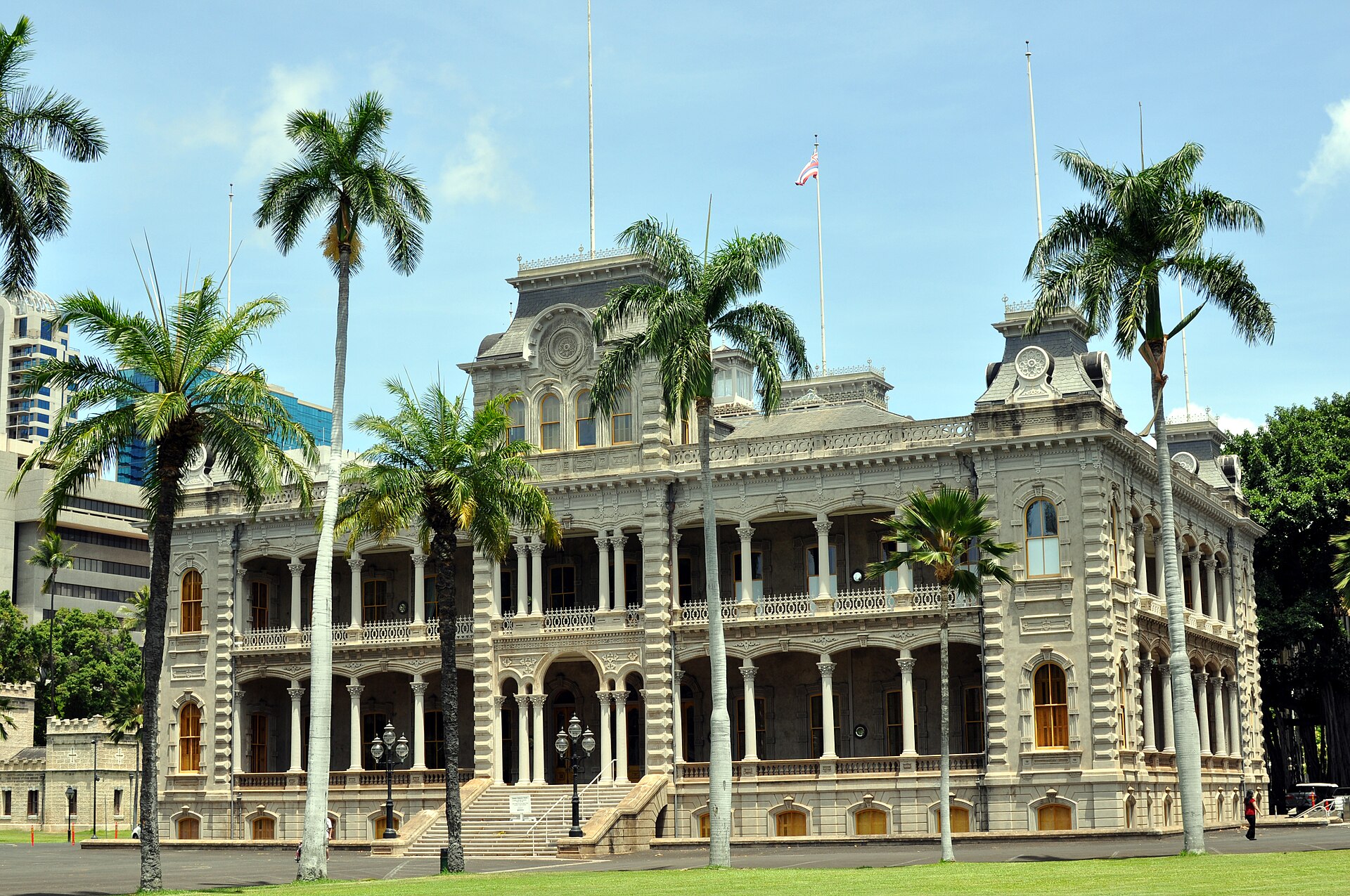
ʻIolani Palace Grounds
Performing on the grounds of ʻIolani Palace places students inside the story of the Hawaiian Kingdom rather than simply reading about it later. Music has long been part of life at the palace, and that history gives the performance real context. For an orchestra, it is a chance to bring its own tradition into a place where Hawaiian musical identity and royal history are deeply connected.
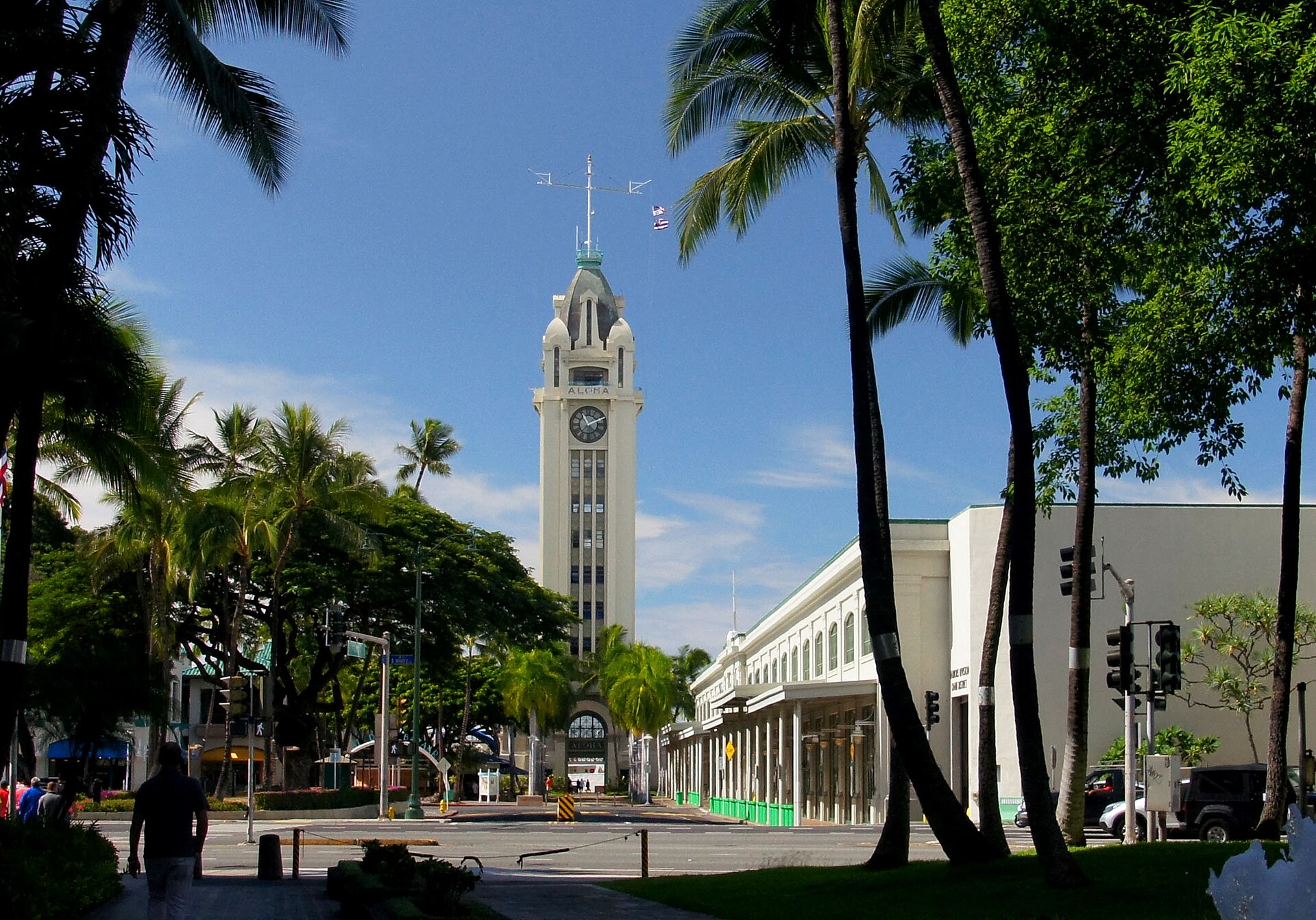
Aloha Tower at Pier 9
The harbor does a lot of the work here. Aloha Tower gives the orchestra an outdoor stage framed by the waterfront, arriving visitors, and the movement of Honolulu around them. The value is visibility and atmosphere, with students playing in a setting that feels open, public, and completely different from the controlled world of a school auditorium.
Clinics & Workshops

UH Mānoa Orchestra Clinic
Bring the music your orchestra is already preparing and put it in front of someone who works with string players every day. A UH Mānoa clinic can dig into bow distribution, intonation, articulation, section balance, phrasing, and the places where an ensemble stops listening across the room. Students leave with specific things they can change in rehearsal, not just general comments about playing with more expression.

Honolulu Heritage Festival
This is the option for directors who want the trip to include a real adjudicated performance. The orchestra plays for a panel of adjudicators, receives written and recorded comments, and works immediately afterward with a clinician while the performance is still fresh. That sequence matters. Students can connect what they just felt onstage with what an outside musician heard, then try adjustments before the moment disappears.

BYU–Hawaiʻi Orchestra Clinic
BYU–Hawaiʻi gives students a chance to work in a program where orchestral playing can sit alongside studio, commercial, and contemporary music. A clinic can stay firmly rooted in the ensemble’s concert repertoire or push students toward a broader approach to rhythm, style, balance, and flexibility. Either way, the orchestra is working with musicians who expect strings to function in more than one musical world.

Hawaiʻi Youth Symphony Masterclass
Young musicians often hear things differently from teachers who work with students close to their own age and stage of development. A masterclass with Hawaiʻi Youth Symphony artists or coaches can focus on section playing, chamber skills, audition preparation, tone, shifting, ensemble responsibility, or the details that separate a strong section from a collection of individual players. It gives students another model for what serious youth orchestra playing can look like.
Local Orchestra Exchange
Put two orchestras in the same room and there is immediately something to talk about. A school exchange can include side-by-side rehearsal, shared repertoire, section work, informal performance, or simply time for students to compare what orchestra looks like in two very different communities. The musical part matters, but so does realizing that stand partners, tuning problems, difficult passages, and orchestra jokes apparently cross the Pacific just fine.
ʻUkulele Workshop
Four strings, no bow, and suddenly the right hand has a completely different job. An ʻukulele workshop asks orchestra students to think about chord function, rhythm, accompaniment, strumming patterns, and learning by ear instead of waiting for a printed part. Cellists, violists, violinists, and bassists all arrive with useful musical instincts, but the instrument makes them apply those instincts in a new way.
Hula Workshop
Orchestra students spend years shaping phrases for dancers they may never actually see. Hula puts movement right in front of them. Students begin to notice how gesture, pulse, repetition, text, and musical shape support one another, and how a performer can communicate structure without saying a word. It is especially useful for young musicians who tend to think of phrasing as something printed between two rehearsal letters.
Oli: Hawaiian Chant Workshop
Oli begins without a score, which changes the rules immediately for students accustomed to reading everything in front of them. They have to listen closely, imitate sound, remember patterns, match inflection, and understand that the words and their cultural context determine how the music is delivered. For orchestra students, it is a powerful exercise in learning by ear and treating phrasing as something heard and understood before it is analyzed.

Taiko Workshop
Taiko makes ensemble precision impossible to hide. Everyone can see the preparation, hear the attack, and feel immediately when the group is not together. Students work with pulse, subdivision, physical coordination, visual cues, stamina, and unified movement, all without a conductor rescuing every entrance. For an orchestra, that kind of full-body ensemble work can sharpen rhythmic awareness in a way a rehearsal chair simply cannot.
Beyond the Stage
Hawaiʻi rewards students who pay attention. The islands carry layers of Native Hawaiian history, language, tradition, migration, military history, and modern island life that are easy to miss if the trip is only beaches and performances. Giving orchestra students time to understand the place they are visiting makes everything else richer, and turns Hawaiʻi from a beautiful destination into somewhere they actually begin to know.
Pearl Harbor
Pearl Harbor asks students to slow down. The exhibits, memorials, ships, and personal stories put real people behind events they may only know from a textbook. It is one of the few stops on the trip where nobody needs to manufacture a lesson. The place does that on its own.
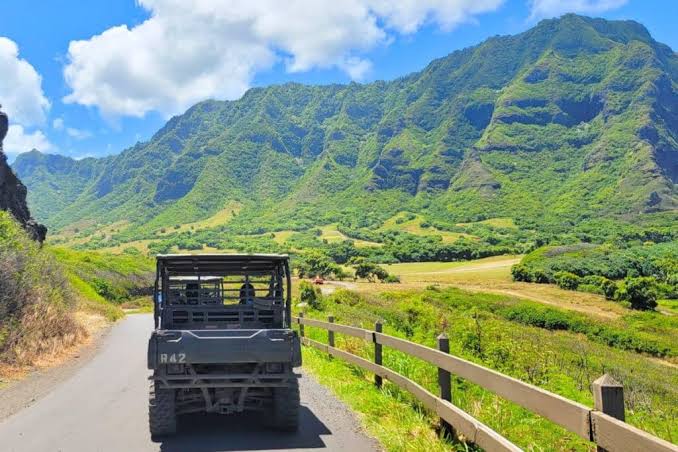
Kualoa Ranch
Kualoa is the Hawaiʻi students think they know from movies, only much bigger once they are standing inside it. Towering green ridges, open valleys, jungle roads, and famous filming locations make the ranch part scenery, part adventure, and part “wait, they filmed that here?” Depending on the group, the day can include movie sites, UTVs, horseback riding, or other ranch experiences.
Polynesian Cultural Center
Seven island cultures, each with their own traditions, language, food, music, and stories, give students much more than a quick introduction to Polynesia. They can move from village to village, watch demonstrations, try activities, eat, and finish with a major evening show. It is one of the easiest places on the island to spend hours learning without the day ever feeling like class.
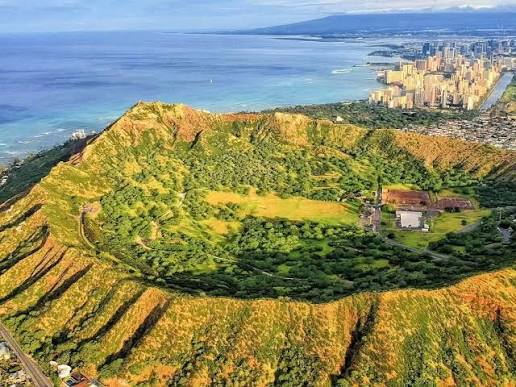
Diamond Head & Waikīkī
Start with the climb and earn the view. Diamond Head gives students a look across Honolulu and the Pacific that makes the geography of the island finally make sense. Back in Waikīkī, the pace changes completely with beach time, shopping, food, and enough people-watching to fill the rest of the afternoon.
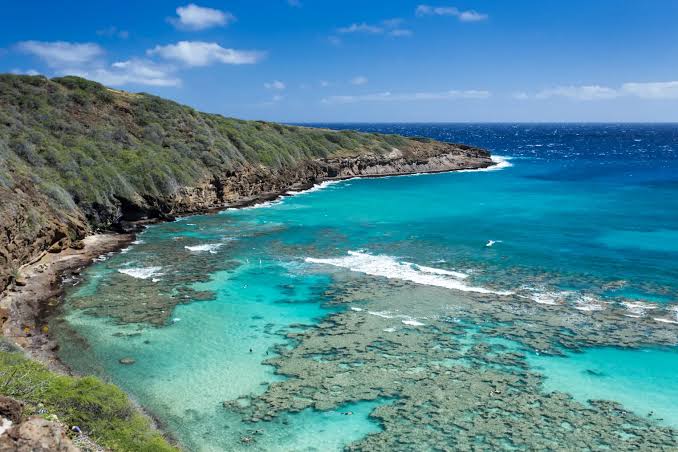
Hanauma Bay & Marine Experiences
The ocean deserves more than being something students look at from the bus window. A marine experience can put them in the water snorkeling, learning about reef life, or exploring Hawaiʻi’s coastal environment firsthand. It is equal parts science lesson and excuse to spend part of the day in the Pacific.
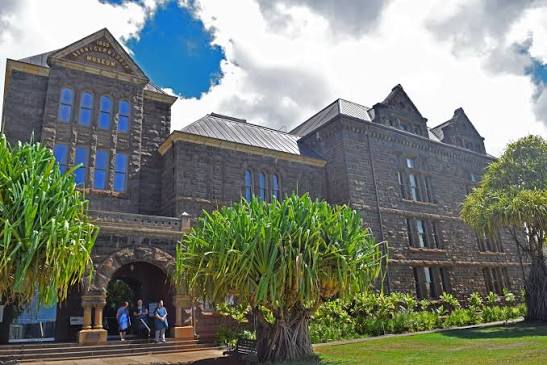
Bishop Museum
Bishop Museum fills in the pieces students cannot get from a beach day or sightseeing stop. Hawaiian history, navigation, natural science, language, artifacts, and Pacific cultures all sit under one roof, giving the group context for nearly everything else they are seeing around Oʻahu. The trip makes more sense after students spend some time here.
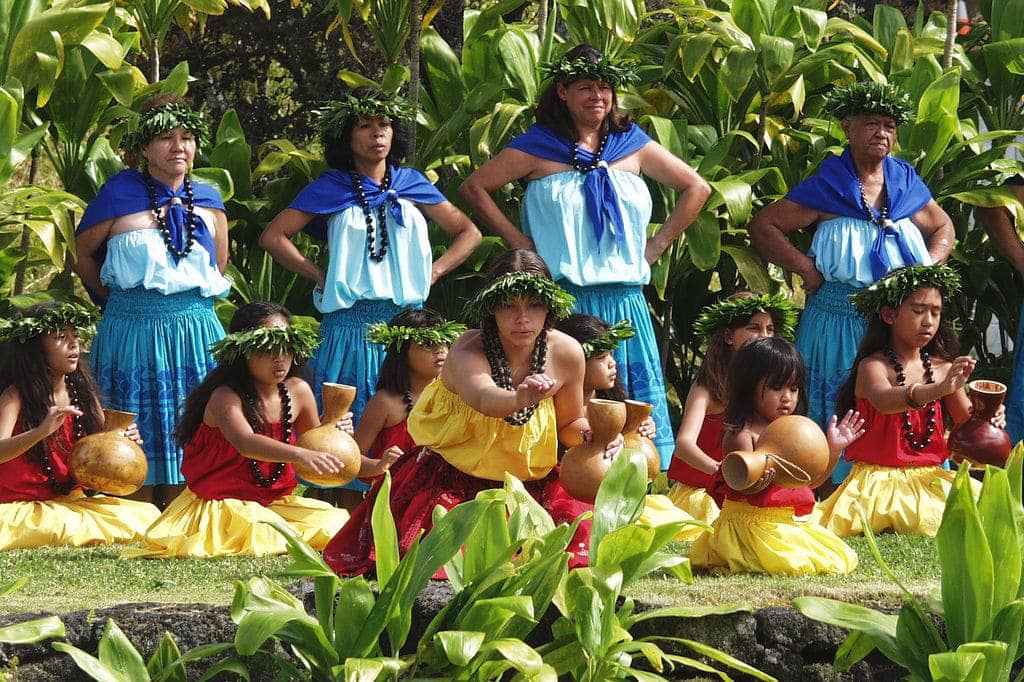
Island Lūʻau
A lūʻau brings together food, hospitality, music, dance, storytelling, and a big shared meal without asking students to do anything except enjoy it. It is social, lively, and one of those nights when sections stop sitting in sections and the whole group starts feeling more like one traveling family.
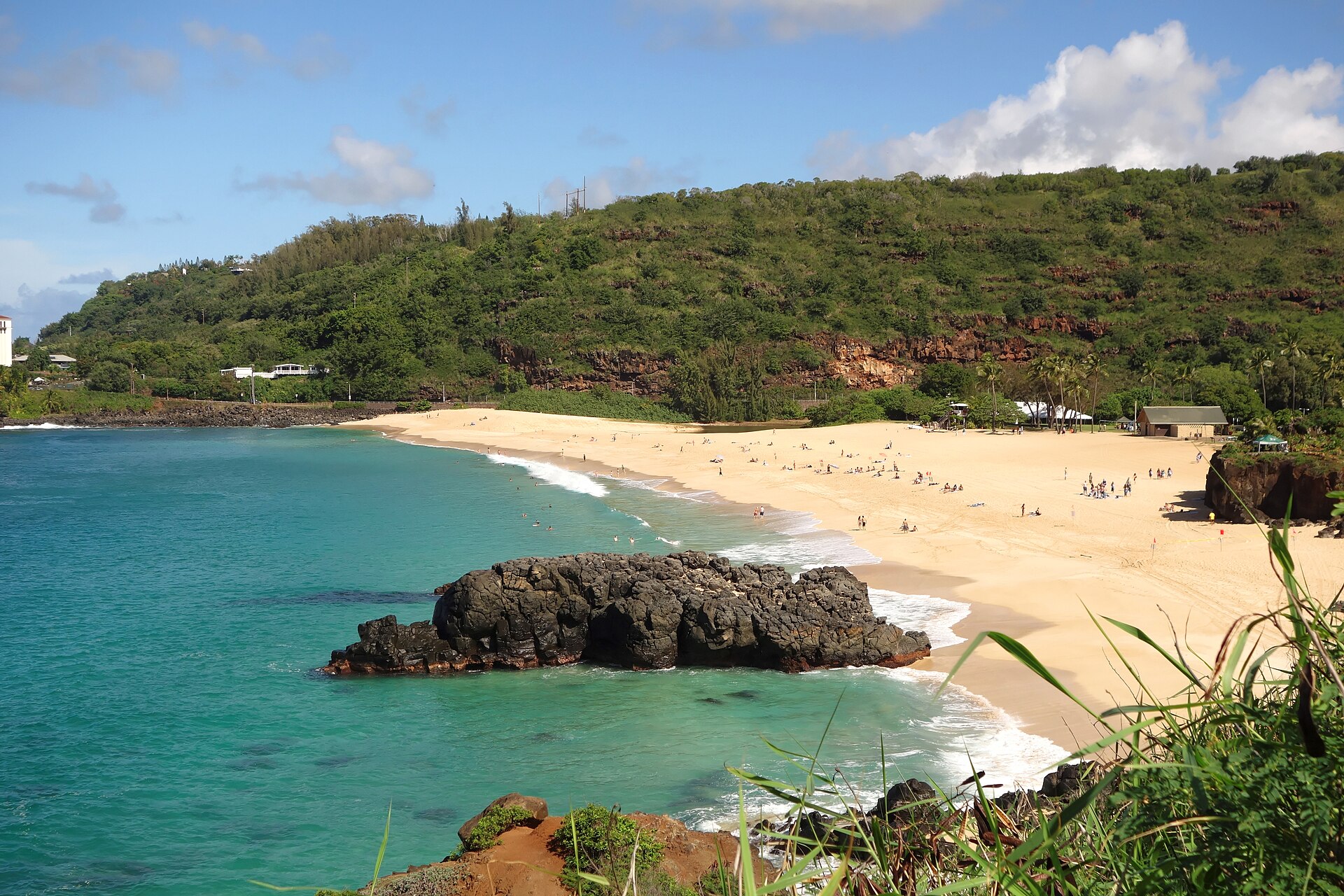
Haleʻiwa & North Shore
The North Shore has a completely different personality from Honolulu. Haleʻiwa gives students time for local shops, food trucks, shave ice, and wandering, while the coastline adds surf culture and beaches that feel miles away from Waikīkī even though the bus ride is manageable. It is casual in exactly the right way.
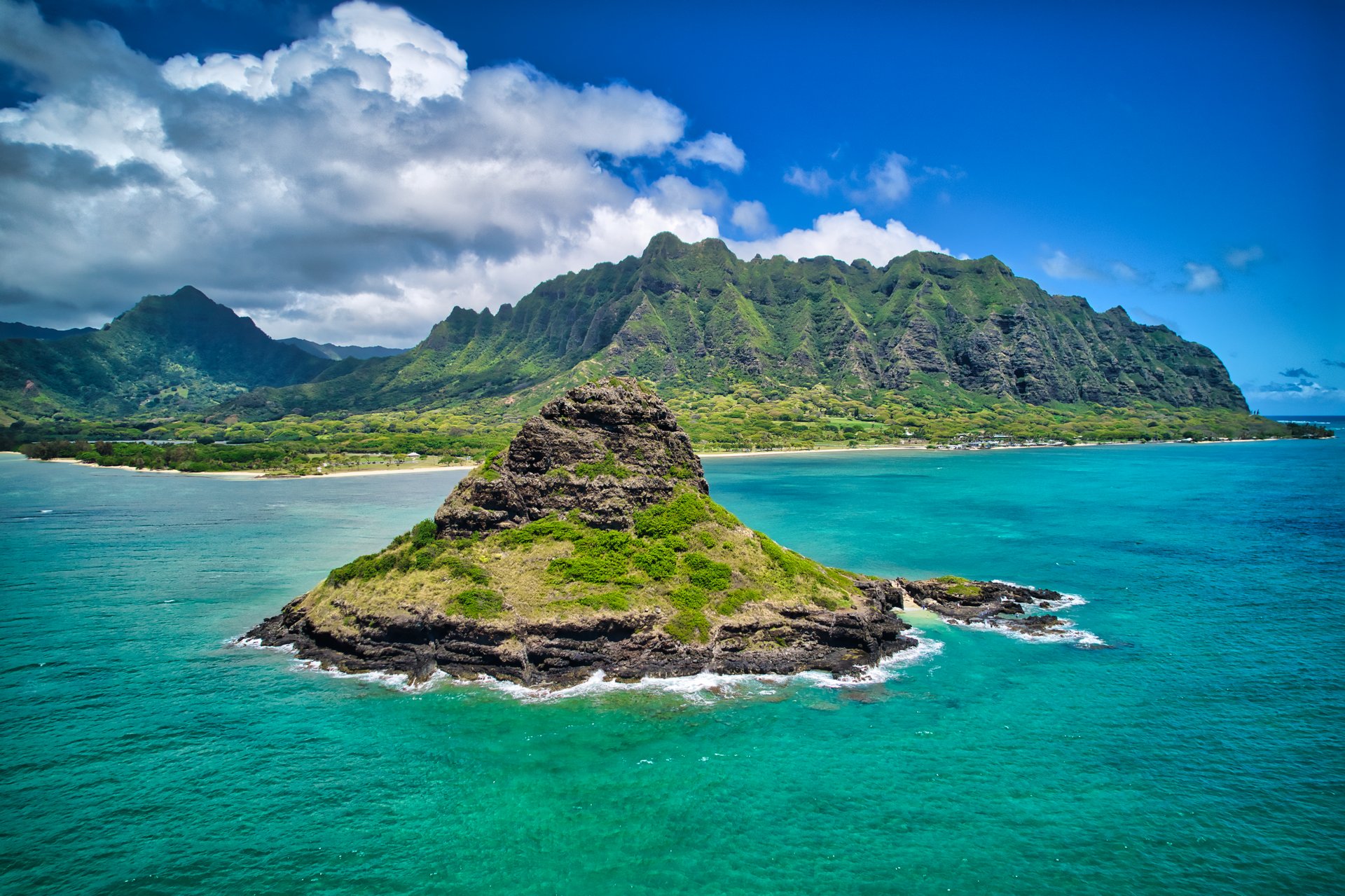
Secret Island at Kualoa
This is the day students will probably post about first. Secret Island combines beach time with kayaks, paddleboards, games, hammocks, and a private stretch of shoreline tucked against the Kualoa landscape. After rehearsals, performances, and scheduled sightseeing, giving teenagers a few hours to simply play is not wasted itinerary space.
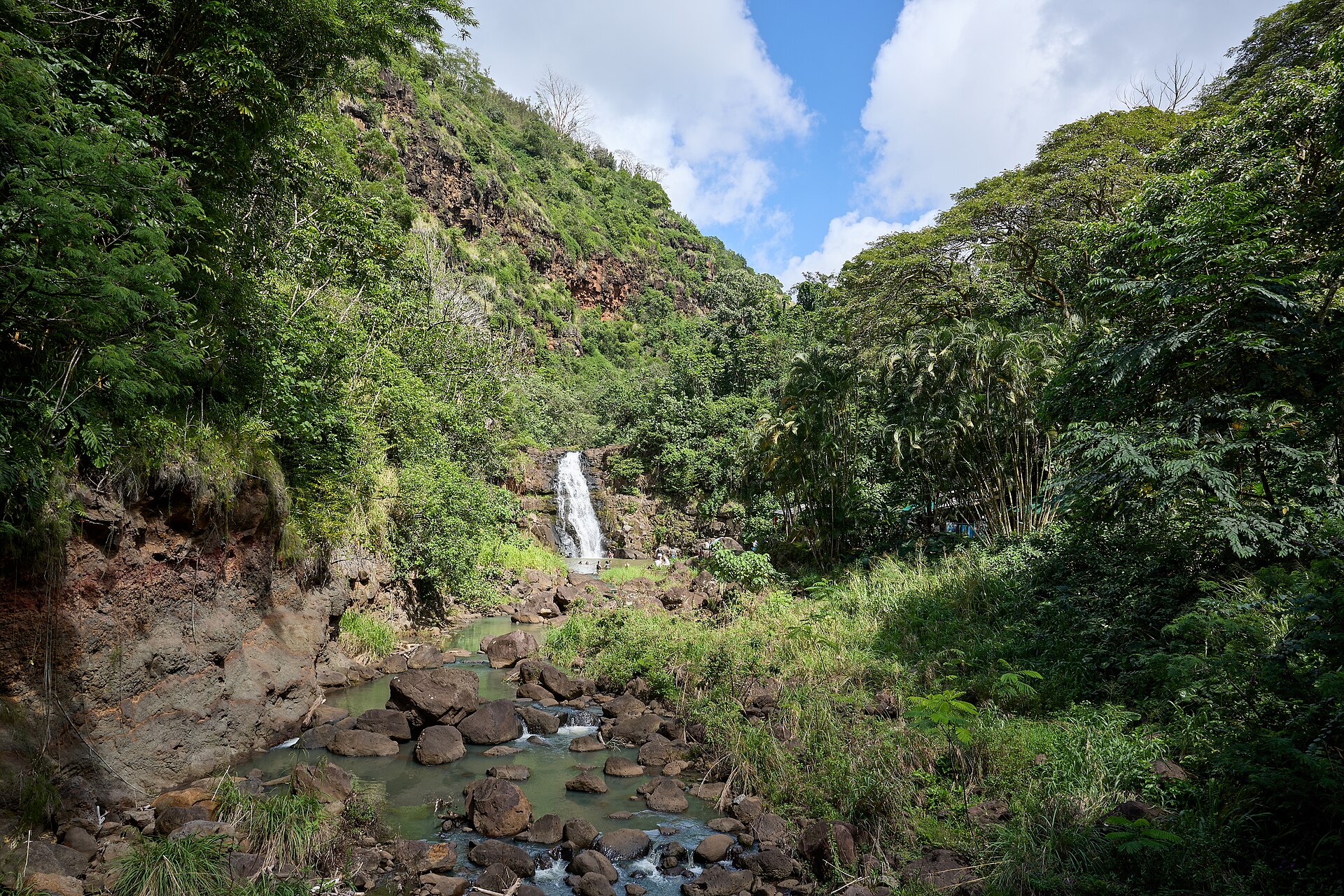
Waimea Valley & Falls
Waimea Valley gives the group a walk through botanical gardens, cultural sites, and lush North Shore scenery before reaching the waterfall at the end. Students get nature without needing to be serious hikers, and the pace gives everyone enough time to actually look around instead of racing toward the next appointment.
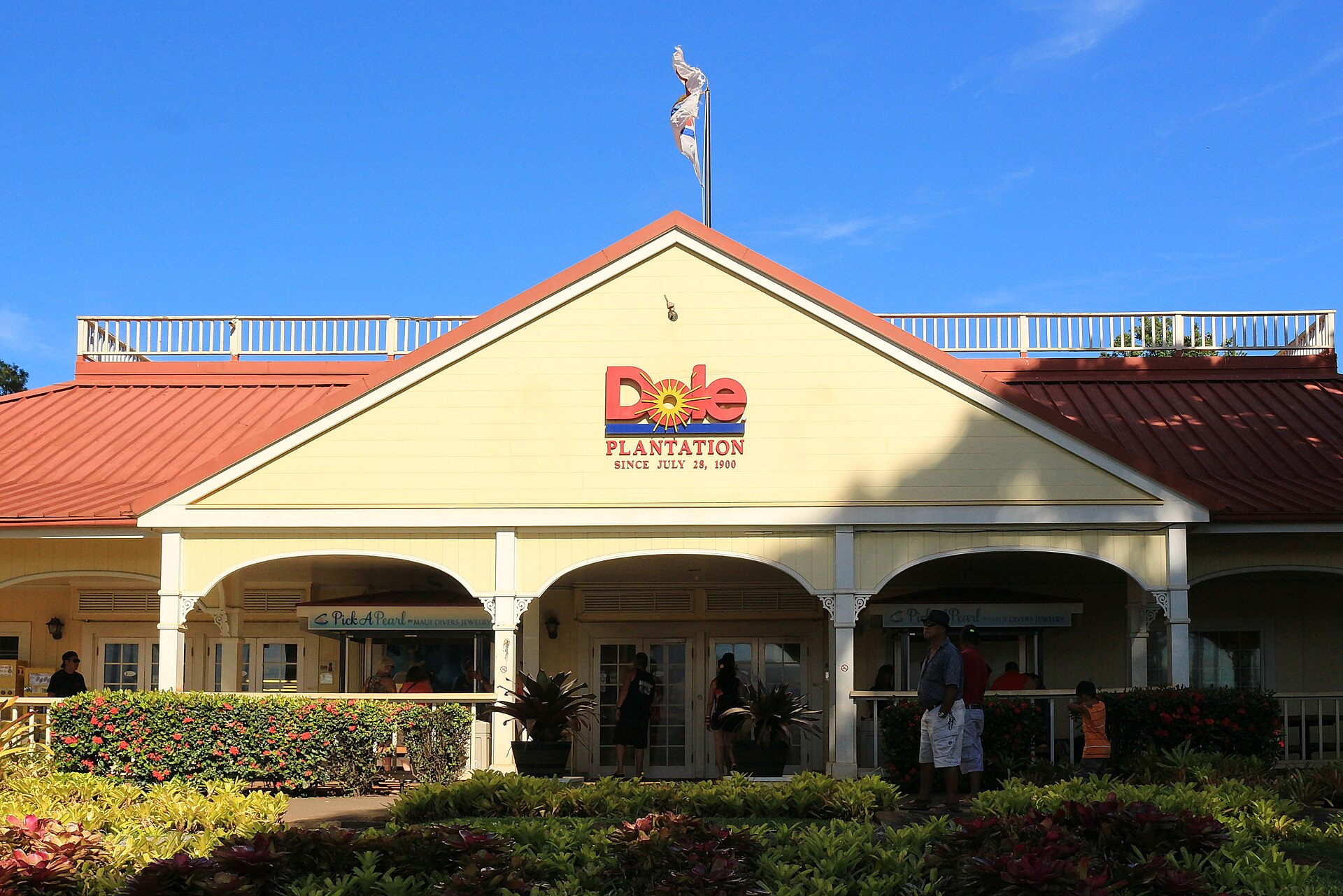
Dole Plantation
Yes, there will be pineapple. A lot of pineapple. The plantation also gives students a fun break with gardens, the maze, train ride, souvenirs, and the inevitable debate over whether Dole Whip counts as breakfast if the itinerary starts early enough. Sometimes a trip needs a stop whose primary academic objective is simply having a good time.
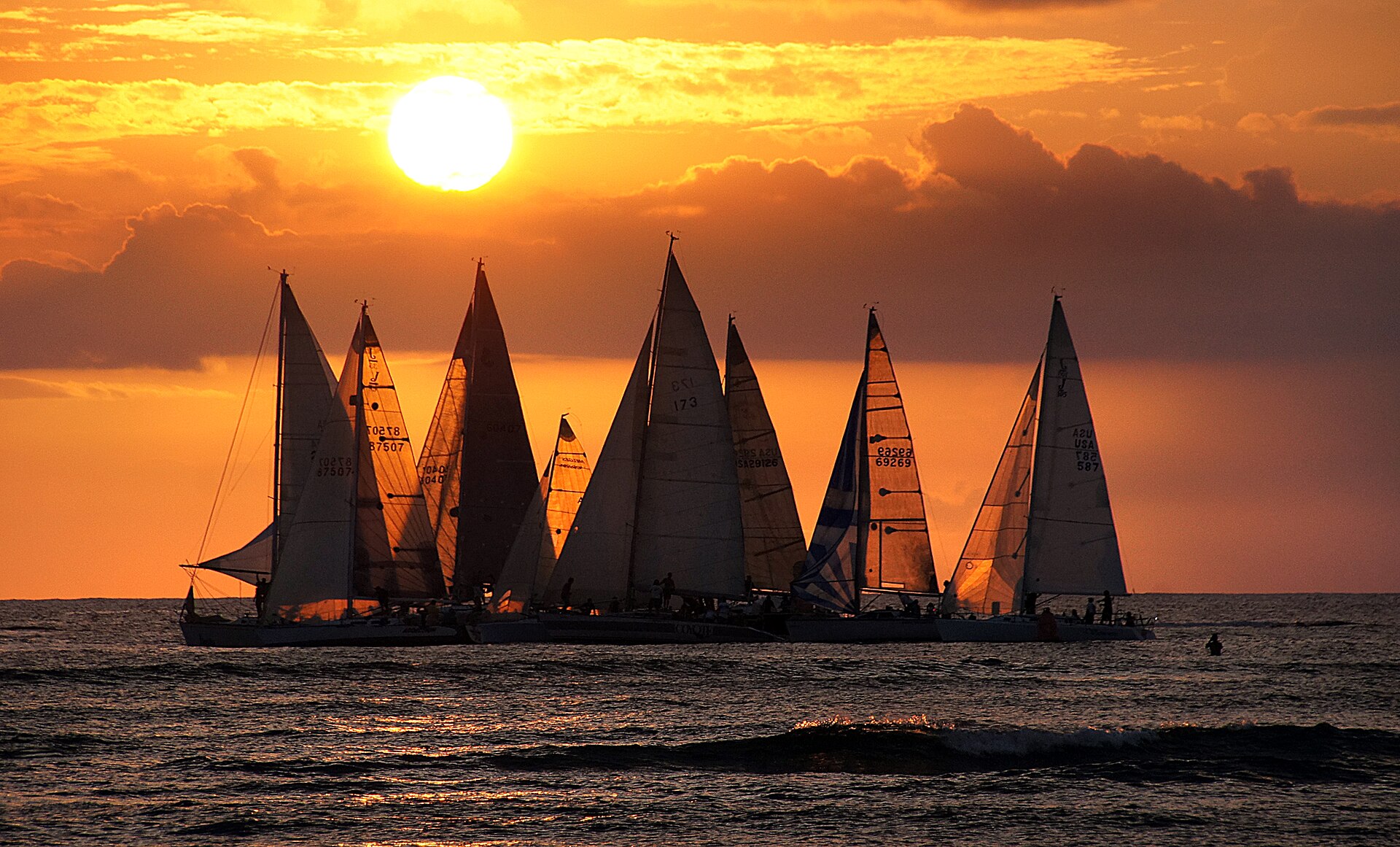
Waikīkī Catamaran or Sunset Cruise
Put Honolulu behind the boat for a while. A catamaran gets students out onto the water with views back toward Waikīkī, Diamond Head, and the coastline they have been exploring from land all week. A daytime sail brings more energy; sunset turns it into a fitting final-night option when the group needs one last experience together before heading home.
Ways to Shape the Trip

Play Oʻahu
Put the orchestra itself at the center of the trip. Build around an adjudicated festival, university clinic, masterclass, school exchange, or public performance, then give students another opportunity to use what they learned. This route is for directors who want the trip to sharpen the ensemble as much as it rewards them.

Hawaiʻi Beyond the Postcard
Go deeper than beaches and scenery. Learn hula, experience oli, visit Bishop Museum and ʻIolani Palace, spend time at the Polynesian Cultural Center, and give students context for the language, traditions, history, and people of Hawaiʻi. The goal is to understand the islands rather than simply pass through them.

From ʻUkulele to Taiko
Let orchestra students meet Hawaiʻi through music they probably do not encounter at home. Learn ʻukulele, try taiko, work by ear, explore rhythm and groove, and connect with local musicians and students. It gives young string players a chance to make music without relying on the habits, notation, and ensemble roles they already know.

Hawaiʻi, All of It
If you are taking an orchestra all the way to Hawaiʻi, there is a good argument for not rushing through it. Give the group enough time for the music to matter, the culture to sink in, and the island to feel like more than a backdrop. And if the calendar allows, add a few days on Maui or Hawaiʻi Island. Oʻahu may be where the orchestra performs, but it does not have to be the only Hawaiʻi students get to know.

Ready to Bring Your Orchestra to Hawaii?
Make Hawaii a defining chapter for your orchestra with thoughtful performance settings, cultural learning, string-centered clinics, and the island experiences students dream about.
Availability note: Performance opportunities, clinics, workshops, festivals, parades, and special events vary by destination and are subject to availability, eligibility, ensemble size, season, technical requirements, and final approval.
Photo credits: Central Union Church by Daniel Ramirez (CC BY 2.0); ʻIolani Palace Grounds by Don Ramey Logan (CC BY-SA 3.0); Aloha Tower at Pier 9 by Bernard Spragg (CC0); Haleʻiwa & North Shore by Daniel Ramirez (CC BY 2.0); Secret Island at Kualoa by Eric Tessmer (CC BY 4.0); Waimea Valley & Falls by Frank Schulenburg (CC BY-SA 4.0); Dole Plantation by Robert Linsdell (CC BY 2.0); Waikīkī Catamaran or Sunset Cruise by Bernard Spragg (CC0). Via Wikimedia Commons.