
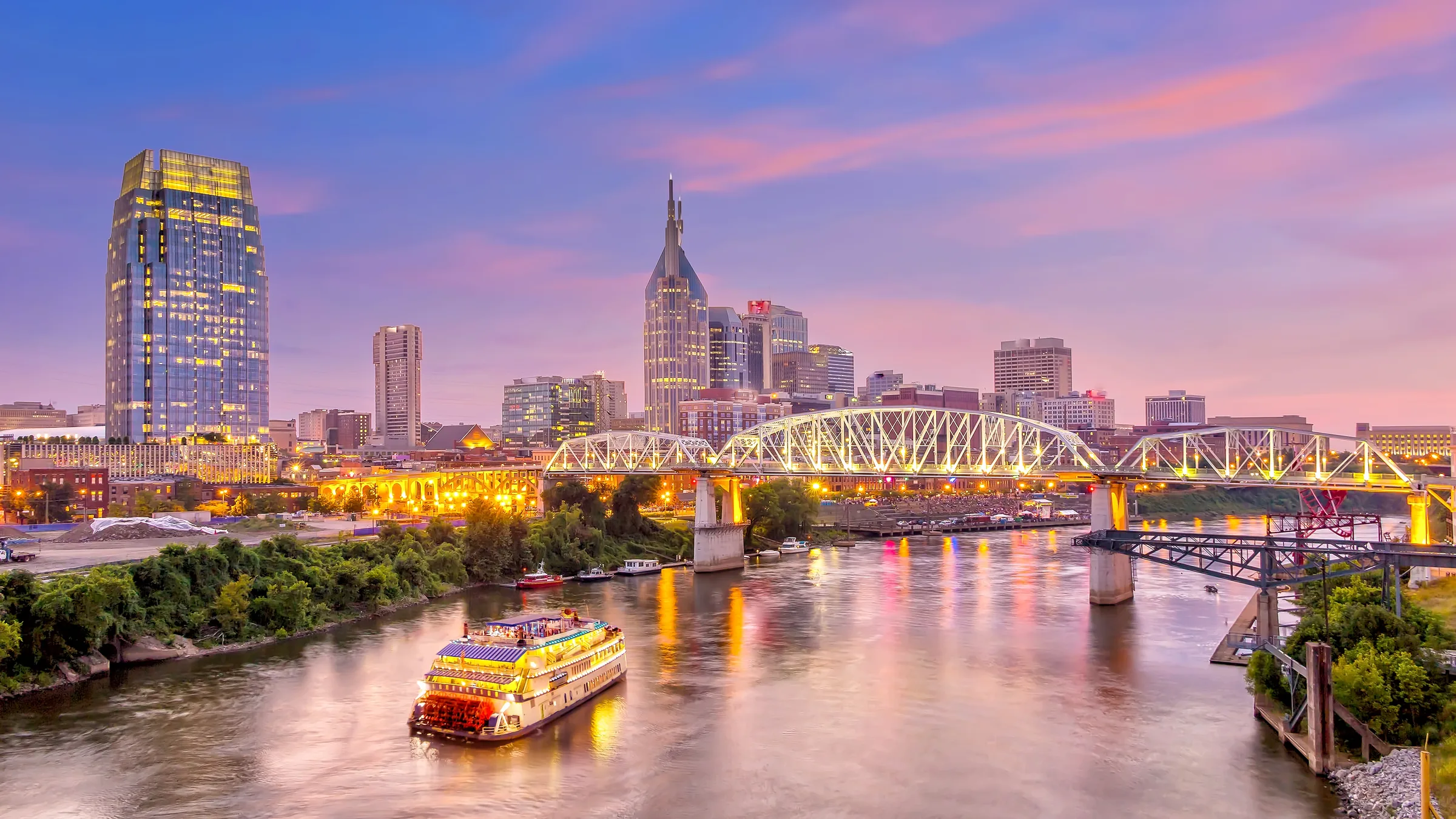
Orchestra Travel: Nashville
Bluegrass to Beethoven
Why Nashville for Orchestras?
Put a violin in Nashville and suddenly it has options. It can sing in a symphony hall, drive a bluegrass tune, double a country vocal, layer a studio track, or trade phrases in a room full of musicians who learned to listen before they learned to show off. For orchestra students, that is the revelation of Music City: the instrument they already know can speak more musical languages than they may have imagined.
The fundamentals do not disappear when the style changes. Bow control still matters. Intonation still matters. So do phrasing, pulse, balance, listening, and knowing when your sound belongs in front and when it belongs inside the texture. Nashville lets students hear those skills at work everywhere, from the Nashville Symphony to RCA Studio B to a bluegrass session. The orchestra stays at the center, but the musical world around it suddenly gets much bigger.
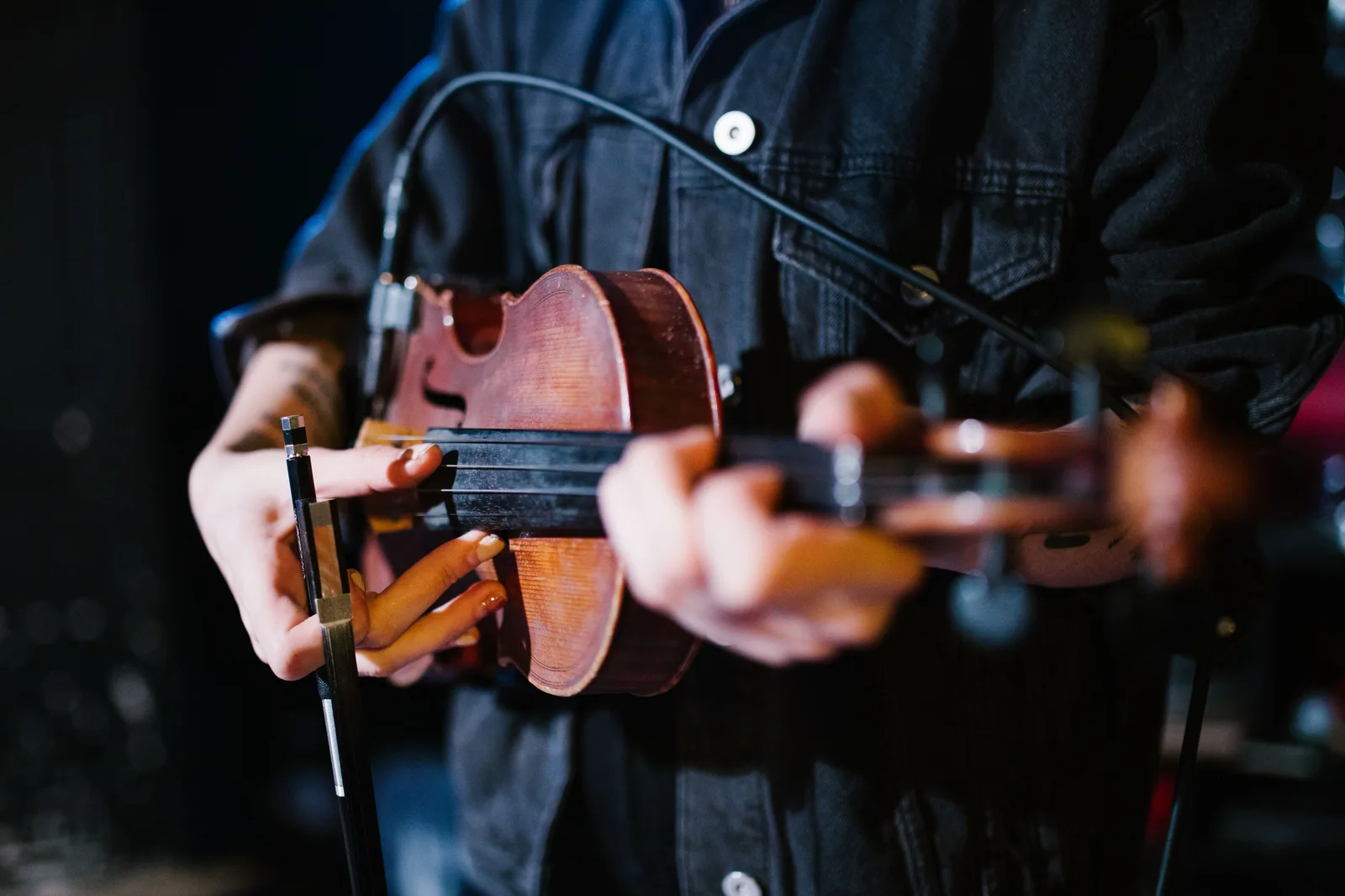
Performance Possibilities
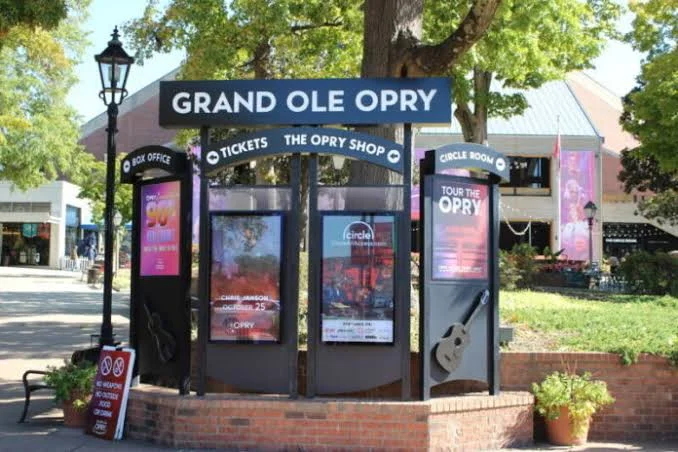
Grand Ole Opry Plaza
An outdoor pre-Opry performance puts the orchestra in front of people who are already arriving excited to hear music. The plaza is busy, the audience is built in, and students get the experience of playing for a crowd that is ready to stop, listen, and enjoy them. For strings, the value is visibility, projection, and the chance to make a public performance feel unmistakably Nashville before one of the city’s most iconic shows.
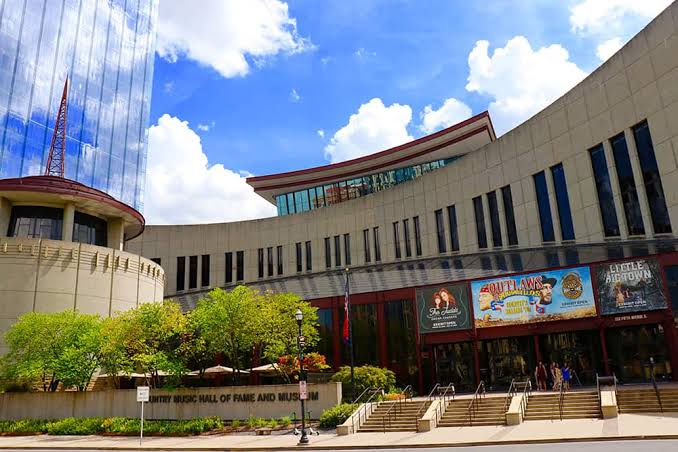
Country Music Hall of Fame
People arrive at the Country Music Hall of Fame expecting legendary artists, iconic instruments, and rooms filled with music history. Finding a live student orchestra outside adds something they did not know was on the itinerary. That built-in audience is already curious about music, giving students a chance to catch people by surprise, hold their attention, and connect their own string sound to the stories waiting just inside.
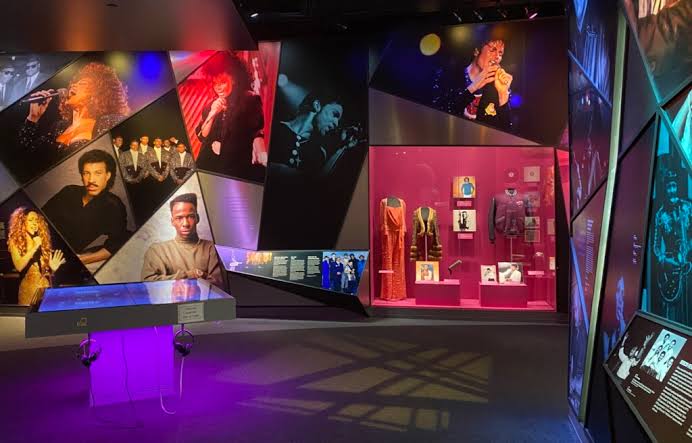
NMAAM
The lobby at the National Museum of African American Music gives an orchestra a welcoming indoor space with seating, pleasing acoustics, and an audience naturally gathered around the performance. Strings can settle into the room and let the sound open up, while the museum around them connects students to gospel, blues, jazz, R&B, and the enormous influence of Black musicians on American music.
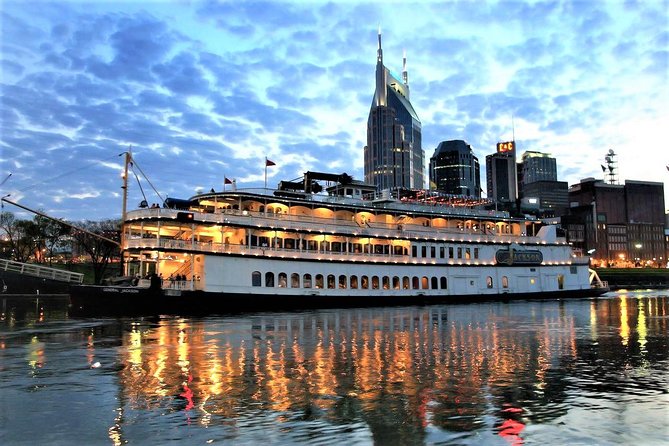
General Jackson Showboat
As guests line up to board the General Jackson, a student orchestra can turn the wait into part of the experience. The performance happens outside near the boarding area, where the audience is already gathered, excited for the cruise, and ready to be entertained. It is a lively, public-facing performance that gives students a real crowd at exactly the moment people are looking for the night to begin.
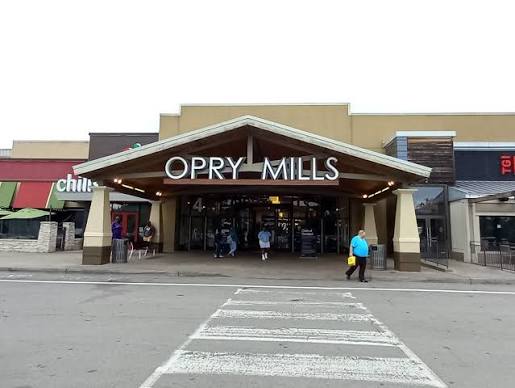
Opry Mills
Opry Mills gives the orchestra an indoor performance with something many formal halls cannot guarantee: people. Shoppers and visitors naturally stop, listen, and gather, giving students the experience of winning over an audience that did not arrive specifically for them. Climate control and steady foot traffic make it an energetic setting for a public performance.
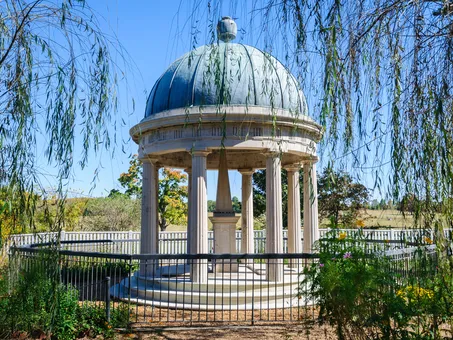
The Hermitage
The Hermitage offers outdoor performance spaces across its historic grounds, pairing music with a setting far removed from the usual school stage. Students perform as visitors move through one of Nashville’s most significant historic sites, adding atmosphere and context to the experience.
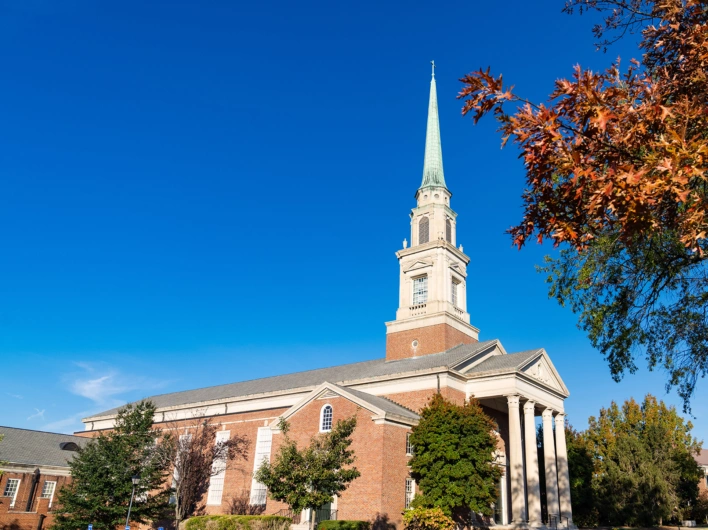
First Presbyterian Church
A church built around the spoken and sung word gives strings room to resonate in a way a multipurpose stage rarely can. Students hear the decay after a release, the bloom of a chord, and the effect balance and articulation have in a live acoustic. The room itself becomes part of the lesson, rewarding an orchestra that listens carefully and lets the sound travel.
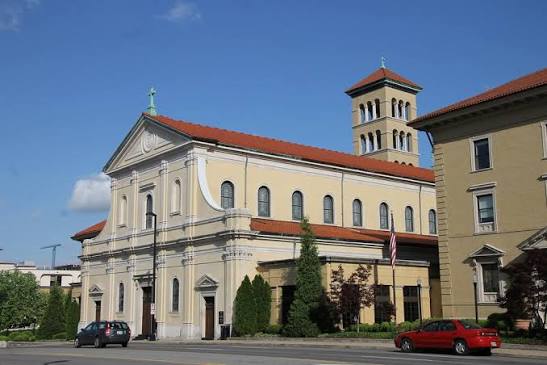
Cathedral of the Incarnation
The Cathedral offers the kind of acoustic environment string players understand immediately. Sustained lines open up, inner voices become more noticeable, and every release matters. Repertoire and presentation need to respect the sacred setting, but it is also the kind of room where students can hear the payoff when the orchestra really locks in.
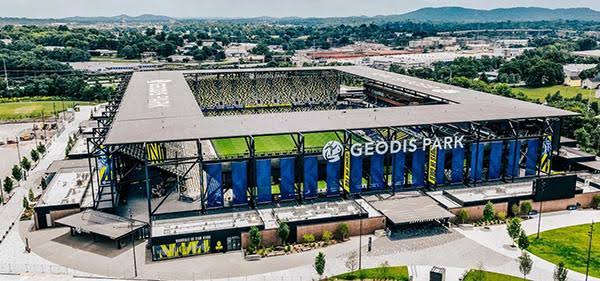
GEODIS Park
GEODIS Park opens the door to matchday performance opportunities that feel completely different from a traditional concert. Depending on the group and event, students may find themselves performing for an energized crowd in one of Nashville’s biggest sports and entertainment settings.
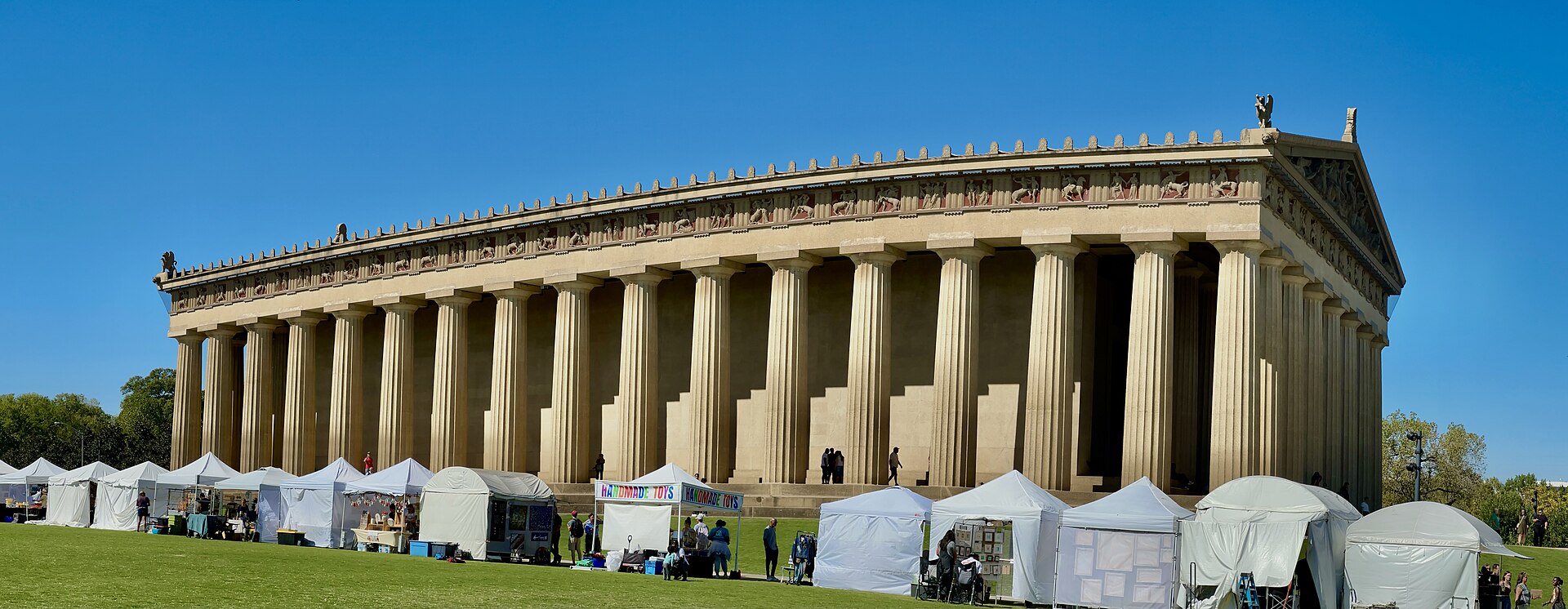
Centennial Park Bandshell
With the Parthenon just across the park, the Centennial Park Bandshell gives an orchestra a Nashville backdrop that looks nothing like the school auditorium they left behind. This is an outdoor community performance where the setting, passing visitors, and relaxed park atmosphere are part of the appeal. It works especially well for repertoire that can carry beyond the stage and invite people to stop for a few minutes and listen.
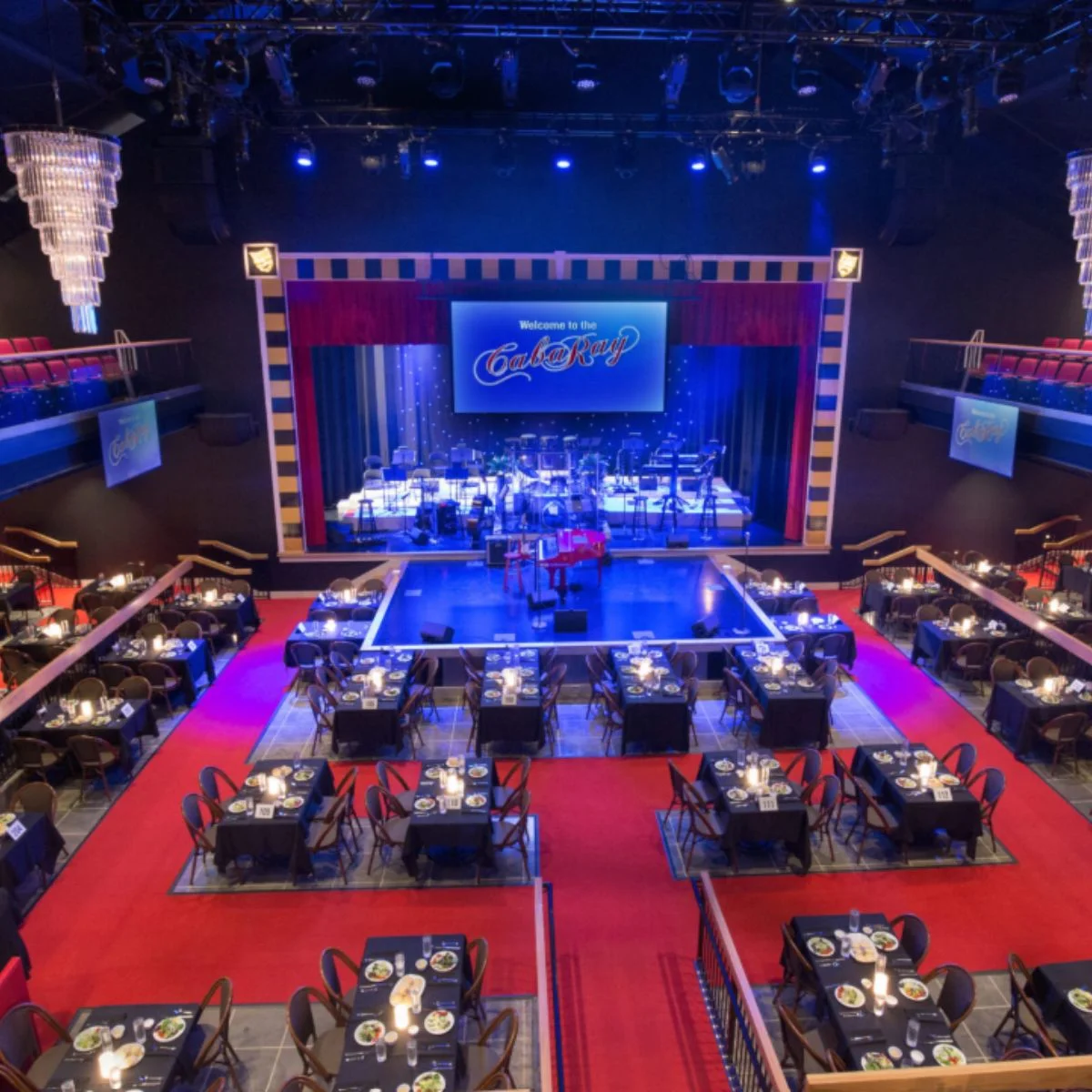
Country Roads USA at CabaRay
Before the professional show takes over the room, a student orchestra can step onto the CabaRay stage for a performance of its own. That changes the feeling completely: students are not playing beside an attraction or in a public walkway, but on a real Nashville show stage in front of an audience settling in for an evening of live music. Then the instruments are packed away and the group gets to stay, eat, and watch the professionals take over.
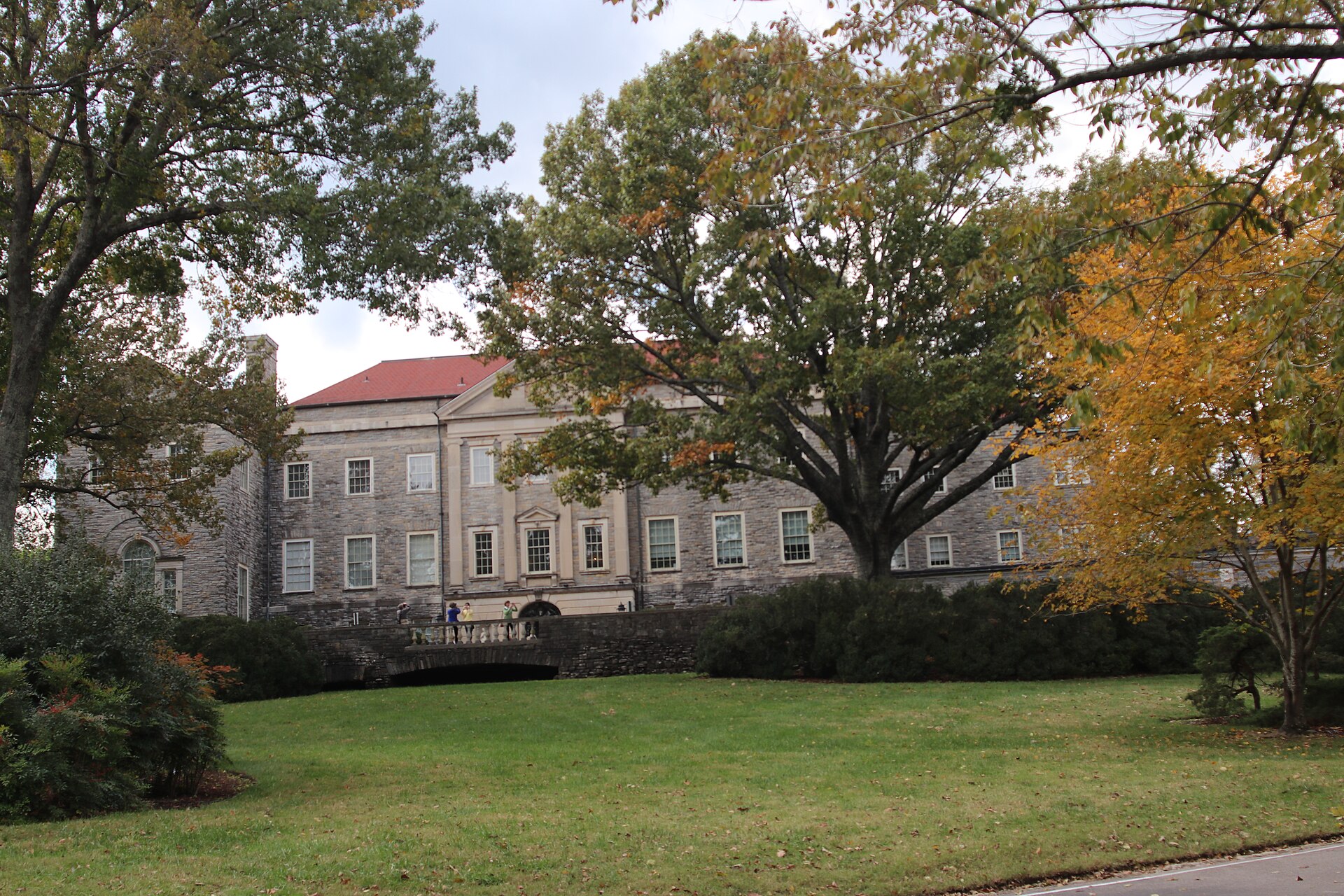
Cheekwood Estate & Gardens
Cheekwood surrounds a student performance with gardens, sculpture, historic architecture, and visitors who came expecting a beautiful day rather than an orchestra concert. That is part of what makes it work. The ensemble becomes one more discovery inside the grounds, giving students an outdoor performance with plenty of visual impact and an audience that can gather naturally as the music carries through the garden setting.
Clinics & Workshops

Vanderbilt Orchestra Clinic
Bring the repertoire your students are already working on and let another set of experienced orchestral ears dig into it. A Vanderbilt clinic can focus on the details orchestra directors live in every day: bow style, intonation, articulation, phrasing, balance, and whether the sections are truly listening across the ensemble. The value is not changing everything. It is giving students a fresh voice saying some of the same things their director has been saying all year, plus a few things they may not have heard yet.
Belmont Orchestra Clinic
Belmont is where the definition of “orchestra” can stretch a little. Its string programs move comfortably between classical repertoire and commercial styles, making this a natural place to explore how bowing, groove, articulation, rhythm section awareness, and stage style change when strings leave the traditional concert hall. Students get to keep the technique they have built while discovering how adaptable that technique really is.
Nashville Symphony Clinic
Professional orchestral musicians can speak to students in a language they immediately understand. A clinic can zero in on section sound, ensemble balance, articulation, phrasing, or the places in the score where the orchestra simply is not lining up yet. Hearing those ideas from musicians who make their living inside a professional orchestra can change the way students approach the same passage when they return to rehearsal.

Bluegrass Jam Session
Put the stands away for a while. A bluegrass session asks string players to listen first, find the groove, follow a progression, trade musical ideas, and become comfortable making choices without every note printed in front of them. Violin becomes fiddle, accompaniment becomes active, and students discover that good intonation, bow control, rhythm, and ensemble awareness matter just as much when the page disappears.

RCA Studio B Recording Experience
Studio B lets students step into a room where strings helped shape the Nashville Sound and experience what happens when a performance is being captured rather than simply heard once. Attacks, releases, balance, timing, and consistency suddenly feel different when the microphone remembers everything. Working through a recording session also gives students a glimpse of the precision and patience professional studio musicians bring to the job.
Words & Music: Songwriting
Orchestra students spend years interpreting music someone else wrote. This workshop turns that around. Through harmony, melody, rhythm, and collaboration with a professional songwriter, students begin building music from the inside out. Creating instead of only interpreting can change the way they look at every score afterward, because suddenly the choices on the page belong to a person rather than simply appearing there.

NMAAM Music Workshop
NMAAM opens a much wider conversation about the music American orchestras play and the musical traditions surrounding it. Workshops can explore performance, songwriting, production, and the influence of African American musicians across genres. For orchestra students, that context matters. Rhythm, articulation, phrasing, style, and interpretation make more sense when students understand where musical ideas came from and how they traveled.

Inside Tracks Workshop
Students get pulled into the Nashville creative process instead of watching it from the sidelines. Working with professional artists and producers, the group helps build a song from scratch, developing ideas, creating parts, and seeing how songwriting, arranging, production, and performance feed one another. For orchestra students accustomed to receiving a finished score, being asked to help invent the music is a very different kind of challenge.

Music City Classic Festival
Sometimes the best clinic starts with playing the repertoire exactly as the orchestra prepared it. Music City Classic gives ensembles a festival performance, adjudicator feedback, and an immediate clinic afterward. Directors get another professional perspective on the work already happening in their classroom, while students hear specific comments while the performance is still fresh enough to connect the feedback to what they just played.
Beyond the Stage
Once the bows are loosened and put away, Nashville gives students plenty of reasons to keep exploring. They can hear the city’s musical history where it actually happened, catch live performances, wander through neighborhoods and landmarks, laugh through a night out together, and see how deeply music is woven into everyday life here. The best orchestra trips also give students time to be more than sections and stand partners, and Nashville makes that part easy.
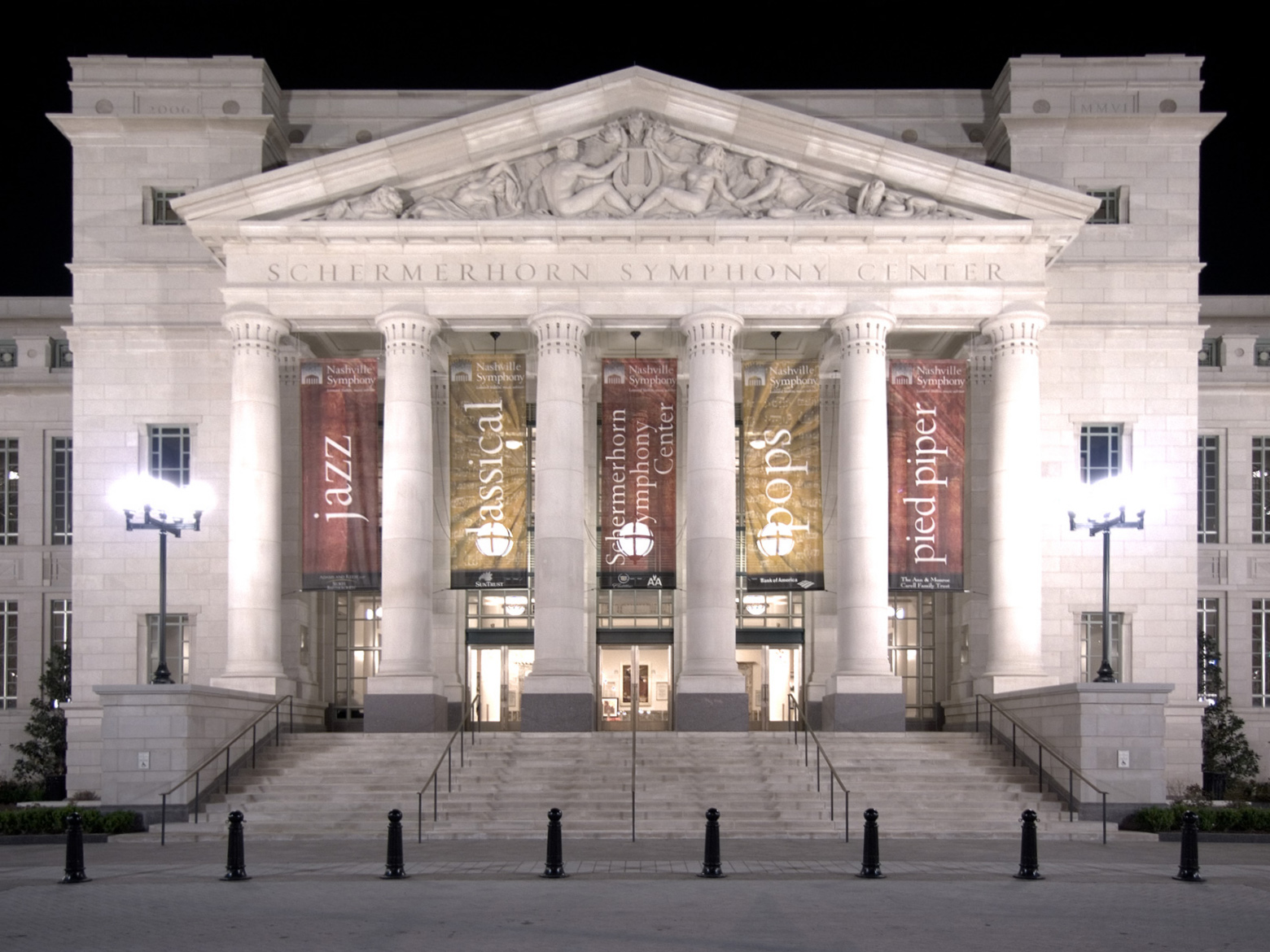
Nashville Symphony at Schermerhorn
Eventually, orchestra students should get to sit in the audience and simply hear what their own world sounds like at the highest level. Schermerhorn gives them that chance in a hall built for orchestral music, where details they work on every day become impossible to miss. Watching professional players breathe, move, listen, and respond together can send students back to rehearsal hearing their own ensemble differently.
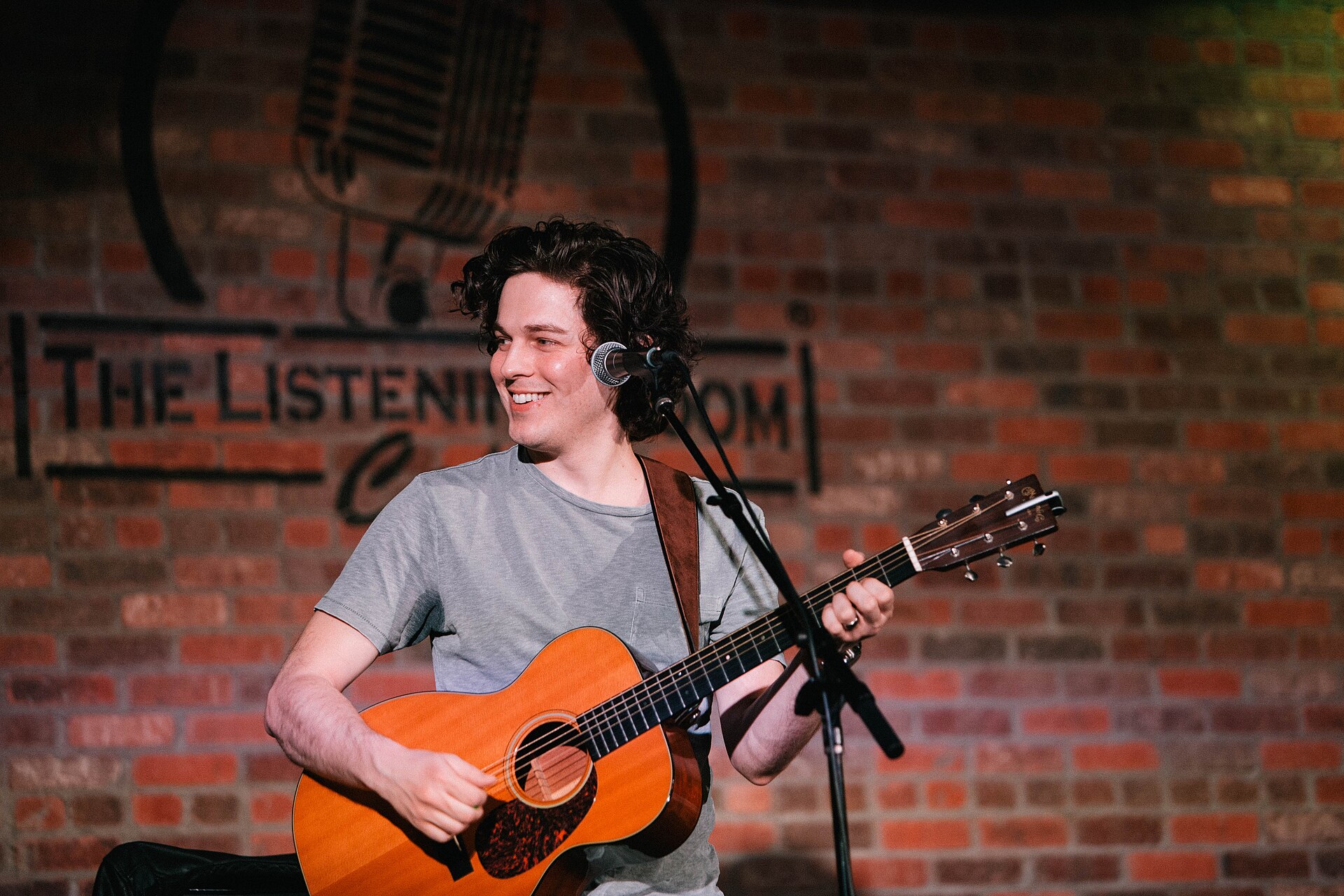
The Listening Room Cafe
Here, the person singing the hit may also be the person who wrote it. Songwriters perform their own music, tell the stories that started the songs, and let students hear what happens before a track belongs to a famous artist or lands on the radio. Add dinner and the intimate room, and students get a very Nashville lesson in how much personality, craft, and vulnerability can live inside one song.
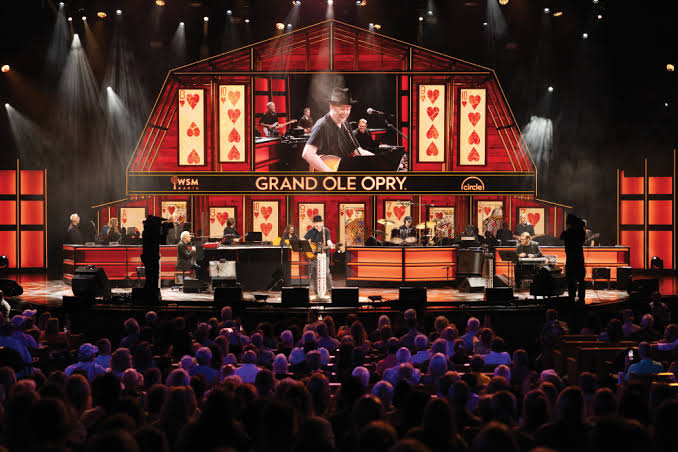
Grand Ole Opry
There is nothing quite like watching students realize the Opry is not a museum piece. Pair the show with a backstage tour and they get both sides of the experience: dressing rooms, artist entrances, stories from behind the curtain, then the live performance itself. For young string players especially, hearing fiddle and orchestral instincts collide on one stage can completely reset their idea of where their instrument belongs.
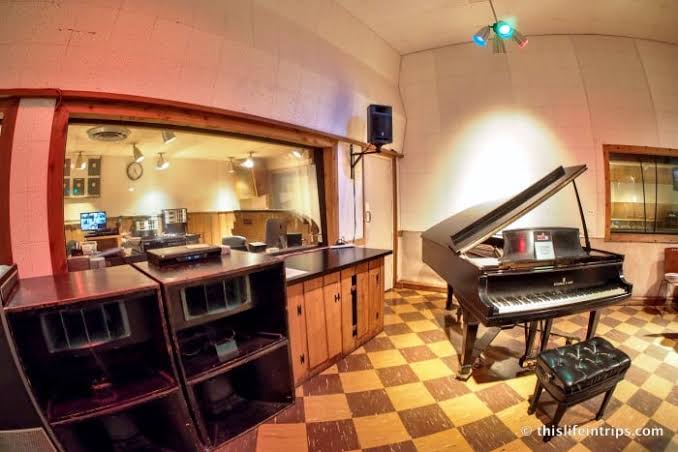
Historic RCA Studio B Tour
The room is smaller than students expect, which somehow makes the history hit harder. Elvis Presley, Dolly Parton, Roy Orbison, and countless others recorded here, often with strings helping create the polished Nashville Sound. Standing where those sessions happened turns recording history into something tangible and gives orchestra students a direct connection to the studio world their instruments helped shape.
Country Music Hall of Fame
This is much bigger than cowboy boots and gold records. Instruments, handwritten lyrics, costumes, recordings, and stories trace how American music kept reinventing itself, with plenty of moments where strings quietly moved from the background to the center of the sound. Students leave understanding Nashville as a music city, not simply a country music city.
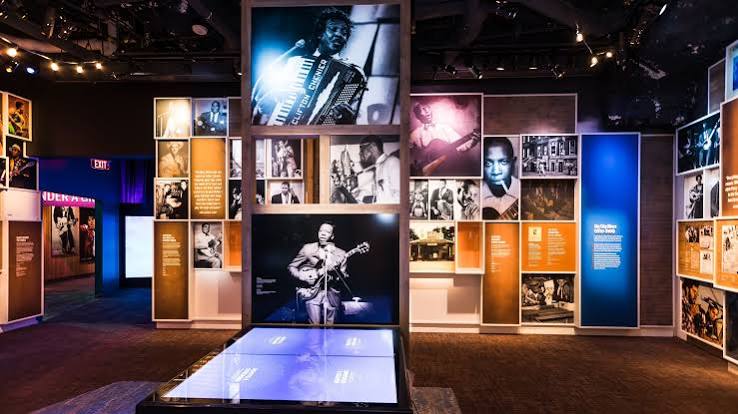
National Museum of African American Music
American music makes far more sense after spending time here. Gospel flows into blues, blues into jazz, jazz into R&B, and the connections keep building until students can hear how deeply Black musicians shaped nearly everything that followed. Interactive exhibits keep it moving, while the bigger story gives young musicians context they rarely get from a rehearsal folder.
General Jackson Showboat
Dinner, live entertainment, and a river cruise give students three completely different reasons to enjoy the General Jackson. From the deck, Nashville’s skyline takes on a whole new look as the boat moves along the Cumberland, while the stage show keeps the evening rooted in the city’s musical personality. It is polished, fun, and a very easy way to give the group a memorable night together.
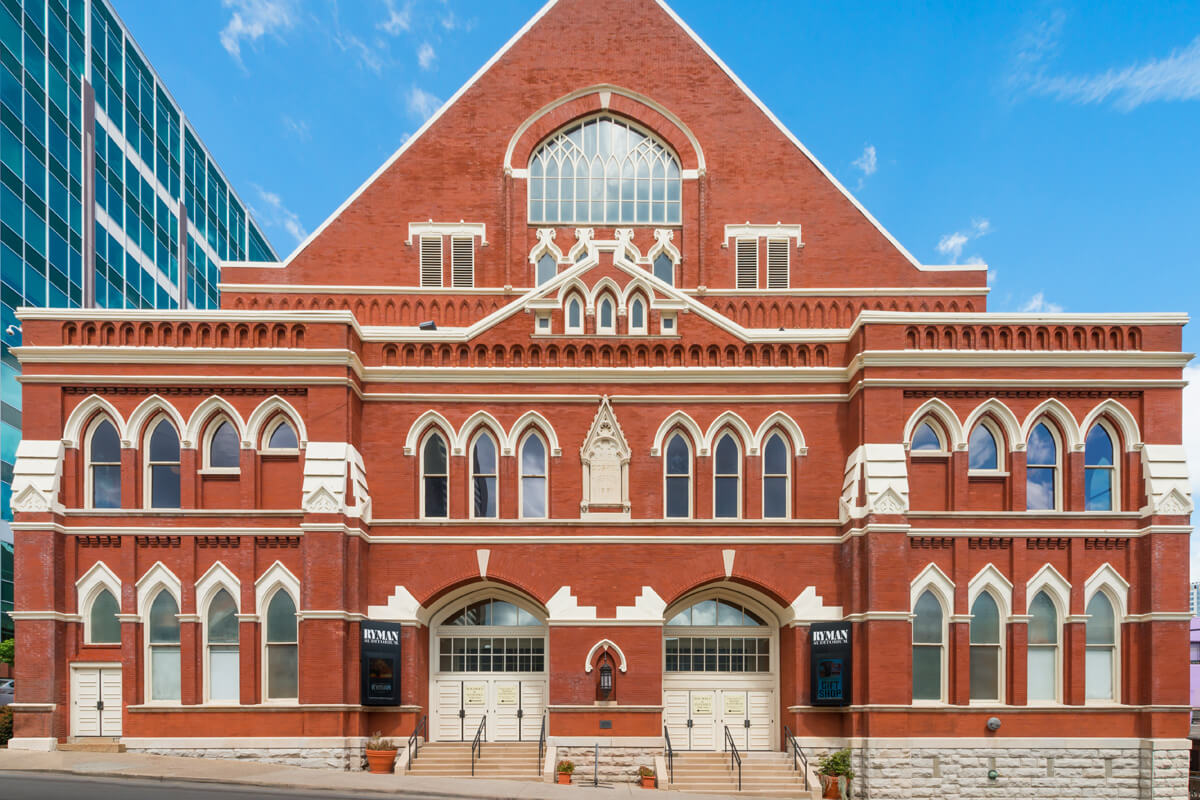
Ryman Auditorium
Walk into the Ryman and you can feel why performers talk about it differently. The wooden pews, intimate stage, and nearly ridiculous amount of music history packed into one room make it feel more like a musical landmark than a theater tour. Students have heard plenty about legendary venues. Here, they get to stand inside one.
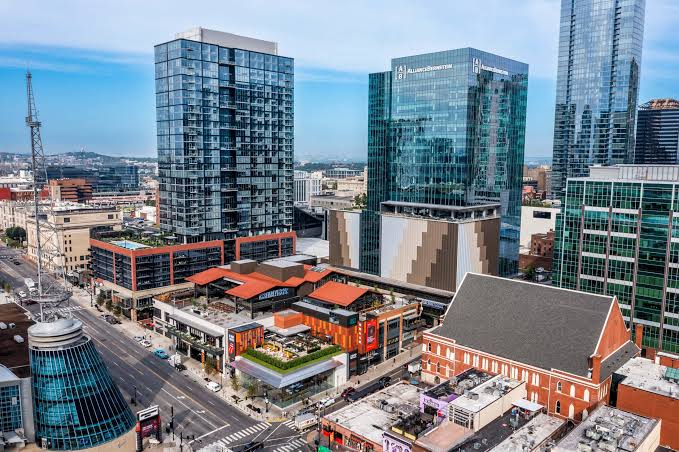
Fifth + Broadway
This is Nashville at full speed. Food halls, shops, rooftop energy, live music, and Broadway just outside give students enough freedom to explore without losing the feeling that the whole group is sharing the same experience. It is lively, easy to enjoy, and exactly the kind of place where a little unstructured time becomes one of the most talked-about parts of the trip.
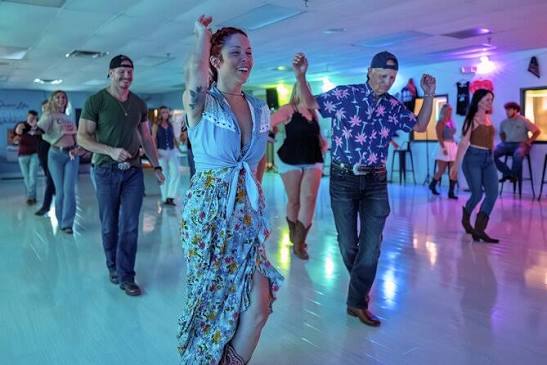
Category 10 Line Dancing
Trade the bows for boots for a while. A line-dancing lesson at Category 10 gets everyone moving, laughing, and discovering pretty quickly who has rhythm once there is no music stand in front of them. Pair it with a meal and it becomes a relaxed Nashville experience that lets the orchestra have fun together without turning the stop into another performance.
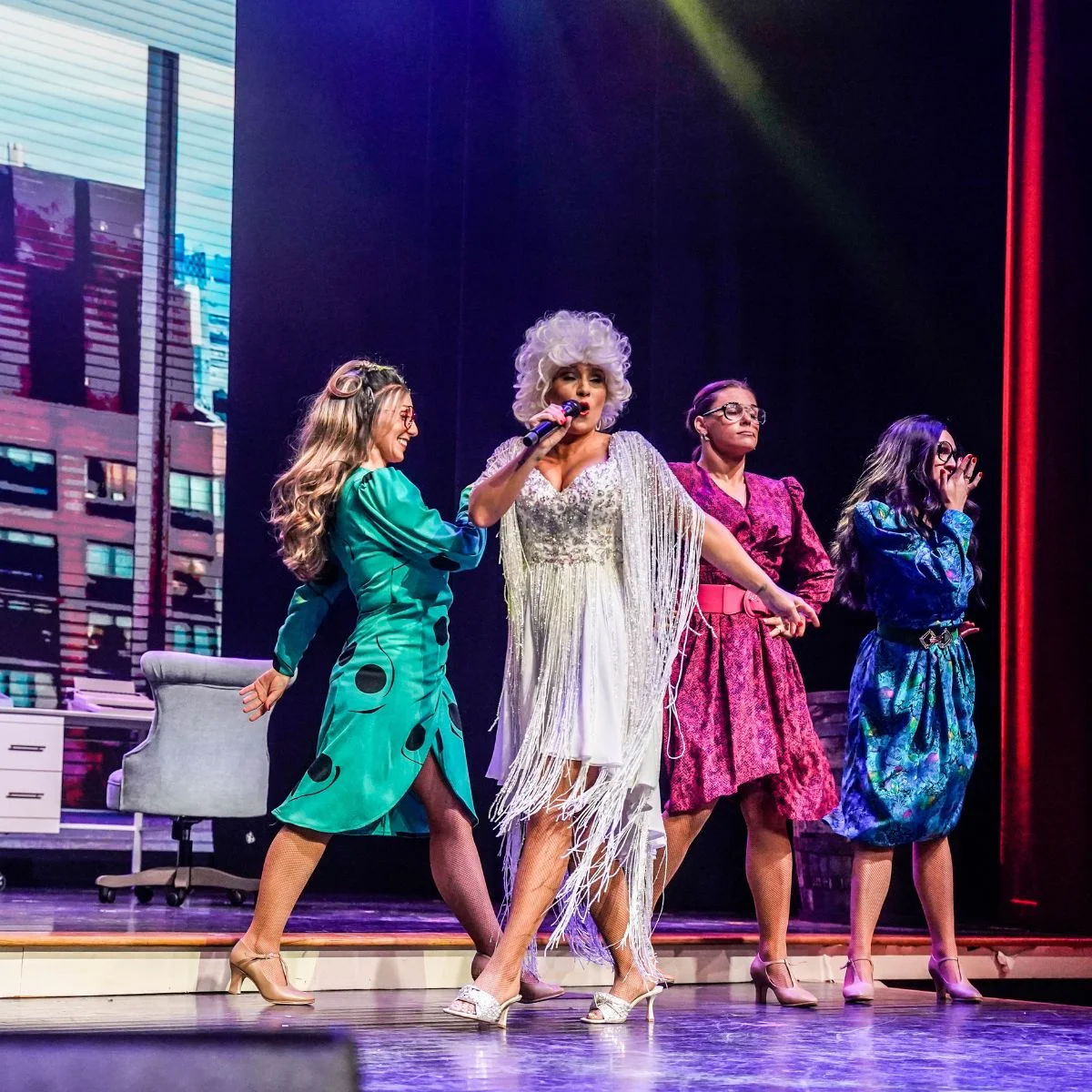
Country Roads USA at CabaRay
Dinner comes with a full Nashville-style stage show, complete with live musicians, vocals, comedy, and the kind of polished entertainment students rarely see up close. For orchestra students, it is especially fun to watch professional players move comfortably between styles while still doing all the things their directors preach every day: listen, adjust, support, and make the ensemble better.
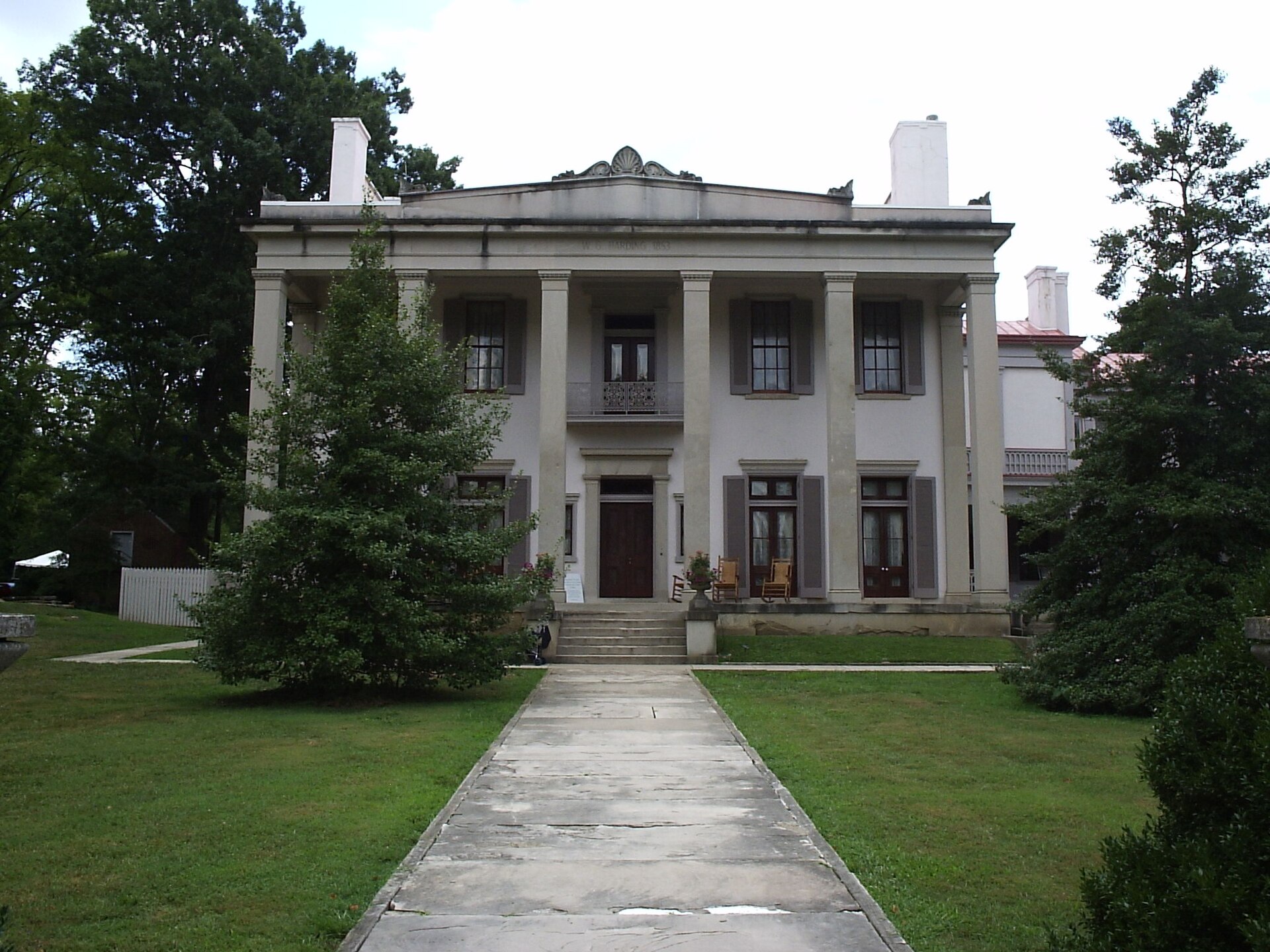
Belle Meade Historic Site
Nashville history looks very different away from Broadway. Belle Meade opens a window into the people, wealth, labor, horses, and complicated history that shaped this part of Tennessee long before Music City became a brand. It gives students a quieter, more reflective stop and a much broader picture of the place they have been exploring.
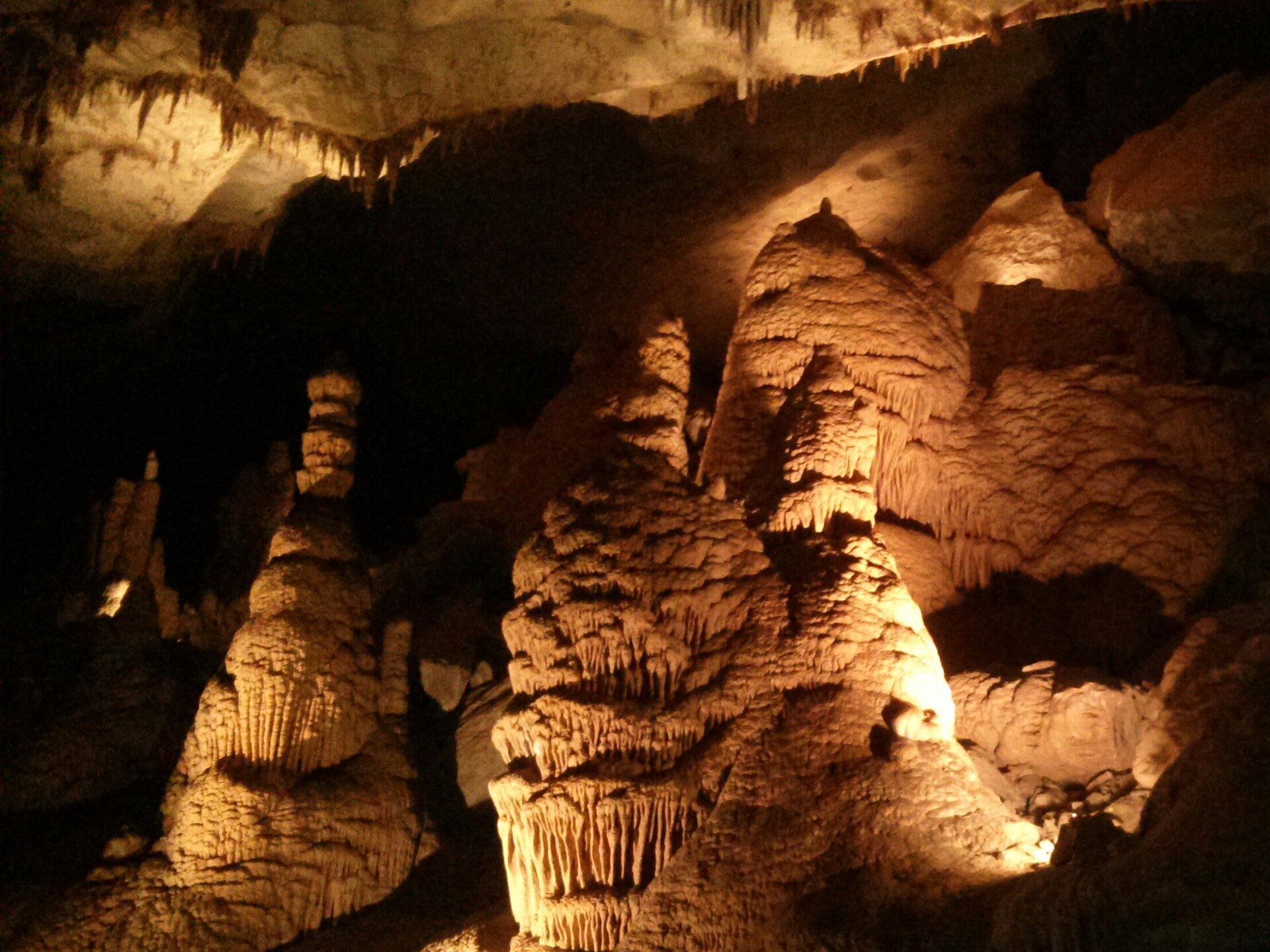
Cumberland Caverns
Leave Nashville behind for a few hours and head underground. Cumberland Caverns swaps stages and city streets for enormous chambers, strange formations, and the kind of natural scale that makes a bus full of teenagers go quiet for at least a minute or two. It is a drive, but the payoff is an experience that feels completely unlike anything else on the trip.
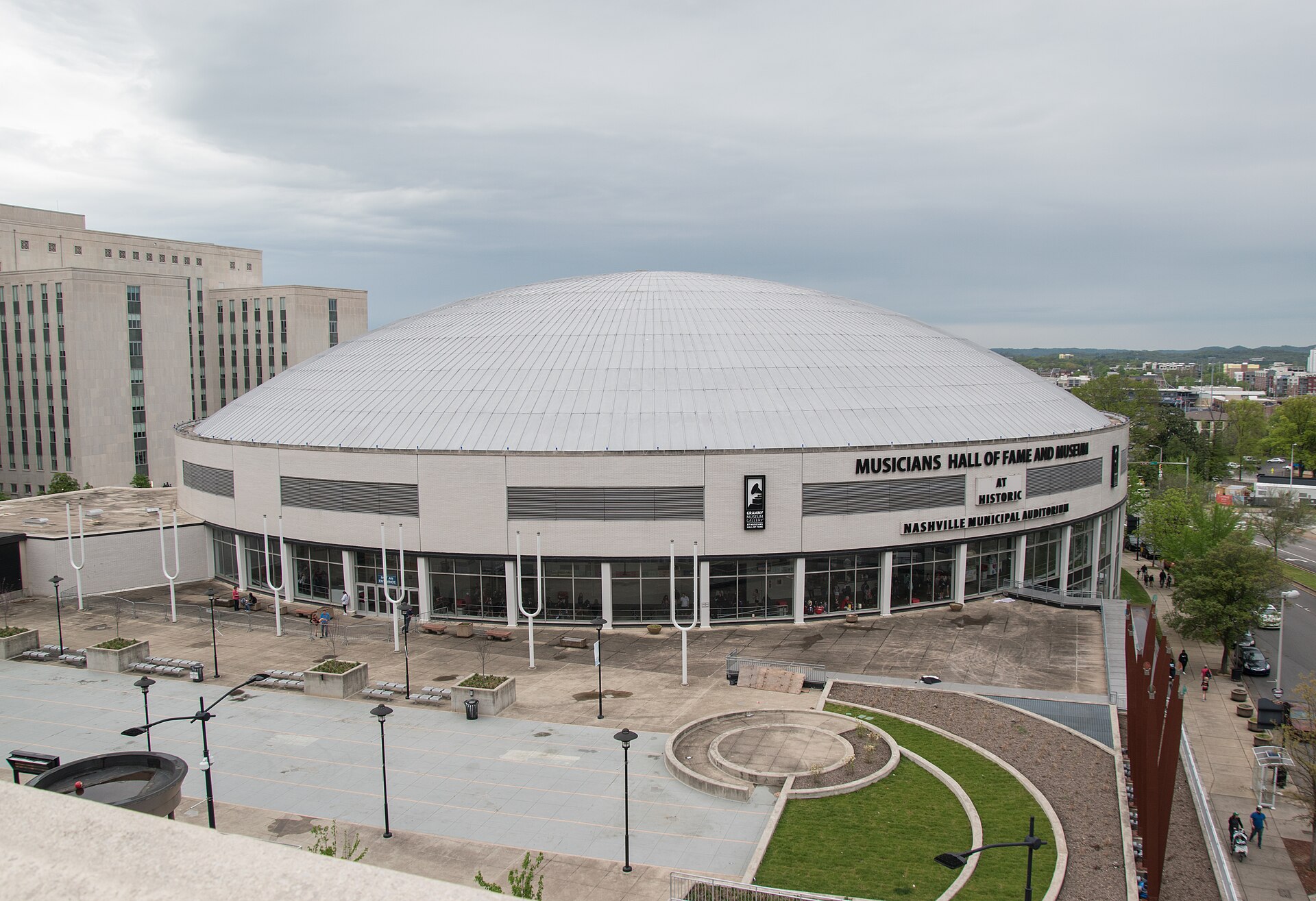
Musicians Hall of Fame & Museum
The stars may sell the records, but musicians make them. This museum celebrates the players behind famous songs, including session musicians whose names students may not know even though they have heard their work for years. For an orchestra, that message lands especially well: great music depends on people who listen, adapt, support, and know exactly when not to be the loudest person in the room.
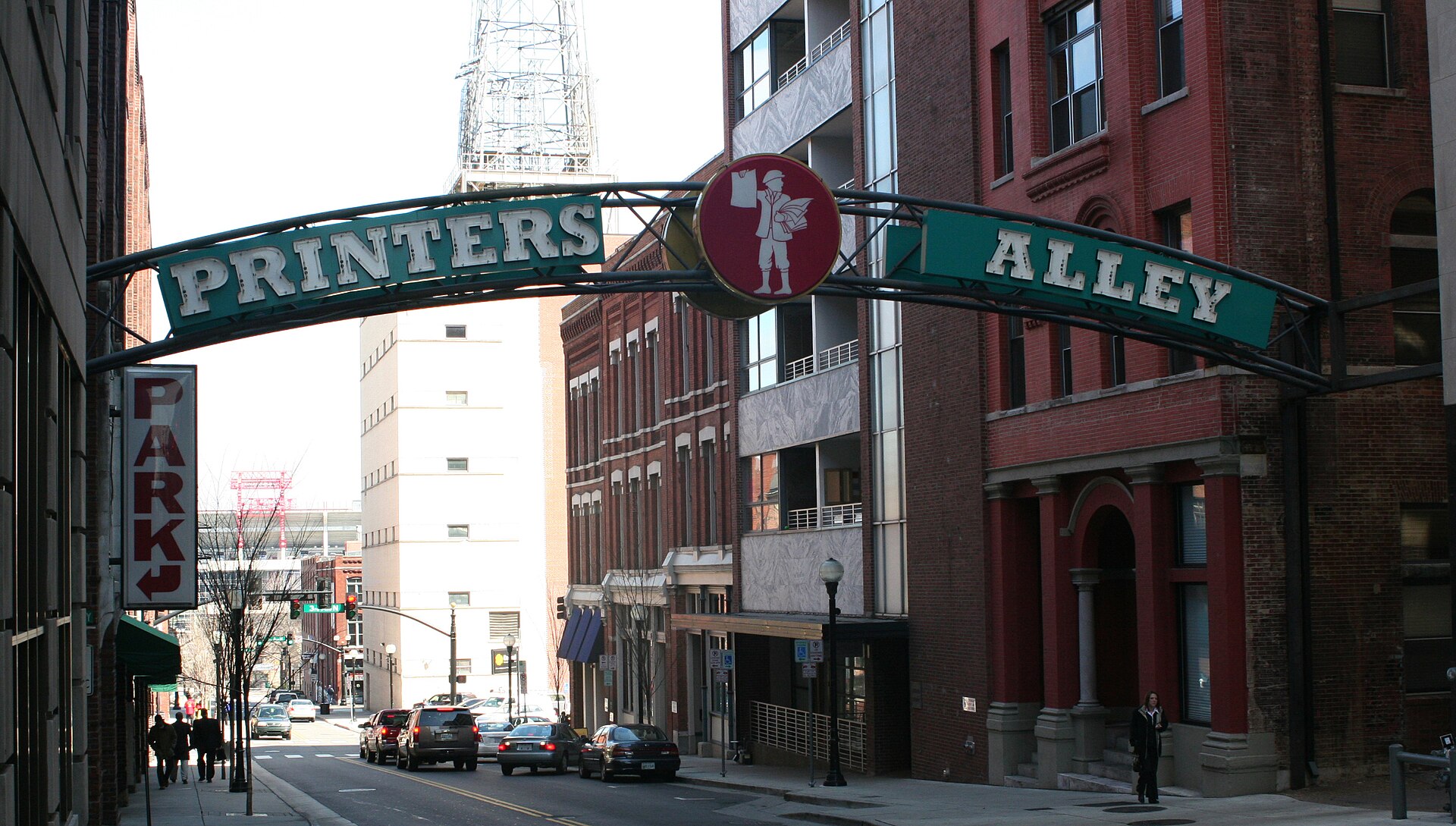
Nashville Ghost Tour
Once the sun goes down, Nashville gets a little stranger. Haunted theaters, old hotels, local legends, and stories from the city’s past turn familiar streets into something completely different after dark. It is spooky enough to be fun, historical enough to justify itself, and almost guaranteed to create arguments later about who absolutely did or did not see something.
Centennial Park & The Parthenon
Yes, Nashville has a full-scale replica of the Parthenon. No, students will not believe you until they see it. Centennial Park gives the group room to slow down, take photos, wander, and step inside one of the city’s most unexpected landmarks, where a towering Athena makes the whole thing even more wonderfully bizarre.
Ways to Shape the Trip

Strings, Boots & Bluegrass
Lean all the way into Nashville’s string traditions. Pair a bluegrass jam session with the Grand Ole Opry, Studio B, the Country Music Hall of Fame, and live performances where students hear strings move comfortably between orchestral, country, bluegrass, and studio styles. This route is perfect for orchestras ready to loosen their grip on the printed page and discover how far strong technique, listening, rhythm, and ensemble instincts can travel.

Fine-Tune Music City
Build the trip around performing, listening, and getting better. Combine a public performance with a Vanderbilt, Belmont, Nashville Symphony, or festival clinic, then give students the chance to hear professional musicians put those same ideas into practice. Directors can keep the trip closely tied to repertoire, ensemble growth, and assessment while Nashville supplies a completely different setting for the work.

From Score to Studio
Follow the music beyond the rehearsal room and into the business of making it. Record at RCA Studio B, write with a Nashville songwriter, explore production and arranging, hear songs from the people who created them, and meet musicians who make their living behind the scenes. Orchestra students begin to see that reading a finished score is only one part of a much larger creative process.

All Strings Attached
Take the best pieces of Nashville and build a trip with a little of everything. Perform somewhere memorable, add a clinic or workshop, hear the Nashville Symphony, catch the Opry, explore the city’s music history, and leave room for line dancing, great food, and a few surprises along the way. It is the route for directors who want serious musical value without giving up the part students will talk about for years.

Ready to Bring Your Orchestra to Nashville?
Bring your orchestra to a city of strings, studios, symphonic playing, song, and live music while keeping your ensemble’s own sound at the center of every decision.
Availability note: Performance opportunities, clinics, workshops, festivals, parades, and special events vary by destination and are subject to availability, eligibility, ensemble size, season, technical requirements, and final approval.
Photo credits: Centennial Park Bandshell by Euthman (CC BY 4.0); Cheekwood Estate & Gardens by Vandore (CC BY-SA 4.0); Nashville Symphony at Schermerhorn by Ryan Kaldari (CC0); The Listening Room Cafe by Ryanharrisbrown (CC BY-SA 4.0); Belle Meade Historic Site by NatureBoyMD (Public domain); Cumberland Caverns by Denlah (CC BY-SA 3.0); Musicians Hall of Fame & Museum by Ɱ (CC BY-SA 4.0); Nashville Ghost Tour by Kaldari (CC0). Via Wikimedia Commons.