
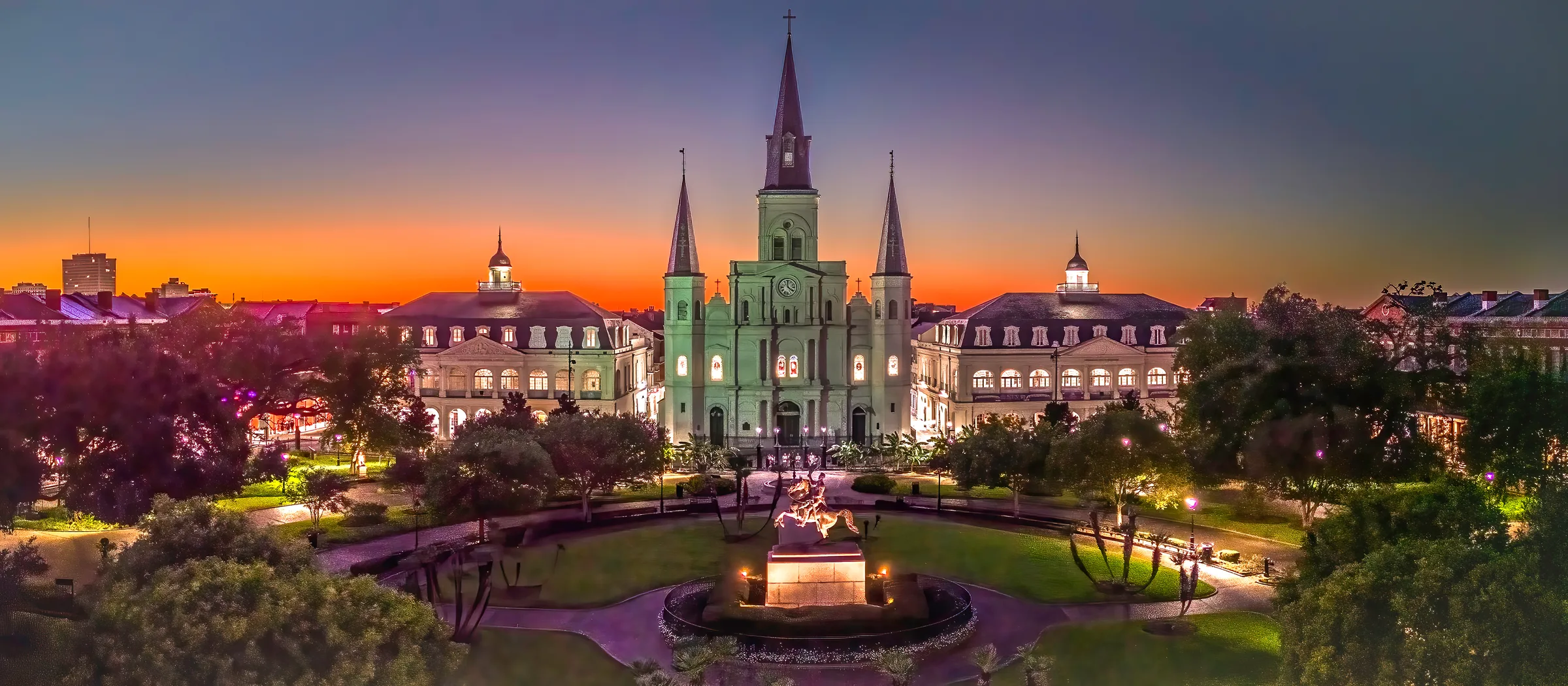
Orchestra Travel: New Orleans
The Big Easy, Orchestrated
Why New Orleans for Orchestras?
New Orleans was making serious concert music long before jazz had a name. That history still matters. The Louisiana Philharmonic carries a real orchestral tradition forward today, while the city around it has spent generations mixing musical ideas until something new came out the other side.
That makes New Orleans especially interesting for string players. Fiddle has deep roots in Louisiana Creole and Cajun traditions, and those sounds helped shape the world that eventually produced zydeco. Students arrive knowing how to follow a score and shape a phrase, then encounter musicians who learn by ear, bend rhythm, improvise, and play for dancing instead of a concert hall. The orchestra does not have to become something else to learn from that. New Orleans simply shows string players how many lives their instruments can have.
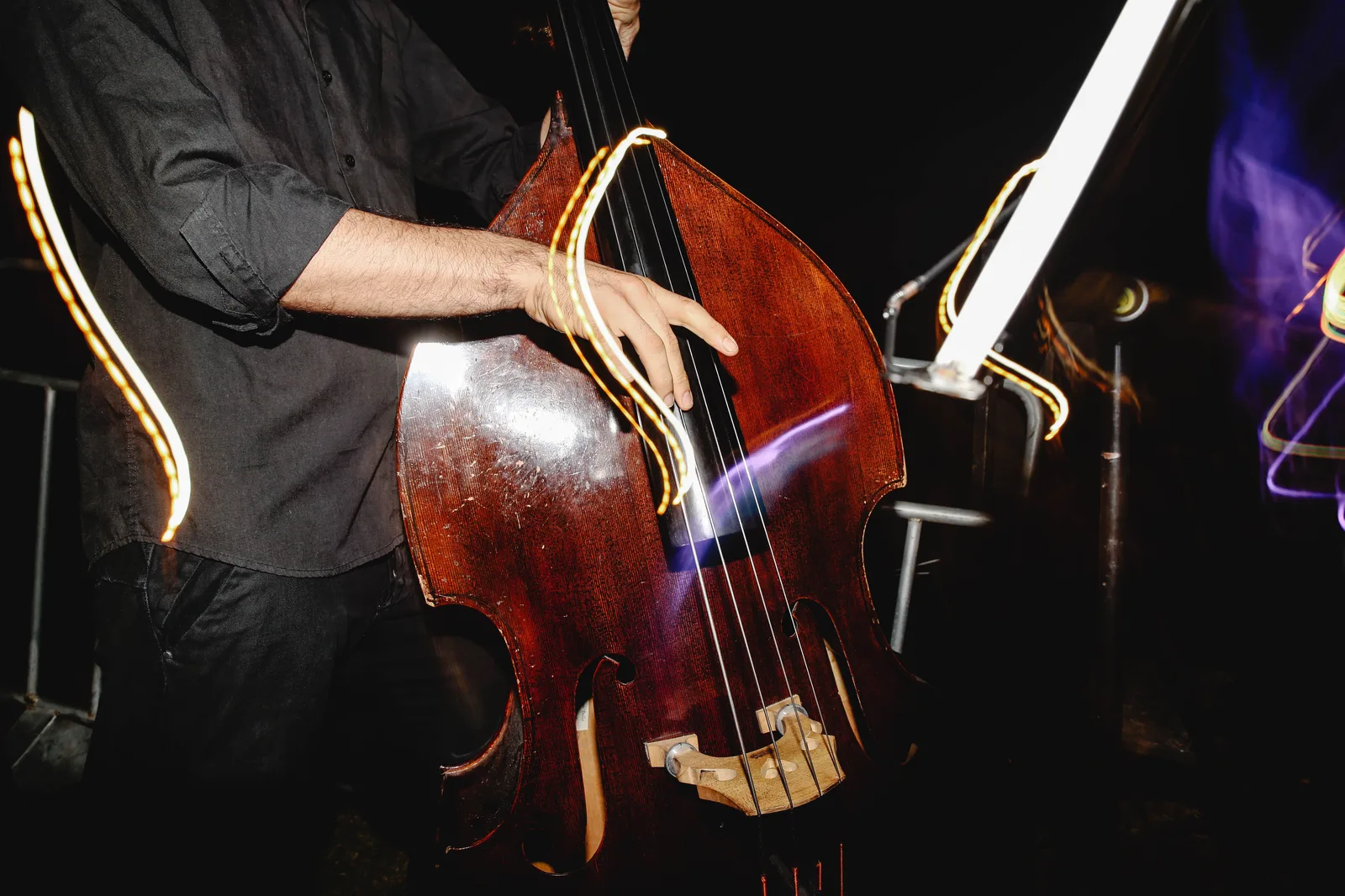
Performance Possibilities
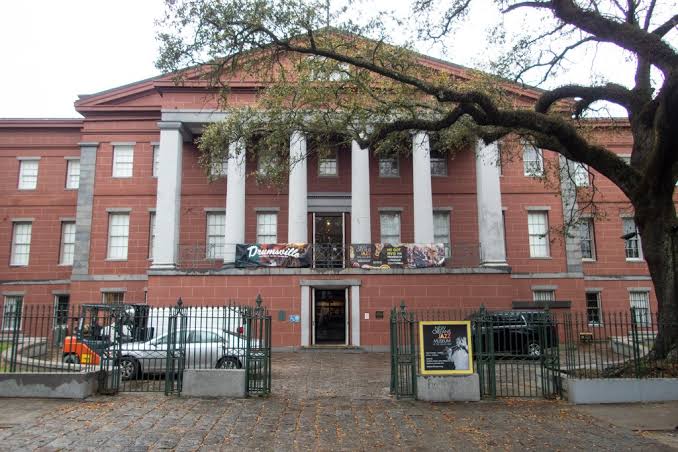
New Orleans Jazz Museum
The Jazz Museum gives an orchestra a perfect excuse to stretch its repertoire. Add a jazz-influenced work, a swing arrangement, or something rooted in New Orleans style and suddenly the performance is having a conversation with the building around it. The indoor Performance Center gives students a polished place to play, while the museum context encourages them to think beyond the standard string-orchestra folder.
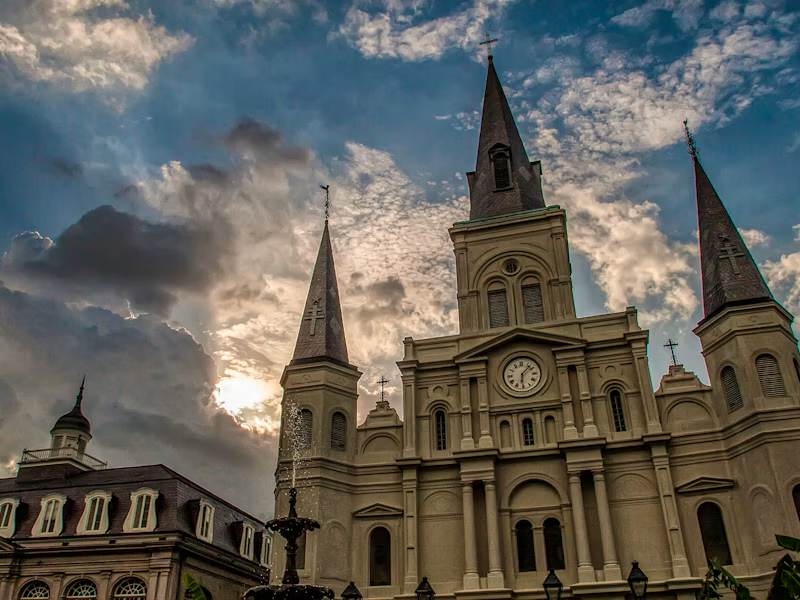
St. Louis Cathedral
Walk through the doors of St. Louis Cathedral and the performance already feels connected to New Orleans in a way no generic concert hall could manage. The orchestra plays inside one of the city’s defining landmarks, surrounded by centuries of history and a setting that brings real ceremony to the music without needing anything artificial added around it.
Ashé Cultural Arts Center
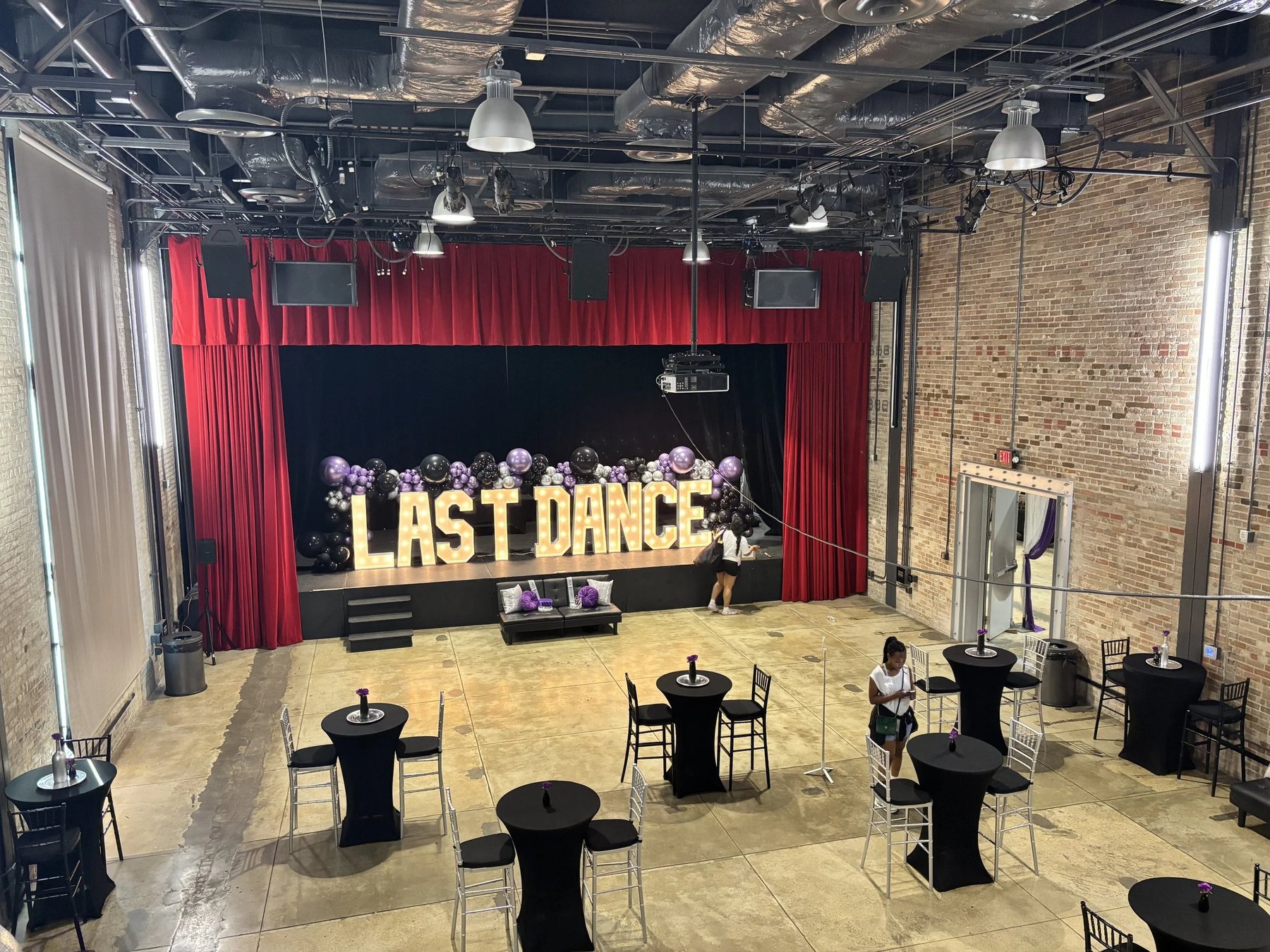
Ashé gives the orchestra a chance to make repertoire choices that actually speak to the place. Programming music by Black composers or other historically underrepresented voices can turn the concert into a more thoughtful exchange with a cultural center rooted in Black art and the African Diaspora. The indoor setting supports a focused performance, but the real value is giving students a reason to think about whose music gets programmed and why.
Lakeside Shopping Center
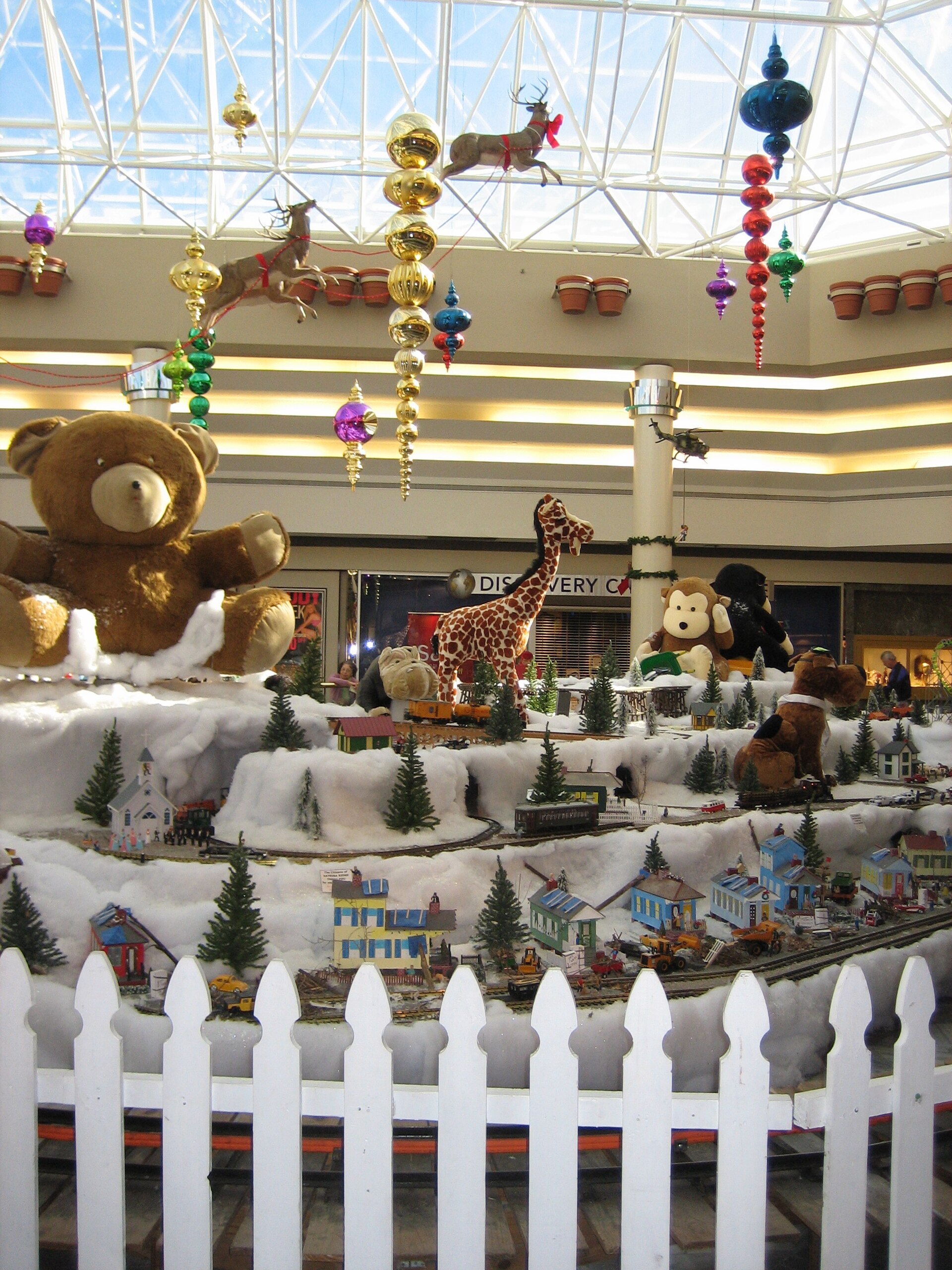
Lakeside gives the orchestra something every public performance needs: people. Shoppers and families naturally gather as the music starts, giving students a built-in audience without the formality of a seated concert. The indoor setting keeps the experience easy and comfortable, while the steady traffic keeps the energy up.
Crescent City Music Festival
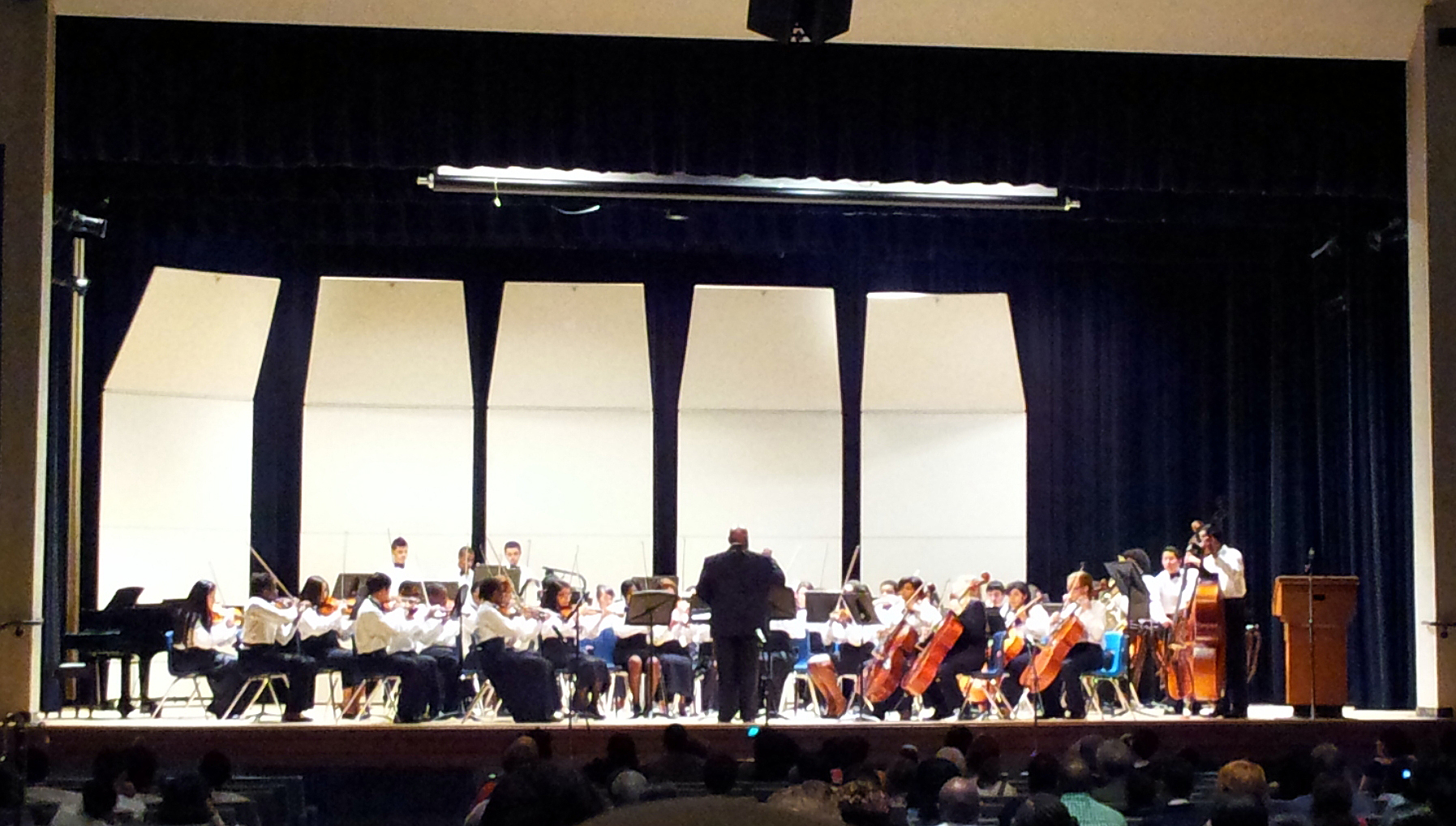
Preparation suddenly has a deadline and an audience that has never heard the orchestra before. Students perform for adjudicators, receive specific comments, and then move directly into a clinic where those observations can be tested while the performance is still fresh. It turns festival feedback into something the ensemble can actually use.
New Orleans Heritage Festival
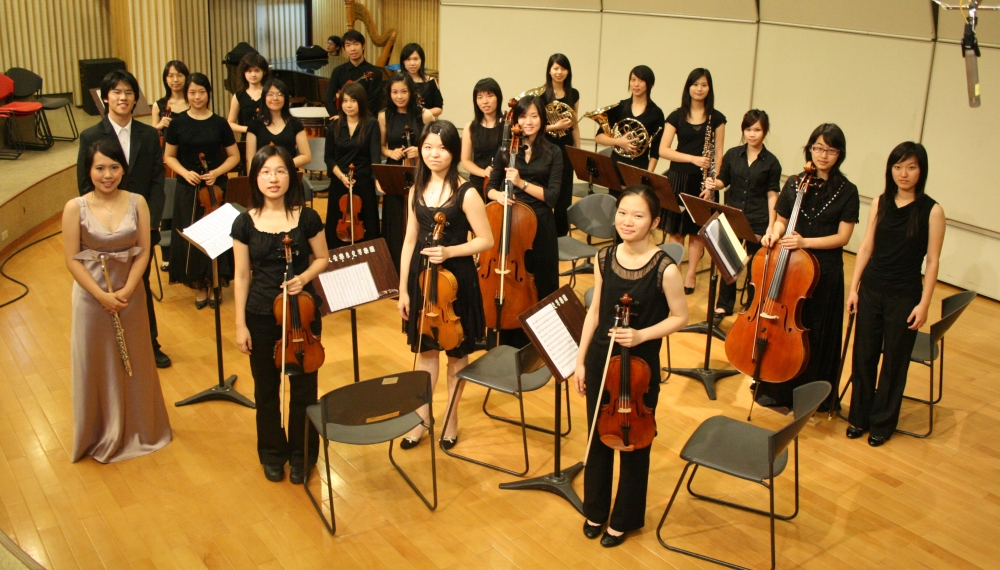
Heritage gives the orchestra a formal adjudicated performance without making the entire trip feel like a competition weekend. Students get an outside evaluation, recorded and written comments, and an immediate onstage clinic, then step back into a city that keeps the experience from becoming all rehearsal room and score sheets.
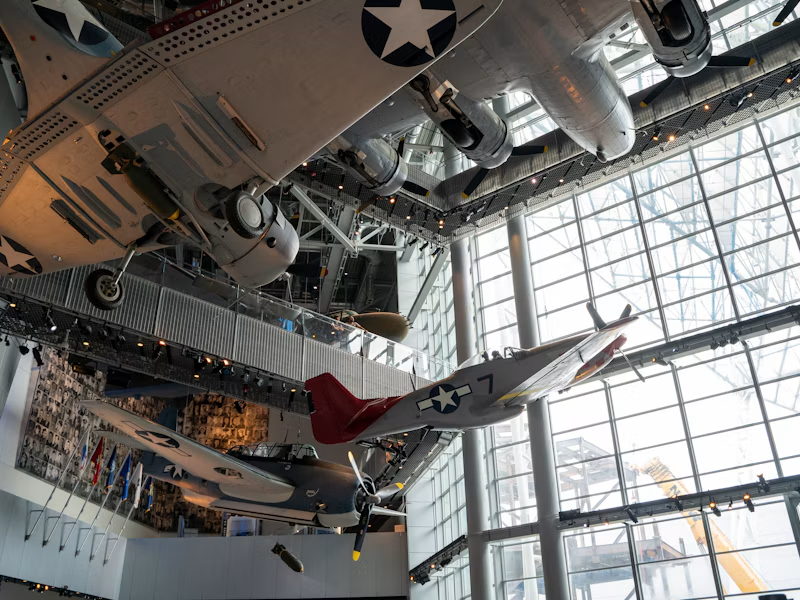
National WWII Museum
The setting gives certain repertoire a completely different meaning. Swing-era arrangements, patriotic music, or pieces connected to the 1940s suddenly belong to the place rather than feeling like a programming detour. The outdoor performance puts students in front of museum visitors who already understand the historical context, which makes the music land differently.
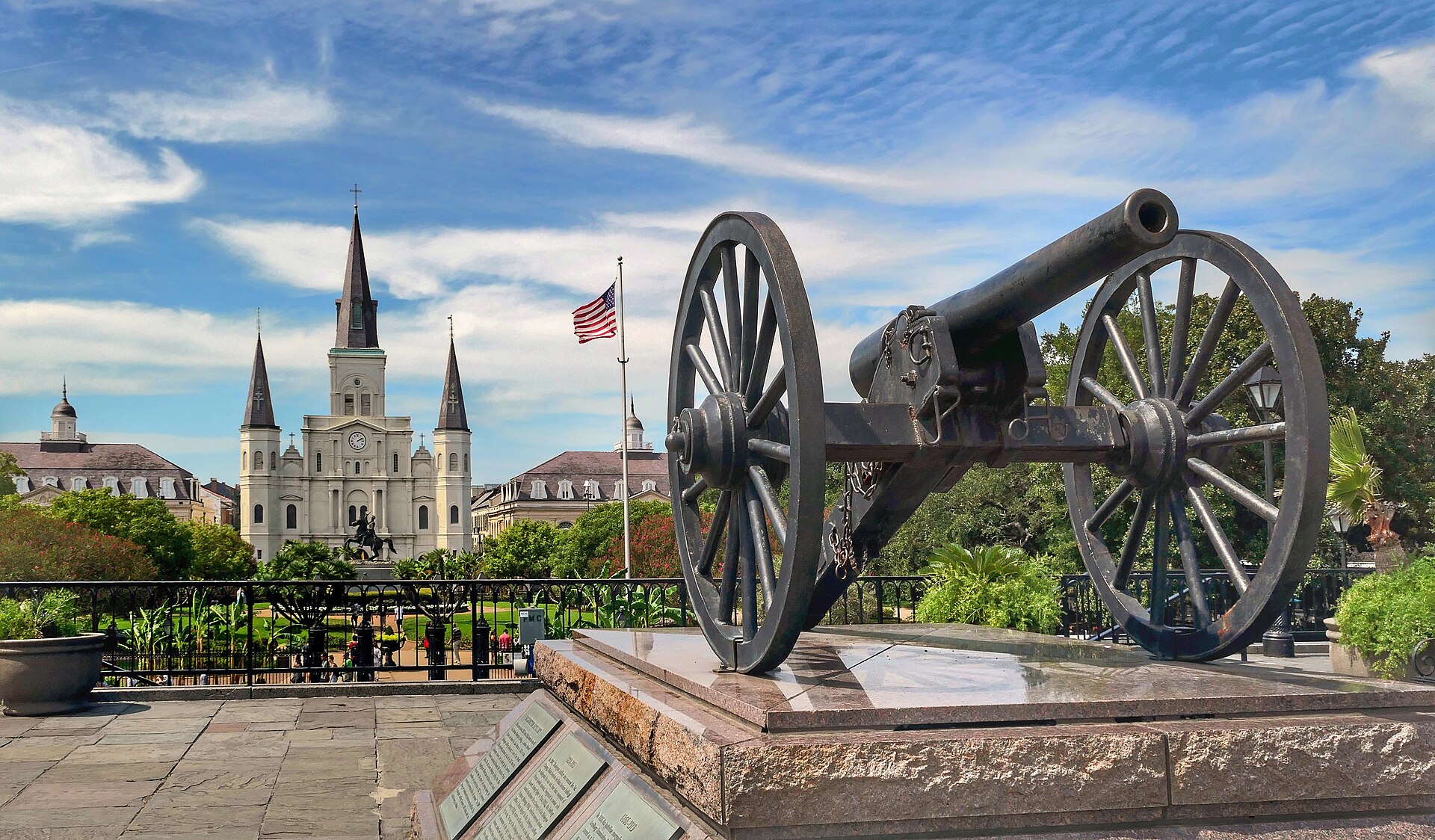
Oscar Dunn Park Amphitheater
Jackson Square is right there, St. Louis Cathedral frames the scene, and the Mississippi sits just beyond the park. The orchestra performs outdoors in the middle of one of the most recognizable parts of New Orleans, with visitors naturally gathering as they move through the French Quarter. It feels less like transporting a concert to the city and more like joining the city for a while.
Clinics & Workshops

Preservation Hall Workshop
Get inside the musical language of New Orleans in the place most closely associated with it. Students can hear the style up close, learn how the music is built, and connect directly with musicians who carry this tradition forward every night.
Louisiana Philharmonic Rehearsal
Watching the Louisiana Philharmonic rehearse gives students a completely different view of professional orchestral playing. They see how details get shaped in real time, how players respond to a conductor, and how a polished performance comes together before the audience ever arrives.

Loyola Orchestra Clinic
Bring your ensemble into one of New Orleans’ strongest university music environments for focused work with collegiate faculty and musicians. It is a chance to sharpen the group, hear new ideas from another conductor, and give students a glimpse of what serious music study can look like after high school.
Tulane Orchestra Clinic
Tulane adds a collegiate layer to the trip without losing the character of New Orleans. Students can work through their own repertoire with experienced musicians and leave with fresh ideas about sound, ensemble awareness, interpretation, and performance.
NOCCA Orchestra Masterclass
NOCCA is built around young artists who take their work seriously, which makes it an exciting setting for visiting musicians. A masterclass here can challenge students musically while putting them in an environment where creativity, discipline, and performance are part of everyday student life.
NOCCA Side-by-Side
This is the kind of experience students remember because they are not just watching or listening — they are making music with other young musicians. Rehearsing side by side with New Orleans students creates instant connection, shared energy, and a much more personal way to experience the city’s music culture.

UNO Jazz Improvisation
Take orchestra students away from the printed page and make them listen, react, and create. A jazz improvisation session at UNO can be playful, challenging, and a little outside their comfort zone in exactly the right way, while giving them skills they can bring back to every kind of ensemble playing.
Congo Square Rhythm Workshop
Step into the rhythms that helped shape the sound of New Orleans with a hands-on drumming workshop at historic Congo Square. Students can play African and Caribbean percussion instruments, explore layered rhythms, movement, and traditional songs, and learn how these musical traditions became part of the foundation of New Orleans music.

Cajun Music Workshop
Put the classical technique aside for a little while and learn music the Louisiana way — by listening, feeling the rhythm, and playing together. A Cajun workshop can introduce fiddle style, traditional instrumentation, dance rhythms, and learning by ear, giving string players a hands-on experience that feels completely different from a normal orchestra clinic.
Beyond the Stage
New Orleans has a way of surprising people who think they already know what the city is. Beyond the nightlife is a place shaped by deep history and unmistakable culture with experiences that can feel meaningful one hour and completely fun the next. Students come away with a much bigger sense of the city than they expected and that is part of what makes New Orleans such a strong student destination.
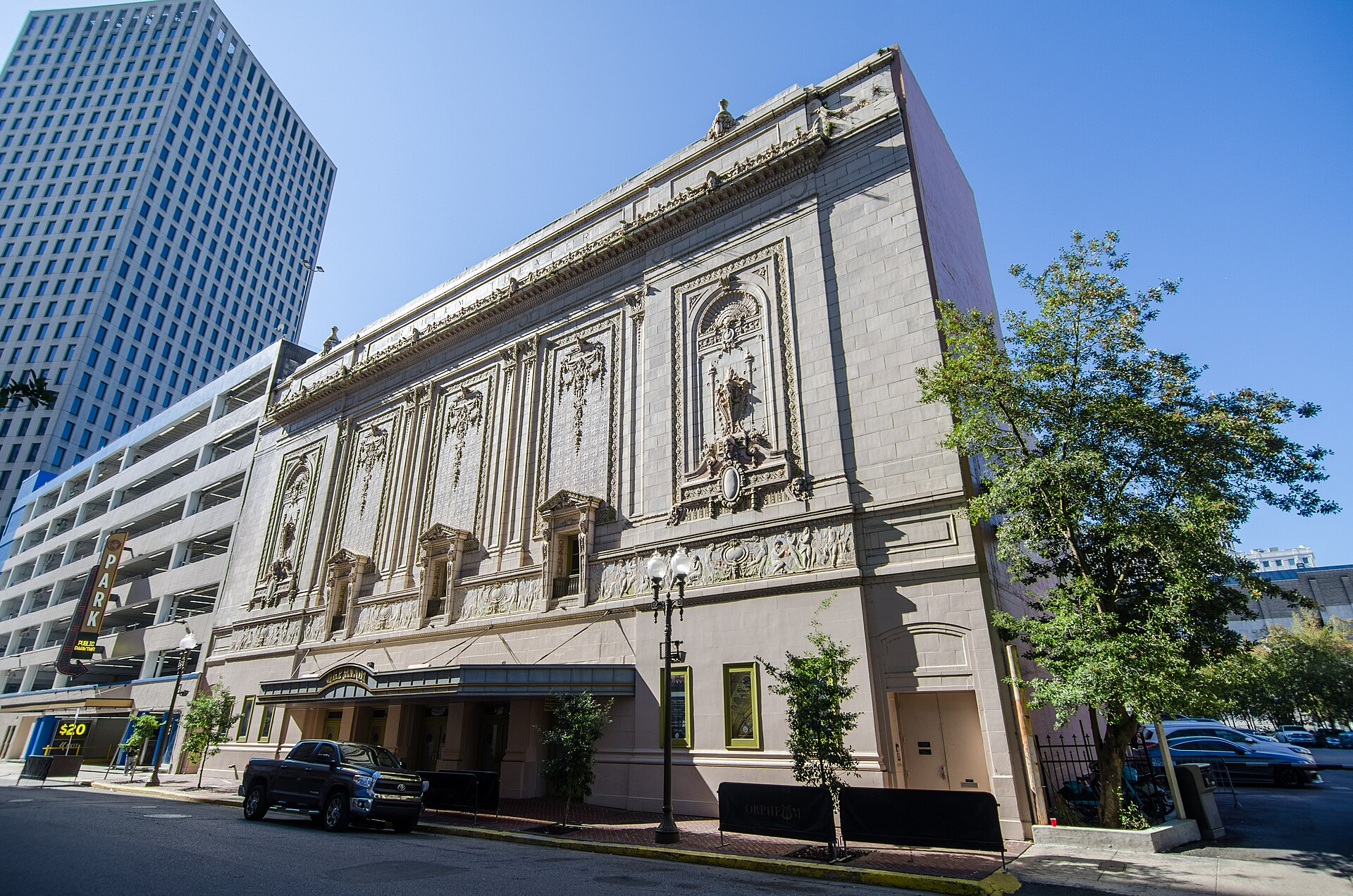
Louisiana Philharmonic Orchestra
Spend an evening hearing New Orleans’ own professional orchestra in concert. For student musicians this is a chance to hear the kind of precision and artistry they work toward themselves while experiencing the city through a completely different musical lens. It also gives the trip a polished night out that still feels connected to why the group traveled in the first place.
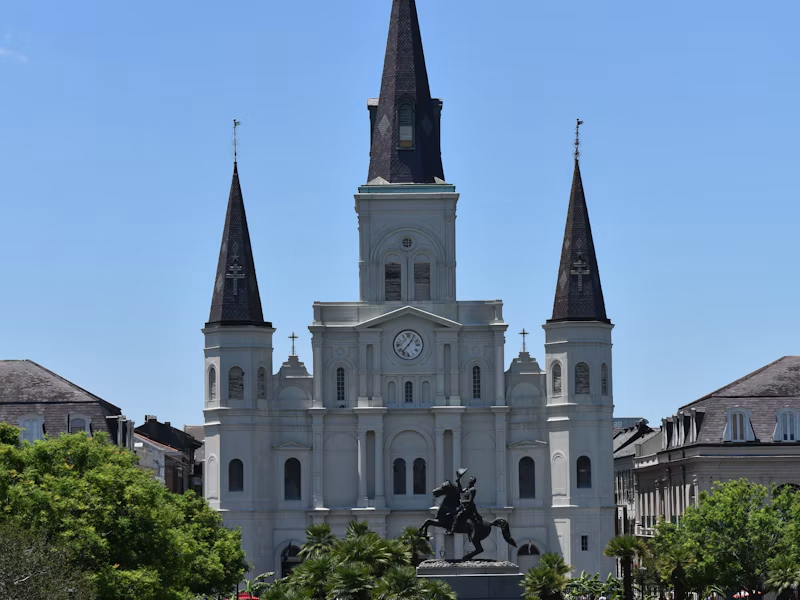
French Quarter & Jackson Square
The French Quarter is where students start to understand why New Orleans looks and feels unlike any other American city. Jackson Square sits at the heart of it with St. Louis Cathedral rising behind it and centuries of history surrounding every block. This is the New Orleans students expect to see but there is much more depth here than Bourbon Street.
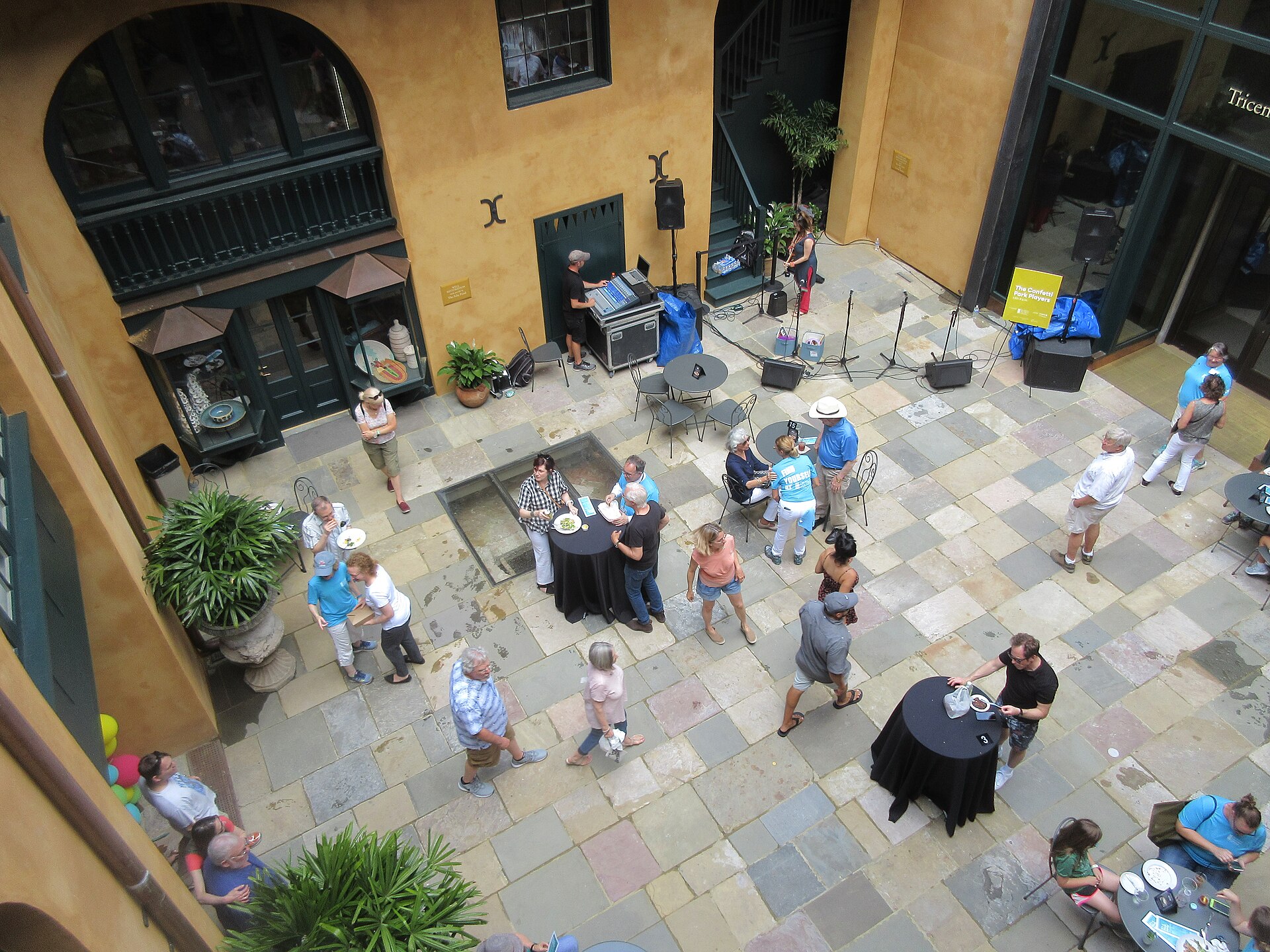
Treasures from the Vault
Go behind the scenes at The Historic New Orleans Collection for an experience built specifically around your group. Collections staff can pull rare artifacts and archival materials from the vault based on subjects that matter to the students. A music group might explore jazz history or Mardi Gras while another group could dig into Storyville or the broader history of the city. It turns an extraordinary collection into something personal.
The National WWII Museum
This is the kind of museum that can take over a full day and still leave students wishing they had more time. Immersive galleries tell the story through the people who lived it and make the scale of World War II feel immediate. Groups can also add Beyond All Boundaries for a cinematic experience that uses archival footage and dramatic effects to bring another dimension to the story.
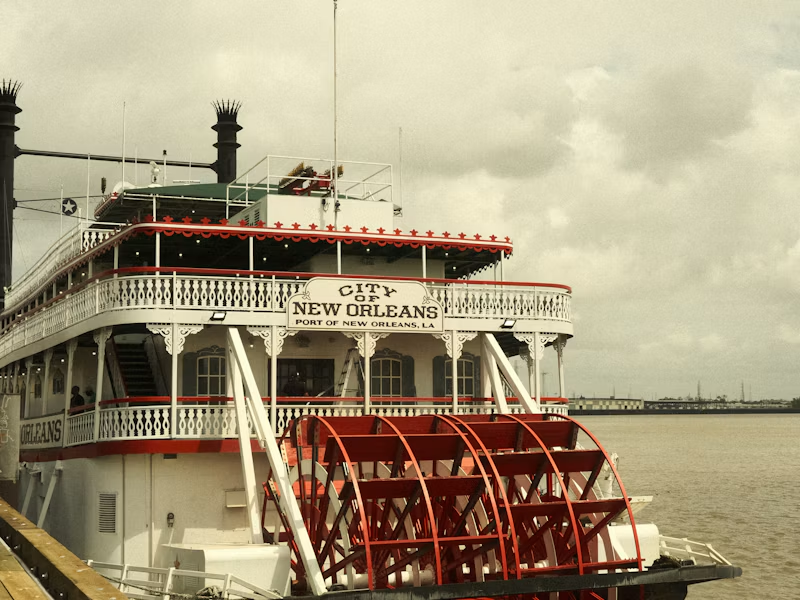
Steamboat NATCHEZ Jazz Dinner Cruise
Spend an evening on the Mississippi aboard a classic New Orleans riverboat. Live jazz plays as the NATCHEZ moves past the city and groups can add dinner aboard the boat to turn the cruise into a full evening experience. There are not many places where dinner and live jazz on the Mississippi can simply be part of the itinerary.
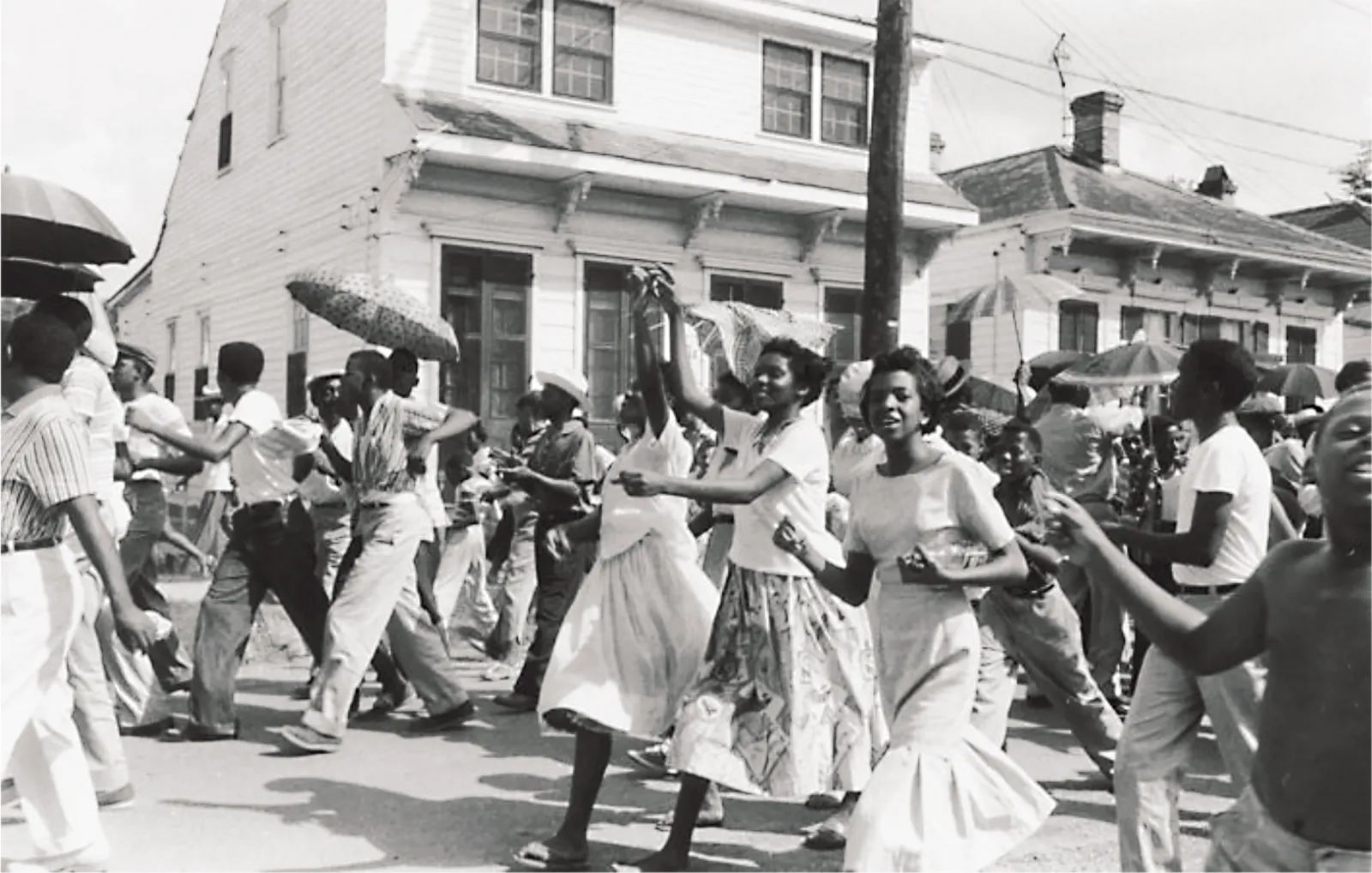
Tremé Walking Tour
Tremé is the oldest African American neighborhood in the country and one of the most important places in the story of New Orleans music. Jazz grew here alongside brass band traditions and second lines while Congo Square became a place where African musical traditions survived and evolved. A guided walk puts students inside that history and shows them the community behind sounds they will hear throughout the trip.
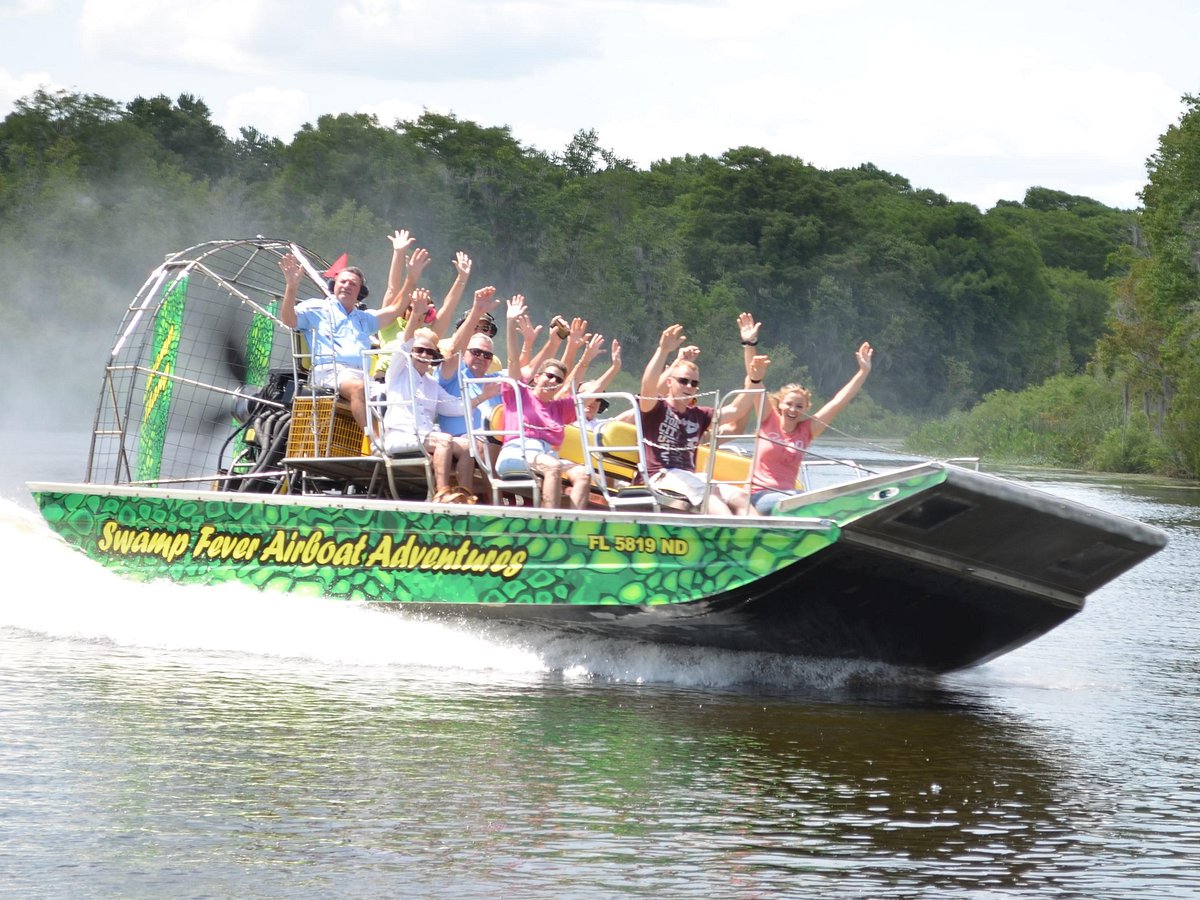
Swamp Airboat Tour
Trade the streets of New Orleans for cypress trees and open water on an airboat ride through the Louisiana wetlands. Students can spot alligators in their natural environment while guides introduce them to the wildlife and ecosystem of the swamp. The speed of the airboat makes getting there half the fun.
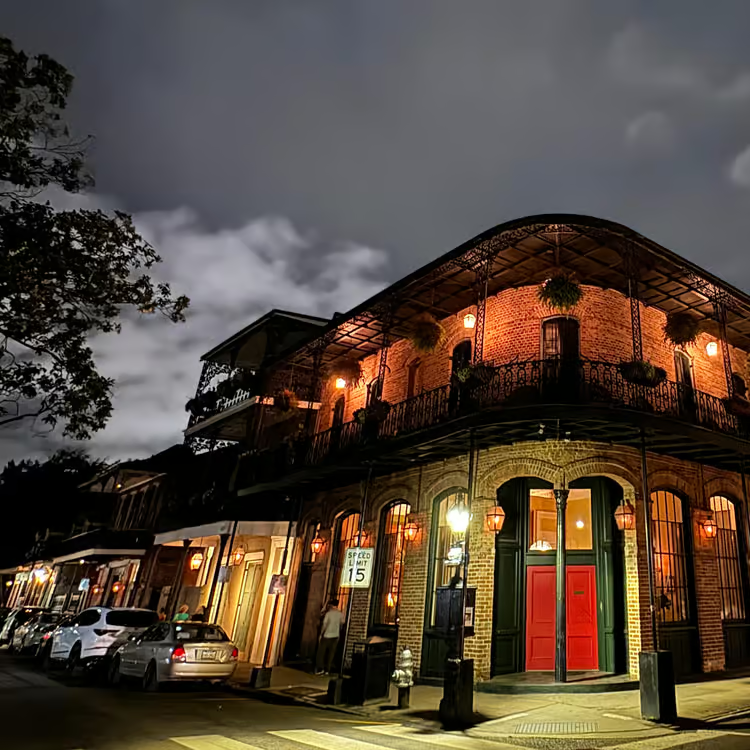
Ghosts & Vampires Tour
New Orleans has spent centuries building a reputation for the supernatural. A nighttime walk through the French Quarter brings its ghost stories and vampire legends to life in the streets where many of those stories began. Haunted buildings and tales of the Casket Girls make this a very different way to experience a city that embraces its darker side.
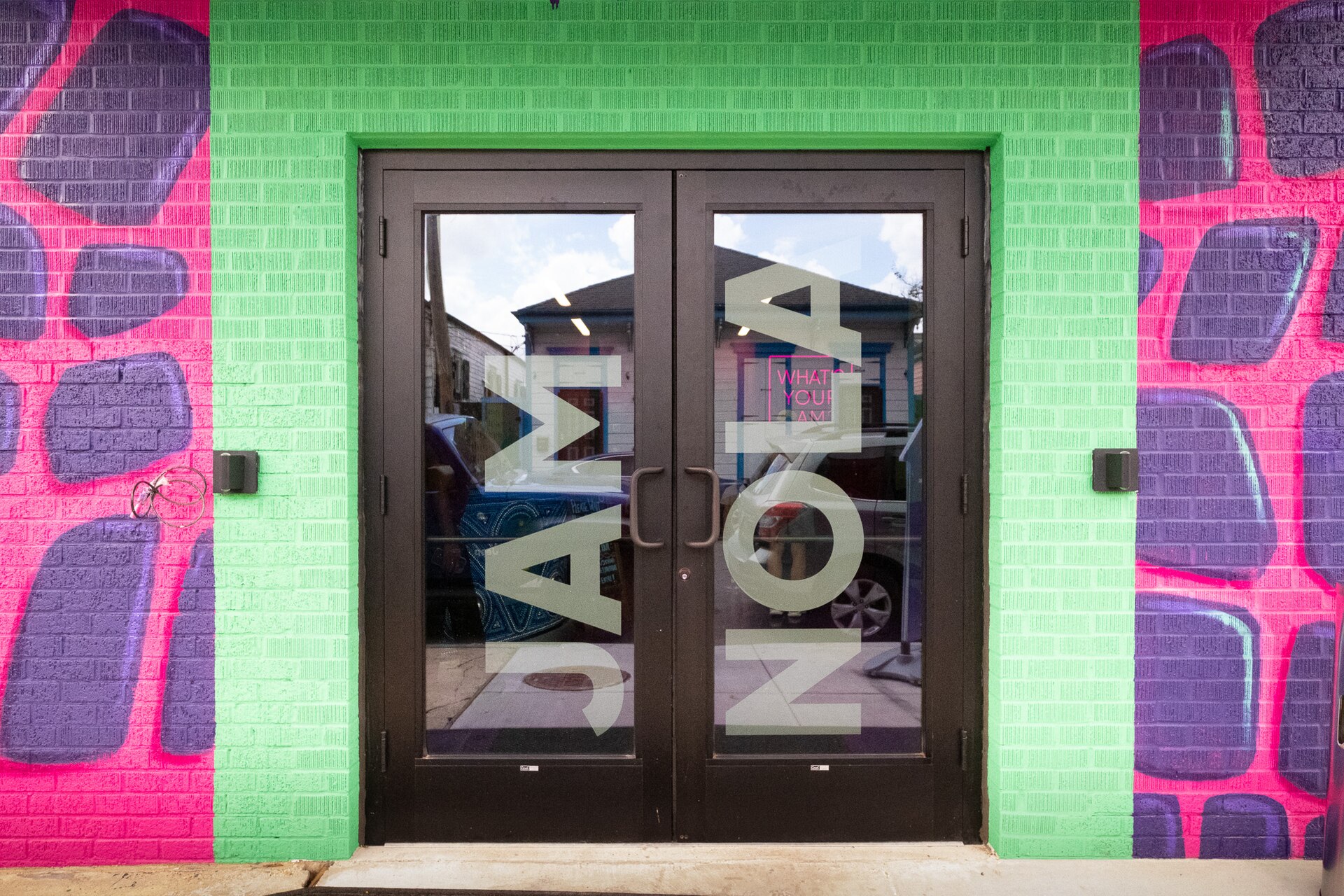
JAMNOLA
Do not expect students to quietly walk past artwork here. JAMNOLA is an immersive experience filled with interactive installations created by more than 100 local artists and collaborators. Students can step into the art and play with the exhibits while exploring the music and celebrations that give New Orleans so much of its personality.
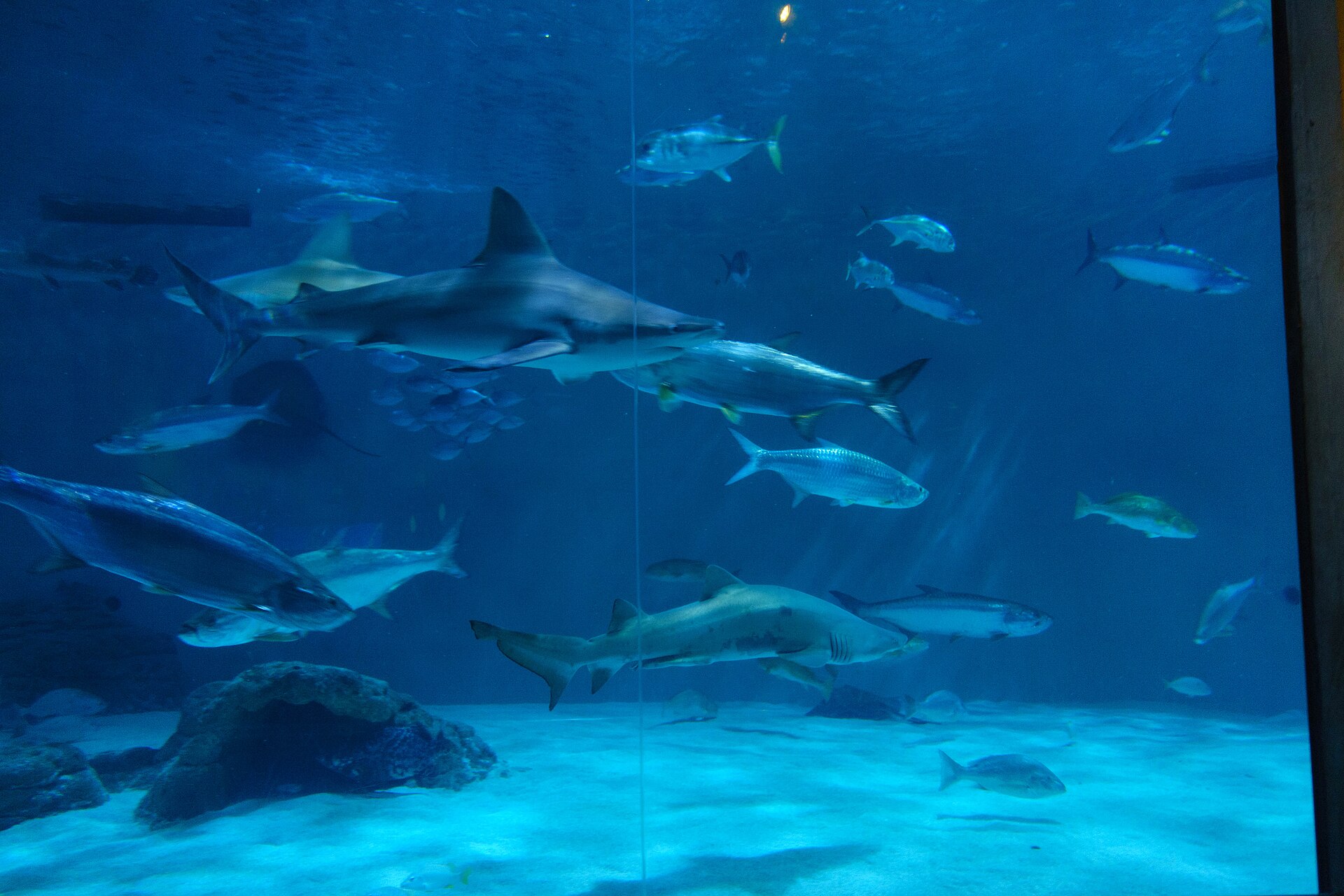
Audubon Zoo & Aquarium
These are not interchangeable with the zoo and aquarium back home. Audubon Zoo sits beneath huge oak trees and includes its award-winning Louisiana Swamp with white alligators plus the immersive Jaguar Jungle. At the Aquarium students can follow the water from the Mississippi toward the Gulf and Caribbean while exploring a massive Gulf of Mexico habitat and a hands-on shark and stingray touch pool.
New Orleans Jazz Museum
There is something different about exploring jazz history in the city where the music took shape. The museum connects students to the musicians and instruments behind that story while putting New Orleans at the center of a musical movement that changed the world. For a performance group it makes the history they have heard about feel much more tangible.
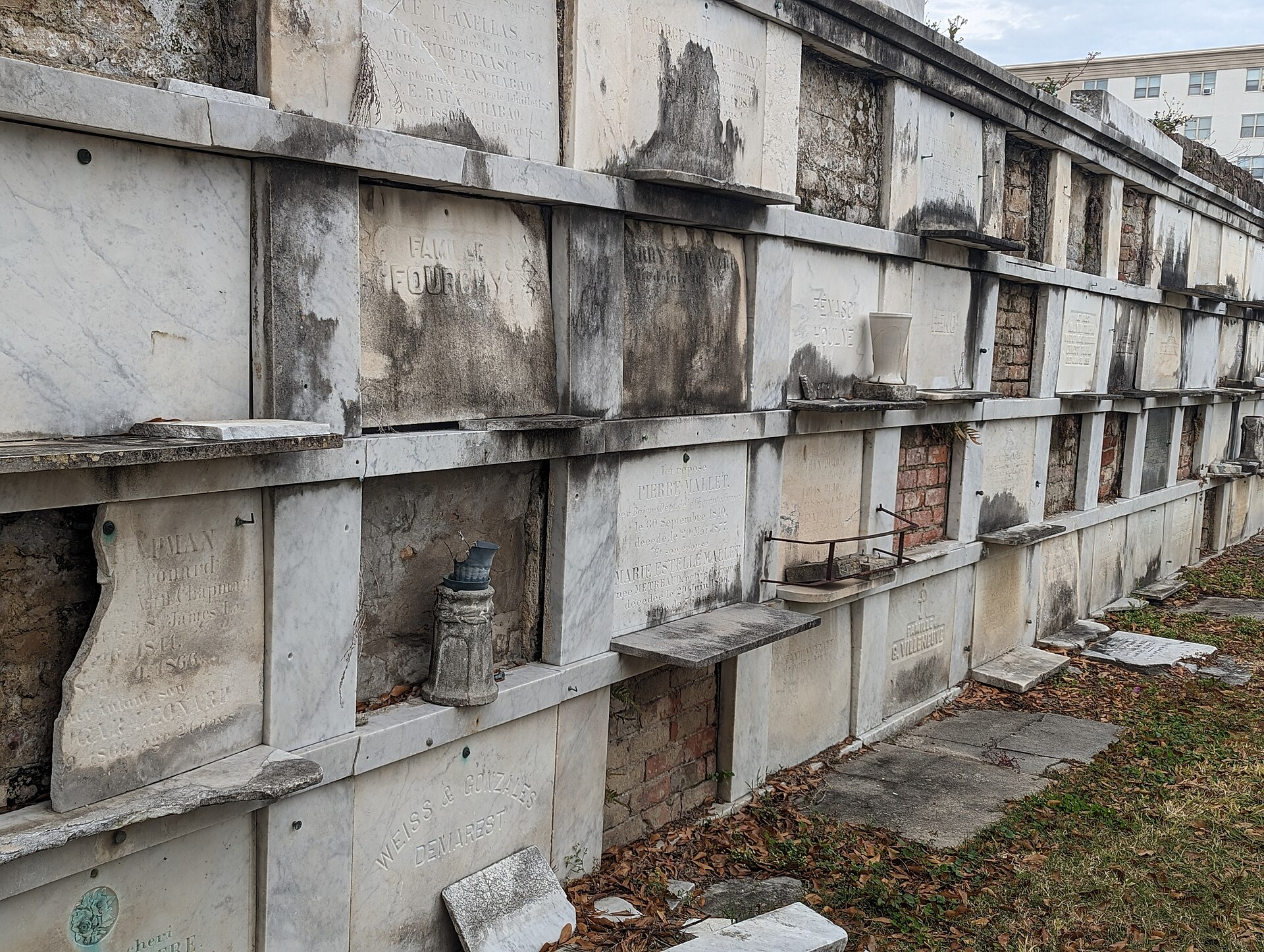
St. Louis Cemetery No. 1
Step inside one of New Orleans’ famous Cities of the Dead and see rows of above-ground tombs that look unlike cemeteries almost anywhere else in the country. The stories are just as compelling as the setting. Marie Laveau rests here along with Homer Plessy and other figures connected to the history and folklore of New Orleans.
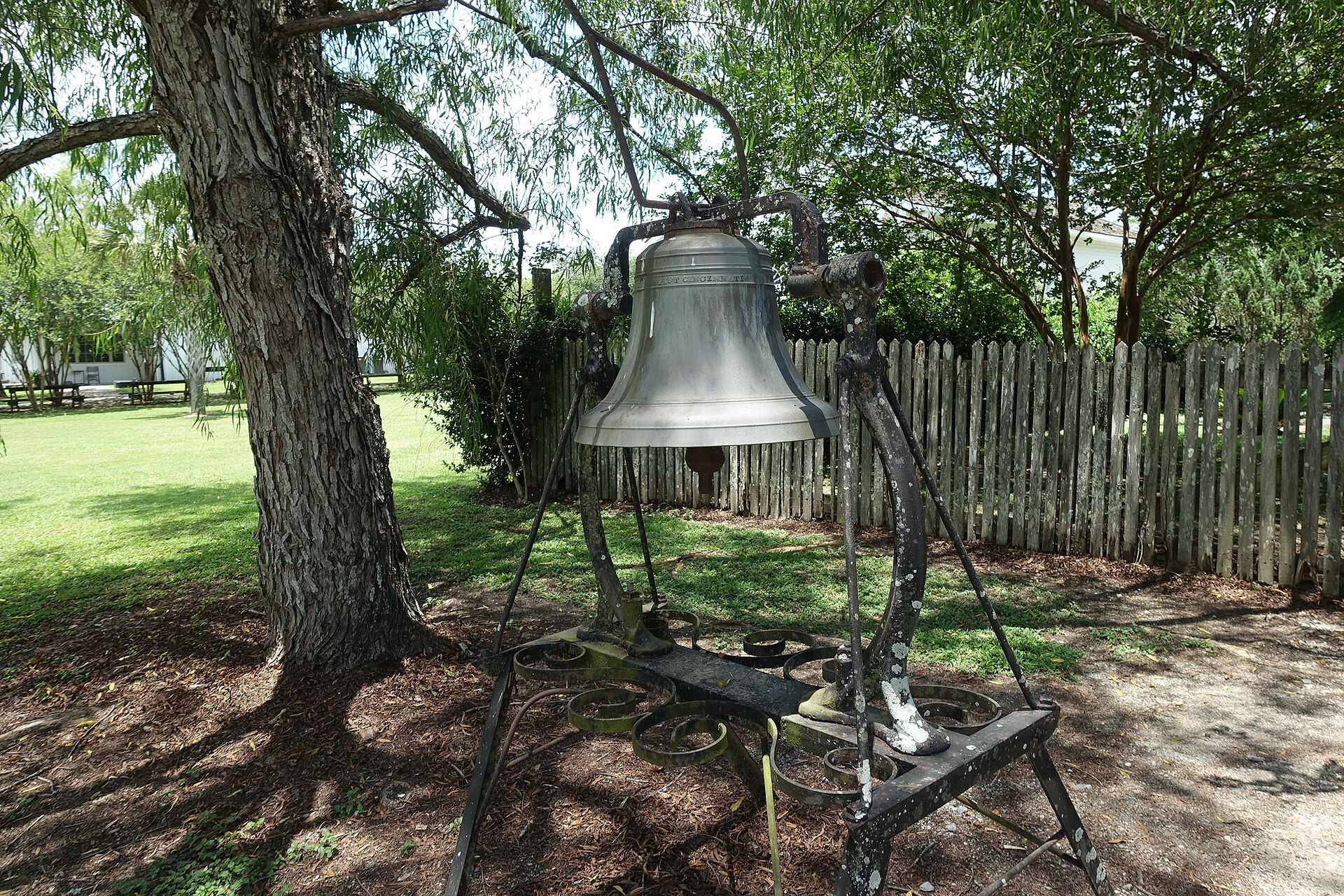
Whitney Plantation
Whitney changes the way a plantation visit is framed. It is the only plantation museum in Louisiana devoted exclusively to the history of slavery and tells the story through the people who were enslaved rather than through the wealth of the plantation owners. Students walk through a site that operated for more than two centuries and still holds original slave cabins and the Big House. Memorials throughout the property give names and stories back to people whose lives were too often left out of the historical record.
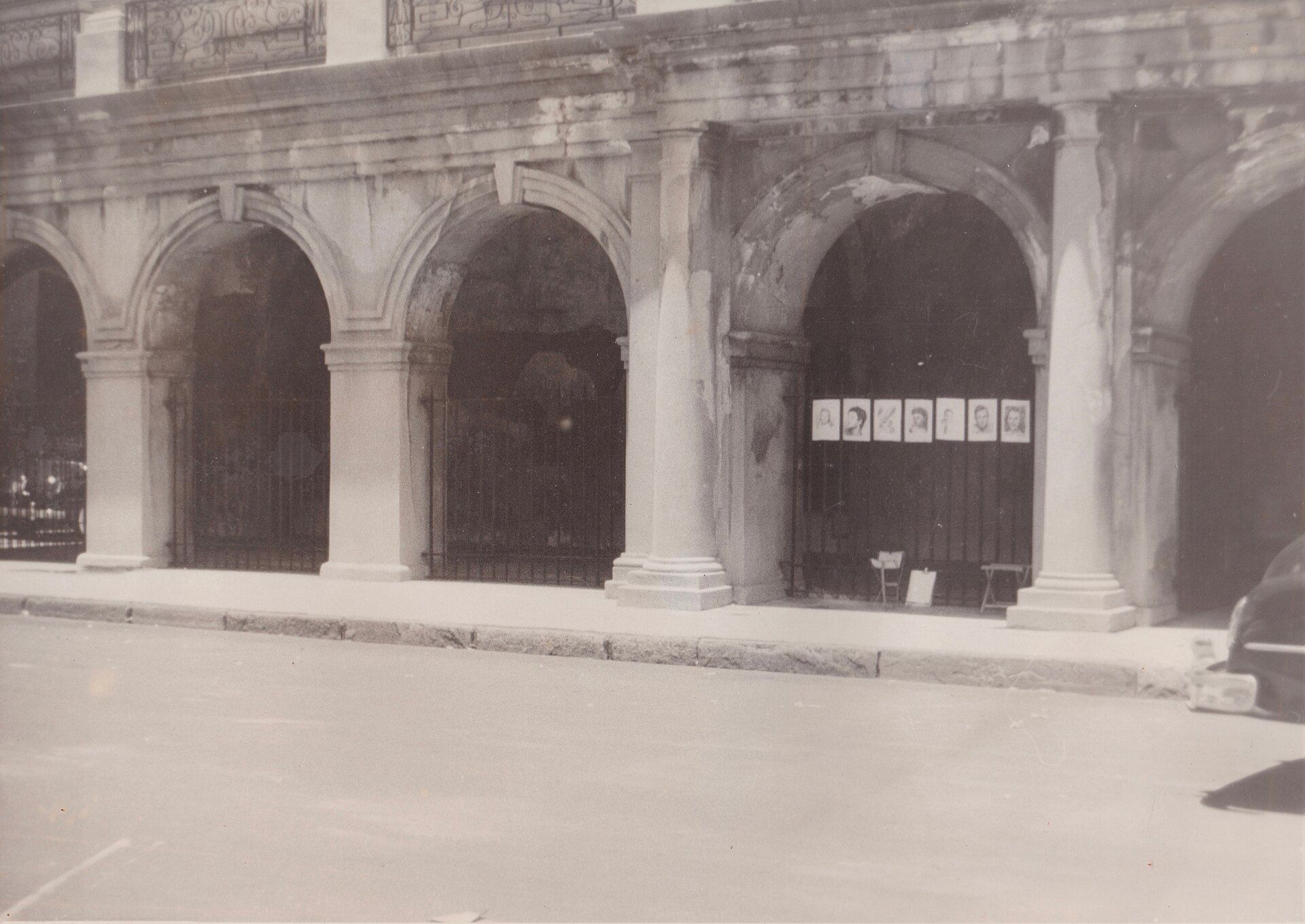
The Cabildo & Presbytère
Two landmark buildings on Jackson Square open up completely different chapters of the Louisiana story. The Cabildo takes students into the history that shaped the state while the Presbytère explores the spectacle of Mardi Gras and the enormous impact of Hurricane Katrina. Together they help explain how New Orleans became the city students are experiencing outside their doors.
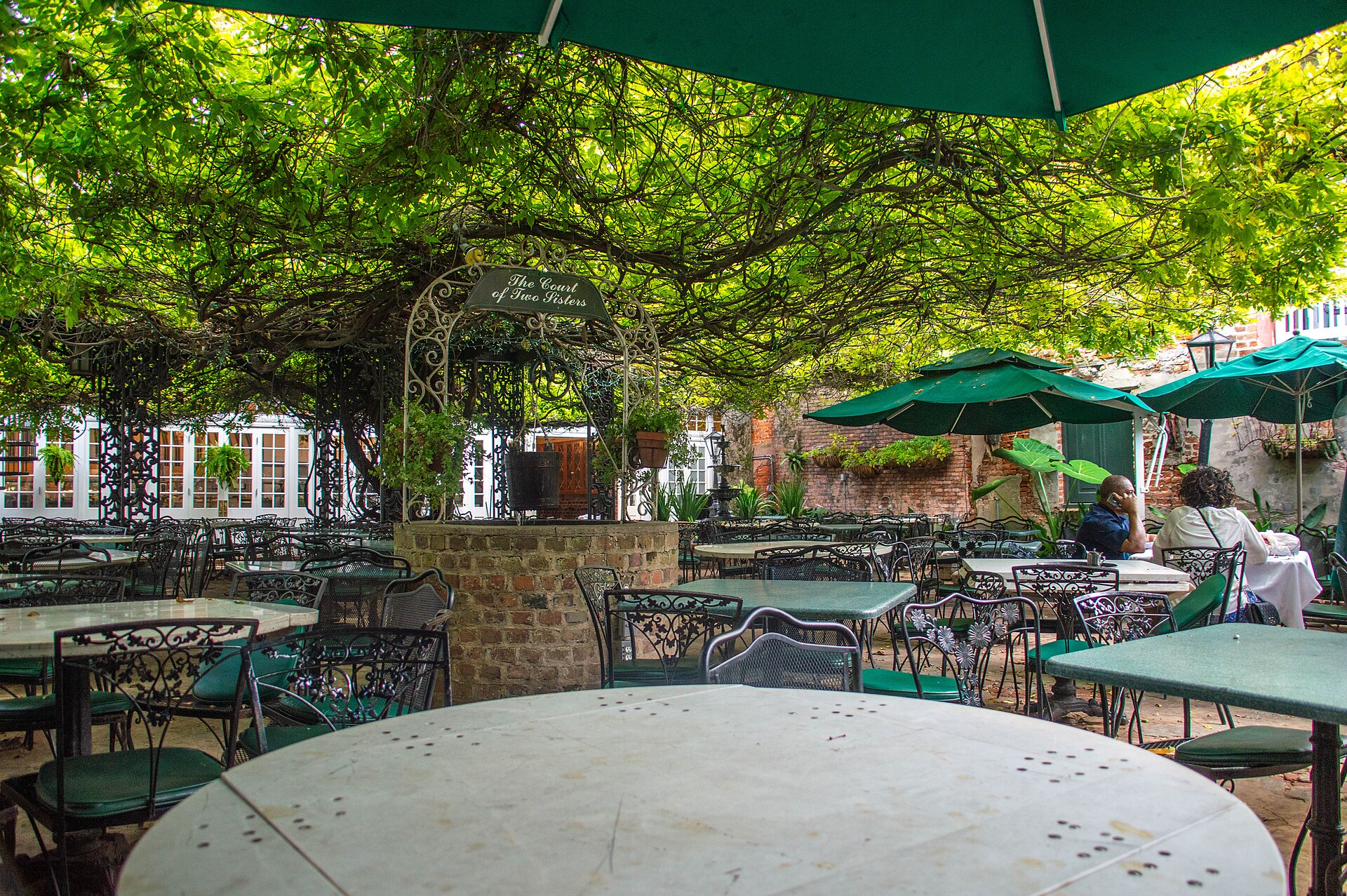
Jazz Brunch at Court of Two Sisters
Brunch becomes part of the New Orleans experience at the Court of Two Sisters. Students dine in its famous courtyard while live jazz plays around them. It is relaxed enough to work naturally into the itinerary but distinctive enough that a meal becomes one of the experiences students remember.
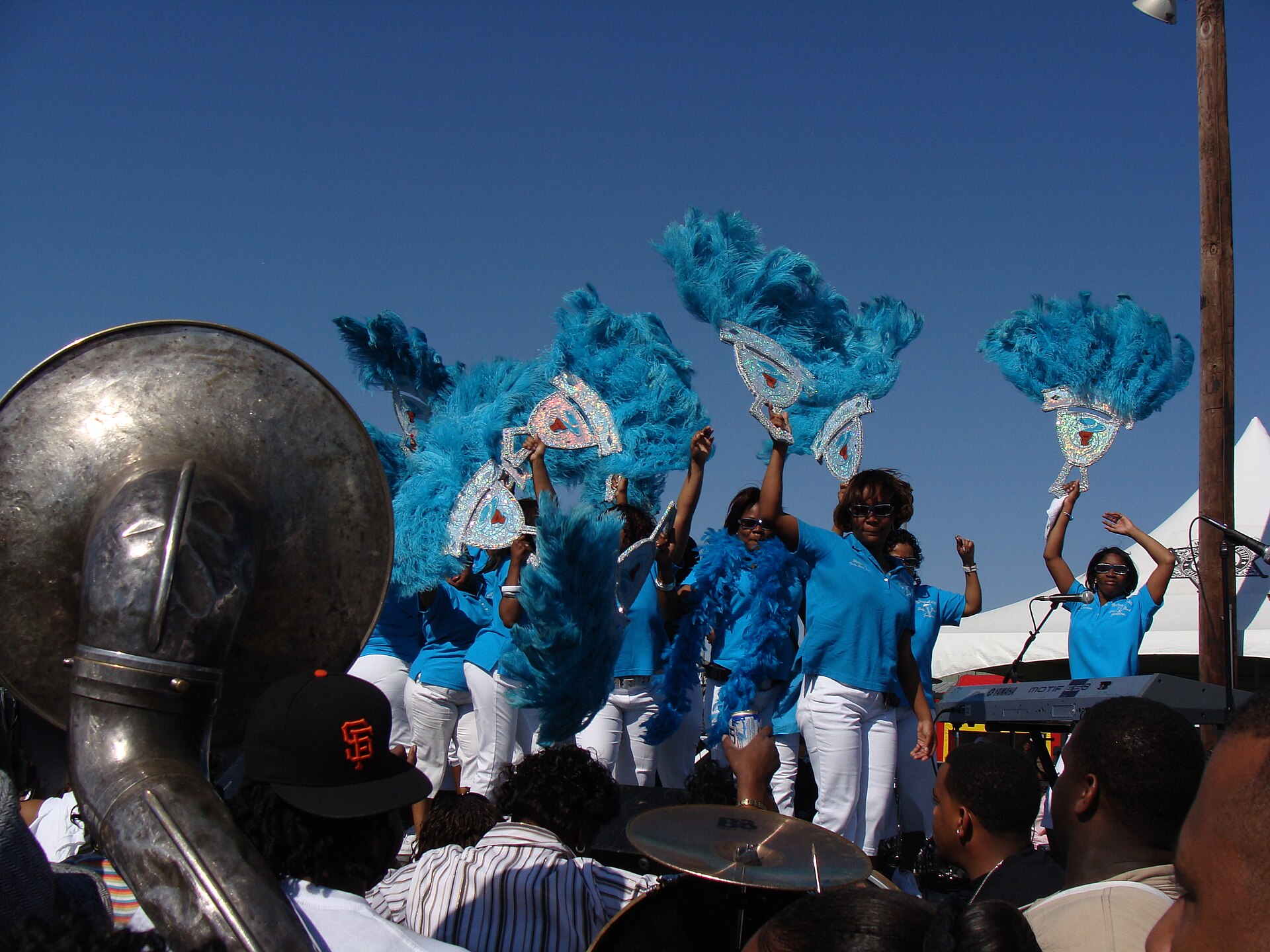
Mardi Gras Museum of Costumes & Culture
Step into Mardi Gras instead of just hearing about it. Students can explore the wild costumes and traditions behind Carnival and then head into the interactive costume closet to actually try on authentic Mardi Gras pieces themselves. Exhibits also introduce traditions such as the Mardi Gras Indians and Social Aid and Pleasure Clubs so the spectacle starts to make sense as part of a much larger New Orleans culture.
Ways to Shape the Trip

Strings in the Crescent City
Keep the orchestra at the heart of the trip while letting New Orleans change the setting around it. Perform in the city and work with university or professional musicians through a clinic or masterclass. Add the Louisiana Philharmonic and students get a side of New Orleans that proves the city’s musical identity reaches well beyond jazz.

The Louisiana Sound
Take students outside the classical world and into the styles that grew from this region. Explore jazz improvisation and Cajun fiddle traditions. Try a Congo Square rhythm workshop or dig into zydeco and other sounds that could only have developed here. This is the trip for groups that want New Orleans to stretch the way they listen and play.

Meet Me at the Fest
Build the trip around one of the city’s great music festivals. The Crescent City Chamber Music Festival can put world-class chamber music at the center of the experience while the New Orleans Jazz & Heritage Festival opens the door to an enormous range of Louisiana and American music. In New Orleans a festival does not feel like an add-on. It can shape the entire trip.

From the Quarter to the Bayou
Give students the broadest version of New Orleans. Perform and work with great musicians but leave plenty of room for the city itself. Hear the LPO. Explore the Quarter. Get out into the swamp. Dig into the history and traditions that shaped the music. This version lets the orchestra experience New Orleans from the concert hall all the way to the bayou.

Ready to Bring Your Orchestra to New Orleans?
Let New Orleans widen your orchestra’s ears with rhythm, improvisation, culture, historic settings, and a trip that never asks strings to stop being strings.
Availability note: Performance opportunities, clinics, workshops, festivals, parades, and special events vary by destination and are subject to availability, eligibility, ensemble size, season, technical requirements, and final approval.
Photo credits: Lakeside Shopping Center by Infrogmation (CC BY 2.5); Crescent City Music Festival by Anthony B. (CC BY-SA 3.0); New Orleans Heritage Festival by Huang He-Yun (Public domain); Oscar Dunn Park Amphitheater by Bernard Spragg. NZ from Christchurch, New Zealand (CC0); Louisiana Philharmonic Orchestra by Jeff Hitchcock (CC BY 2.0); Treasures from the Vault by Infrogmation of New Orleans (CC BY-SA 4.0); JAMNOLA by Juancabrera21 (CC0); Audubon Zoo & Aquarium by Gary J. Wood (CC BY-SA 2.0); St. Louis Cemetery No. 1 by Cory Doctorow (CC BY-SA 2.0); Whitney Plantation by Jeremy Thompson (CC BY 2.0); The Cabildo & Presbytère by Infrogmation of New Orleans (CC BY-SA 4.0); Jazz Brunch at Court of Two Sisters by Michael Gaylard (CC BY 2.0); Mardi Gras Museum of Costumes & Culture by Karen Gadbois (CC BY-SA 2.0). Via Wikimedia Commons.