
Orchestra Travel: New York
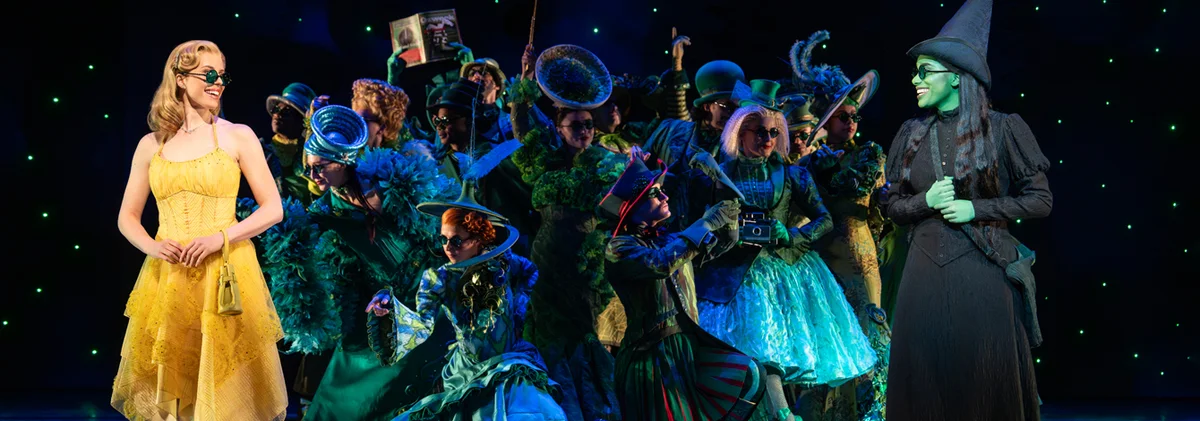
The Orchestra Turns Wicked
Why New York for Orchestras?
Carnegie Hall. The New York Philharmonic. Juilliard. Broadway. For a young string player, those names have meant something long before the first day of the trip. New York puts students close to musicians working at the very top of almost every corner of the profession, from the concert stage to the pit, the conservatory, and the chamber ensemble.
What makes the city especially valuable for an orchestra is seeing how the same fundamentals keep changing jobs. Precision that holds a symphony together becomes timing that follows a Broadway scene. Strong section playing gives way to individual responsibility in chamber music. Technique remains technique, but the expectations around it keep shifting. New York lets students hear how many directions their musicianship can take without ever leaving the world of strings.
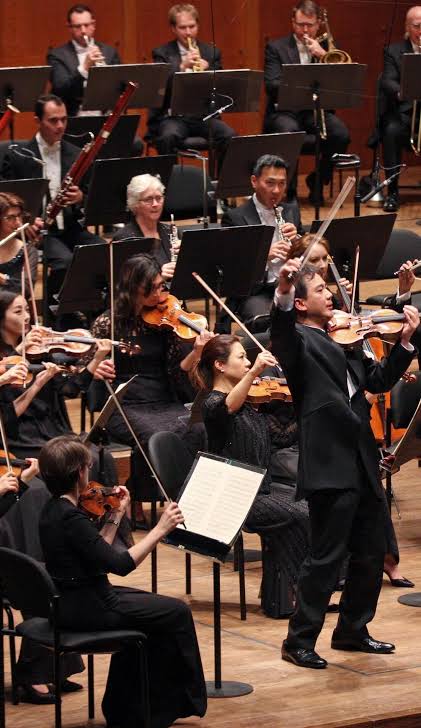
Performance Possibilities
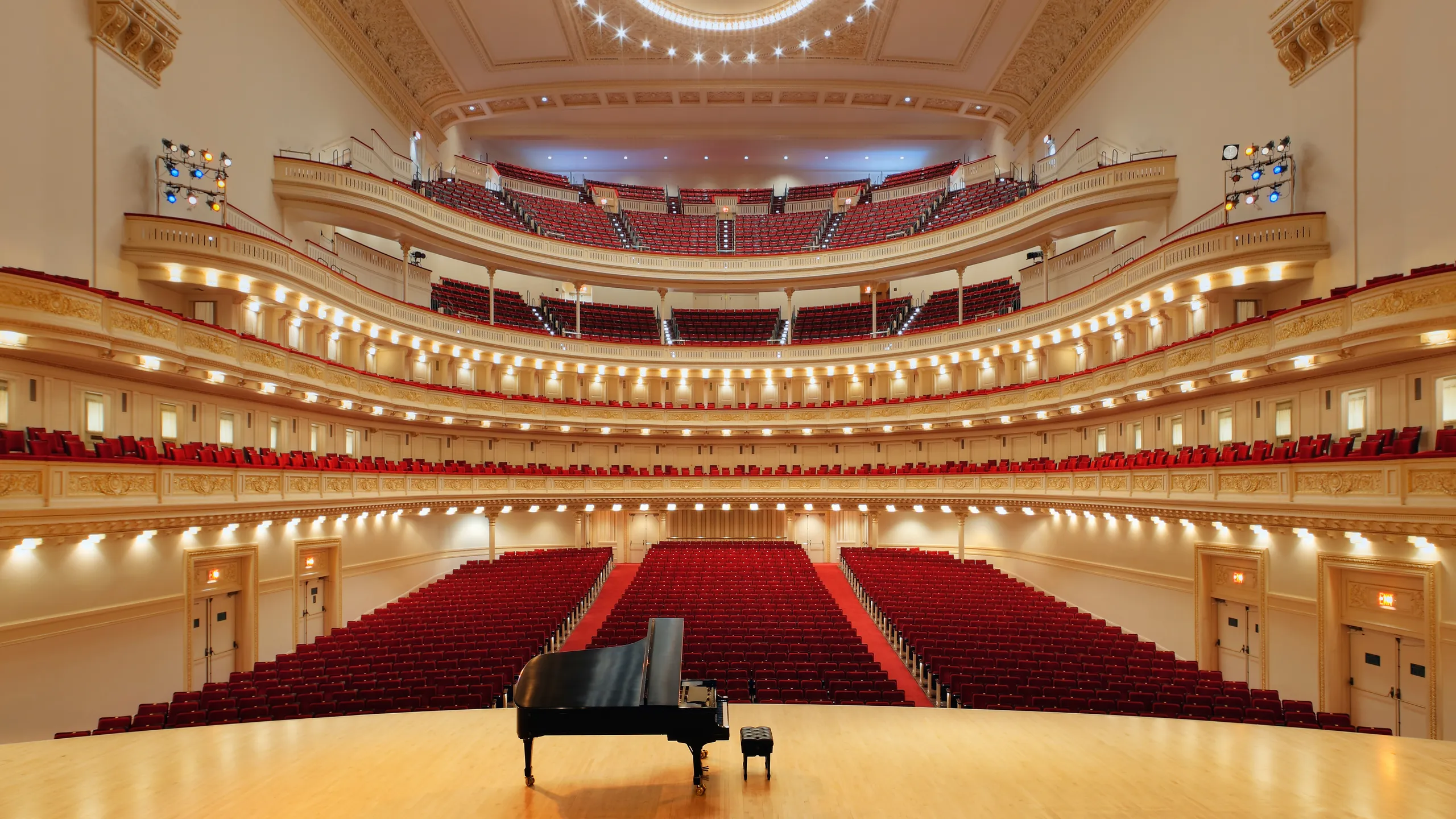
Carnegie Hall
Carnegie Hall is the reach goal. Performing there takes serious advance planning, a strong application, and selection through one of the programs or festivals that earns ensembles access to the stage. That difficulty is part of what makes it matter. When an orchestra is chosen, students are not simply checking off a famous venue. They have earned the chance to play in one of the most revered concert halls in the world.
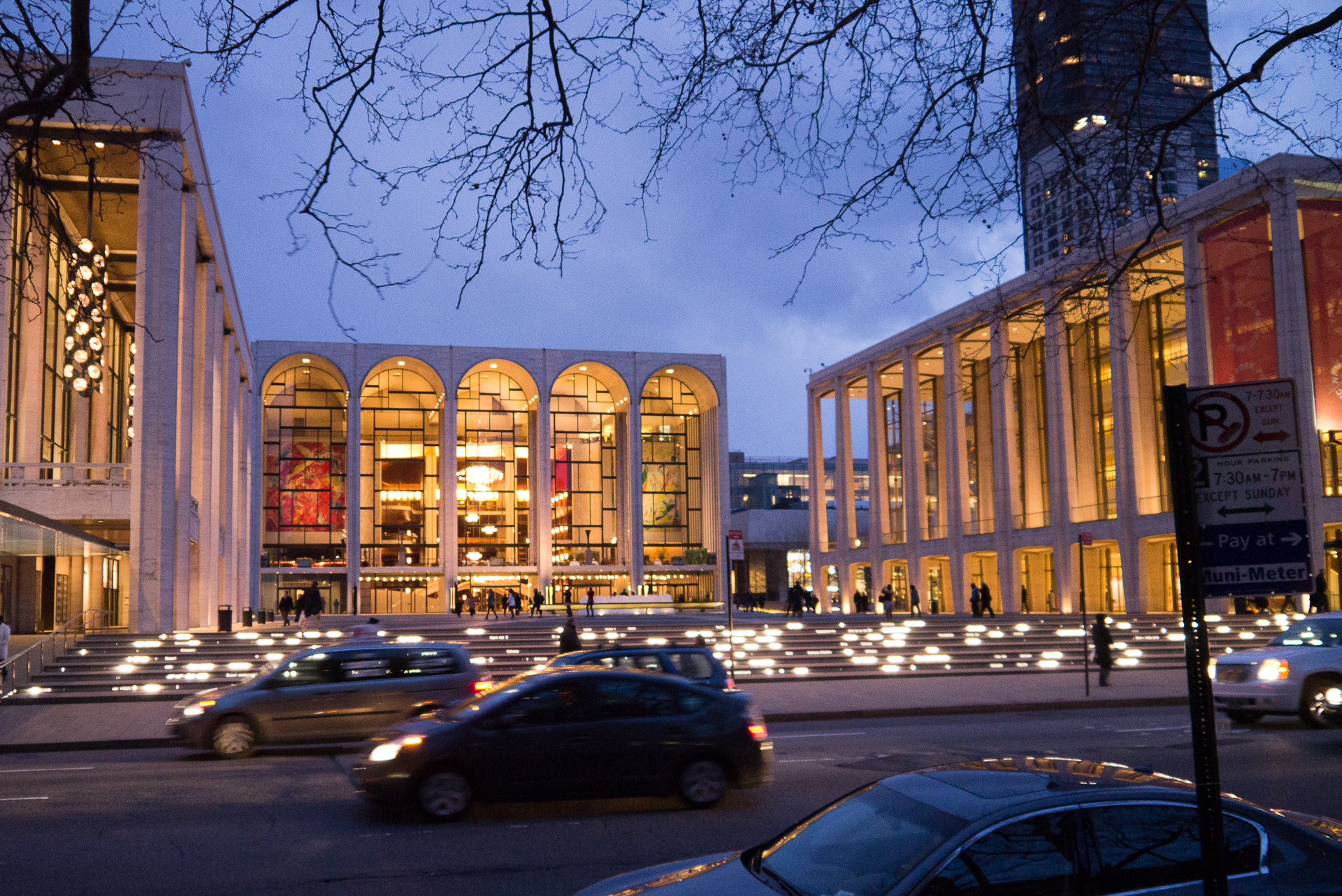
Josie Robertson Plaza at Lincoln Center
The Metropolitan Opera House behind you. David Geffen Hall and the David H. Koch Theater beside you. The Revson Fountain in the middle of it all. Josie Robertson Plaza puts a student orchestra outdoors at the center of one of the most important performing arts campuses anywhere, with visitors constantly moving through and some of New York’s greatest music institutions surrounding the performance.
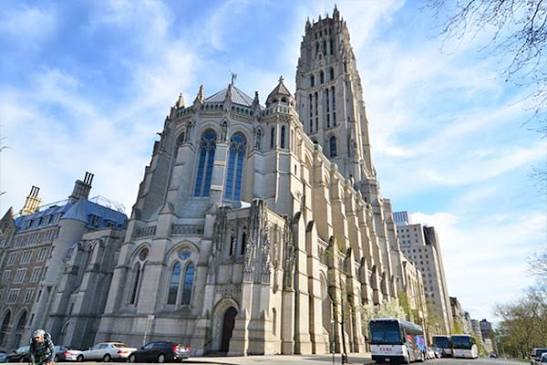
Riverside Church
Riverside is not a church that merely happens to allow concerts. Music has been part of its identity for nearly a century, with its own string ensemble, major concert series, enormous pipe organ, and a history that includes the New York Philharmonic. A visiting orchestra steps into a place where serious music already has a home, giving the performance the feeling of joining an established New York tradition rather than borrowing a sanctuary for an hour.
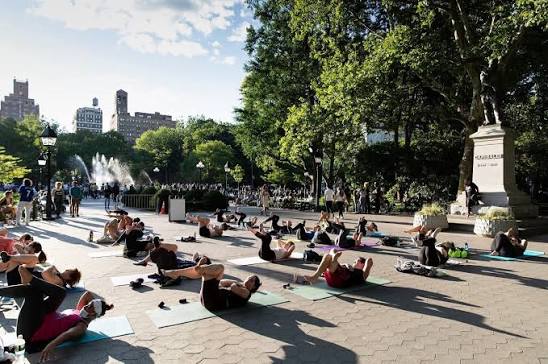
Holley Plaza at Washington Square
Washington Square already feels like an outdoor stage. Musicians, students, artists, tourists, neighborhood regulars, and whatever else New York decides to throw into the mix are all part of the scene. Add a student orchestra and the park gets one more surprise. The audience builds naturally, the energy is immediate, and students get to be part of the wonderfully busy rhythm of Greenwich Village instead of watching it from the sidelines.
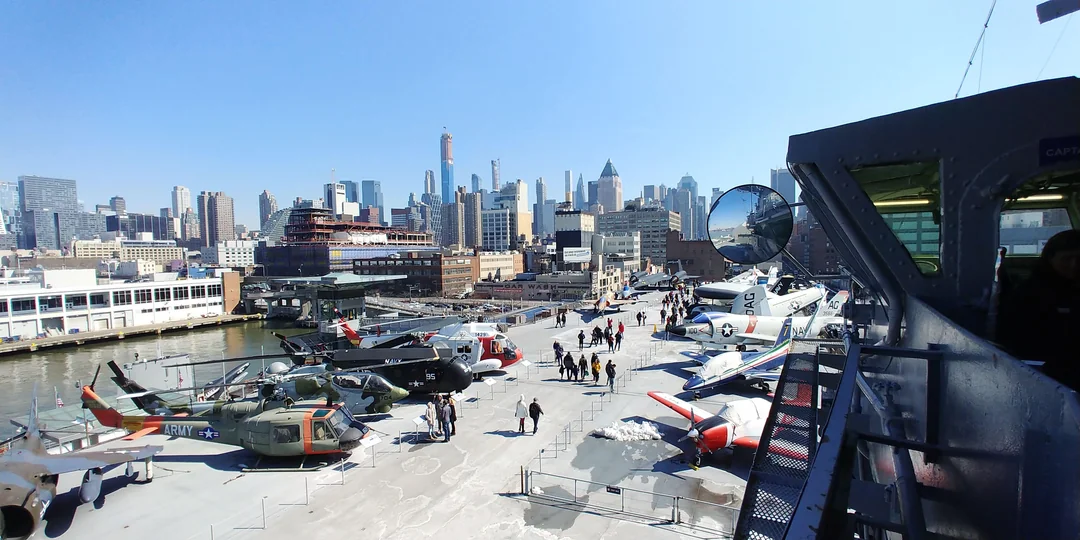
Intrepid Flight Deck
Unpack the orchestra on the flight deck of an aircraft carrier and nobody is forgetting where this concert happened. Students perform outdoors with aircraft around them, the Hudson below, and Manhattan behind them. It is history, skyline, and performance all sharing the same stage, with a setting dramatic enough that even the pre-concert tuning photos are going to be good.
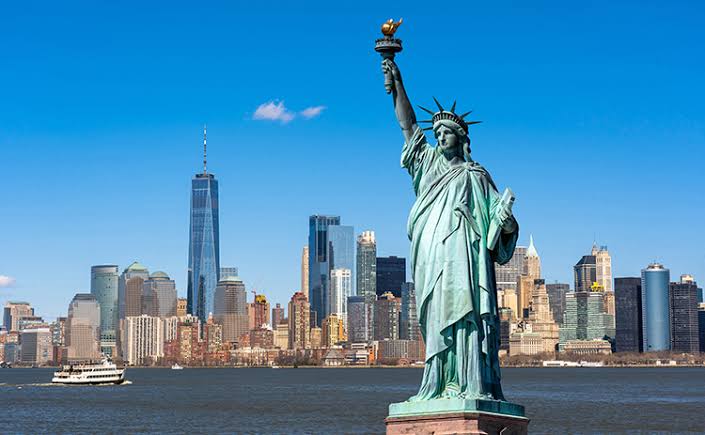
Statue of Liberty
The setting says plenty before the orchestra begins. Performing near the Statue of Liberty gives directors the chance to choose repertoire with intention and lets students connect music to a place that has represented arrival, possibility, and freedom to generations of people. The right program can turn an iconic New York stop into something much more personal.
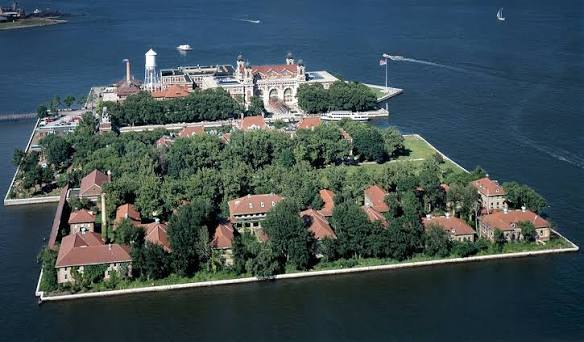
Ellis Island
Names, photographs, luggage, records, and family stories make Ellis Island feel less like distant history and more like millions of individual lives colliding in one place. An orchestra adds another human voice to that story. Students can bring music into a setting shaped by movement, memory, and families beginning again, including histories that may resemble their own.
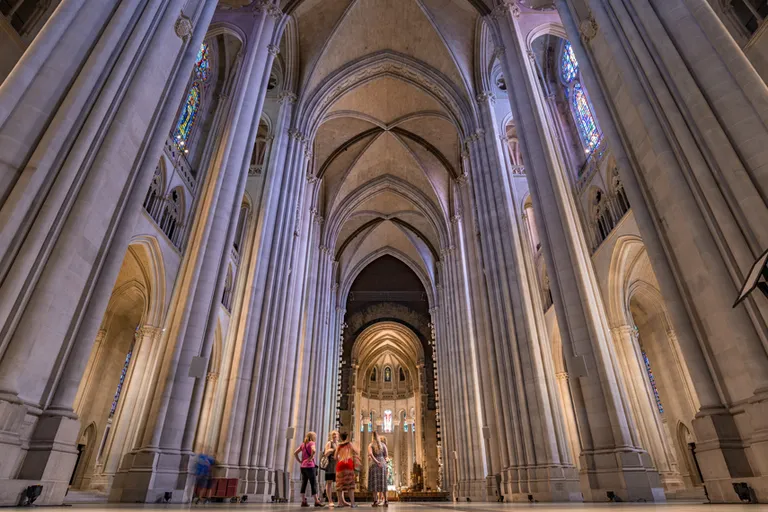
Cathedral of St. John the Divine
St. John the Divine was built on a scale that makes almost everything inside it feel dramatic, including an orchestra. Its own Great Music in a Great Space series presents orchestras and major artists, so concert music is already woven into the life of the Cathedral. A student ensemble gets to perform in a monumental New York arts space where the architecture makes the occasion feel important before the conductor ever lifts a baton.
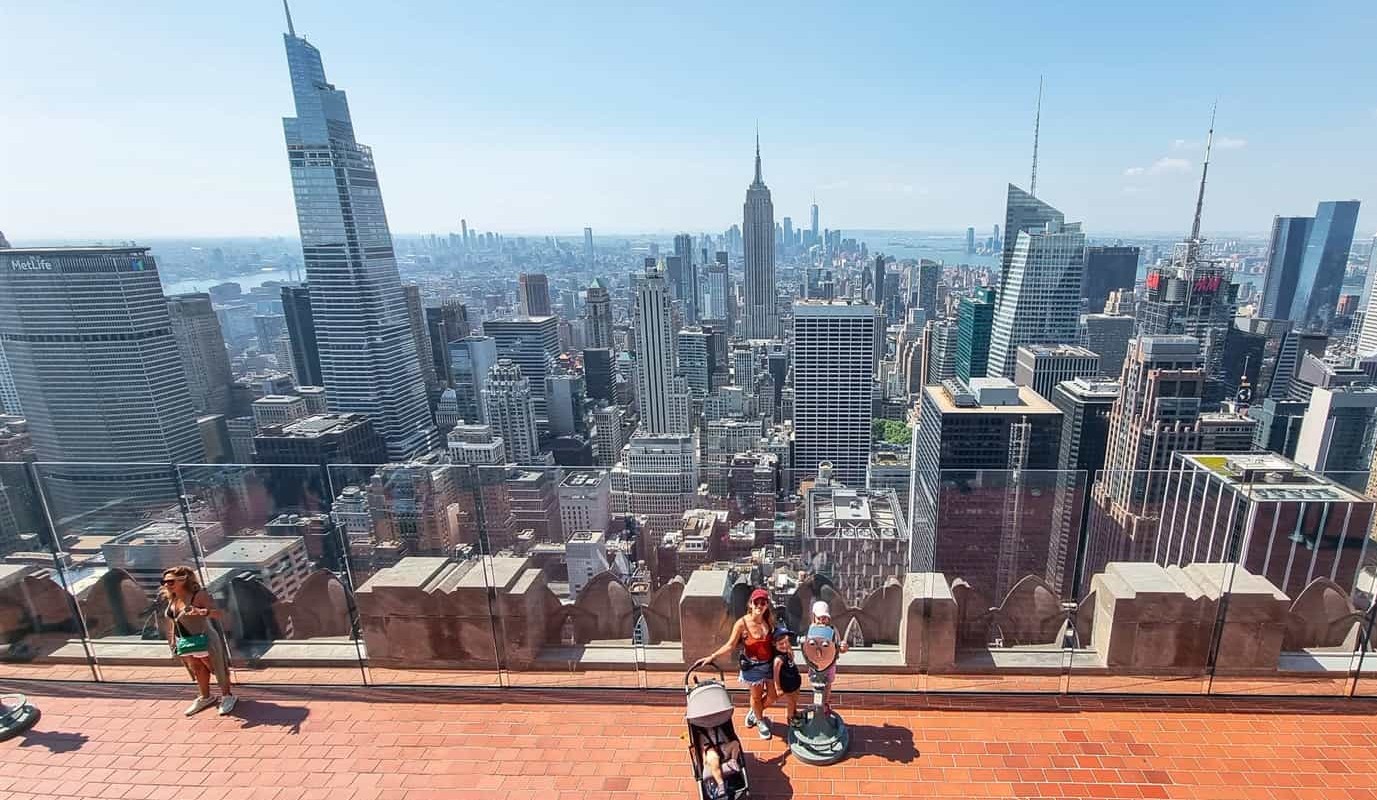
One World Observatory
Playing more than 100 stories above New York changes the scenery quite a bit. Upper Manhattan stretches away behind the orchestra while students perform with an extraordinary sweep of the city visible beyond them. It is polished, modern, indoors, and visually hard to beat, turning a student concert into something that looks every bit as memorable as it sounds.
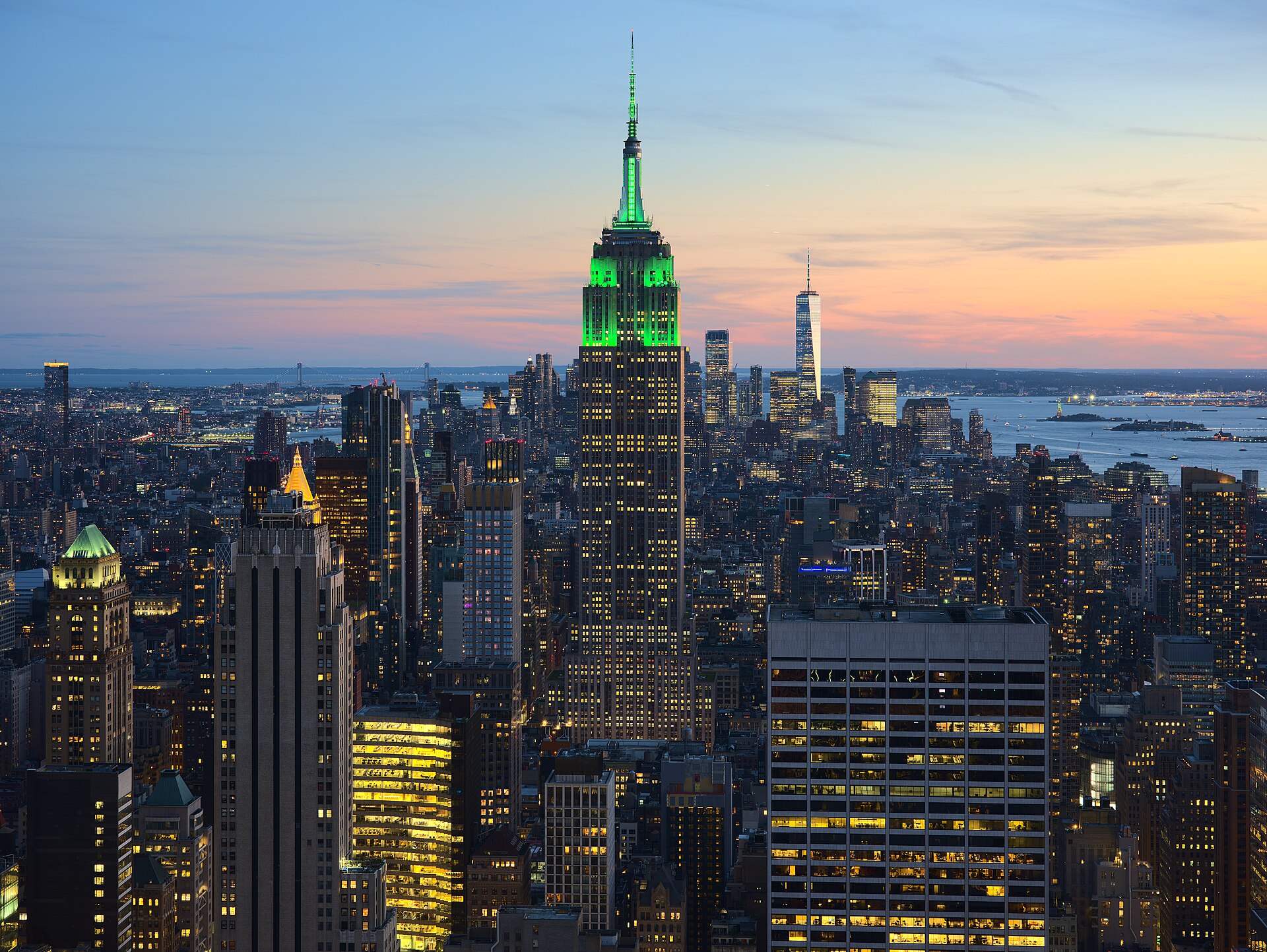
Empire State Building
Students have known this building from movies, photos, and the New York skyline long before they ever walk through the doors. Performing there gives an orchestra a practical indoor stage tied to one of the most recognizable buildings on earth, along with a steady audience of visitors who were already excited to be there. “We played at the Empire State Building” is also a pretty satisfying sentence to bring home.
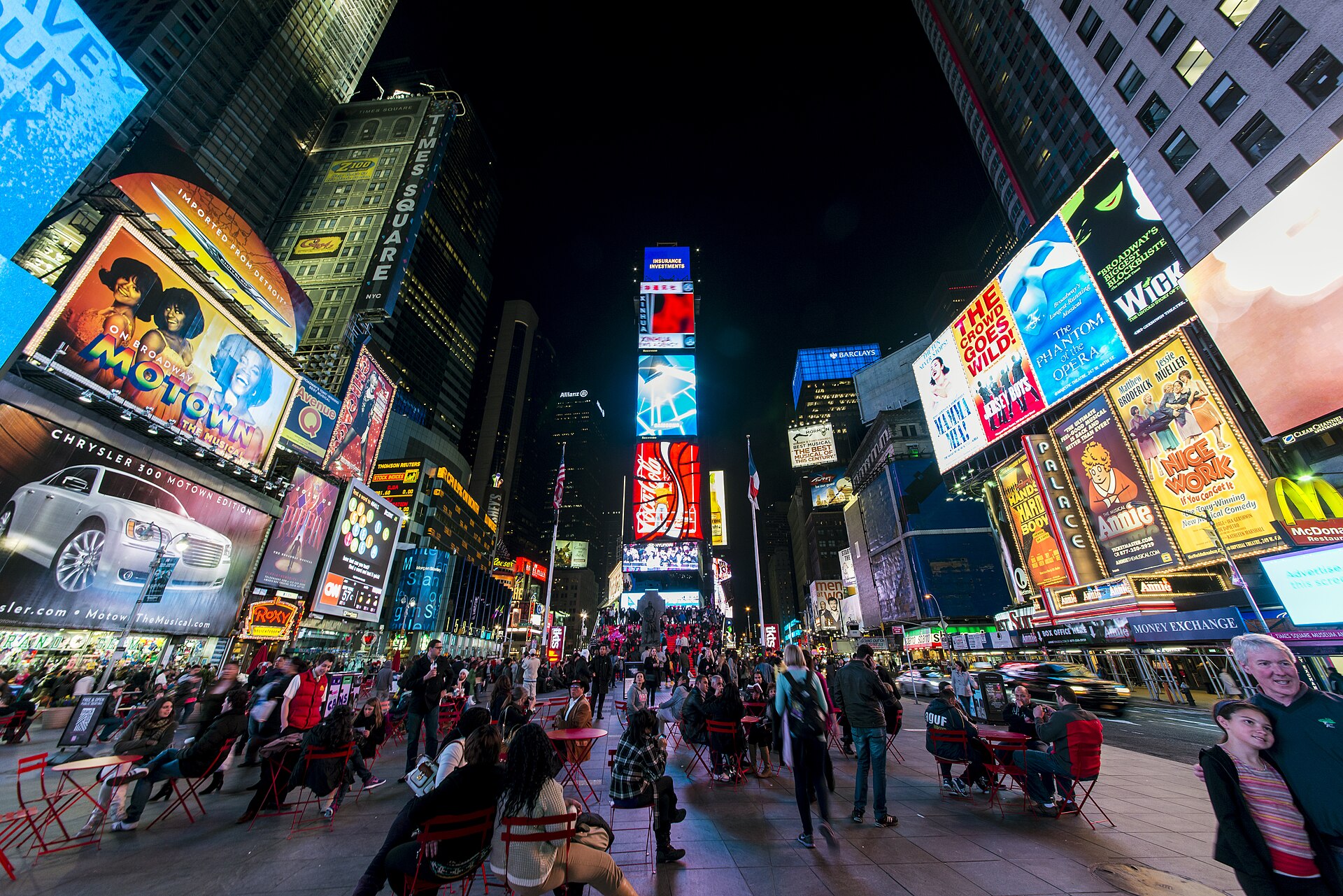
One Times Square
This might be the closest an orchestra gets to crashing New Year’s Eve without waiting until midnight. Students perform on the outdoor terrace high above Times Square, just below the famous Ball, with the lights, crowds, and constant buzz of the Crossroads of the World surrounding them. The audience is already in a celebratory mood, so a surprise live orchestra feels less like an interruption and more like one more reason to stop and enjoy the moment.
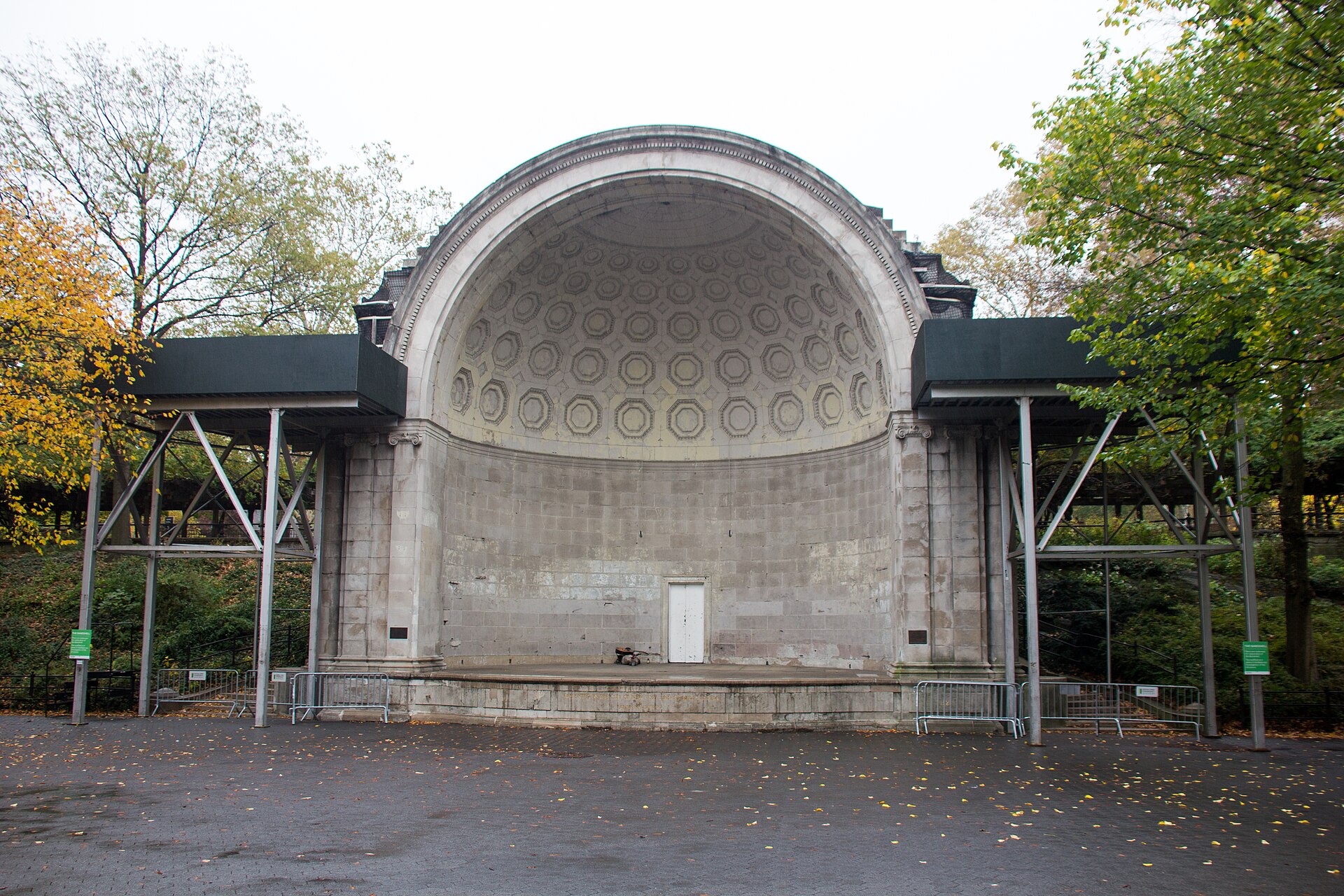
Naumburg Bandshell at Central Park
Orchestral music has belonged in Central Park for generations, and the Naumburg Bandshell gives students a chance to step directly into that tradition. The stage feels established without being formal, listeners can gather naturally as they move through the park, and the orchestra gets to make music in a part of New York that has been hosting public concerts for well over a century.
Clinics & Workshops

Dan Micciche Broadway Music Direction Workshop
Dan Micciche spent years as the Broadway music director and conductor of Wicked and now works with the production as Associate Music Supervisor for Casting. That gives students access to someone who knows the show from both the pit and the larger musical operation behind it. He can put Wicked music on the stands, work through what makes the score function on Broadway, and, when available, bring Wicked performers into the room to sing with the orchestra. Suddenly the students are not just rehearsing Broadway music. They are supporting Broadway voices with someone who helped shape the real thing.

Broadway Pit Orchestra Workshop
Put an actual Broadway score on the stands and the rehearsal immediately feels different. A Broadway conductor or assistant conductor can work with the orchestra on the precision, flexibility, style, and responsiveness that pit musicians rely on every night. The biggest takeaway is not simply how Broadway sounds, but how much awareness it takes to play music that has to move with everything happening above the pit.
Broadway Up Close Backstage Tour
The finished show hides an enormous amount of work. Broadway Up Close pulls back that curtain and gives students a closer look at how a Broadway theatre functions when the audience is not the focus. Suddenly the orchestra pit is only one piece of a much larger machine, and students begin to understand how musicians, performers, crew, stage management, and the building itself all depend on one another.
Broadway Actor Q&A
Orchestra students spend plenty of time supporting singers without always hearing what the experience feels like from the other side. A conversation with a Broadway performer opens that door. Questions about rehearsals, auditions, maintaining a role, working with the conductor, and performing eight shows a week give students a much more human picture of the people their music is there to support.
Let’s Get Technical
A Broadway performance can look effortless only because an enormous amount of coordination is happening where the audience cannot see it. Working with a stage manager or designer lets students discover how cues, scenery, lighting, sound, timing, and human communication keep the whole production on track. Orchestra students tend to appreciate that kind of precision very quickly because they already know what happens when one moving part misses its entrance.

NYU Steinhardt Orchestra Clinic
NYU puts young musicians in a university environment where classical training sits alongside composition, film scoring, musical theatre, technology, and the broader music industry. A clinic can stay focused on the orchestra’s own repertoire while exposing students to a place where orchestral musicianship connects naturally to far more than the concert stage. That wider professional landscape is a very New York part of the experience.
New York Philharmonic Musician Clinic
Feedback lands differently when it comes from someone whose daily workplace is the New York Philharmonic. A Philharmonic musician can dig into the details young players wrestle with constantly, but with the perspective of someone who has solved those problems at the highest professional level. The session gives students access to the thinking behind the sound they may hear later at David Geffen Hall.
Manhattan School of Music Orchestra Clinic
Manhattan School of Music brings conservatory-level thinking into the rehearsal without requiring students to pretend they are conservatory musicians already. The orchestra can work seriously on its own repertoire while hearing how developing professionals approach preparation, ensemble responsibility, and musical decision-making. It gives students a glimpse of what the next level demands while still meeting them where they are now.
Orpheus Chamber Music Workshop
Take away the conductor and everyone’s job changes. Inspired by the collaborative approach of Orpheus Chamber Orchestra, a chamber workshop asks players to lead from inside the ensemble, listen across parts, make decisions together, and take responsibility for moments that usually belong to the podium. Orchestra students quickly discover that chamber playing does not make the musical problems smaller. It makes every player harder to hide.
Beyond the Stage
The best part of New York is how quickly the trip becomes bigger than the performances. Students get to step into places they have seen on screens for years and finally experience them at full scale. That shift from familiar image to real place makes the city feel immediate in a way few destinations can match. Every day gives the group another reason to look up and pay attention.
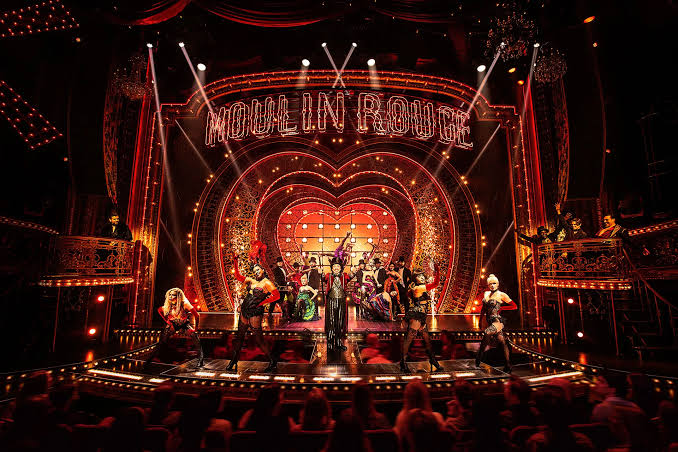
Broadway Show
Seeing Broadway in New York is the real thing. New productions and revivals keep opening, so the choices change from one trip to the next while the standard stays ridiculously high. Orchestra students get an added layer of appreciation knowing there are professional musicians beneath the stage making every performance happen in real time.
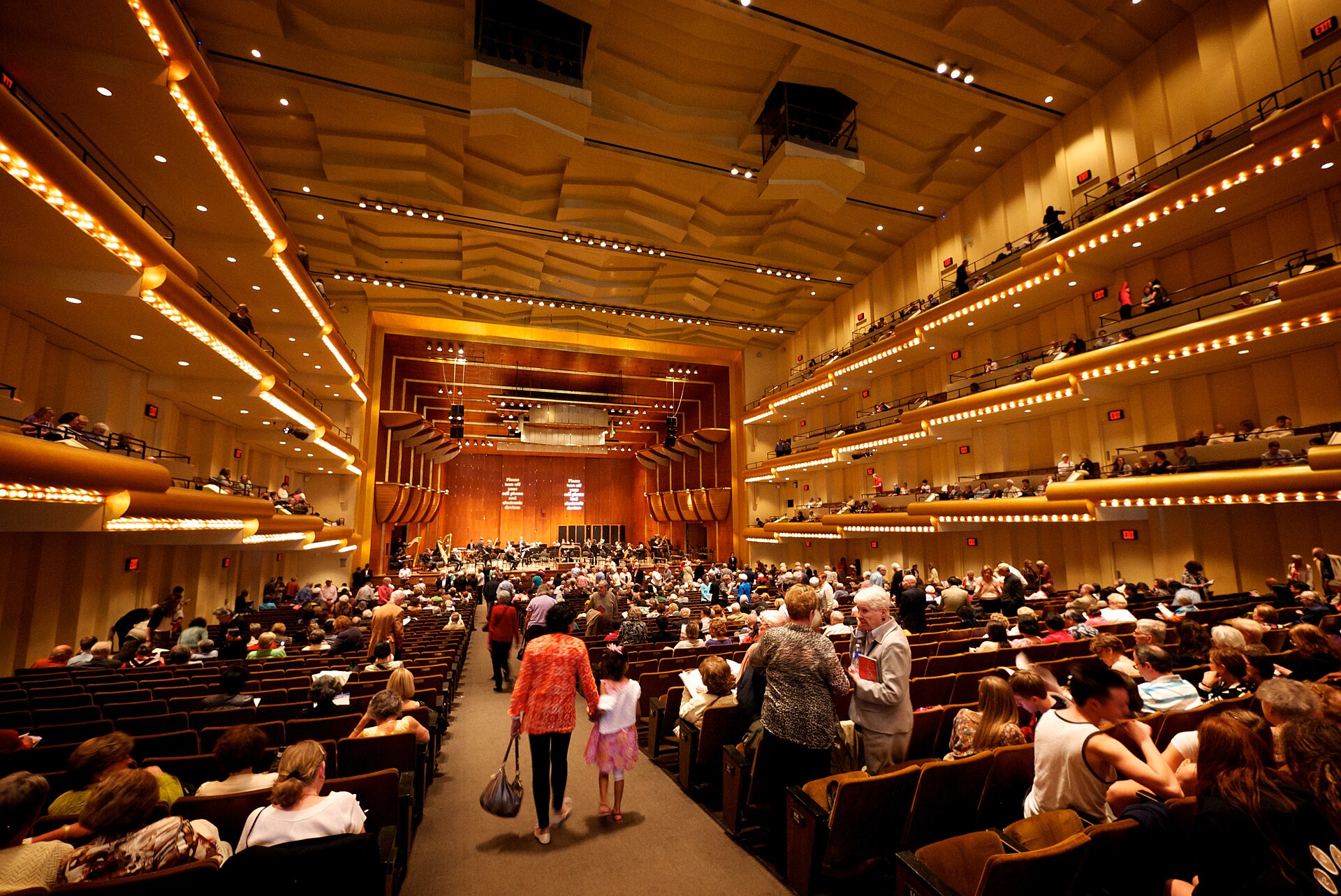
New York Philharmonic
David Geffen Hall gives students the chance to hear orchestral playing at a level most have only encountered through recordings. The New York Philharmonic brings precision and personality together in a way that makes even familiar repertoire feel newly alive. A night here can quietly change what students think is possible from the ensemble sitting in front of them.
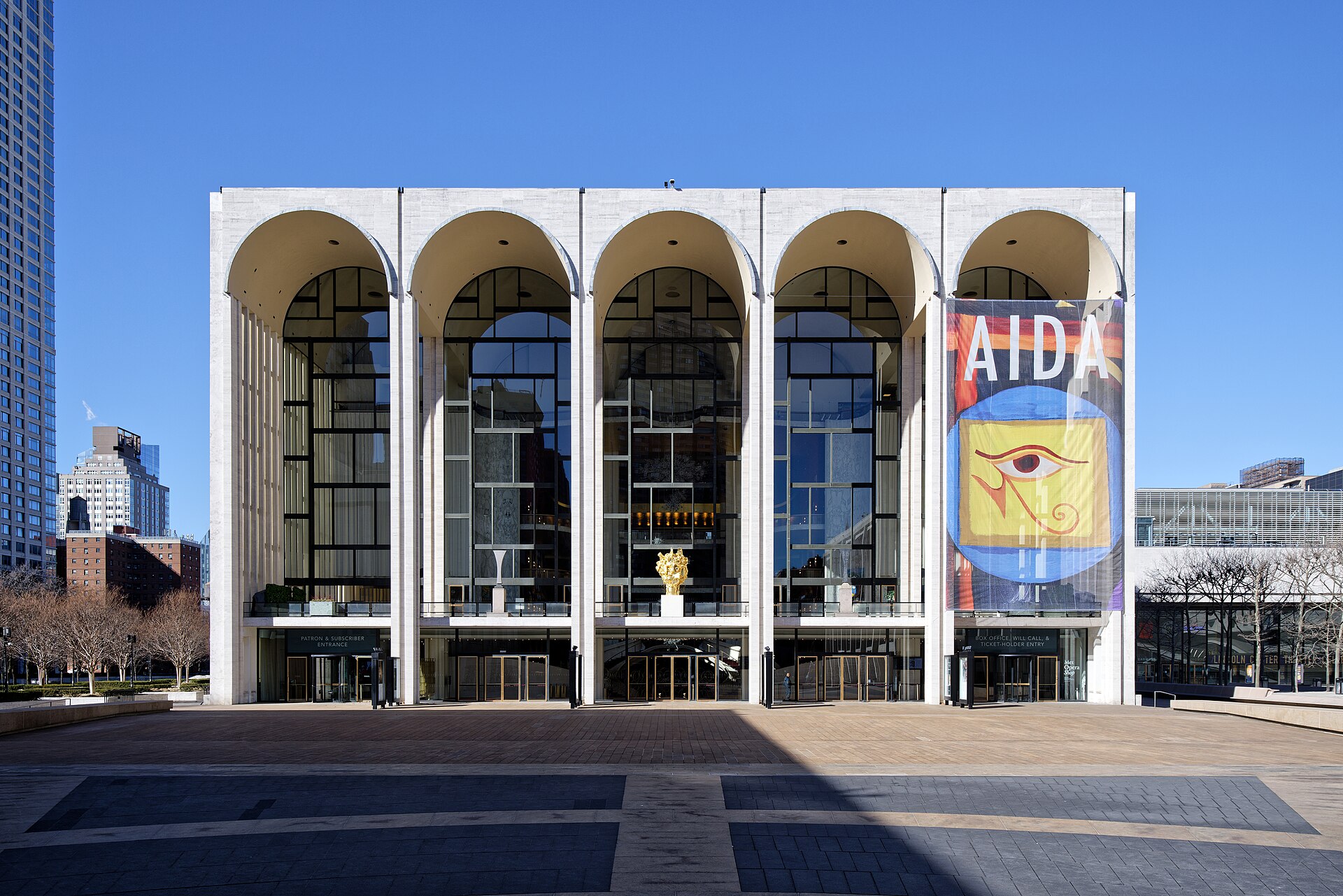
Metropolitan Opera
The Met does not do small. Voices fill an enormous house while the orchestra drives everything underneath them, and the scale of the production makes even a first-time opera audience understand why this art form has survived for centuries. Students may arrive unsure whether opera is “their thing” and leave talking about it anyway.
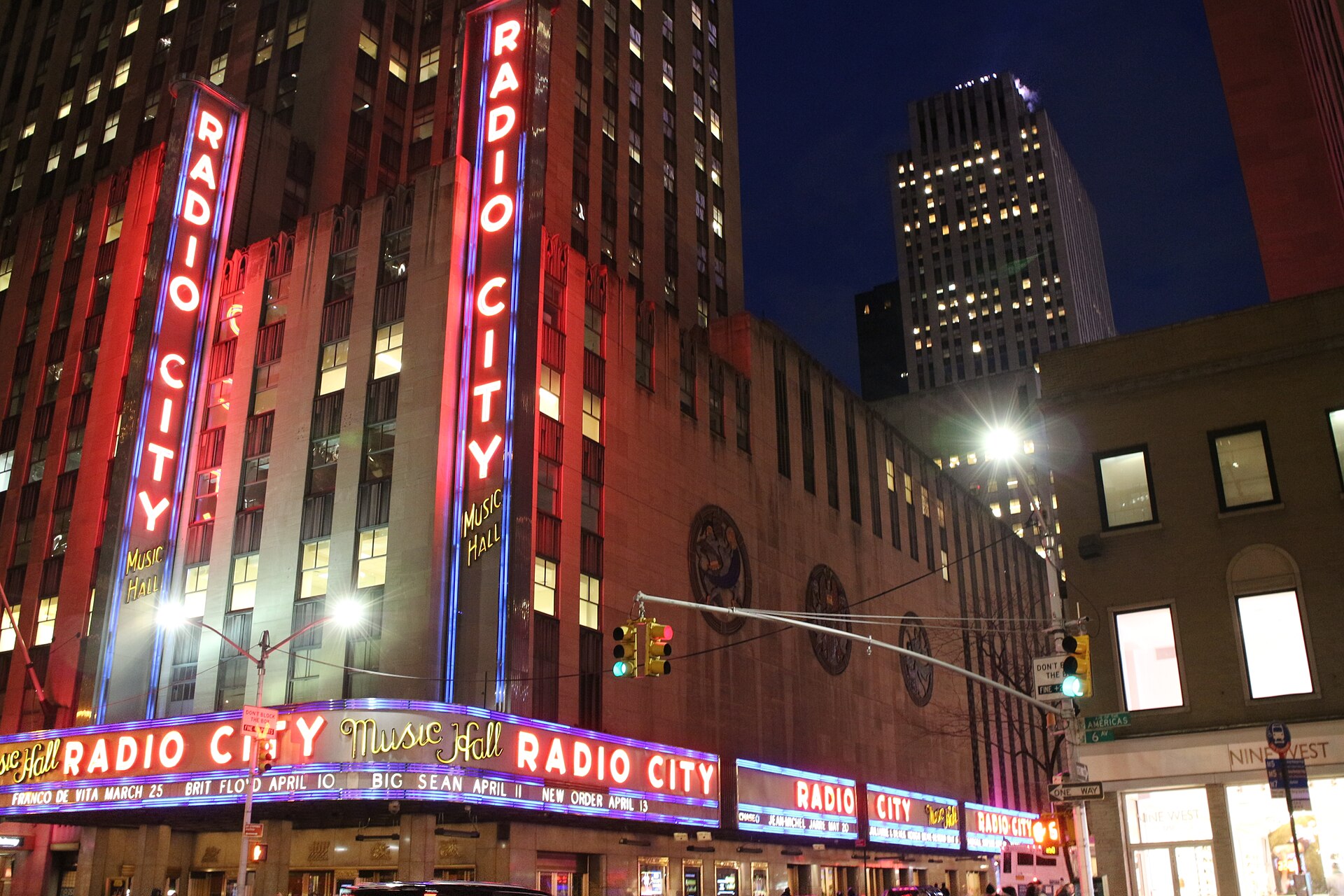
Radio City Music Hall
Go behind the scenes at one of New York’s great entertainment landmarks instead of simply seeing it from Sixth Avenue. Students get inside the auditorium, learn how the enormous Great Stage works, and see parts of Radio City the regular audience never reaches. Then comes the part they will probably remember best: meeting a Radio City Rockette.
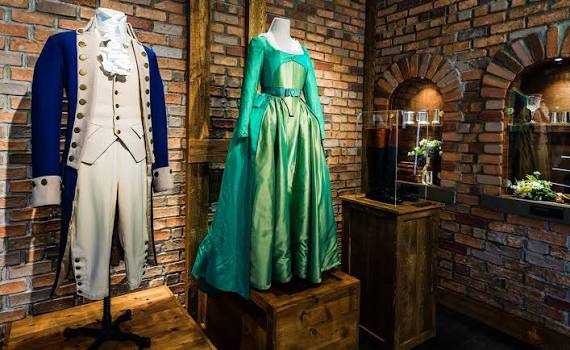
Museum of Broadway
Broadway history becomes much more interesting when students can walk through it instead of reading a timeline. The Museum of Broadway puts the shows, creators, backstage innovations, and changing styles of the theatre district into a space that feels playful rather than academic. It is especially fun after students have already seen a show and suddenly recognize how much history sits behind what happened onstage.
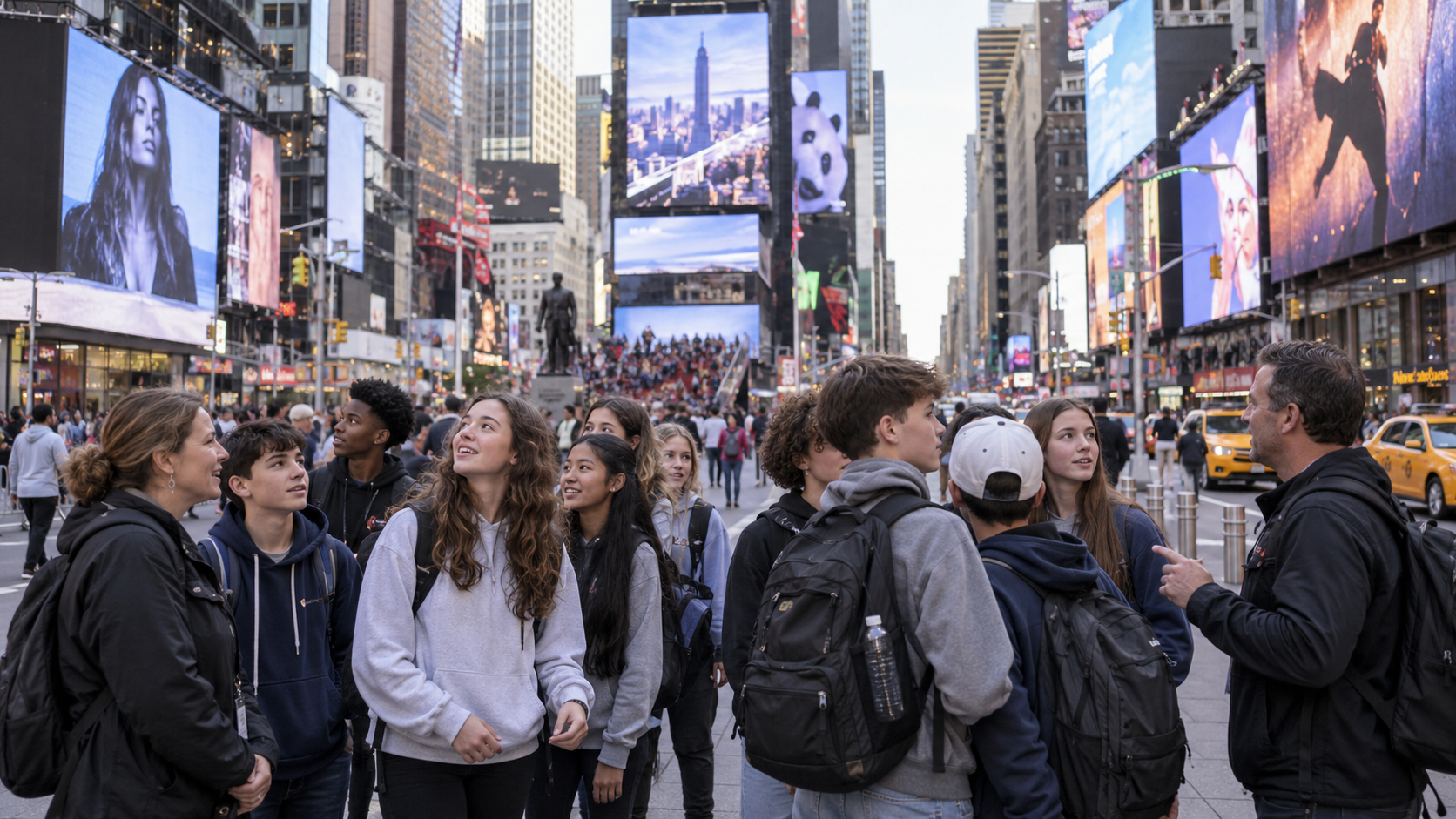
Times Square
Subtle it is not. Times Square hits students with the version of New York they have seen in movies for years, except the lights are brighter and the crowds are somehow bigger in person. Give them a little time to take it all in and the inevitable photos happen without needing much encouragement.
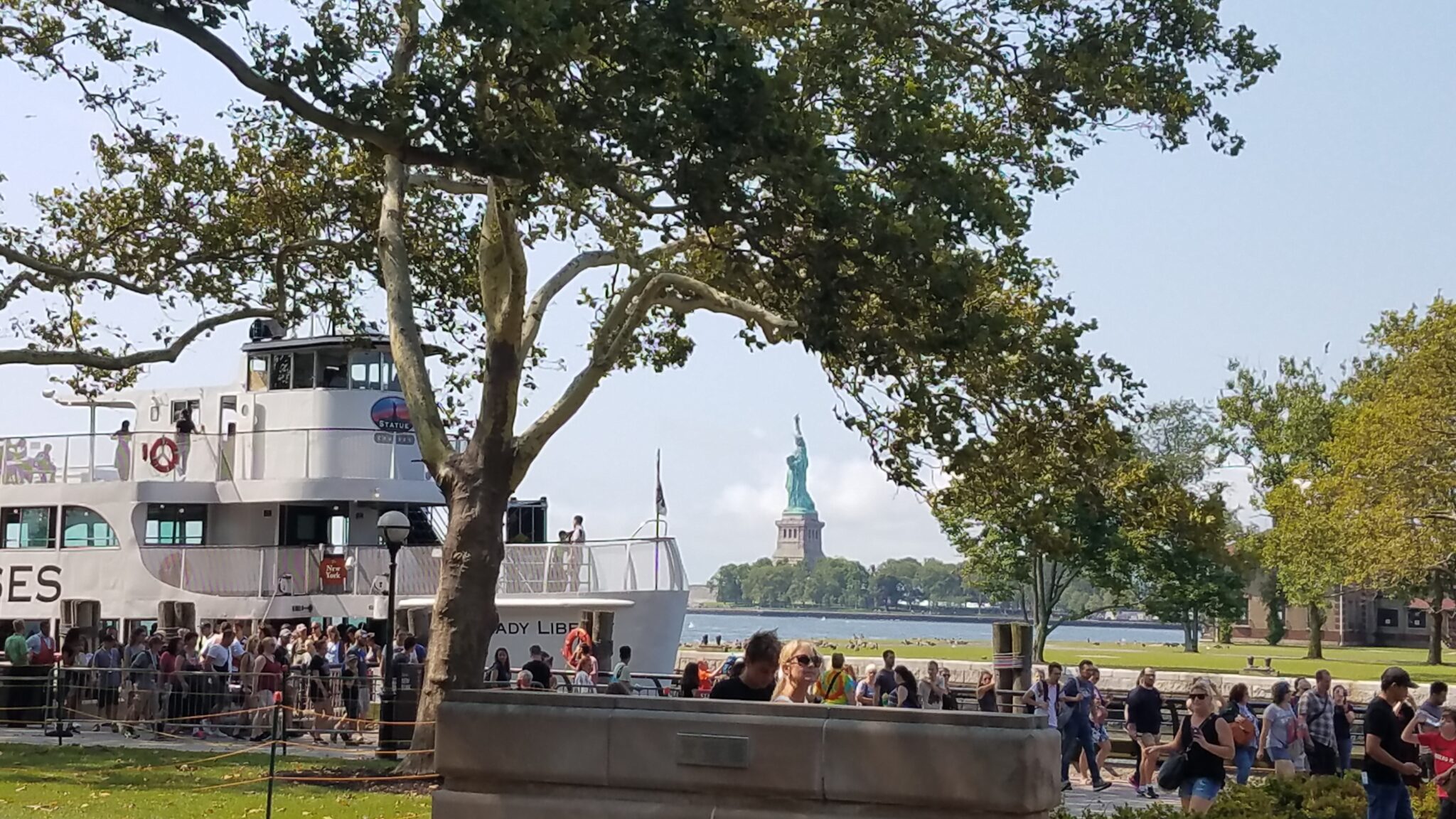
Statue of Liberty & Ellis Island
Seeing the Statue of Liberty from the harbor is powerful. Ellis Island makes the story personal. Students begin to connect one of America’s most familiar symbols with the real people who passed through nearby hoping for something different from the lives they left behind. It is one of the places in New York where history stops feeling distant very quickly.
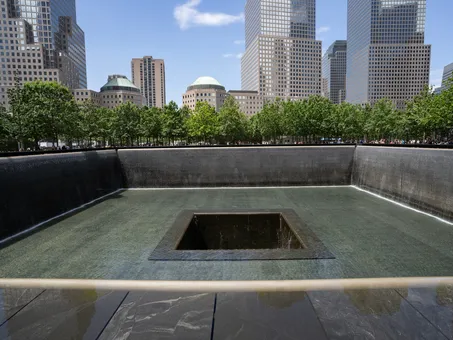
9/11 Memorial & Museum
This is a stop that deserves time and space. The Memorial makes the scale of the loss visible before students even enter the museum, while the stories inside bring the day down to individual people and choices. Many students were born long after September 11, which makes experiencing the site itself increasingly important.

Intrepid Museum
An aircraft carrier parked in Manhattan already has a head start on being interesting. Once aboard, students can move through a ship that served in World War II and Vietnam while seeing aircraft up close and getting a much better sense of what life aboard something this enormous actually required. It is history with steel under your feet instead of glass between you and the story.
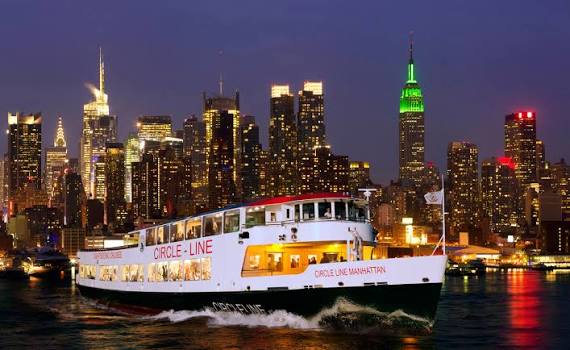
New York Harbor Dinner Cruise
New York looks especially good from the water after dark. Add dinner and a DJ, and the sightseeing quickly turns into one of the most relaxed nights of the trip. Students can dance while Manhattan glows behind them, then step outside when they need proof that yes, the Statue of Liberty really is right there.

Central Park
Central Park is where New York finally gives everybody a little room. The skyscrapers never feel far away, but the pace changes once students are inside. It is perfect for wandering, people-watching, taking photos, or simply letting a group spend an hour without feeling like every second needs an admission ticket attached to it.
Observation Decks
New York makes a lot more sense from above. Whether the group chooses Edge, Empire State, One World, or Top of the Rock, suddenly Manhattan stops feeling like an endless maze of streets and becomes a city students can actually see as a whole. Directors can choose the experience that best fits the itinerary, while students mostly debate who is willing to stand closest to the glass.
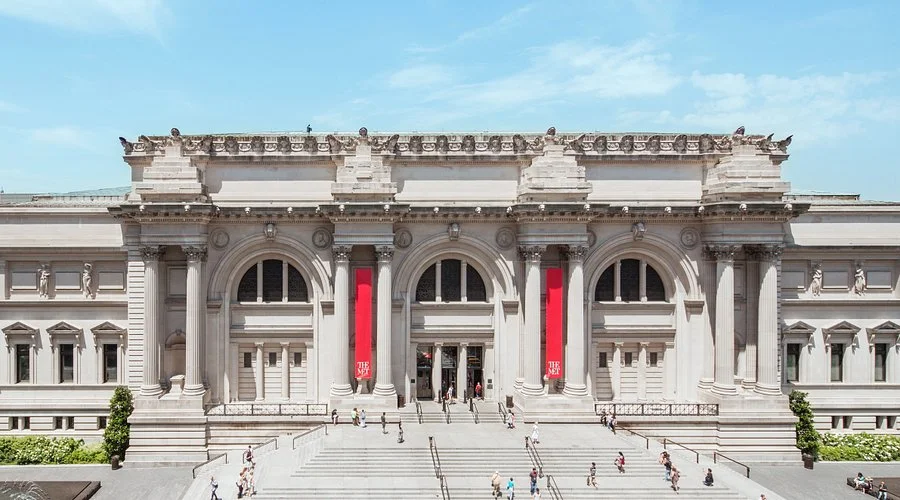
The Metropolitan Museum of Art
The Met is enormous enough that nobody is going to see everything, and that is part of the appeal. Students can wander toward whatever catches them and end up face-to-face with works they have seen reproduced for years. Seeing the real object changes the experience, especially when they realize somebody made it centuries before anyone could zoom in on a screen.
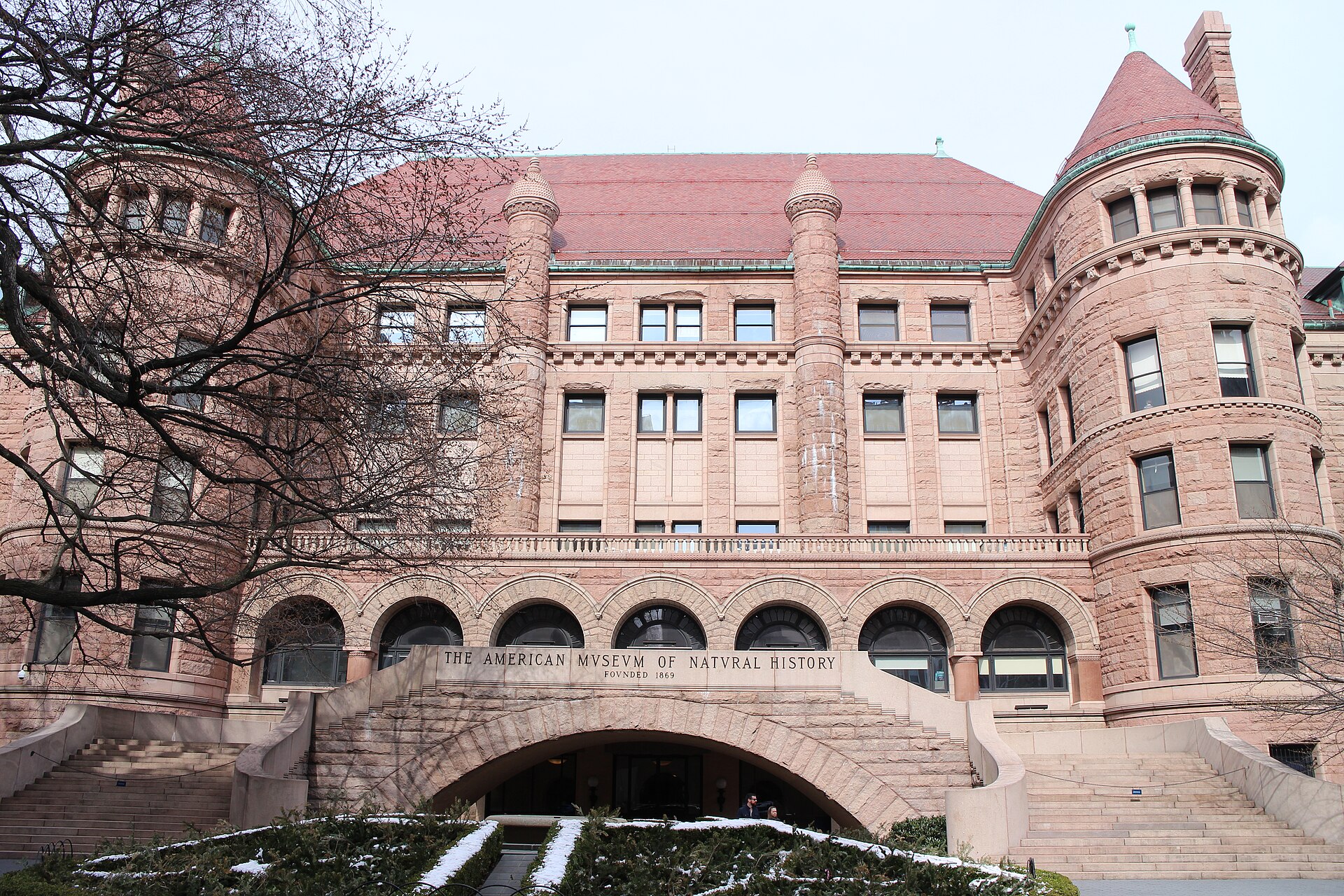
American Museum of Natural History
Dinosaurs tend to win the opening argument, but the museum has a way of pulling students much farther than they planned to go. The scale of the collections makes the natural world feel almost impossibly broad, and there is always another room that makes somebody stop and say, “Wait, come look at this.”
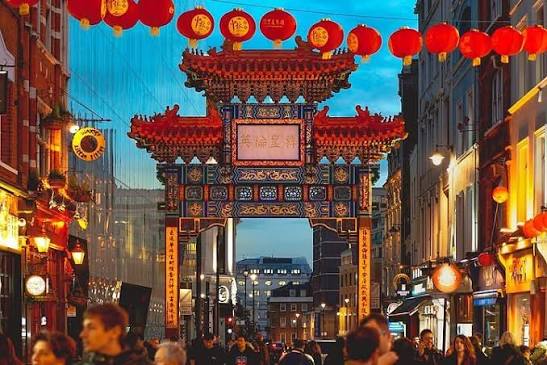
Chinatown & Little Italy
A few blocks can change the feel of New York completely. Chinatown and Little Italy give students a chance to experience neighborhoods shaped by generations of immigration and still very much alive today. The food helps, obviously, but the real appeal is seeing how distinct communities can grow right beside one another and both become part of the city’s identity.
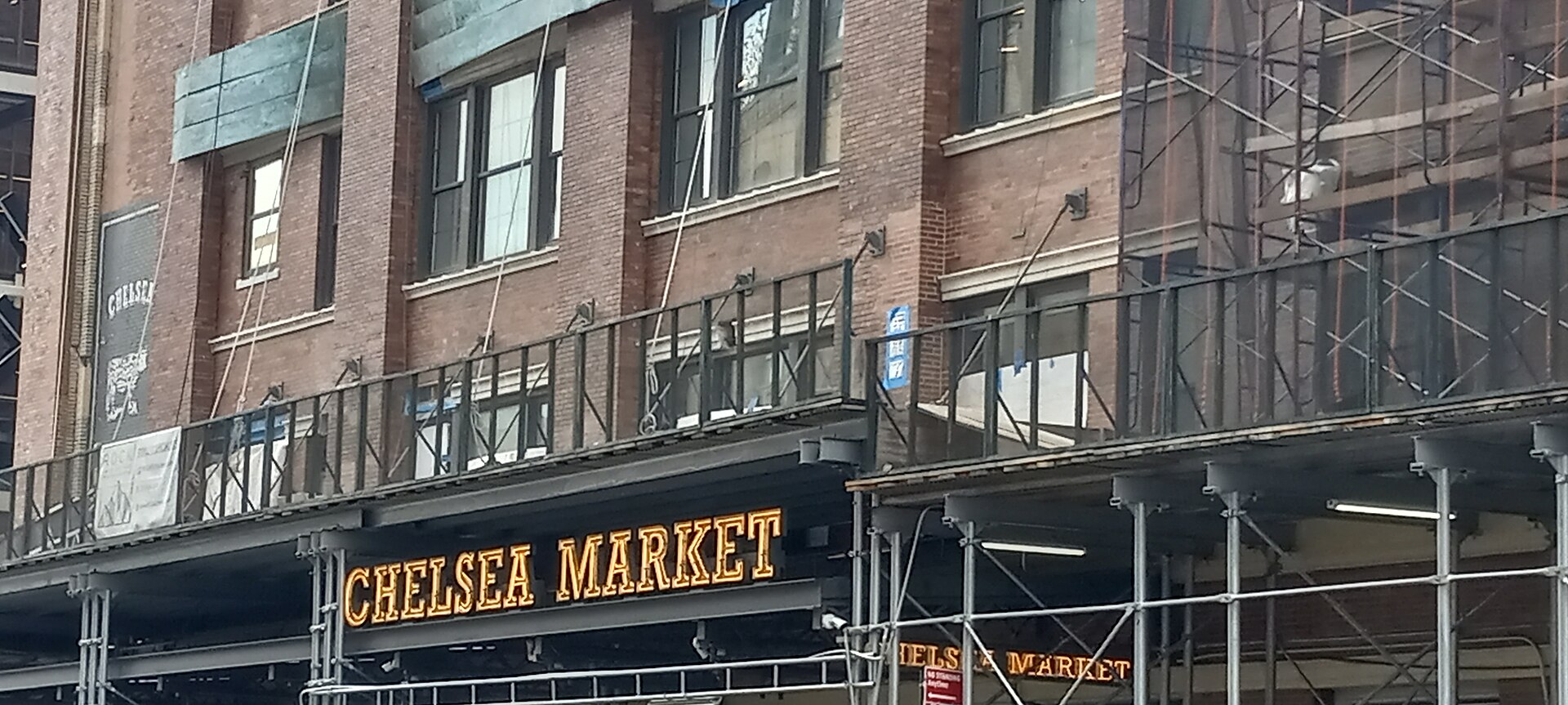
Chelsea Market
Chelsea Market is the kind of stop teenagers understand immediately. Give them some freedom, point them toward the food, and let the building do the rest. It feels unmistakably New York without requiring a guided tour, and pairing it with a walk on the nearby High Line turns a meal break into a chance to experience the city from a completely different angle.
Ways to Shape the Trip

From Pit to Playbill
Lean into the part of New York where orchestra meets theatre. Work with Broadway professionals, get inside a pit score, see how a major production runs, and then watch it all come together from the audience. Students get a close look at a professional world where orchestral technique has to serve story, timing, performers, and the demands of live theatre eight times a week.

Masterworks in Manhattan
Build the trip around hearing orchestral music at its highest level. The New York Philharmonic, Metropolitan Opera, Carnegie Hall, and the city’s conservatories give students a front-row look at the traditions they spend all year studying. The goal is not to make the trip feel formal. It is to let students hear what happens when the repertoire they know is placed in the hands of musicians who have made it their life’s work.

New York, New Ears
Bring the orchestra ready to play, listen, and come home better. A public performance can sit beside a university clinic, Philharmonic musician session, adjudicated festival, or Orpheus chamber experience, giving students several chances to hear their own ensemble through somebody else’s ears. New York supplies an absurd amount of musical expertise, so directors can build the work around exactly what their orchestra needs.

The Everything Bagel
Some directors are not interested in choosing one version of New York. Fair enough. Give the orchestra a serious musical experience, throw in Broadway, let the city surprise them, and make room for the kind of New York moments nobody planned in advance. It is a little classical, a little theatrical, a little chaotic, and somehow all of it belongs together.

Ready to Bring Your Orchestra to New York?
Give your orchestra Broadway pits, symphonic excellence, chamber artistry, landmark venues, and New York itself in one carefully planned performance journey.
Availability note: Performance opportunities, clinics, workshops, festivals, parades, and special events vary by destination and are subject to availability, eligibility, ensemble size, season, technical requirements, and final approval.
Photo credits: Josie Robertson Plaza at Lincoln Center by Thomas Roessler (CC BY-SA 3.0); Empire State Building by Dllu (CC BY-SA 4.0); One Times Square by chensiyuan (CC BY-SA 4.0); Naumburg Bandshell at Central Park by Mike Peel (CC BY-SA 4.0); New York Philharmonic by Jun Seita (CC BY 2.0); Metropolitan Opera by D. Benjamin Miller (CC0); Radio City Music Hall by Suicasmo (CC BY-SA 4.0); American Museum of Natural History by Suicasmo (CC BY-SA 4.0); Chelsea Market by Kidfly182 (CC BY 4.0). Via Wikimedia Commons.