

Orchestra Travel: Washington, DC
Bows Beyond the Capitol
Why Washington, DC for Orchestras?
Washington, DC gives orchestra students access to a musical world that feels bigger than the school concert hall. They can hear the National Symphony Orchestra at the Kennedy Center and learn from university faculty or musicians connected to the nation’s military ensembles. The level of playing around them raises the bar in a very real way.
Performance opportunities can feel just as special. DC offers settings that make the concert feel like part of the destination rather than something squeezed into the itinerary. Students come home having performed and listened at a high level with a much clearer picture of what serious ensemble playing can look like.
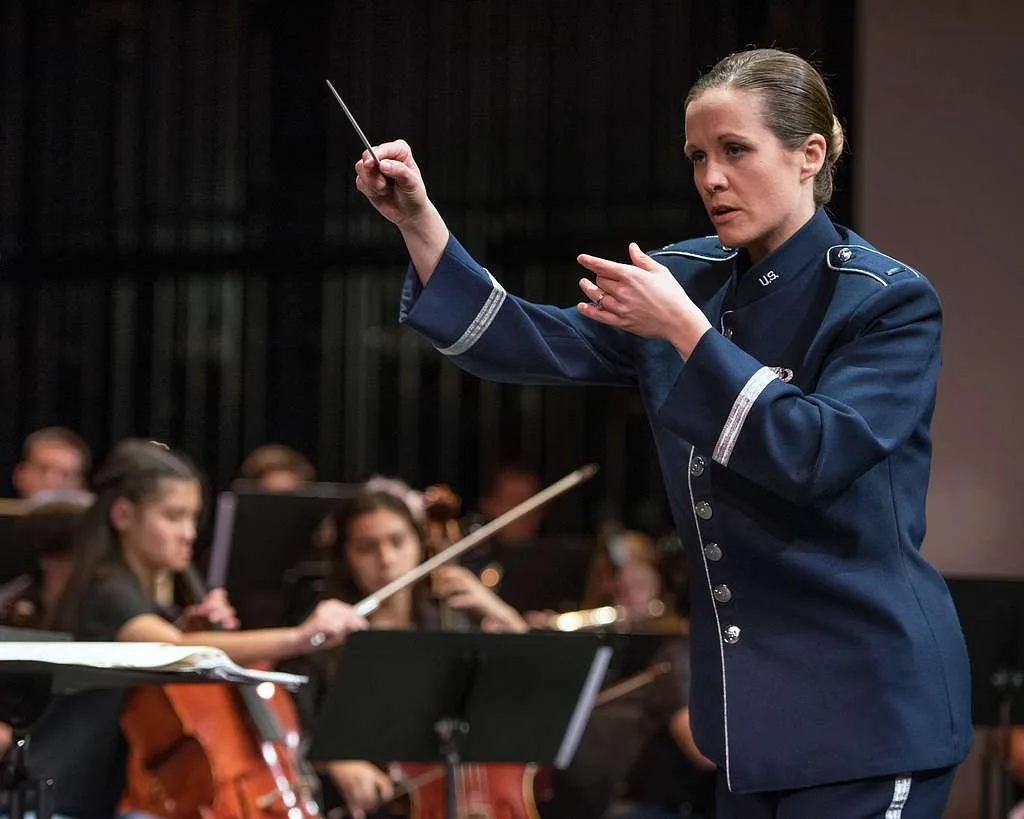
Performance Possibilities
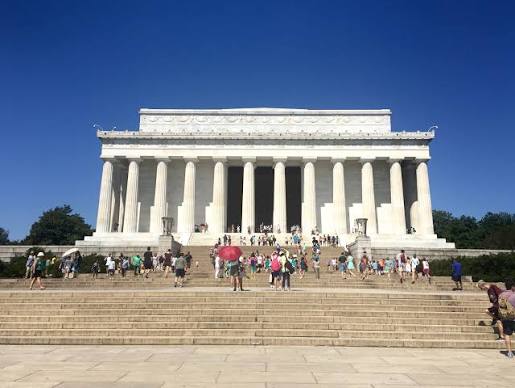
Lincoln Memorial Reflecting Pool Steps
Perform with the Lincoln Memorial rising behind the ensemble and the Reflecting Pool stretching toward the Washington Monument. It is one of the most recognizable settings in the country and turns a student concert into something that feels unmistakably Washington.
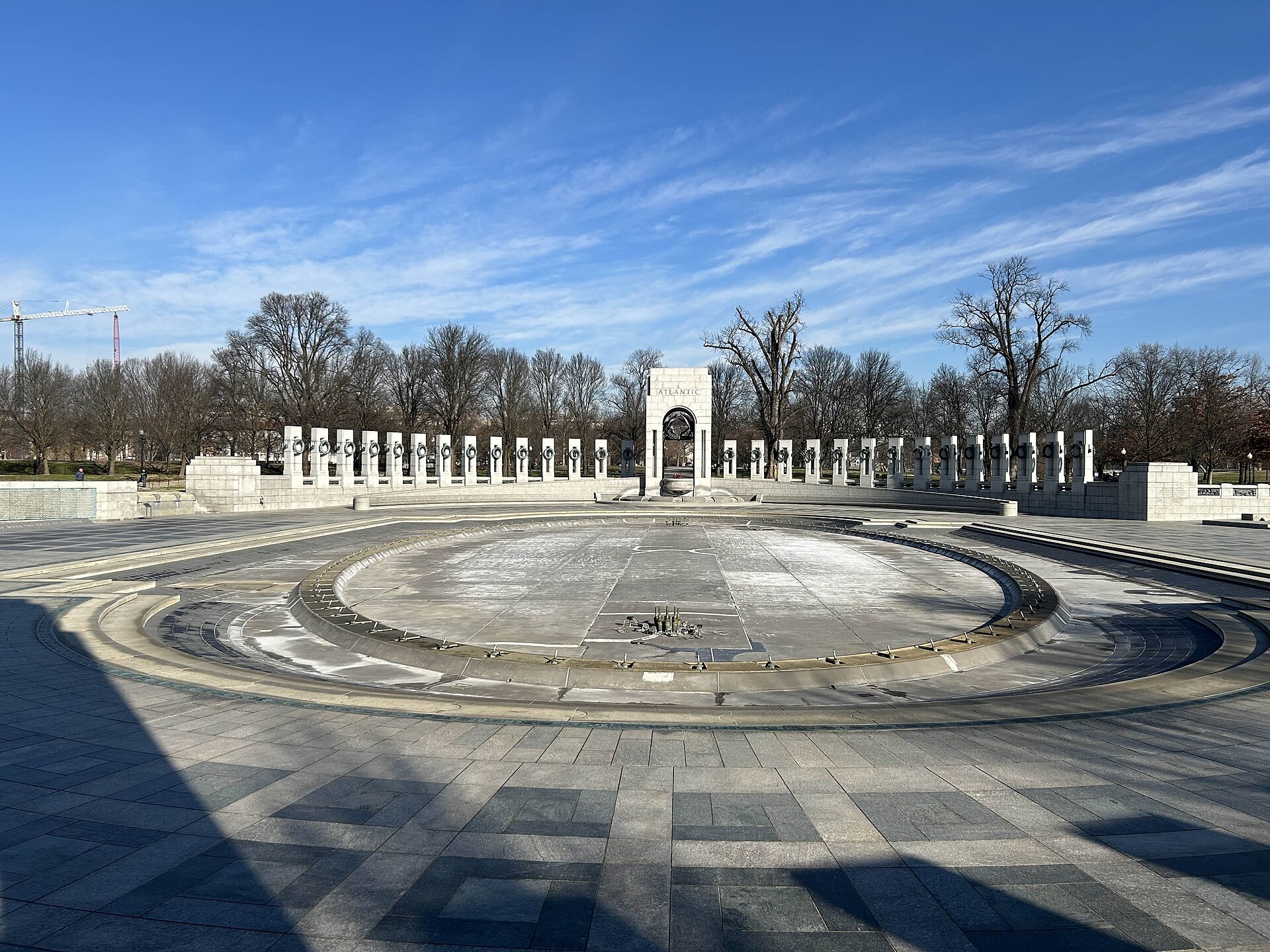
World War II Memorial
An orchestra performance here places students inside a memorial built to honor the Americans who served during World War II. The fountains and stone architecture create a powerful setting for lyrical or patriotic repertoire and give the concert a direct connection to the history surrounding them.
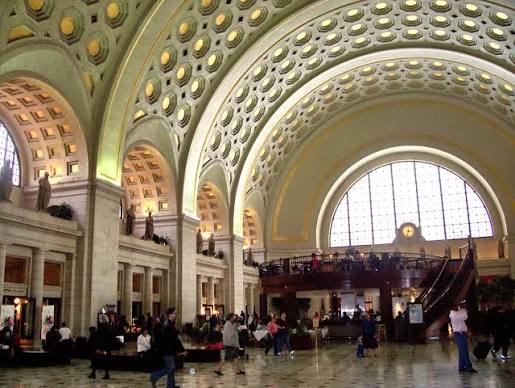
Union Station
Union Station gives students a dramatic indoor setting with soaring architecture and constant energy around them. Performing in the Main Hall puts the orchestra in the middle of one of Washington’s great public spaces and gives travelers the chance to stop and listen as part of their day.
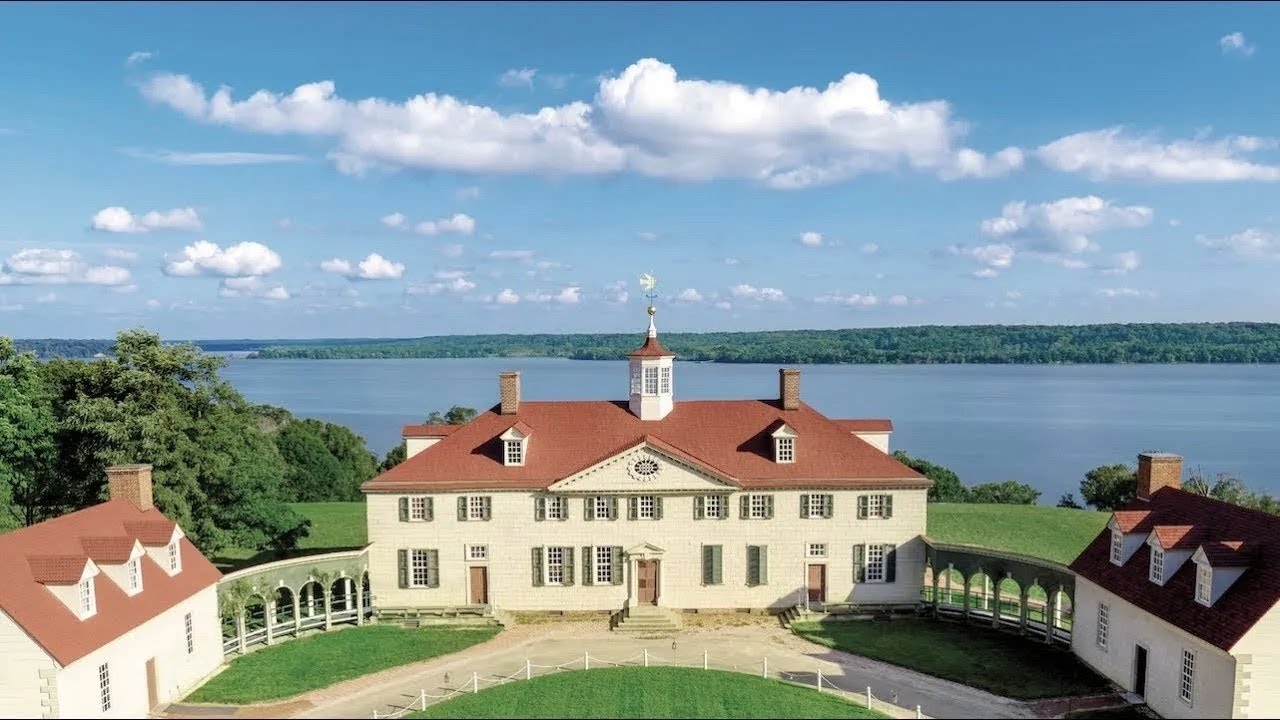
Mount Vernon
Perform outdoors on the grounds of George Washington’s Mount Vernon with one of America’s most important historic homes as the setting. Students make music in a place they have studied for years while visitors move through the estate around them. It is an unmistakably American backdrop for an orchestra performance.
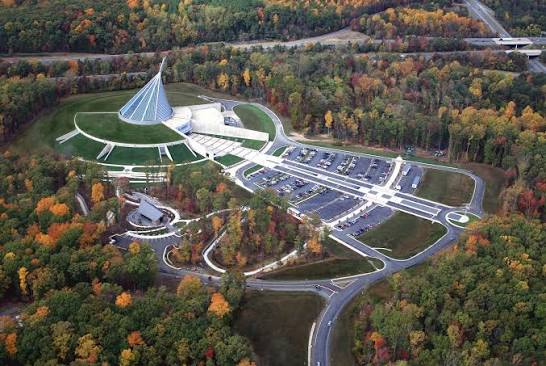
National Museum of the Marine Corps
Perform in the soaring Leatherneck Gallery with historic aircraft surrounding the orchestra and a massive helicopter suspended above the room. The architecture alone is dramatic. Add the aircraft and Marine Corps history and the result is a performance setting students are not going to confuse with any other concert on the trip.
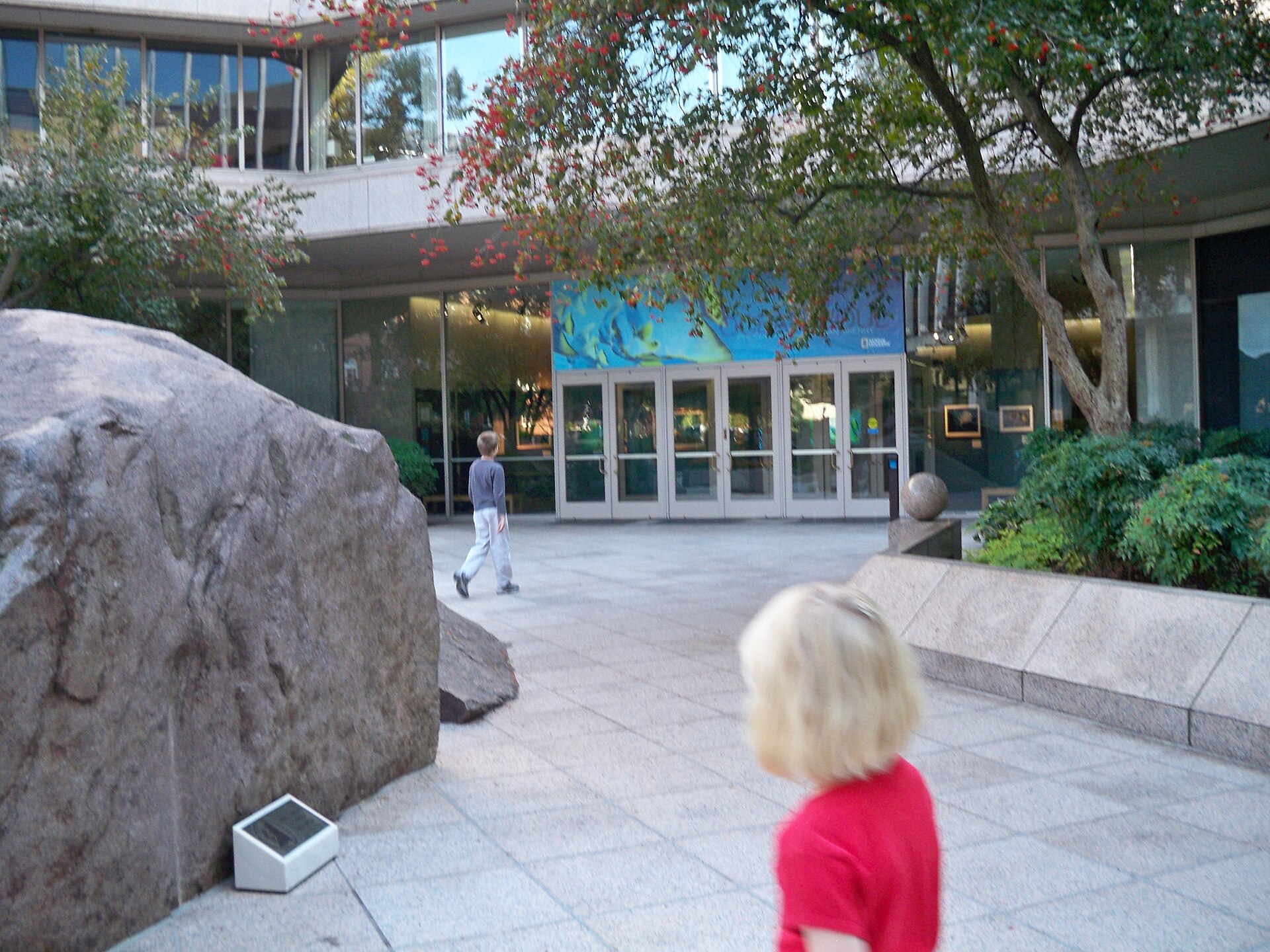
National Geographic Museum of Exploration
Perform inside one of Washington’s newest cultural attractions. The National Geographic Museum of Exploration surrounds students with stories of discovery and exploration while giving the orchestra a modern setting unlike the traditional concert hall. It is the kind of venue that immediately makes the performance feel distinctive.
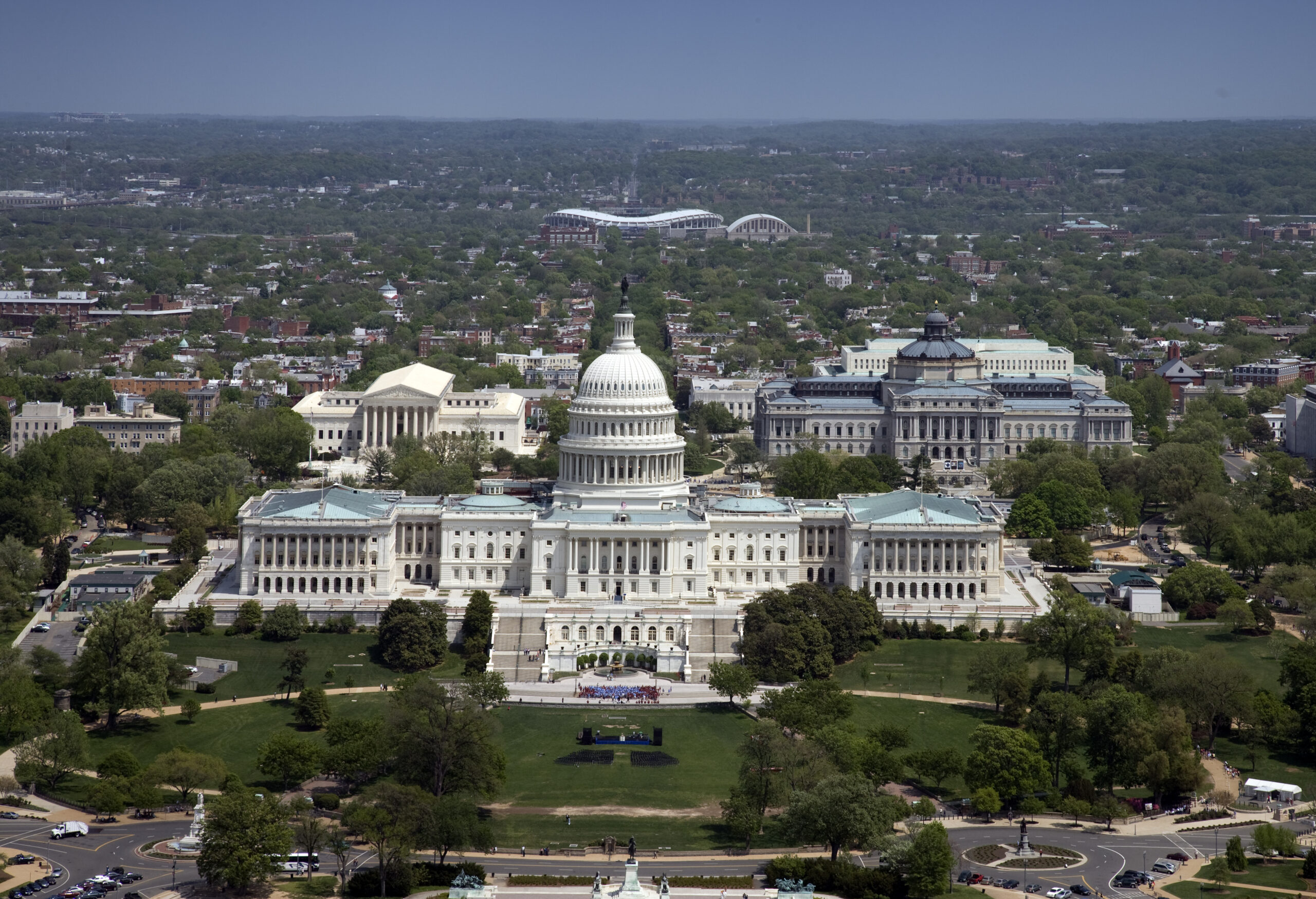
U.S. Capitol Grounds
Perform with the United States Capitol rising behind the orchestra. Beyond the concert itself this is the picture directors send home to families and students frame on the music-room wall. The setting instantly tells the story of where the group traveled and what they accomplished there.
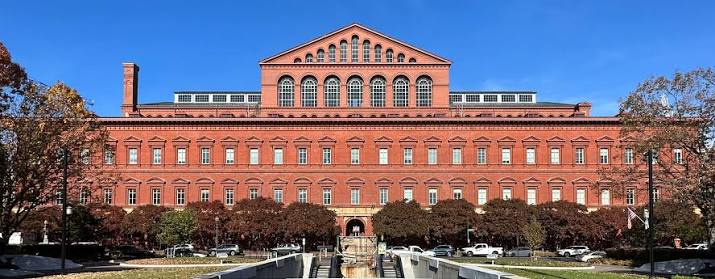
National Building Museum
The Great Hall delivers a true wow moment before the orchestra even begins to play. Eight enormous Corinthian columns tower through the space while balconies and sweeping architecture surround the ensemble. A student orchestra in the middle of that room looks and feels like it belongs in a major ceremonial venue rather than a typical school performance space.
Clinics & Workshops

U.S. Air Force Strings Clinic
Work with professional Air Force string musicians in a clinic built around your orchestra. Students can bring their own repertoire into the room and dig into technique, ensemble playing and musical interpretation with musicians who perform professionally every day. The chance to learn directly from active-duty military musicians makes this an experience that simply feels different from a typical university clinic.

U.S. Air Force Strings Side-by-Side
Put students in the ensemble with professional Air Force musicians and let them experience that level of playing from inside the group. Hearing the sound beside them changes the way students listen and respond while giving them a chance to make music shoulder to shoulder with active-duty professionals. This is exactly the kind of experience that makes Washington stand apart for an orchestra.
U.S. Army Strings Masterclass
Work with professional string musicians from Pershing’s Own in a focused masterclass built around the students in front of them. Players can dig into technique and interpretation while hearing directly from musicians whose careers combine elite performance with military service. It gives students access to a side of professional music they are unlikely to encounter anywhere else.
NSO Musician Masterclass
Put students in the room with a musician from the National Symphony Orchestra for focused coaching on their own playing. A masterclass can dig deeply into technique and musical choices while giving students the chance to ask questions of someone who performs on the Kennedy Center stage. It turns the professional orchestra world from something they watch into something they can actually interact with.
George Mason Orchestra Clinic
Bring the full ensemble into a fresh rehearsal environment with George Mason faculty working directly on the orchestra’s own music. A new set of ears can uncover habits the group no longer notices and give students different ways to think about sound and ensemble playing. The clinic also gives them a look at what orchestral music can become at the college level.
University of Maryland Strings Clinic
Work with experienced university string faculty in a clinic that can push the orchestra beyond its normal rehearsal routine. Students can dig into their own repertoire while getting new ideas about tone and musical decision-making. The setting puts them inside a serious collegiate string program and lets them see where their playing could go next.

Catholic University Orchestra Clinic
Give the orchestra dedicated time with university musicians and educators who can shape the session around the group’s repertoire and goals. Students can work through the details that change an ensemble from simply playing the notes to making a more convincing musical statement. The Washington campus setting adds another strong collegiate perspective to the trip.
Levine Strings Masterclass
Levine offers a more personal coaching environment where students can get close attention from professional string musicians. The session can focus on individual playing or smaller groups and dig into the details that are harder to address in a full rehearsal. It is a strong way to give students direct feedback and time to really work through their playing.
Howard University Orchestra Workshop
Work with musicians at Howard University in a workshop that can bring new repertoire and new perspectives into the room. Howard’s orchestral tradition creates a natural opportunity to explore the work of Black composers alongside the students’ own music. It gives the ensemble strong musical coaching while connecting their playing to a broader part of the American classical tradition.
Beyond the Stage
Washington, DC can fill every hour of a trip with something students actually want to see. They can walk through the Smithsonian and stand beneath monuments they have known by name for years. They can see the Capitol up close and experience the city after dark when the memorials feel completely different. Add Mount Vernon and Arlington to the mix and DC starts to feel less like a school trip destination and more like a place students get to experience for themselves.
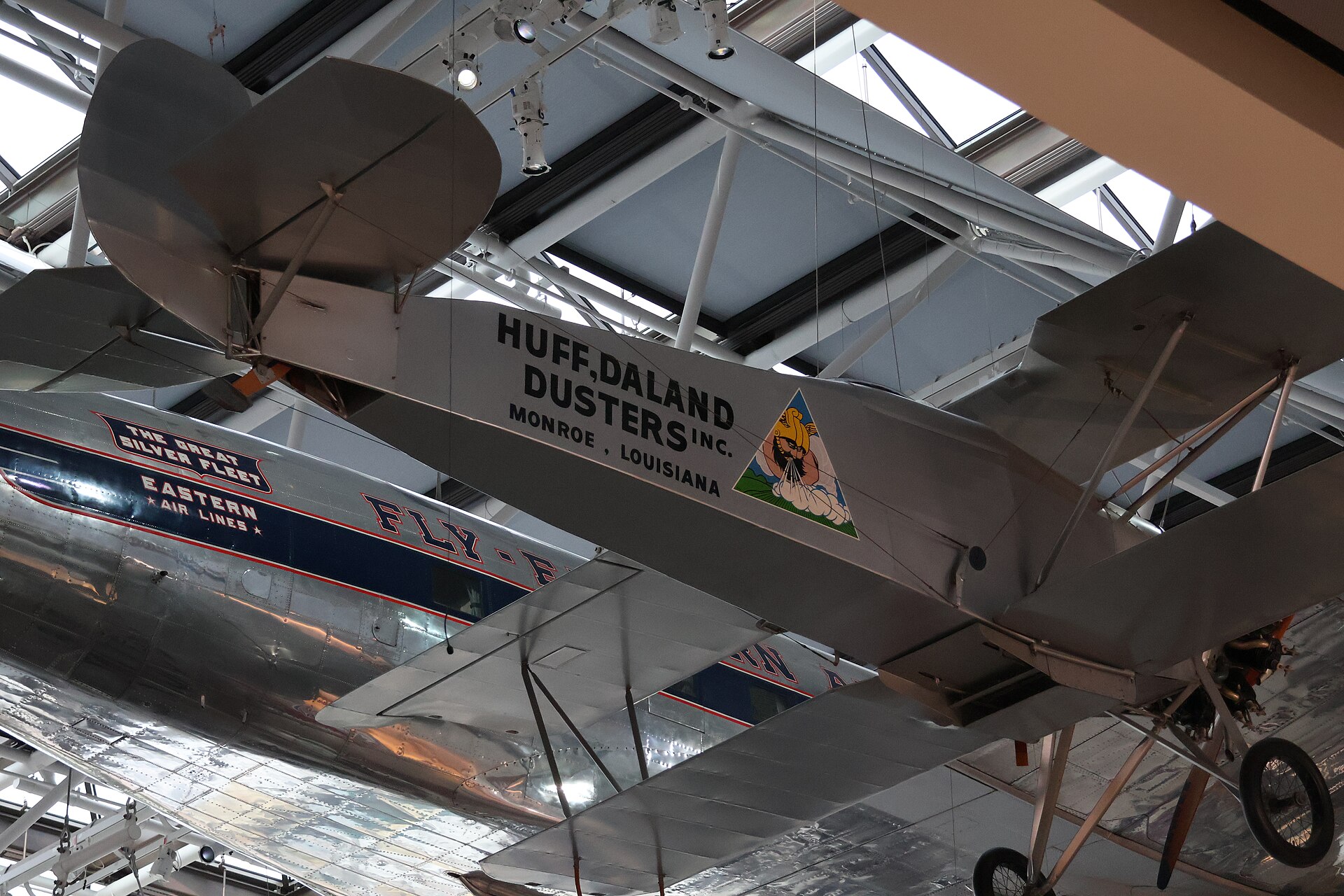
Smithsonian Science & Discovery
Washington gives students access to two museums that can easily become highlights of the trip. Air & Space puts the story of flight and space exploration right in front of them while Natural History opens up an entirely different world of dinosaurs and gems. Groups can choose the museum that fits their students or give them time to explore both.
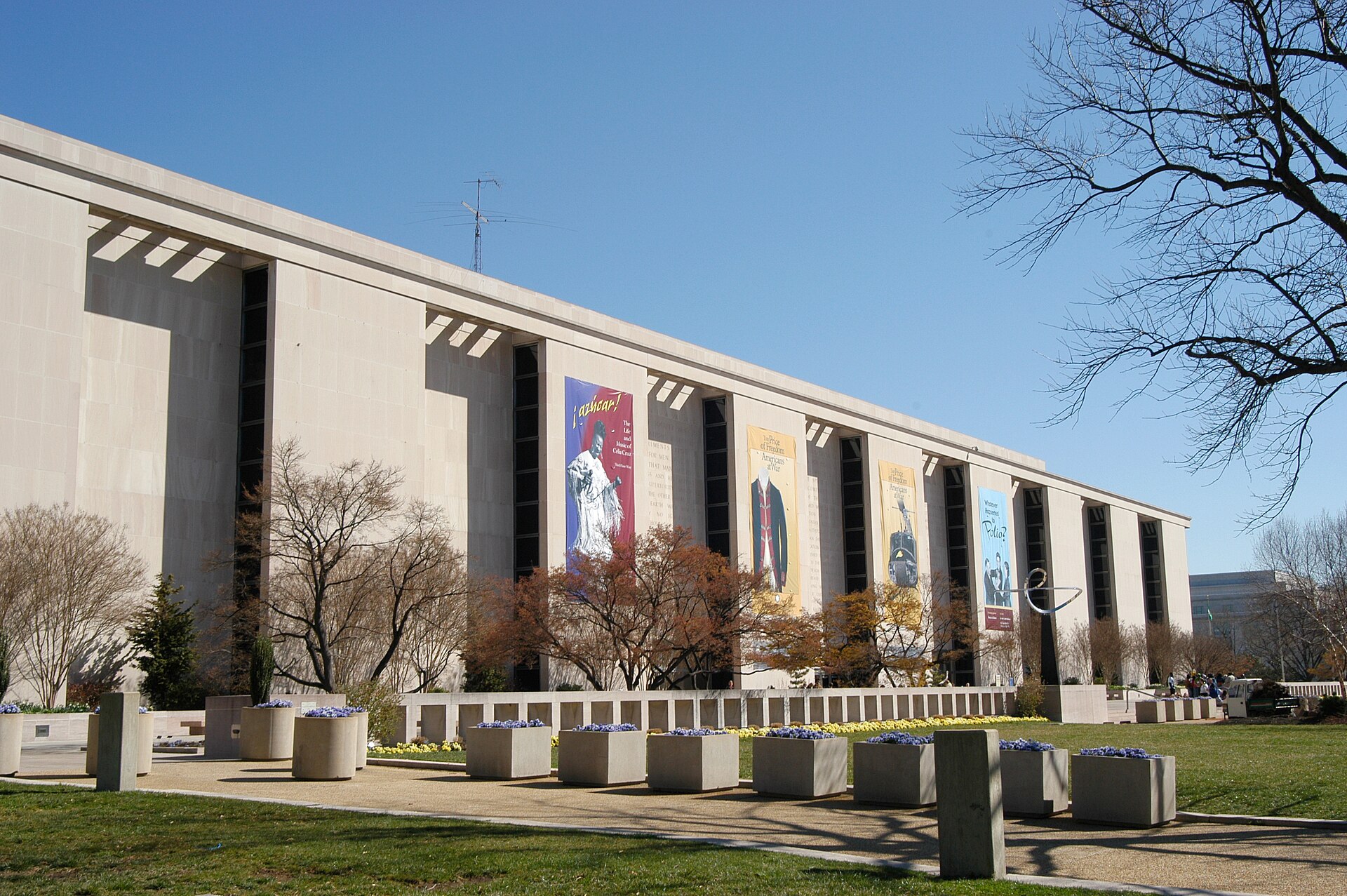
American History Museums
DC lets students encounter American history through the actual objects and places connected to it. See the original Star-Spangled Banner at the National Museum of American History or stand in front of the founding documents at the National Archives. Ford’s Theatre can take the story of Lincoln off the page and put students inside the place where his presidency ended.
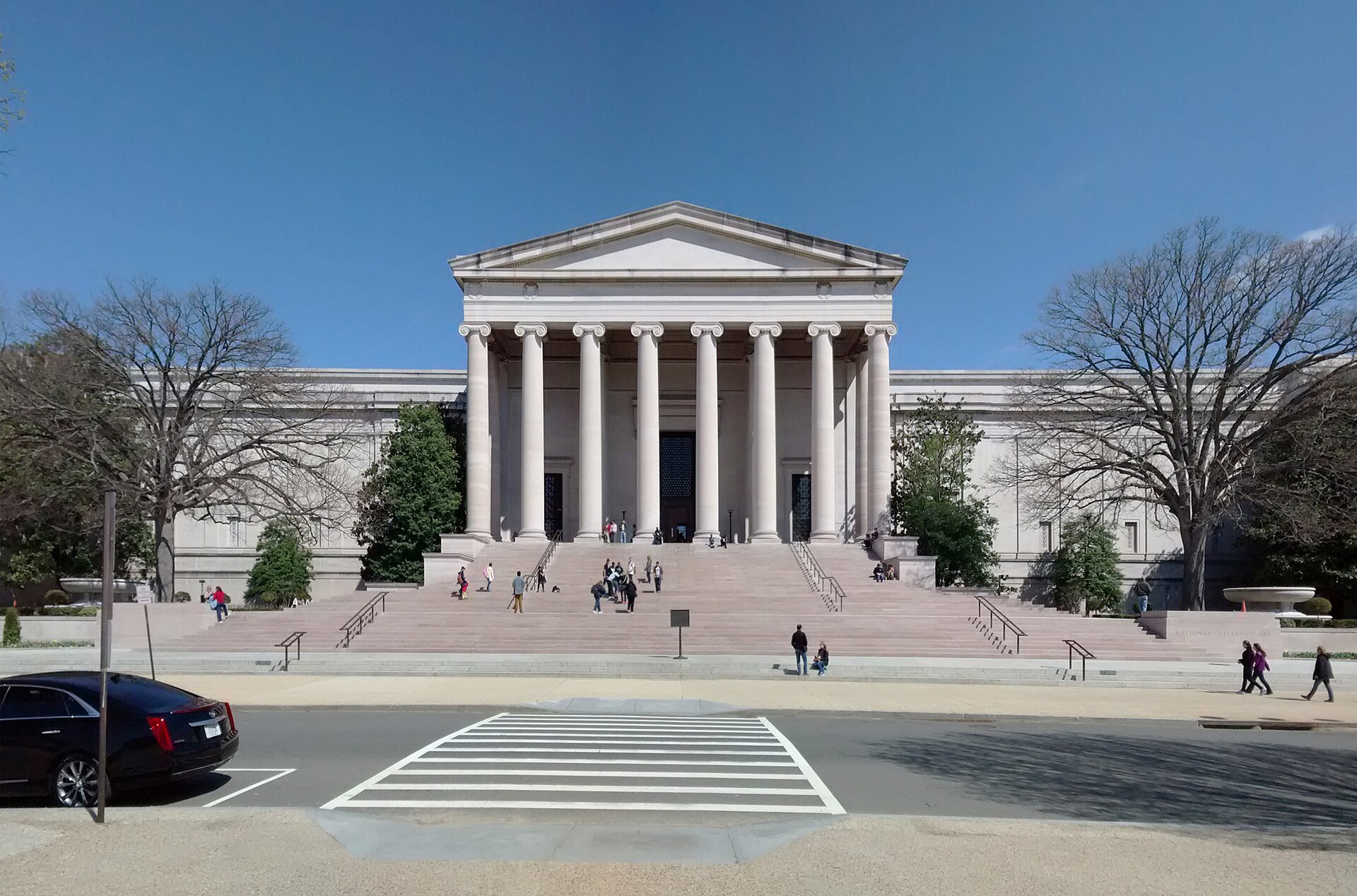
Art Museums
Washington gives students access to world-class collections across several very different museums. The National Gallery can take them through centuries of major works while the Hirshhorn moves firmly into the modern world. The Smithsonian American Art Museum and National Portrait Gallery give groups another way to explore the country through the people who created and shaped it.
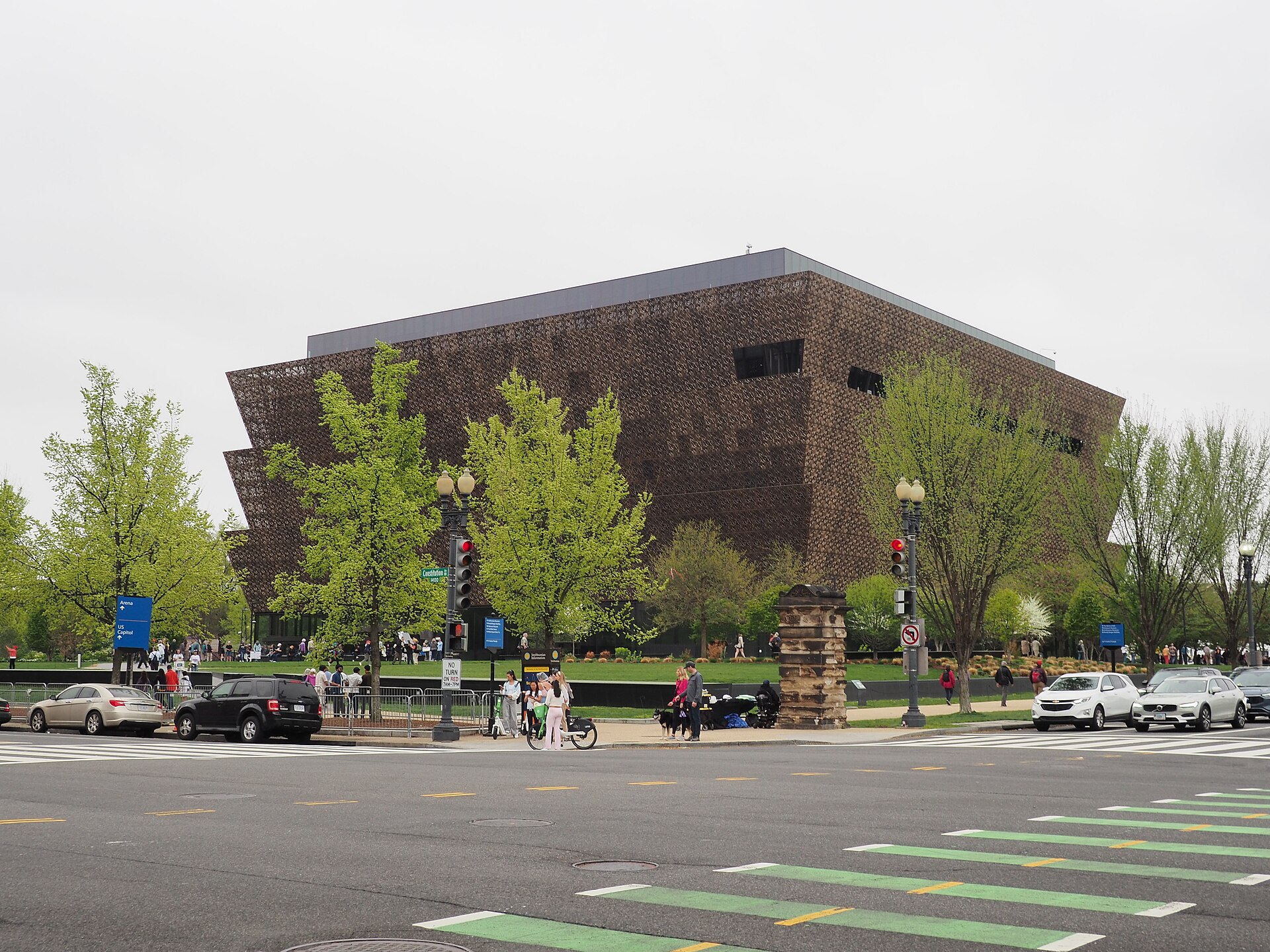
Culture Museums
Some of DC’s most popular museums tell American history through voices that were often pushed to the edges of the story. The National Museum of African American History and Culture brings Black history into sharp focus through extraordinary collections and personal stories. The National Museum of the American Indian gives students another perspective through Native history and living cultures.

Smithsonian National Zoo
The giant pandas alone can get students excited about this stop. The Smithsonian National Zoo adds expansive animal habitats and serious conservation work to the experience. It also gives the itinerary some breathing room after days spent moving through museums and historic sites.
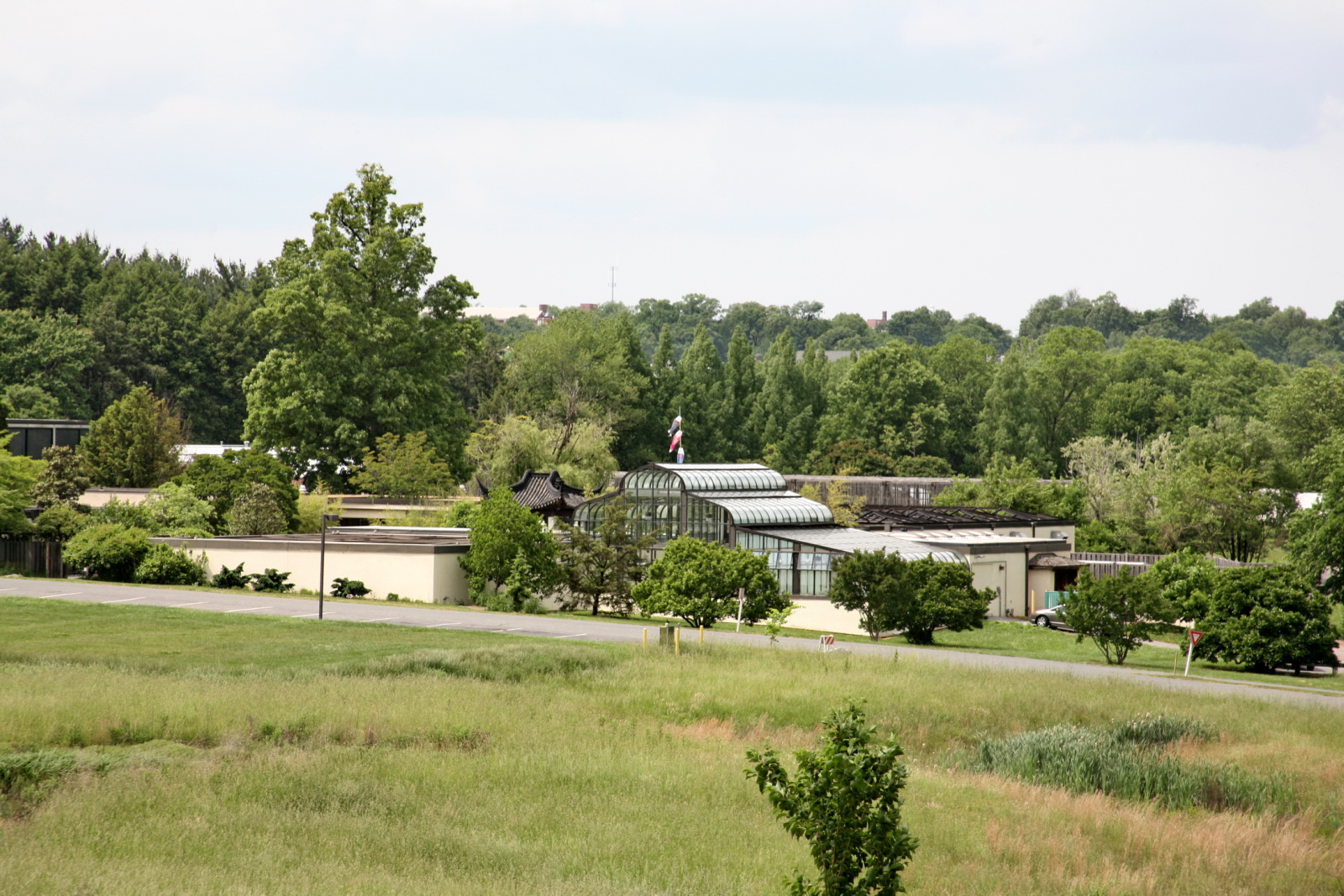
U.S. National Arboretum
The Arboretum gives students a side of Washington that looks nothing like the Mall. The enormous original Capitol Columns now stand in the middle of the landscape and create one of the city’s most unexpected sights. The National Bonsai & Penjing Museum adds an extraordinary collection of living art that can be hundreds of years old.
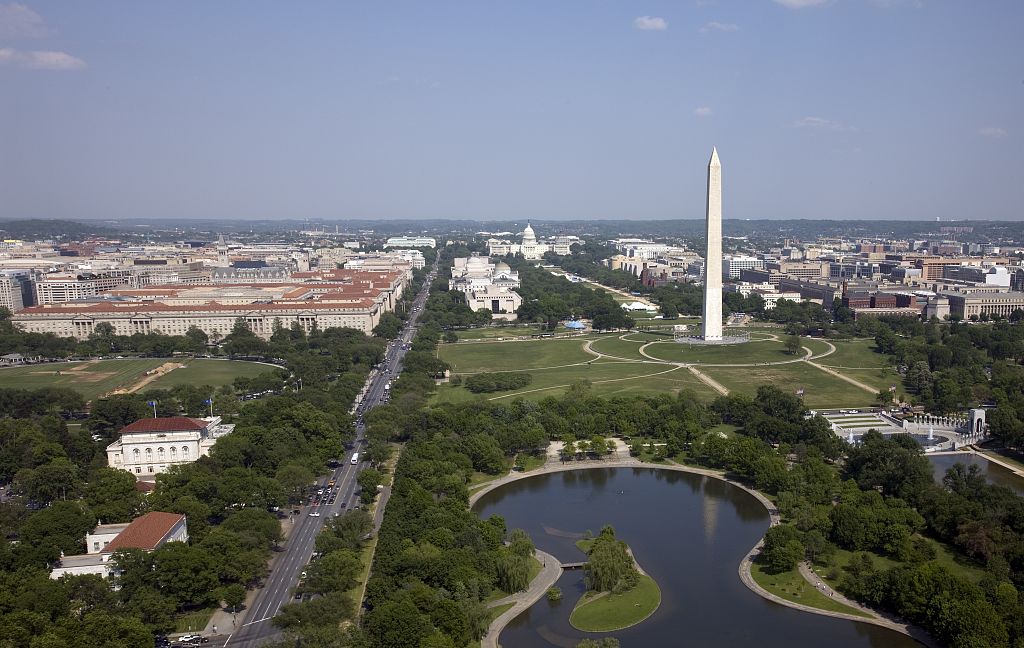
National Mall & Memorials
This is the Washington students have seen in photographs their whole lives. Walking the Mall puts the Lincoln Memorial and Washington Monument at full scale while the war memorials turn names and events from history class into something tangible. There is no screen or textbook that really prepares students for seeing these places in person.
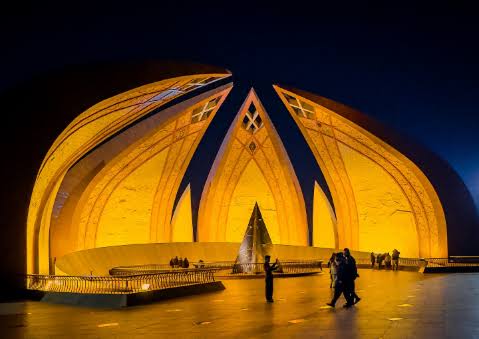
Monuments by Night
Washington changes after sunset. The white marble memorials glow against the dark sky and the crowds begin to thin. Seeing Lincoln or Jefferson illuminated at night gives the group a completely different experience from the daytime tour and makes for a memorable final stop before heading back to the hotel.
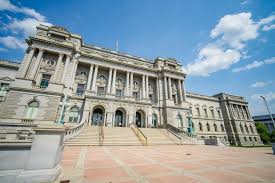
U.S. Capitol & Library of Congress
Start inside the building where Congress meets and then cross over to one of the most spectacular interiors in Washington. The Library of Congress feels almost palatial when students walk into the Great Hall. A look into the Main Reading Room makes it clear that this is far more than a library with a famous name.
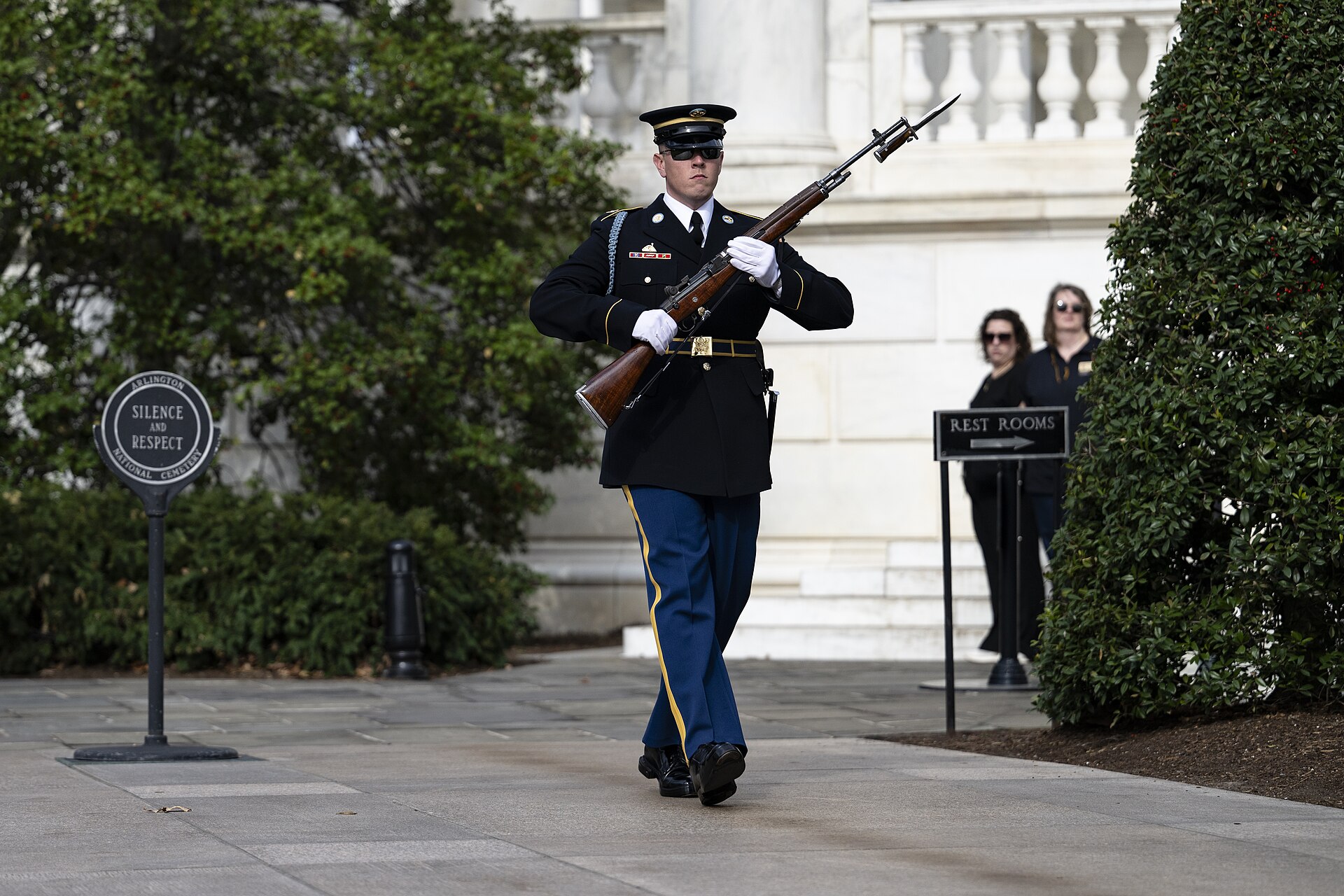
Arlington National Cemetery
Arlington asks students to slow down. Rows of white headstones stretch across the hills while the Tomb of the Unknown Soldier brings them face to face with military service and remembrance. Watching the precision of the Changing of the Guard can hold an entire group completely silent. School groups can also arrange a wreath-laying ceremony at the Tomb.
George Washington’s Mount Vernon
Move beyond the statues and meet George Washington in the place he actually called home. Students can tour the mansion and walk the riverfront estate while learning about Washington’s private life and the enslaved people whose labor sustained Mount Vernon. The setting gives them a fuller picture of the person behind the monument.
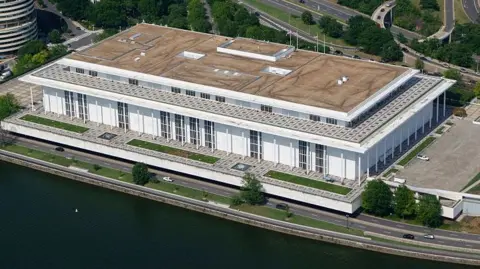
Kennedy Center
Give students a real night at the theater in the nation’s performing arts center. Depending on the calendar that might mean the National Symphony Orchestra or another major production on one of the Kennedy Center stages. The building and its riverfront setting make the evening feel like an occasion before the performance even starts.
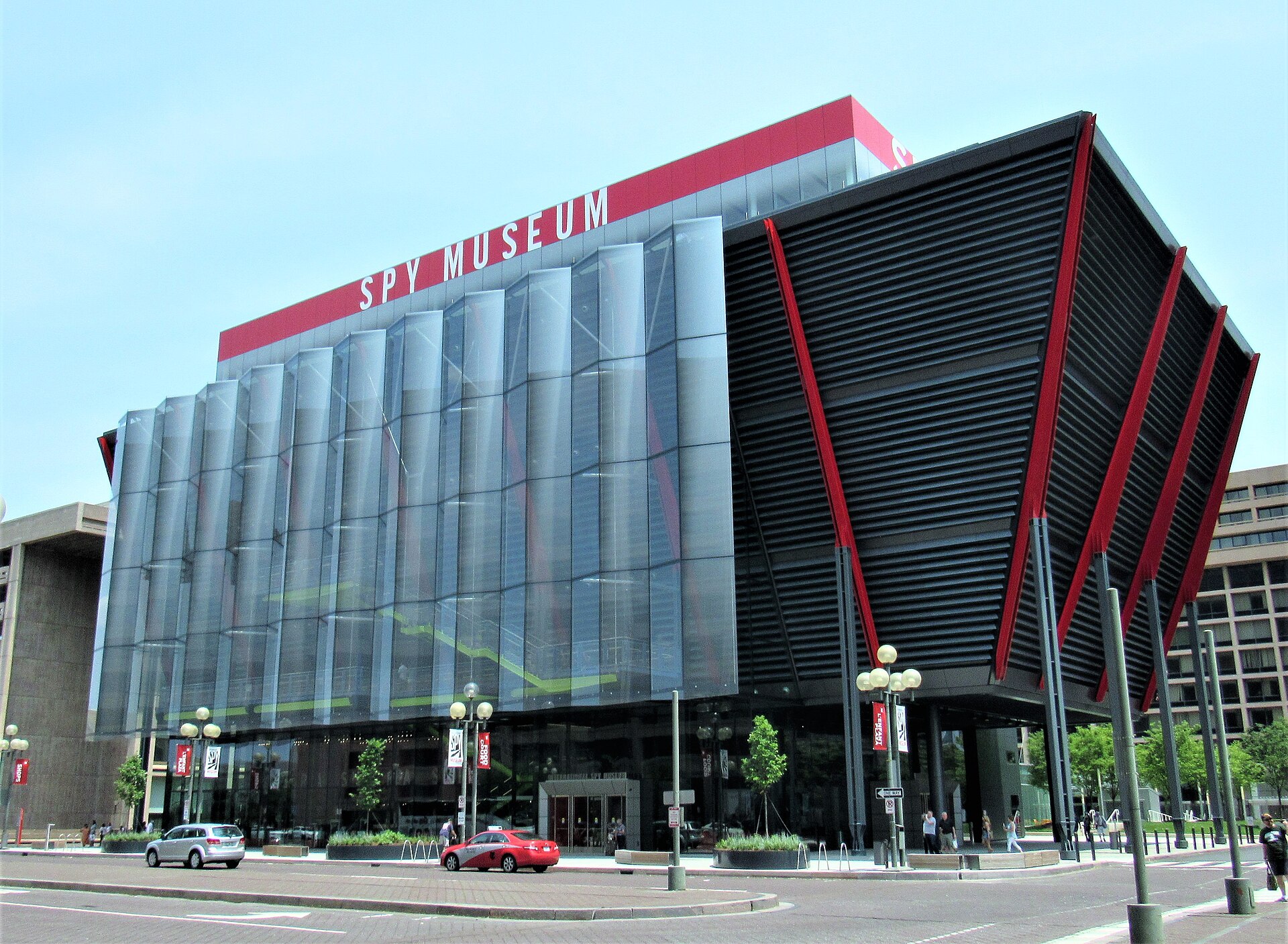
International Spy Museum
Hand students a cover identity and send them into the world of espionage. The Spy Museum’s interactive Undercover Mission lets them test their skills throughout the exhibits while the collection reveals how real intelligence work has shaped history. This one gets students participating instead of quietly moving from display case to display case.
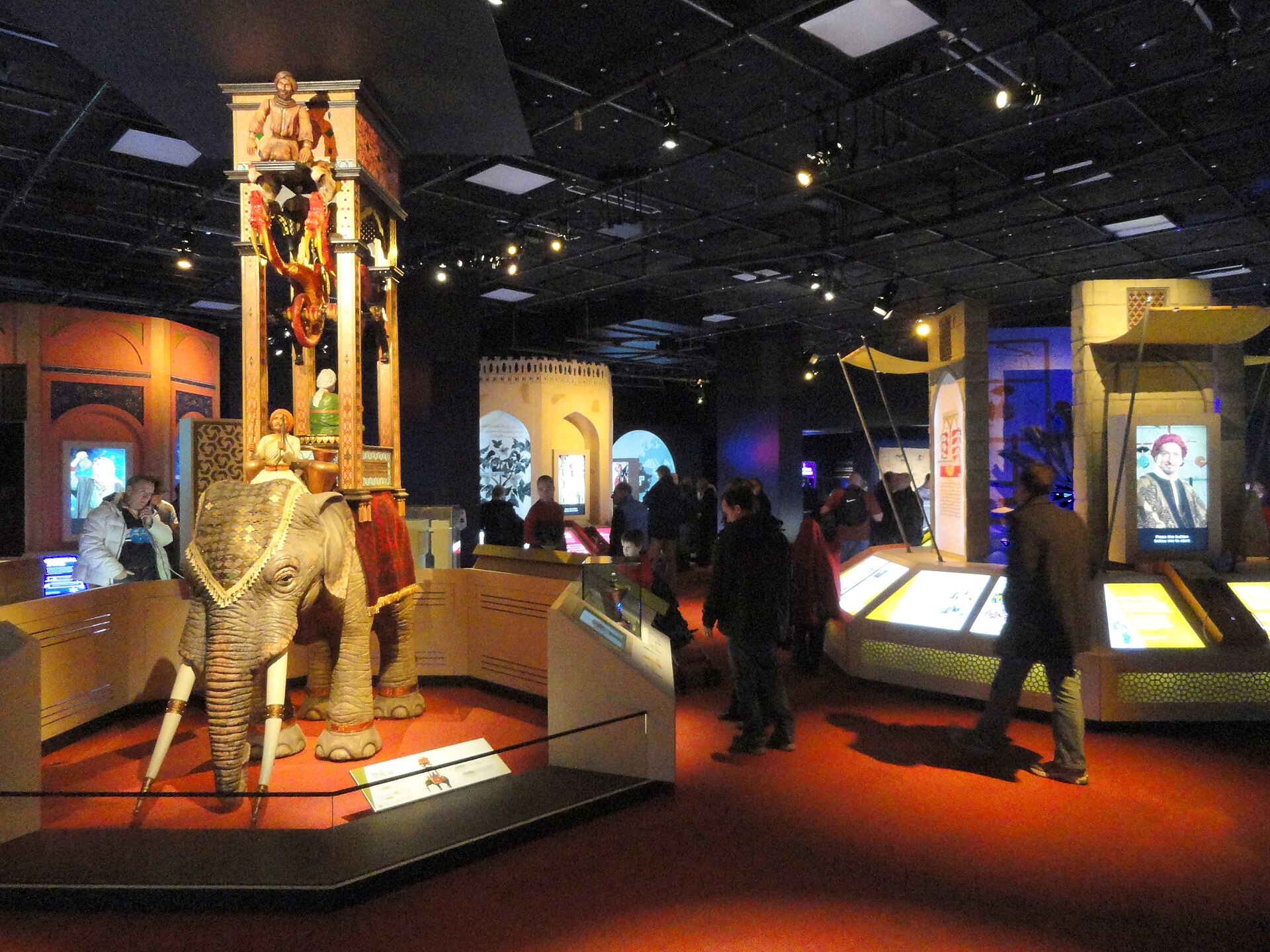
National Geographic Museum of Exploration
The new Museum of Exploration was designed to put students inside the spirit of National Geographic rather than simply show them artifacts. Interactive spaces invite them to explore the planet and the work of National Geographic Explorers. School groups also get access to the Learning Launchpad for hands-on activities built around discovery and real-world problem solving.
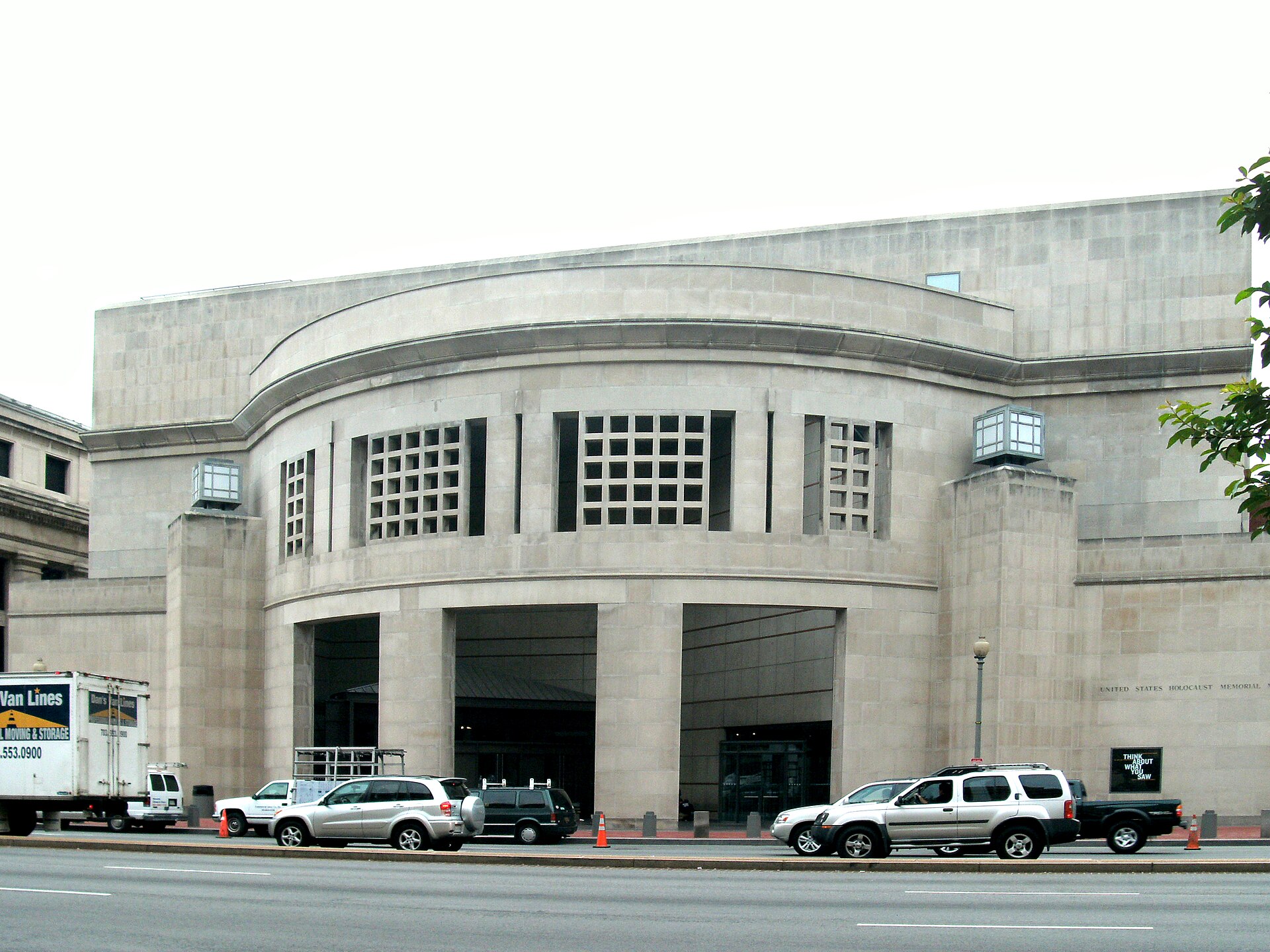
United States Holocaust Memorial Museum
The Holocaust Memorial Museum makes history deeply personal through the experiences of the people who lived it. Students encounter individual stories and original materials that help them understand the human consequences behind events they have studied in school. It is a serious visit and one that can stay with students long after they leave Washington.
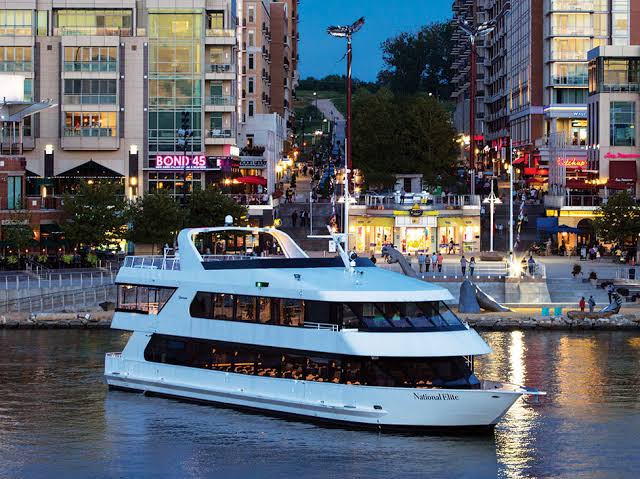
Potomac River Cruise
End a day of sightseeing by getting students off their feet and onto the water. A lunch or dinner cruise pairs a meal with views of Washington from the Potomac and gives the group time to relax together. Student cruises can add music and dancing so the evening becomes part sightseeing and part celebration.
Ways to Shape the Trip

Strings in Service
Build the trip around the military musicians who make Washington such a distinctive orchestra destination. Work with the U.S. Air Force Strings or musicians from Pershing’s Own and add a military performance if the calendar allows. Students get an inside look at professional music careers built around both artistry and service.

The Capital Stage
Keep the focus on playing and growing as an ensemble. Pair a memorable DC performance with a university clinic or masterclass and add an evening at the Kennedy Center or with the National Symphony Orchestra. This route gives students a trip where nearly every day connects back to the music they came to make.

Soundtrack of a Nation
Use music as the thread through Washington’s history. Perform American or patriotic repertoire in a setting tied to the nation’s story and then visit places like the National Archives or Library of Congress. The National Museum of American History can bring students face to face with the original Star-Spangled Banner while the memorials give familiar music a setting they will remember long after the trip.

From the Mall to the Music Hall
Take the best parts of Washington and build one full experience around them. Give the orchestra a great performance and meaningful clinic while still making room for the Smithsonian and the memorials after dark. Add the Kennedy Center or a Potomac cruise and the trip starts to feel like much more than a performance tour.
Ready to Bring Your Orchestra to Washington, DC?
Build a DC orchestra trip where artistic growth, historic meaning, and the practical needs of traveling with strings are all treated as equally important.
Availability note: Performance opportunities, clinics, workshops, festivals, parades, and special events vary by destination and are subject to availability, eligibility, ensemble size, season, technical requirements, and final approval.
Photo credits: World War II Memorial by BrayLockBoy (CC BY-SA 4.0); National Geographic Museum of Exploration by Mary Mark Ockerbloom (CC BY-SA 4.0); Smithsonian Science & Discovery by DiscoA340 (CC BY-SA 4.0); American History Museums by G. Edward Johnson (CC BY 4.0); Art Museums by Gunnar Klack (CC BY-SA 2.0); Culture Museums by Frypie (CC BY-SA 4.0); Smithsonian National Zoo by Rawpixel Ltd (CC BY 2.0); U.S. National Arboretum by Cliff from Arlington, Virginia, USA (CC BY 2.0); National Mall & Memorials by Carol M. Highsmith (Public domain); Arlington National Cemetery by Arlington National Cemetery (Public domain); International Spy Museum by Farragutful (CC BY-SA 4.0); National Geographic Museum of Exploration by Daderot (CC0); United States Holocaust Memorial Museum by AlbertHerring (CC BY 3.0). Via Wikimedia Commons.